When it comes to natural skincare, not all clays are created equal. Green clay stands out as one of the most powerful and distinctive options available, but what exactly makes it different from other clay types? Understanding these differences can help you choose the right clay for your specific skin needs and concerns.
What Makes Green Clay Special
Green clay gets its distinctive light green color from iron oxide and decomposed organic matter, including kelp and other marine plants. This unique composition sets it apart from other clays right from the start. The marine origin gives green clay an exceptional mineral profile that includes aluminum, calcium, iron, magnesium, potassium, silica, sodium, and titanium.
The high mineral content translates directly into powerful skincare benefits. Green clay is highly absorbent, meaning it can pull oils, impurities, and toxins from your skin more effectively than many other clay types. It also has natural anti-inflammatory properties and can stimulate blood circulation when applied topically.

Another key feature of green clay is its non-swelling nature. While some clays expand when mixed with water, green clay maintains its structure, making it easier to work with and more predictable in its effects.
How Green Clay Compares to Other Popular Clays
Pink Clay: The Gentle Alternative
Pink clay represents the gentler side of the clay family. Usually a type of kaolin clay, pink clay gets its color from iron oxide, but in much lower concentrations than green clay. This makes pink clay significantly milder and suitable for sensitive skin types.
While green clay is intensely detoxifying and oil-absorbing, pink clay focuses more on soothing and nourishing. Pink clay can help reduce inflammation and irritation, making it ideal for people with conditions like eczema or rosacea. However, it lacks the deep-cleansing power that makes green clay so effective for oily and acne-prone skin.
The key difference lies in intensity. Green clay delivers powerful results quickly, while pink clay provides gentle, gradual improvements without the risk of over-drying or irritating sensitive skin.
White Clay: The Variable Option
White clay can be confusing because the term covers various types of clay in their purest form. Most white clays are actually bentonite clay that has been refined to remove color-causing minerals. Without these minerals, white clay loses some of the specialized benefits that make green clay unique.
White clay tends to be quite harsh and drying, often more so than green clay. While it has good general cleansing properties, it lacks the targeted mineral composition that makes green clay particularly effective for specific skin concerns. White clay is more of a one-size-fits-all option, whereas green clay is specifically formulated for oily and problem skin.

Red Clay: The Body Care Specialist
Red clay gets its color from higher concentrations of iron oxide, but unlike green clay, it's typically softer and less absorbent. Red clay is most commonly used for body and hair care rather than facial treatments.
While green clay excels at oil control and deep pore cleansing on the face, red clay is better suited for general body treatments and scalp care. Red clay doesn't have the same intensity or targeted benefits that make green clay the go-to choice for acne and oily skin concerns.
The Science Behind Green Clay's Effectiveness
The unique mineral composition of green clay creates a synergistic effect that other clays struggle to match. The high silica content provides gentle exfoliation, while the iron oxide offers anti-inflammatory benefits. The presence of marine minerals adds additional detoxifying properties.
Green clay's molecular structure allows it to act like a magnet for impurities. When applied to the skin, it creates a negative electrical charge that attracts positively charged toxins and excess oils. This electrical activity is more pronounced in green clay than in other clay types due to its specific mineral makeup.
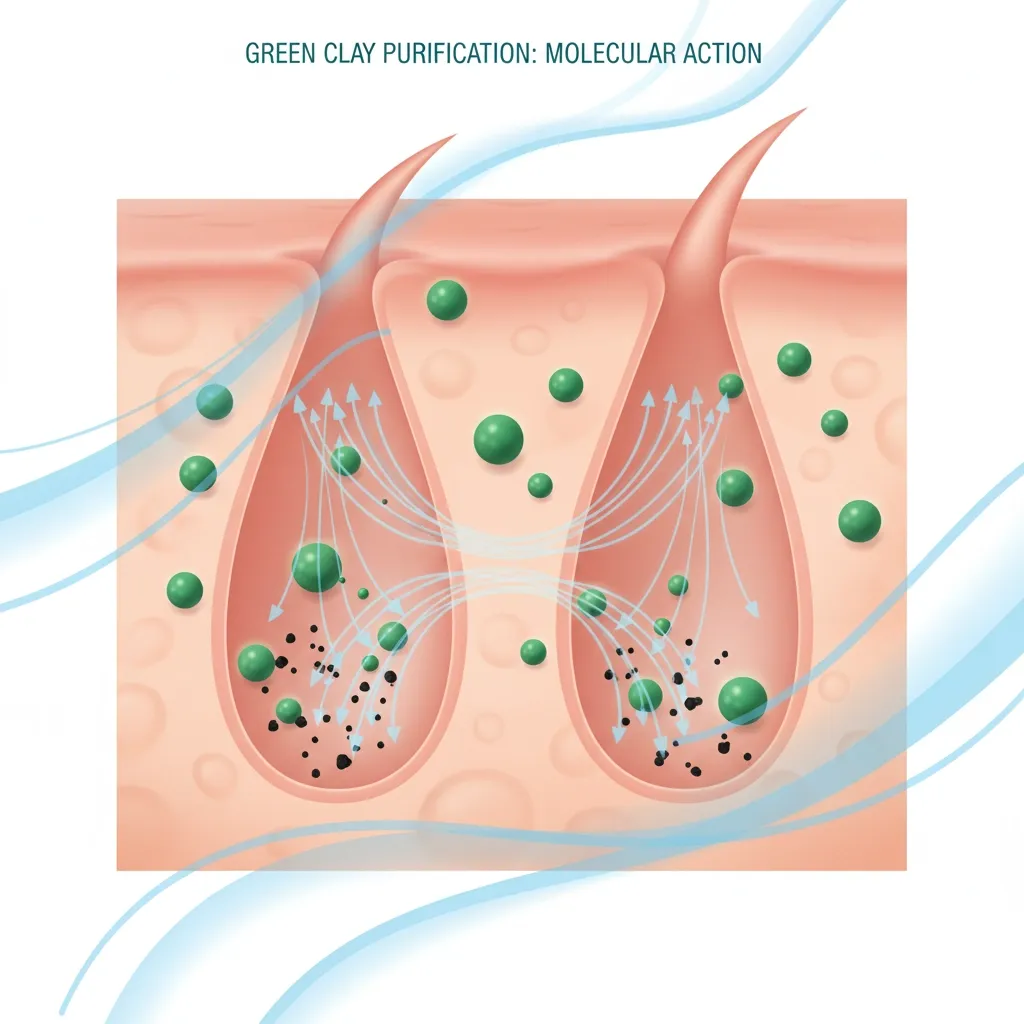
The circulation-boosting properties of green clay also set it apart. When applied as a mask, green clay draws blood to the surface of the skin, which can help promote cell regeneration and healing. This makes it particularly effective for addressing acne scars and improving overall skin texture.
Practical Applications and Results
Green clay works best when used 1-2 times per week as a face mask. Mix it with water or apple cider vinegar to create a smooth paste, apply to clean skin, and leave for 10-15 minutes until it begins to dry. The clay will tighten as it dries, pulling impurities from your pores.
For oily skin, green clay can provide visible results after just one use. Pores appear smaller, skin looks less shiny, and the complexion appears more refined. Regular use can help prevent breakouts and maintain clearer skin over time.
Other clay types require different approaches. Pink clay can be used more frequently, even daily, because of its gentler nature. White clay should be used sparingly due to its harsh properties, while red clay is best reserved for body treatments or scalp masks.
When to Choose Green Clay Over Others
Green clay is the superior choice when you're dealing with:
- Oily or combination skin
- Frequent breakouts or acne
- Clogged pores and blackheads
- Dull skin that needs detoxification
- Areas prone to excess sweating
However, green clay isn't always the best option. If you have sensitive, dry, or mature skin, pink clay or even white clay might be more appropriate. The key is matching the clay's intensity to your skin's needs and tolerance levels.

Understanding Clay Purity and Quality
One advantage of green clay is that high-quality versions maintain their mineral integrity better than processed clays. Many white clays undergo extensive refining that strips away beneficial minerals, while green clay is typically processed minimally to preserve its natural composition.
The marine origin of green clay also contributes to its purity. Clay harvested from coastal areas tends to be cleaner and more mineral-rich than clay from inland deposits. This natural advantage gives green clay an edge in terms of both purity and effectiveness.
Making the Right Choice for Your Skin
Understanding the differences between clay types empowers you to make better skincare decisions. Green clay's unique properties make it exceptionally effective for specific skin concerns, particularly those related to excess oil and congestion.
While other clays have their place in skincare routines, green clay offers a targeted solution that delivers results. Its powerful mineral composition, superior absorbency, and proven track record with oily skin make it the standout choice when you need serious pore-cleansing action.
The investment in quality green clay pays off in clearer, healthier-looking skin. When you understand what makes green clay unique, you can use it more effectively and see better results from your skincare routine.

