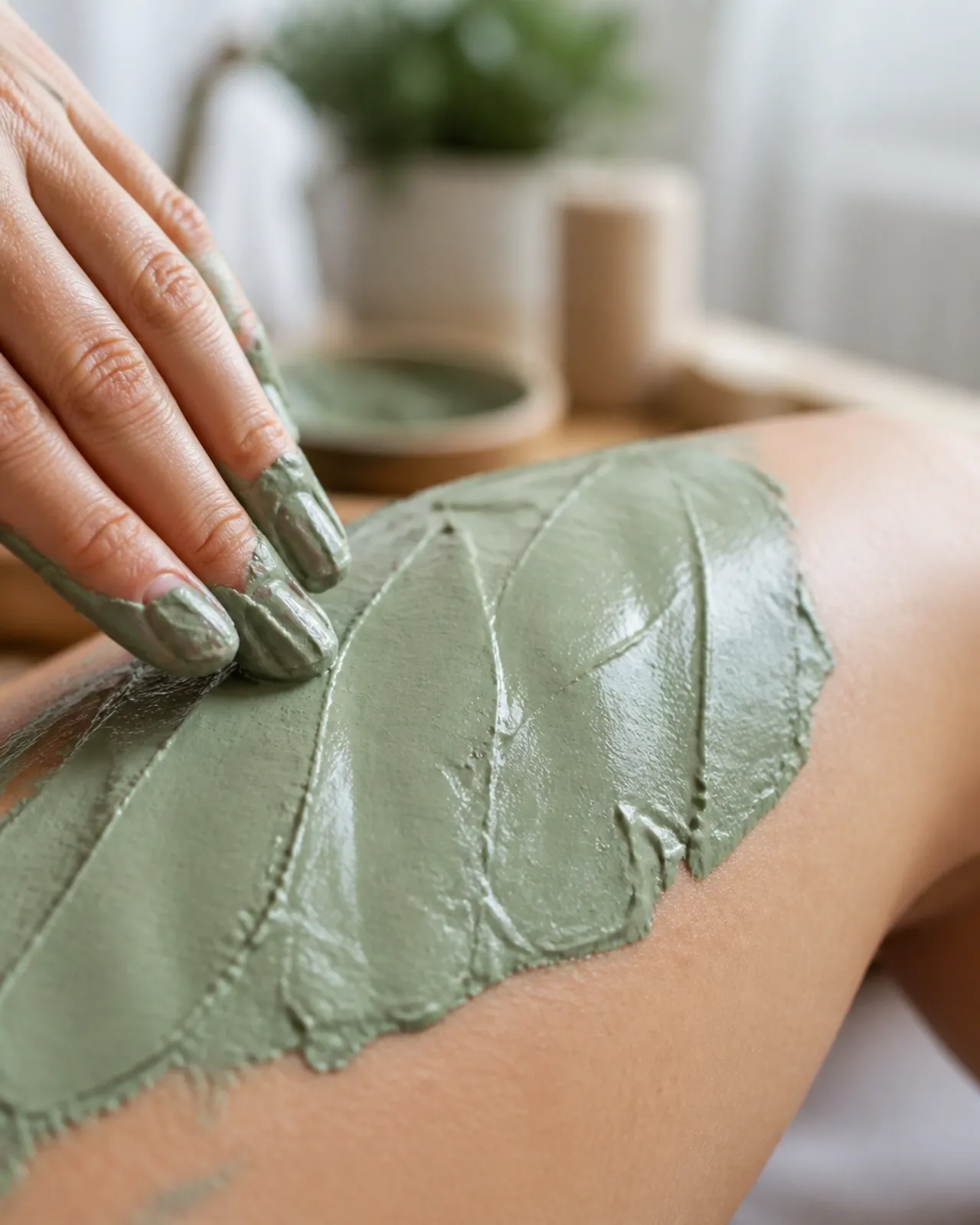
French clay has held a remarkable position in traditional medicine for centuries, bridging the gap between ancient healing wisdom and modern therapeutic applications. While medicinal clays have been used since ancient Mesopotamia around 2500 BC, French clay specifically emerged as a distinct therapeutic agent with its own unique properties and scientific validation.
This natural healing substance continues to fascinate researchers and practitioners alike, as modern science validates many traditional uses while uncovering new therapeutic possibilities. From ancient Greek and Roman applications to contemporary antimicrobial research, French clay represents a compelling case study in how traditional medicine can inform and enhance modern healthcare approaches.
Historical Origins and Ancient Applications
The story of French clay in medicine begins with the ancient civilizations of Greece, Rome, and Egypt, who were among the first to systematically utilize French clay: particularly green French clay: to address disorders of the skin and digestive system. The term "French Clay" derives from deposits that were harvested almost exclusively from rock quarries in southern France, though similar deposits have since been discovered in Montana, Wyoming, parts of Europe, and China.
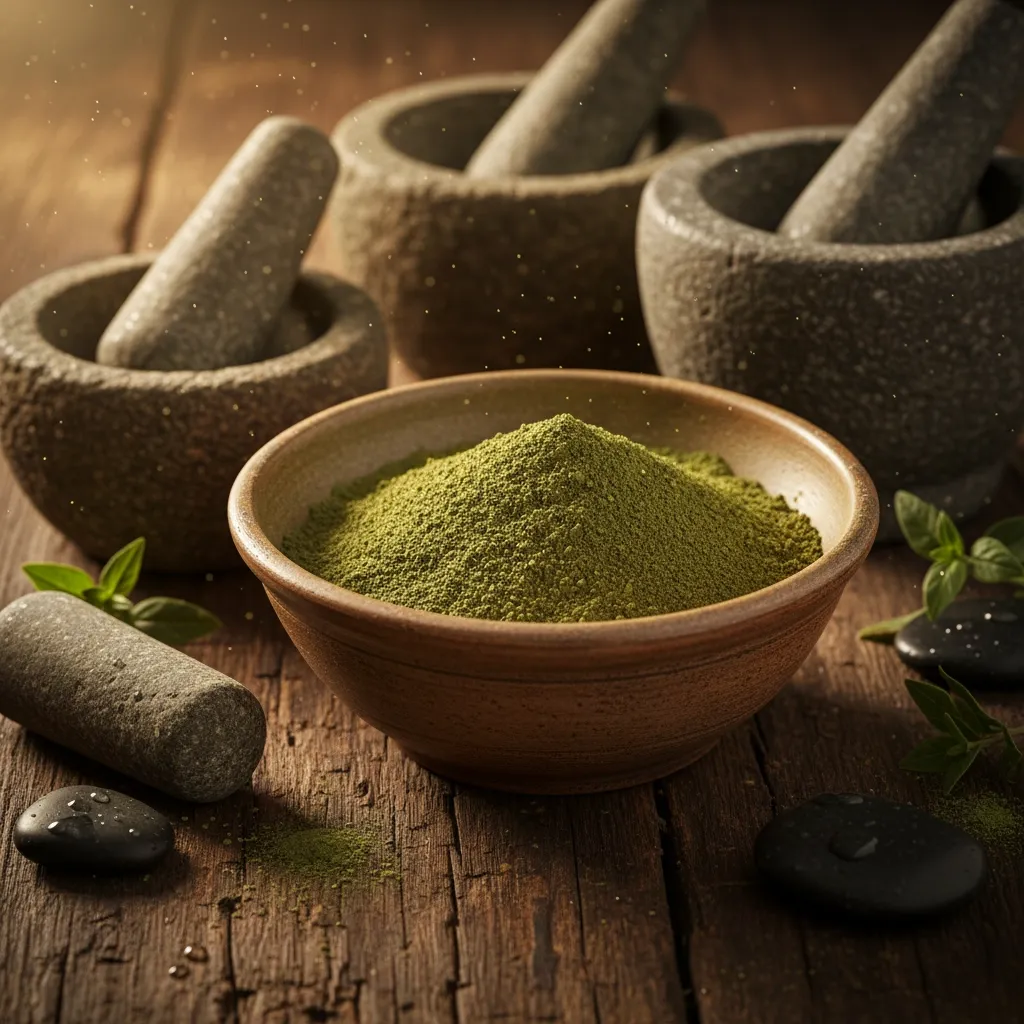
These French deposits are believed to be altered volcanic ash deposits from Central France, giving them their distinctive mineral composition and therapeutic properties. The volcanic origin contributes to the clay's unique combination of minerals, which has been refined over millennia through natural geological processes.
Ancient Greek and Roman physicians documented extensive uses of various medicinal clays, including French varieties. The famous physician Dioscorides mentioned clay applications in his De Materia Medica (circa 50-70 AD), while Pliny and Galen recommended clays for treating poisonings, open wounds, and various illnesses. The Ebers Papyrus from 1550 BC describes the use of ochre: a clay-based mineral: for intestinal problems and other ailments.
Interestingly, ancient Egyptians recognized clay's preservative and anti-inflammatory properties, using it both as an antiseptic and as a cosmetic agent. Historical accounts suggest that Cleopatra herself used clays to preserve her complexion, demonstrating the intersection of therapeutic and cosmetic applications that continues today.
Traditional French Medical Practices
Traditional French medicine employed clay in multiple therapeutic contexts, with applications ranging from external poultices to internal consumption for digestive disorders. French practitioners developed sophisticated methods for preparing and applying different clay varieties, recognizing that temperature, consistency, and application duration all influenced therapeutic outcomes.
The adaptability of French clays allowed them to remain relevant across centuries of medical practice. Traditional applications included cleansing, hydrating, nourishing, and toning treatments used on various areas of the body at different temperatures through poultices, baths, and masks, depending on the specific treatment required.

French folk medicine particularly valued clay's ability to draw out impurities and toxins from the body. Practitioners believed that clay's high adsorption capacity made it effective for treating digestive issues, skin conditions, and even systemic ailments. These traditional beliefs have found surprising validation in modern research, which has confirmed clay's ability to bind toxins and harmful substances.
Composition and Varieties of French Clay
French clays exhibit remarkable diversity in their mineral composition and physical properties. The three main therapeutic clay types: Montmorillonite, Illite, and Kaolinite: encompass all French clay varieties, each contributing unique soothing, astringent, drying, and mattifying properties.
French clays appear in several distinct varieties based on their mineral content and the geological layers from which they're derived:
Green French Clay: The most extensively studied variety, rich in iron oxide and known for its strong adsorptive properties. It's particularly valued for oily skin conditions and detoxification applications.
Pink French Clay: A gentler variety suitable for sensitive skin, combining red and white clay properties with a balanced mineral profile.
Red French Clay: High in iron oxide, providing warming properties and enhanced circulation benefits.
Yellow French Clay: Contains high levels of potassium and is particularly effective for mature skin conditions.
White French Clay: The mildest variety, rich in silica and suitable for all skin types, including the most sensitive.
Each clay variety possesses a unique combination of minerals including calcium, iron, magnesium, potassium, and silica. When mixed with water, all varieties share common physical properties of elasticity and softness, making them ideal for topical applications.
Modern Scientific Research and Discoveries
Contemporary research has provided compelling validation for many traditional uses of French clay, particularly in antimicrobial applications. One of the most significant modern discoveries involves the treatment of Buruli ulcer, a necrotizing fasciitis caused by Mycobacterium ulcerans.
Research by Line Brunet de Courssou demonstrated remarkable therapeutic properties of French green clay samples when applied as paste directly to ulcerative lesions. The clay treatment initiated rapid, non-surgical debridement of destroyed tissue within days, something that traditional antibiotic treatments struggled to achieve for larger, ulcerative forms of the disease.

Extended treatment with clay poultices resulted in continued debridement, healthy tissue regeneration, and eventual wound healing. After several months of daily applications, Buruli ulcer wounds healed with soft, supple scarring that allowed normal motor function to return: a remarkable outcome for a condition that often results in permanent disability.
Microbiological testing has revealed that certain French green clays can kill a broad spectrum of human pathogens, including antibiotic-resistant strains. However, researchers emphasize an important distinction between "healing clays" and "antibacterial clays." Many clays possess highly adsorptive properties that contribute to healing without being inherently antibacterial.
Mechanisms of Action: Understanding How French Clay Works
Modern research has revealed that the antibacterial processes displayed by certain French green clays involve complex chemical mechanisms rather than simple physical attraction between clay and bacteria. Investigations comparing antibacterial and non-antibacterial clays have shown that the bactericidal mechanism involves chemical transfer or reaction rather than physical adsorption.
Remarkably, two French green clays with similar mineralogy, crystal size, and major element chemistry can demonstrate opposite effects on bacterial populations. One deposit might promote bacterial growth while another from a nearby location kills bacteria, highlighting the complexity of clay's therapeutic mechanisms.
This discovery has important implications for both traditional and modern applications, suggesting that not all clays are therapeutically equivalent and that specific geological sources may be crucial for therapeutic effectiveness.
Contemporary Applications and Future Potential
In modern therapeutic applications, French clays serve both cosmetic and medicinal purposes. Topically, they attach to oil, bacteria, and impurities on the skin surface, eliminating them while leaving skin cleansed, clarified, and balanced. In hair care applications, these clays remove product buildup from scalp and strands while eliminating dead cells, flakiness, and excess oil.
Medicinally, French clays are recognized for their ability to boost circulation, reduce inflammation, facilitate tissue and cellular repair, and promote elimination of toxins. Traditional practitioners associate these benefits with relief from headaches, fatigue, digestive problems, food allergies, and lethargy.
The convergence of traditional wisdom and modern scientific validation positions French clays as potentially valuable therapeutic agents, particularly in global regions with limited medical resources. Research continues to investigate these applications, with particular interest in antimicrobial properties and wound healing capabilities.
Recent studies have also explored French clay's potential in treating antibiotic-resistant infections, offering hope for addressing one of modern medicine's most pressing challenges. As research progresses, French clay may play an increasingly important role in integrative healthcare approaches that combine traditional knowledge with contemporary medical understanding.
The Enduring Legacy of French Clay Medicine
The remarkable journey of French clay from ancient healing practices to modern scientific validation demonstrates the enduring value of traditional medicine. As contemporary healthcare faces challenges with antibiotic resistance and seeks natural alternatives to synthetic treatments, French clay offers a promising avenue for research and development.
The continued relevance of French clay in both traditional and contemporary medicine reflects a unique convergence of ancestral wisdom and modern scientific methodology. This intersection suggests that traditional healing practices may hold keys to addressing current and future healthcare challenges, making French clay an invaluable subject for ongoing research and therapeutic development.
Understanding French clay's historical applications while embracing modern scientific insights creates opportunities for innovative treatments that honor traditional knowledge while meeting contemporary medical standards. This approach may prove essential as healthcare systems worldwide seek sustainable, effective, and accessible therapeutic solutions.