Ever wondered where that amazing green clay in your face mask actually comes from? You're not alone! Many people use green clay for skincare and wellness but don't know where this natural wonder originates. Let's dig into the fascinating world of green clay deposits and discover where this mineral treasure is found around the globe.
The Heart of Green Clay: France's Montmorillonite Region
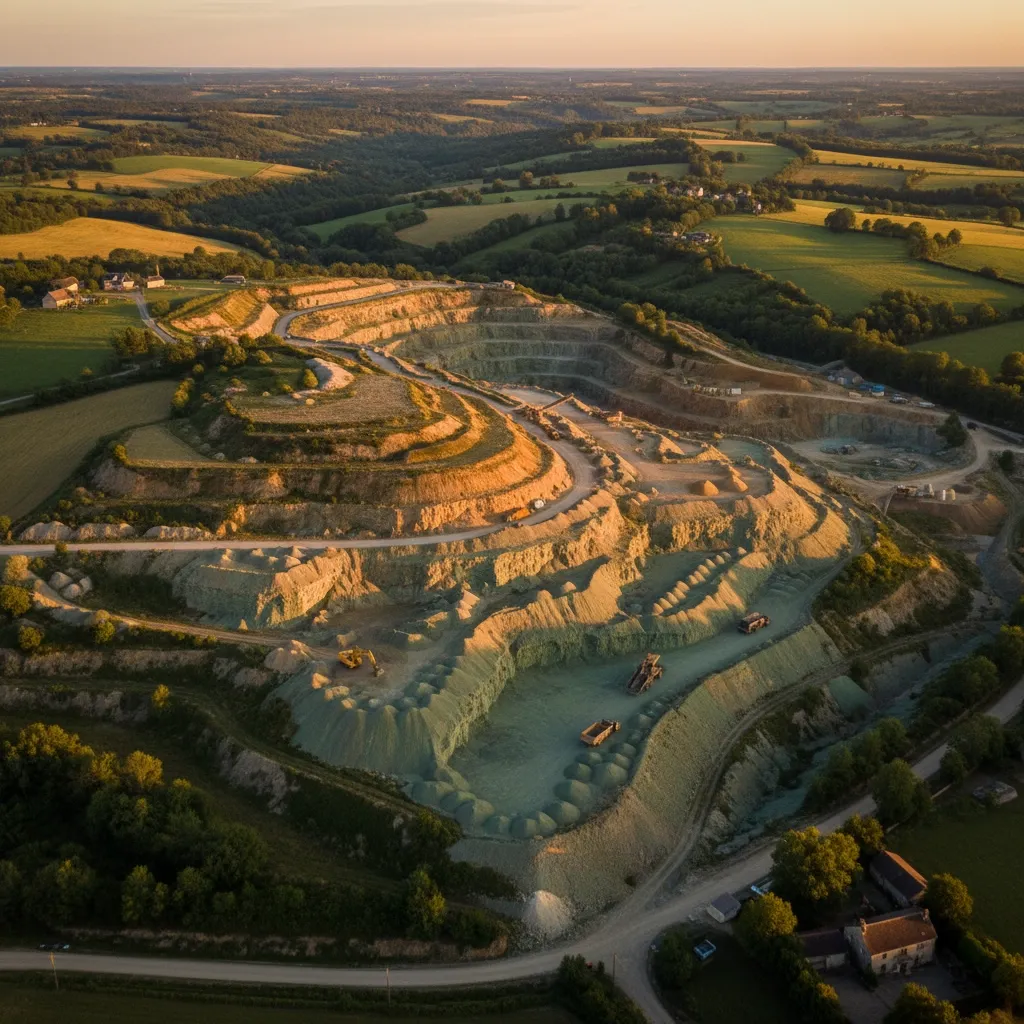
When people talk about green clay, they're usually referring to French Green Clay, and there's a good reason for that. The highest quality green clay comes from France, specifically from the Montmorillonite region in western France. This area has been the gold standard for green clay production for decades.
According to French Healing Clay, these French deposits are quarried from naturally occurring formations that have developed over thousands of years. The Montmorillonite region, located in the commune of Montmorillon in western France, contains some of the purest and most potent green clay deposits on Earth.
What makes French green clay so special? It's all about the unique geological conditions in this region. The clay forms through a specific process involving volcanic ash, water, and time - lots of time. This creates a mineral-rich substance that's packed with beneficial properties for skin and body care.
European Sources Beyond France
While France might be the most famous source, it's not the only place in Europe where green clay is found. Sardinia, Italy is another significant source of high-quality green clay. The Italian deposits share similar characteristics with French clay, thanks to comparable geological conditions.
Other European locations also contain green clay deposits, though they may vary in quality and mineral composition. The volcanic activity that occurred across Europe millions of years ago created the perfect conditions for clay formation in multiple regions.
According to Healthline, the quality of green clay can vary significantly based on its source location. This is why French and Italian clays are often preferred for therapeutic and cosmetic applications - they've been tested and proven over centuries of use.
Green Clay Across the Globe
Green clay isn't limited to Europe. Deposits have been discovered worldwide, each with its own unique characteristics:
United States: The northwestern United States contains several green clay deposits. While these may not have the same reputation as French clay, they still offer beneficial properties for various applications.
Asia: Geological surveys have identified green clay layers in places like the South China Sea. These deposits, found in sediment layers dating back millions of years, show how widespread this natural resource actually is.
Other Continents: As geological exploration continues, green clay deposits have been found on virtually every continent. However, the quality, purity, and mineral composition can vary dramatically from location to location.

How Green Clay Forms in Nature
Understanding where green clay is found means understanding how it forms. This isn't a quick process - we're talking about geological time scales here!
Green clay primarily forms from the weathering and decomposition of volcanic ash. When volcanic eruptions occur, they scatter fine ash particles across vast areas. Over thousands of years, this ash combines with water and beneficial microorganisms, slowly transforming into the mineral-rich clay we know today.
The process requires specific conditions:
- Volcanic ash as the base material
- Water for the weathering process
- Time - usually thousands of years
- Specific pH conditions in the soil
- Beneficial microorganisms that help break down the ash
This is why green clay deposits are often found in areas with historical volcanic activity. The Clay World website explains how these unique geological conditions create the mineral profile that makes green clay so beneficial.
Quality Varies by Location
Not all green clay is created equal. The location where green clay is found dramatically affects its quality and therapeutic properties. Here's what to look for:
French Green Clay remains the gold standard because:
- Strict quality control and testing
- Centuries of proven use
- Consistent mineral composition
- Sustainable mining practices
Italian Green Clay from Sardinia offers:
- High mineral content
- Good purity levels
- Similar formation process to French clay
Other Sources may provide:
- Variable quality
- Different mineral profiles
- Less stringent testing standards
When choosing green clay products, like those available at Clayer, it's important to know the source. Quality green clay should come with information about its origin and mineral analysis.
Modern Green Clay Mining
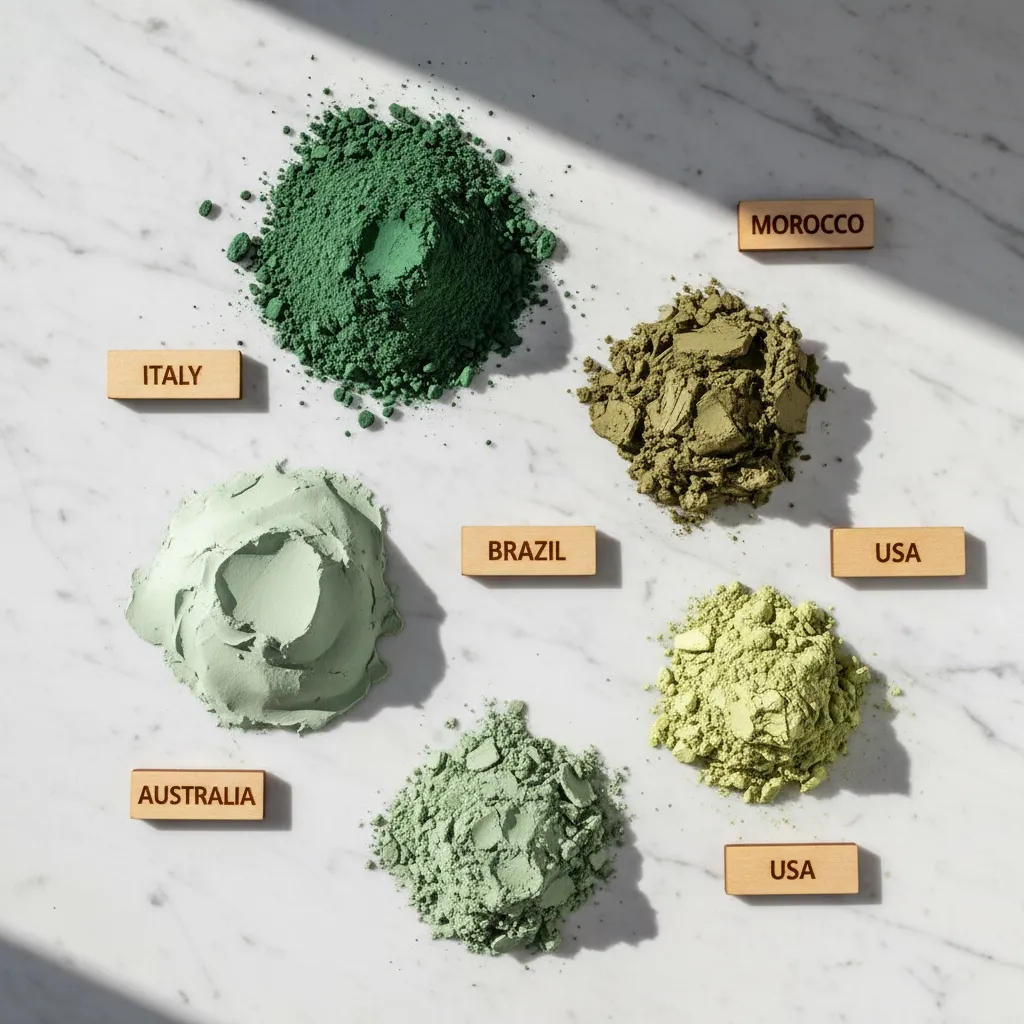
Today's green clay extraction is much more sophisticated than ancient methods. Modern mining operations, particularly in France, use careful techniques to preserve the clay's natural properties while ensuring environmental sustainability.
The process typically involves:
- Surface mining from open quarries
- Minimal processing to maintain natural properties
- Quality testing at multiple stages
- Sustainable practices to protect the environment
According to Healing Clay Mask, the best green clay operations focus on maintaining the natural integrity of the clay while meeting modern safety and quality standards.
Environmental Considerations
As demand for green clay grows, the sustainability of mining operations becomes increasingly important. The best sources prioritize:
- Environmental protection around mining sites
- Restoration of mined areas
- Limited extraction to preserve deposits for future generations
- Local community involvement and benefits
Best Sport Recovery emphasizes the importance of choosing green clay from environmentally responsible sources, ensuring that this natural resource remains available for future use.
What This Means for Consumers
Understanding where green clay is found helps you make better purchasing decisions. When shopping for green clay products:
- Look for source information - reputable suppliers will tell you where their clay comes from
- Prefer established sources - French and Italian clays have the longest track records
- Check for quality certifications - good suppliers test their products regularly
- Consider the price - extremely cheap clay may come from questionable sources
Companies like Aztec Secret often provide detailed information about their clay sources, helping consumers make informed choices.

The Future of Green Clay Sources
As geological exploration continues and demand grows, new green clay deposits may be discovered. However, the established sources - particularly France's Montmorillonite region - are likely to remain the preferred choice for quality-conscious consumers.
Climate change and environmental regulations may also affect how and where green clay is extracted in the future. Sustainable mining practices will become increasingly important as we balance our desire for natural wellness products with environmental responsibility.
Finding Quality Green Clay
Now that you know where green clay is found, you can make more informed choices about the products you use. Whether you're looking for skincare benefits, wellness applications, or therapeutic uses, understanding the source of your green clay ensures you're getting a quality product.
For those interested in trying high-quality green clay products, Clayer offers carefully sourced options that meet strict quality standards. Remember, the best green clay comes from established sources with proven track records of purity and effectiveness.
The journey from ancient volcanic ash to your skincare routine is truly remarkable. Green clay's global distribution shows us how geological processes have created this natural treasure in locations around the world, with France's Montmorillonite region leading the way in quality and purity.

