
If you're dealing with inflammation and looking for natural remedies, you've probably heard about green clay. The short answer is yes – green clay is excellent for inflammation. This natural mineral-rich substance has been used for centuries to reduce swelling, ease pain, and promote healing. Let's dive deep into why green clay works so well for inflammatory conditions and how you can use it safely.
What Makes Green Clay Special?
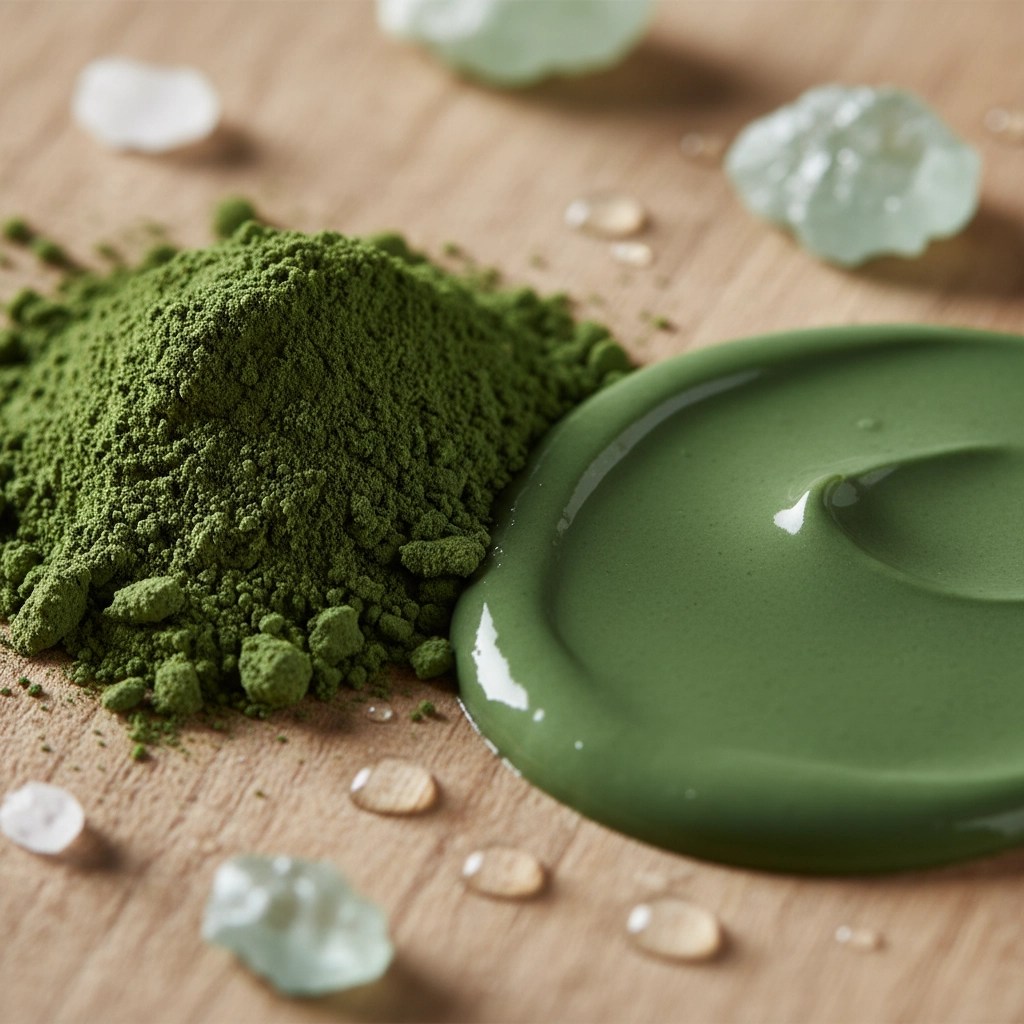
Green clay, also known as French green clay or sea clay, gets its distinctive color from iron oxide and decomposed plant matter. This natural clay is packed with minerals like silica, aluminum, magnesium, potassium, and calcium – all of which contribute to its powerful anti-inflammatory properties.
Unlike regular dirt, green clay has a unique molecular structure that allows it to absorb toxins and excess fluids while delivering essential minerals to your skin and tissues. This dual action makes it particularly effective for treating various inflammatory conditions.
How Green Clay Fights Inflammation
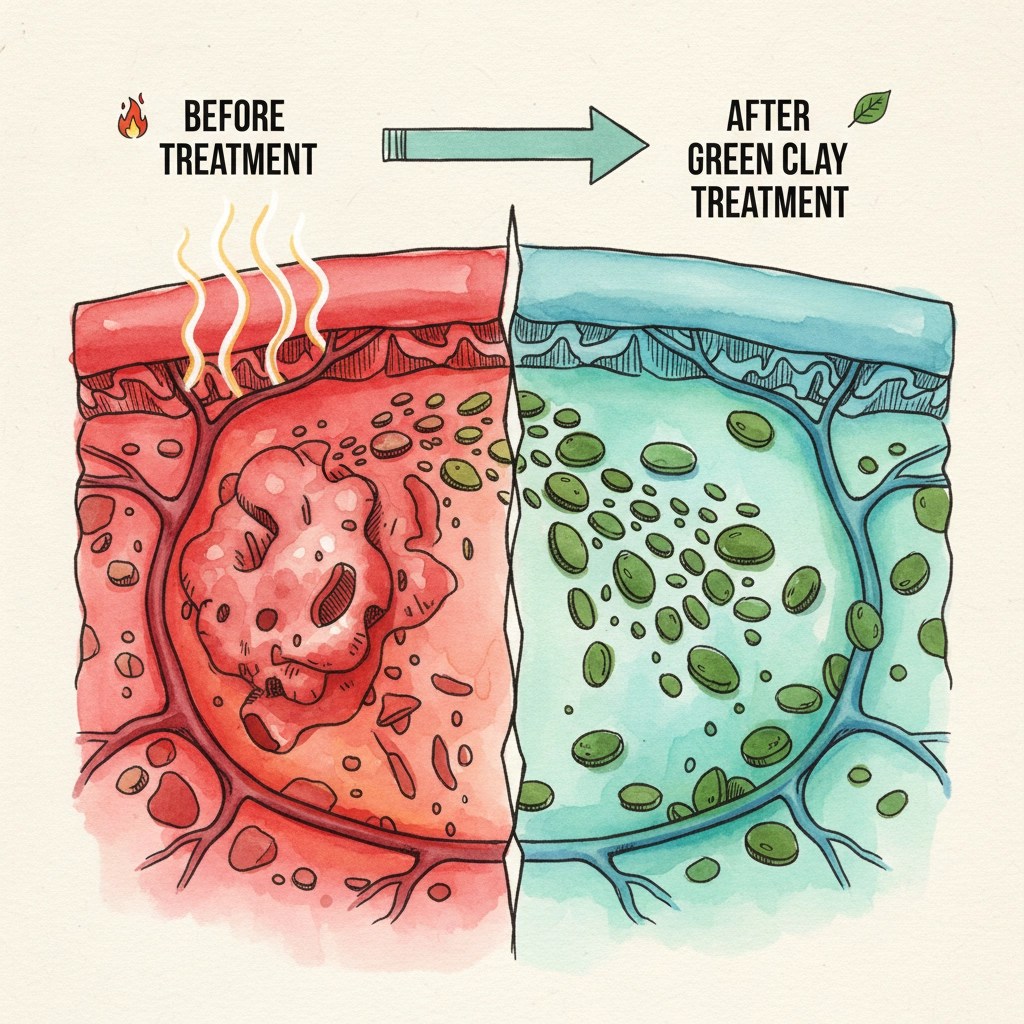
Green clay works against inflammation through several mechanisms that make it a powerful natural remedy. First, it has strong absorption properties that literally pull excess heat from inflamed areas. When tissues are inflamed, they generate heat, and green clay can absorb this thermal energy, providing immediate cooling relief.
The clay also draws out toxins and impurities that may be contributing to the inflammatory response. According to Healthline, clay's negative ionic charge attracts positively charged toxins, helping to remove them from your system.
Additionally, green clay improves circulation in the treated area. Better blood flow means more oxygen and nutrients reach the inflamed tissues, while waste products are carried away more efficiently. This enhanced circulation accelerates the natural healing process.
Scientific Evidence and Research
While traditional use provides strong anecdotal evidence, modern research is beginning to back up green clay's anti-inflammatory benefits. Studies have shown that clay minerals can reduce inflammatory markers and provide pain relief comparable to some conventional treatments.
The mineral content of green clay plays a crucial role in its effectiveness. Magnesium, for instance, is known for its natural anti-inflammatory properties, while silica supports tissue repair and regeneration. Iron oxide not only gives the clay its color but also contributes to its healing properties.
Experts at French Healing Clay note that the specific combination of minerals in green clay creates a synergistic effect that's more powerful than any single component alone.
Conditions Green Clay Can Help
Green clay's anti-inflammatory properties make it useful for a wide range of conditions:
Muscle and Joint Issues:
- Arthritis pain and stiffness
- Sports injuries and strains
- Tendonitis and bursitis
- General muscle soreness
Skin Conditions:
- Eczema and dermatitis
- Acne and inflammatory skin conditions
- Minor cuts and scrapes
- Insect bites and stings
Other Applications:
- Headaches and migraines
- Digestive inflammation (when used internally under guidance)
- Respiratory issues (through clay baths)
Athletes particularly love green clay for post-workout recovery. Resources like Best Sport Recovery often recommend clay treatments for reducing exercise-induced inflammation and speeding recovery times.
How to Use Green Clay for Inflammation
The most common way to use green clay for inflammation is as a topical poultice or mask. Here's how to do it properly:
For External Use:
- Mix 2-3 tablespoons of green clay with enough water to form a smooth paste
- Apply the mixture to the inflamed area using a wooden or plastic spoon (avoid metal)
- Leave on for 15-30 minutes until the clay begins to dry
- Rinse off with warm water and pat dry
- Apply 1-2 times daily as needed
For Clay Baths:
Add 1/2 to 1 cup of green clay to a warm bath and soak for 20-30 minutes. This method is great for overall inflammation or when multiple areas need treatment.
Important Tips:
- Always use non-metal utensils when mixing clay
- Don't let the clay dry completely on your skin
- Start with shorter application times to test sensitivity
- Drink plenty of water when using clay treatments
Companies like Clayer offer high-quality green clay products specifically formulated for therapeutic use, ensuring you get the maximum anti-inflammatory benefits.
Safety and Precautions
While green clay is generally safe for most people, there are some important considerations:
Who Should Avoid Green Clay:
- People with severe kidney problems (if using internally)
- Those with open wounds or severe skin conditions
- Individuals taking certain medications (consult your doctor first)
- People with known clay allergies
General Precautions:
- Always do a patch test before first use
- Don't use clay on broken skin without medical guidance
- Avoid getting clay in your eyes
- Stop use if irritation occurs
Reputable sources like Healing Clay Mask provide detailed safety information and usage guidelines for different types of clay treatments.

Green Clay vs. Other Clays
While several types of clay offer anti-inflammatory benefits, green clay stands out for its mineral content and potency. Bentonite clay, popularized by brands like Aztec Secret, is excellent for detoxification but may be too strong for sensitive skin.
Red clay is gentler and good for sensitive skin, while white clay (kaolin) is the mildest option. However, green clay offers the best balance of effectiveness and tolerability for most inflammatory conditions.
The key difference lies in the mineral composition and absorption capacity. Green clay's unique blend of minerals makes it particularly effective for inflammation, while its moderate absorption rate prevents over-drying of the skin.
Choosing Quality Green Clay
Not all green clays are created equal. When selecting a product for inflammatory conditions, look for:
- Pure, unprocessed clay with no additives
- Certification of mineral content
- Proper packaging that preserves the clay's properties
- Reputable sourcing from clean environments
Resources like Clayer World provide detailed information about different clay sources and their therapeutic properties, helping you make an informed choice.
The Bottom Line
Green clay is indeed excellent for inflammation, offering a natural alternative to conventional anti-inflammatory treatments. Its unique combination of minerals, absorption properties, and thermal effects make it effective for a wide range of inflammatory conditions.
Whether you're dealing with sports injuries, arthritis, or skin inflammation, green clay can be a valuable addition to your natural health toolkit. Start with small applications, follow proper usage guidelines, and don't hesitate to consult with healthcare providers if you have specific concerns.
Remember that while green clay is powerful, it works best as part of a comprehensive approach to managing inflammation that includes proper nutrition, adequate rest, and appropriate medical care when needed.
Disclaimer: We are not associated with any clay company. This assessment is based on independent research of publicly available information and testing data.
Leave a Reply