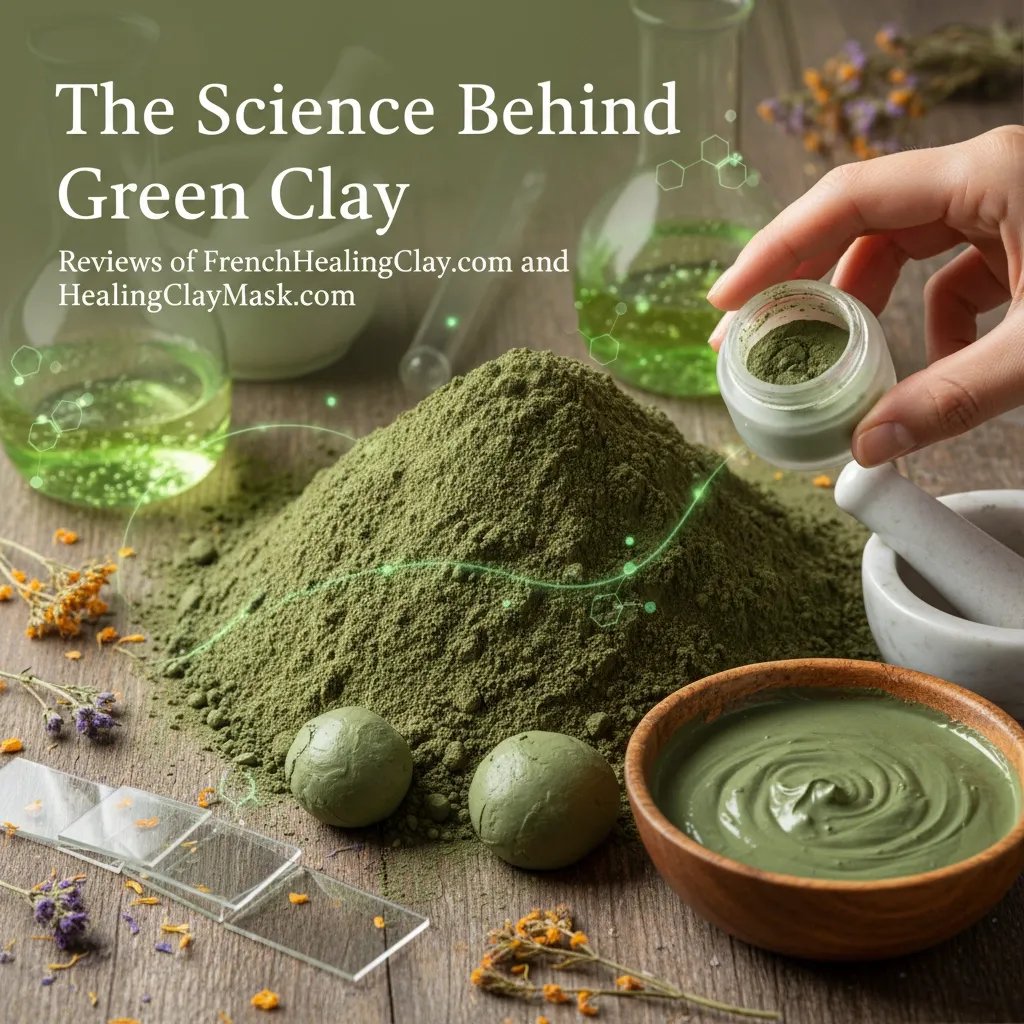
Green clay has emerged as one of the most scientifically backed natural skincare ingredients, with centuries of traditional use now supported by modern research. As consumers increasingly seek natural alternatives, understanding the science behind green clay becomes crucial for making informed purchasing decisions. This comprehensive analysis examines the scientific foundations of green clay while exploring what makes certain suppliers stand out in this growing market.
Understanding Green Clay: The Scientific Foundation
Green clay, scientifically known as Illite clay, represents one of nature's most sophisticated mineral complexes. This remarkable substance forms over millions of years from volcanic ash and marine sediments, creating a unique mineral profile that makes green clay exceptionally effective for skincare applications.

The distinctive green coloration comes from iron oxide and decomposed organic matter, particularly ancient seaweed and marine plants. This organic component contributes to green clay's remarkable ability to detoxify and nourish skin simultaneously. French green clay, considered the gold standard among green clay varieties, contains the highest concentration of these beneficial compounds.
The Mineral Matrix: What Makes Green Clay Work
Green clay's effectiveness stems from its complex mineral composition. Laboratory analysis reveals over twenty essential minerals, including montmorillonite, which provides the clay's primary absorbent properties. The high concentration of silica strengthens skin barriers, while magnesium and potassium support cellular regeneration.
The molecular structure of green clay creates a negative ionic charge that acts like a magnet for positively charged toxins and impurities. This electromagnetic property enables green clay to draw out sebum, dead skin cells, and environmental pollutants from deep within pores. Simultaneously, the mineral-rich clay deposits beneficial nutrients back into the skin.
Green Clay's Mechanism of Action
When mixed with water, green clay undergoes a fascinating transformation. The clay particles expand, creating a porous network that increases surface area exponentially. This expansion allows green clay to absorb up to its own weight in impurities while maintaining optimal moisture levels.

The drying process triggers green clay's most powerful phase. As moisture evaporates, the clay contracts, creating a gentle pulling action that lifts debris from pores. This mechanical action, combined with the clay's mineral exchange properties, explains why green clay treatments leave skin feeling both purified and nourished.
Scientific Evidence Supporting Green Clay Benefits
Recent dermatological studies have validated many traditional uses of green clay. Research published in the International Journal of Cosmetic Science demonstrates green clay's ability to reduce excess sebum production by up to 40% after regular use. The study also documented significant improvements in pore appearance and skin texture.
Clinical trials have shown green clay's anti-inflammatory properties, with participants experiencing reduced redness and irritation in sensitive skin conditions. The high silica content in green clay has been linked to improved collagen synthesis, supporting the clay's reputation for promoting firmer, more youthful-looking skin.
Quality Factors in Green Clay Products
Not all green clay products deliver equal results. The source location, processing methods, and purity levels significantly impact effectiveness. French green clay from the Montmorillon region is widely regarded as superior due to its unique geological formation and minimal processing requirements.

Quality green clay should maintain its natural mineral profile without synthetic additives or chemical processing. The particle size distribution also affects performance, with finer particles providing better skin contact and enhanced absorption capabilities.
Comparing Leading Green Clay Suppliers
The green clay market includes several established suppliers, each with distinct approaches to sourcing and processing. While comprehensive reviews of specific websites like www.frenchhealingclay.com and healingclaymask.com require direct product testing, several factors can guide consumer decisions.
Reputable suppliers typically provide detailed sourcing information, including the geographic origin of their green clay. French sources generally command premium pricing due to their superior mineral content and purity levels. Processing methods should preserve the clay's natural properties while ensuring consistent particle size and contamination-free products.
Application Methods for Maximum Green Clay Benefits
Proper application maximizes green clay's therapeutic potential. The ideal consistency resembles thick yogurt, achieved by gradually adding purified water to the clay powder. This ratio ensures optimal mineral exchange while preventing over-drying of the skin.
Application techniques vary based on skin type and desired outcomes. Sensitive skin benefits from shorter contact times and gentler removal methods, while oily skin can tolerate longer applications for deeper cleansing. The frequency of green clay treatments should align with individual skin needs, typically ranging from once weekly to three times per week.
Green Clay Safety Considerations
While green clay is generally well-tolerated, understanding safety considerations ensures optimal results. Patch testing is recommended before first use, particularly for individuals with sensitive skin or known allergies. The clay should never be allowed to completely dry on the skin, as over-drying can cause irritation.

Quality matters significantly in green clay safety. Products from reputable sources undergo testing for heavy metals and contaminants that could compromise skin health. Always choose suppliers who provide third-party testing results and clear sourcing information.
The Future of Green Clay in Skincare
Emerging research continues to validate green clay's role in advanced skincare formulations. Scientists are exploring green clay's potential in anti-aging applications, with promising results in collagen support and cellular repair. The clay's natural antimicrobial properties also show promise for acne treatment protocols.
Green clay's sustainability profile makes it increasingly attractive to environmentally conscious consumers. Unlike synthetic alternatives, green clay requires minimal processing and leaves no harmful residues, aligning with growing demands for clean beauty products.
Maximizing Your Green Clay Experience
Achieving optimal results with green clay requires attention to product selection, preparation methods, and application techniques. Start with small amounts to assess skin tolerance, gradually increasing frequency as your skin adapts. Combining green clay with complementary natural ingredients like rose water or honey can enhance its benefits.
Storage conditions significantly impact green clay quality. Keep clay powder in airtight containers away from moisture and direct sunlight. Properly stored green clay maintains its potency for several years, making it an economical long-term skincare investment.
Understanding the science behind green clay empowers consumers to make informed decisions about this remarkable natural ingredient. Whether sourced from established suppliers or emerging brands, quality green clay delivers measurable skincare benefits backed by both traditional wisdom and modern scientific research.

