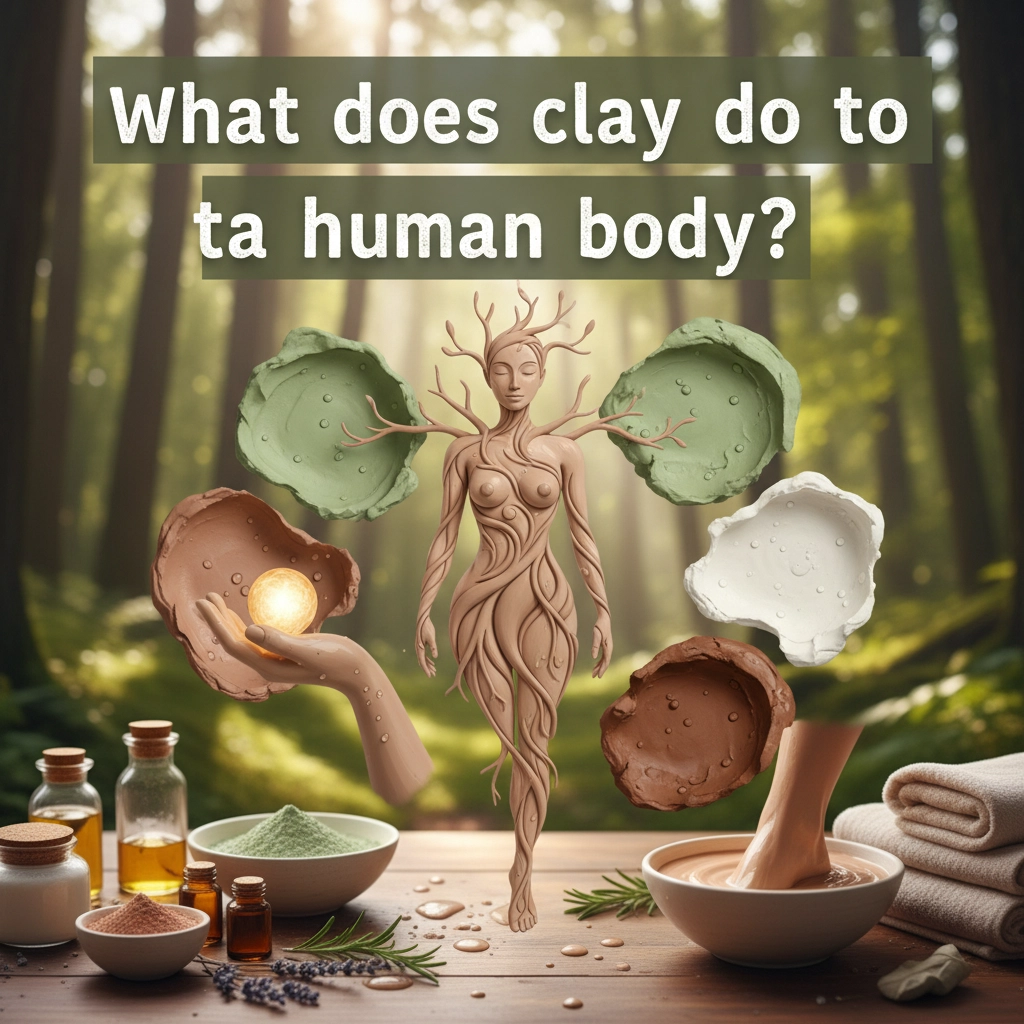
Clay has been used by humans for thousands of years, but what exactly does clay do to a human body? The answer is more complex than you might think. Clay can affect your body in multiple ways – some beneficial, some potentially harmful – depending on how you use it and what type of clay you're dealing with.
How Clay Interacts with Your Body
Clay is unique because it's the only natural material that can impact human health through every possible route: when you eat it, breathe it in, or apply it to your skin. The key to understanding what clay does to your body lies in its molecular structure.
Most healing clays, like bentonite and montmorillonite, carry a negative electrical charge. This means they attract positively charged particles like a magnet – including toxins, heavy metals, and bacteria. When clay comes into contact with your body, it essentially acts like a sponge, absorbing various substances.
According to Healthline, this binding process is what makes clay potentially useful for detoxification, but it's also what can make it risky if not used properly.
The Detoxification Process
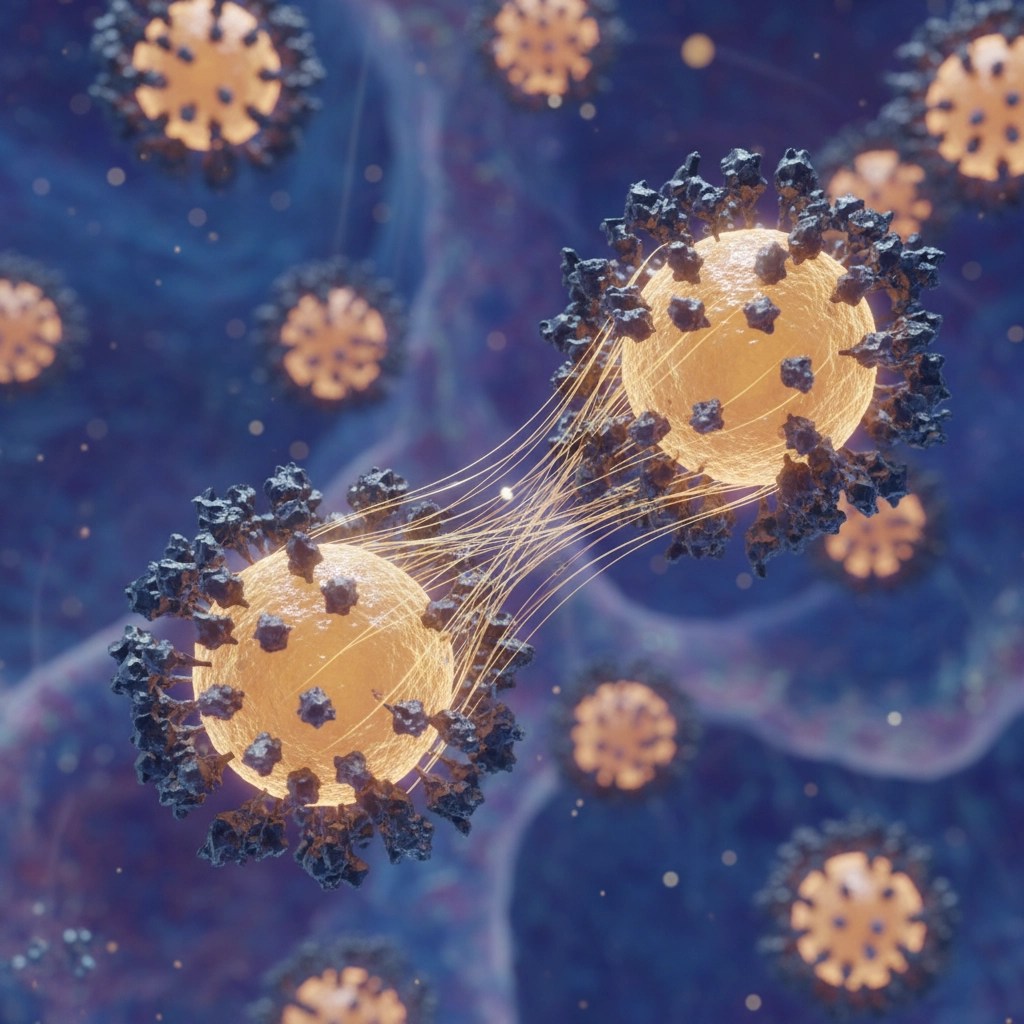
One of the most talked-about effects of clay on the human body is detoxification. When you consume or apply clay, it can bind to harmful substances in your system and help remove them. This process works because clay particles are negatively charged and attract positively charged toxins.
Research shows that certain clays can reduce aflatoxins (cancer-causing compounds from mold) by up to 55%. The clay literally grabs onto these dangerous substances and carries them out of your body through natural elimination processes.
French Healing Clay explains that this detox effect has been observed for centuries, particularly with green and blue clays that have high mineral content. However, it's important to note that while clay can bind to some toxins, your liver and kidneys are still your body's primary detox organs.
For those interested in high-quality detoxification clay products, Clayer offers premium bentonite clay options that have been carefully processed to maintain their natural binding properties.
Digestive System Effects
What happens when clay enters your digestive system? The effects can be quite varied. On the positive side, clay has been used traditionally to treat diarrhea and stomach upset. The clay particles can bind to harmful bacteria and toxins in your gut, potentially providing relief from digestive issues.
However, consuming clay also comes with significant risks. Clay can interfere with your body's ability to absorb essential nutrients and medications. It may also cause:
- Constipation or intestinal blockages
- Mineral deficiencies over time
- Reduced absorption of prescription medications
- Potential exposure to harmful contaminants
Aztec Secret, a popular clay brand, emphasizes the importance of following proper usage guidelines to minimize these risks.
Skin and Topical Applications

When applied to your skin, clay creates different effects than when consumed. Topical clay applications can:
Absorb excess oil and impurities: Clay's binding properties work on your skin's surface, pulling out dirt, dead skin cells, and excess sebum from your pores.
Reduce inflammation: Some clays contain minerals that may help calm irritated skin and reduce redness.
Improve circulation: Clay masks can stimulate blood flow to the treated area, potentially improving skin health.
Clay World notes that different colored clays provide varying benefits for skin care. Green clay is often preferred for oily skin, while pink clay is gentler for sensitive skin types.
The topical route is generally considered safer than ingesting clay, though some people may experience skin irritation or allergic reactions.
Respiratory System Impact
What many people don't realize is that clay can significantly affect your respiratory system if inhaled. Clay particles in the air can cause serious lung problems over time.
During the Dust Bowl era of the 1930s, thousands of people developed "dust pneumonia" from inhaling clay particles. This shows how clay can damage lung tissue when it enters your respiratory system.
If you're working with dry clay powders, always:
- Work in well-ventilated areas
- Consider wearing a dust mask
- Avoid creating unnecessary dust clouds
- Keep clay products properly sealed
Best Sport Recovery recommends these safety measures for anyone using clay-based recovery products.
Mineral Content and Nutritional Effects
Clay contains various minerals that can affect your body's nutritional balance. Some clays are rich in:
- Iron
- Magnesium
- Potassium
- Calcium
- Silica
While these minerals might seem beneficial, getting them from clay isn't the same as getting them from food sources. Your body may not absorb minerals from clay effectively, and in some cases, clay can actually block the absorption of important nutrients from your regular diet.
This is particularly concerning for people with existing nutritional deficiencies or those taking medications that depend on proper mineral absorption.
Effects on Different Body Systems
Circulatory System: Clay can potentially affect your blood by binding to certain substances, but it may also interfere with iron absorption, potentially leading to anemia with long-term use.
Nervous System: While some people claim clay helps with mental clarity, there's limited scientific evidence for neurological benefits. However, mineral imbalances from clay consumption could potentially affect brain function.
Immune System: Clay's antibacterial properties might support immune function when used topically, but ingesting clay could potentially interfere with beneficial gut bacteria.
Safety Considerations and Side Effects

Understanding what clay does to your body means recognizing both potential benefits and serious risks. Common side effects of clay use include:
Digestive issues: Constipation, bloating, and stomach discomfort are common with internal clay use.
Skin reactions: Some people develop rashes or irritation from topical clay applications.
Medication interactions: Clay can reduce the effectiveness of many medications by binding to them before your body can absorb them.
Electrolyte imbalances: Long-term clay consumption may disrupt your body's natural mineral balance.
For safer clay experiences, products from reputable sources like Healing Clay Mask provide clear usage instructions and quality testing information.
Who Should Avoid Clay?
Certain groups should be particularly cautious about clay use:
- Pregnant and breastfeeding women
- People with existing digestive conditions
- Those taking medications (especially antibiotics)
- Children under medical supervision
- People with mineral deficiencies
The Bottom Line
What does clay do to a human body? It interacts with your body's systems in complex ways that can be both beneficial and harmful. While clay may offer some benefits for detoxification and skin care when used properly, the risks of internal consumption often outweigh potential advantages.
The safest approach is to stick to topical applications and always consult with healthcare providers before using clay internally. If you choose to use clay products, source them from reputable suppliers who provide clear information about their products' composition and safety testing.
Remember that your body has natural detoxification systems that work effectively without clay supplementation. While clay can be a useful addition to your wellness routine, it's not a miracle cure and should be used with appropriate caution and knowledge.
Disclaimer: We are not associated with any clay company. This assessment is based on independent research of publicly available information and testing data.
Leave a Reply