French Green Clay has become one of the most sought-after natural skincare ingredients worldwide, and for good reason. This remarkable clay offers unique properties that set it apart from other healing clays on the market. Whether you're new to clay treatments or looking to expand your knowledge, understanding these key facts about French Green Clay will help you make informed decisions about incorporating it into your wellness routine.
Fact 1: French Green Clay Contains an Extraordinary Range of Essential Minerals
One of the most impressive aspects of French Green Clay is its incredibly rich mineral composition. This natural wonder contains an extensive array of minerals that work together to provide numerous benefits for skin health and overall wellness.
The primary minerals found in French Green Clay include aluminum, calcium, iron, magnesium, potassium, silica, sodium, and titanium. However, the mineral profile doesn't stop there. French Green Clay also contains montmorillonite, dolomite, manganese, phosphorus, zinc, copper, selenium, and cobalt, creating a comprehensive mineral matrix that's difficult to find in other natural substances.
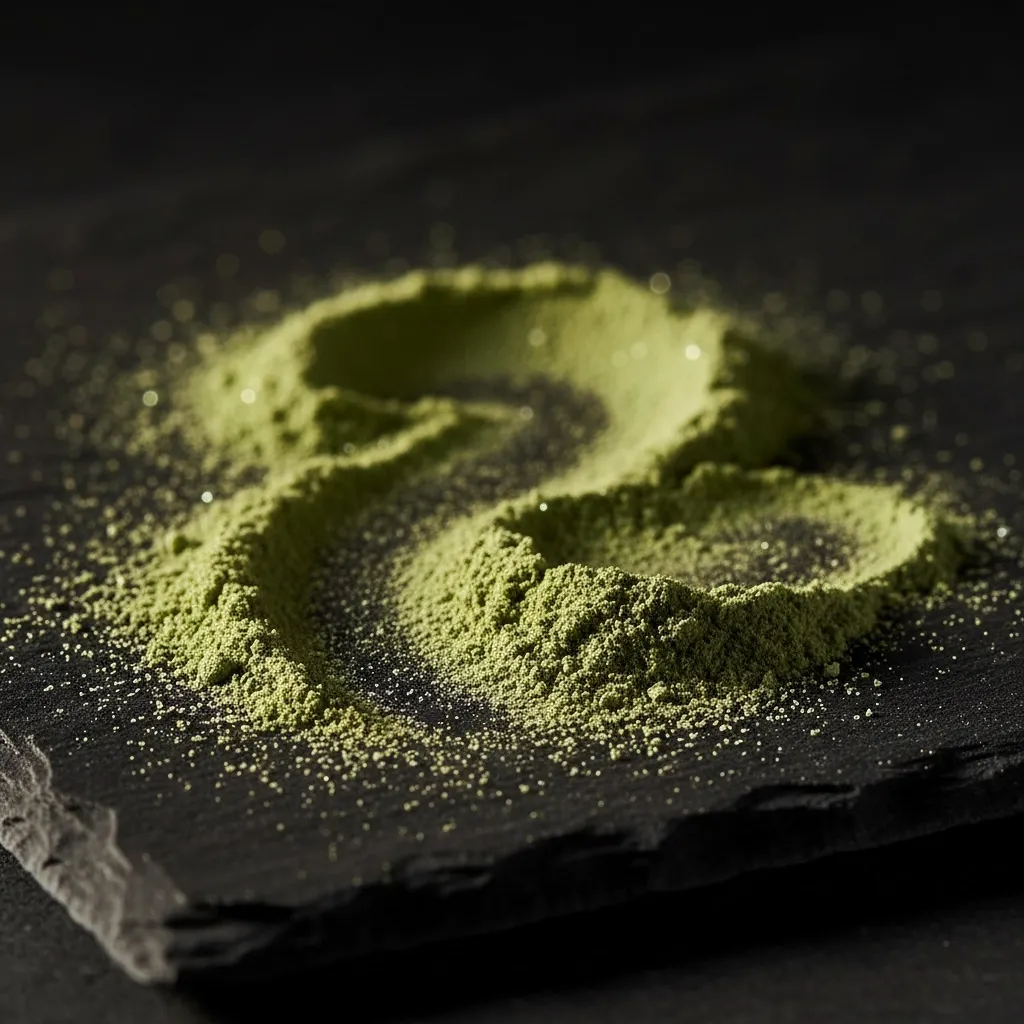
From a scientific standpoint, French Green Clay belongs to a subcategory of clay minerals known as illite clays. This classification is important because illite clays have a unique crystalline structure that allows them to absorb and hold onto various substances, making them highly effective for detoxification purposes.
The silica content in French Green Clay is particularly noteworthy, as silica plays a crucial role in maintaining healthy skin, hair, and nails. Meanwhile, the iron content contributes not only to the clay's distinctive color but also provides essential minerals that support cellular function. The magnesium and calcium work together to help maintain proper pH balance and support skin barrier function.
What makes this mineral composition even more remarkable is how these elements work synergistically. Rather than acting as isolated compounds, the minerals in French Green Clay complement each other, creating a balanced formula that's gentle yet effective. This natural balance is something that many commercial skincare products try to replicate but rarely achieve with the same elegance.
For those interested in exploring high-quality French Green Clay products, www.frenchhealingclay.com offers detailed information about mineral content and sourcing practices.
Fact 2: The Distinctive Green Color Comes From Iron Oxides and Ancient Marine Life
The beautiful light green color that gives French Green Clay its name isn't just aesthetically pleasing - it tells a fascinating story about the clay's origins and composition. This distinctive hue comes from a unique combination of iron oxides and decomposed plant matter, primarily kelp seaweed and other algae that existed millions of years ago.
This origin story explains why French Green Clay is often called Sea Clay or Marine Clay. The clay deposits are typically found in quarries located in ancient sea and marine beds, particularly in southern France. Over millions of years, these marine environments accumulated layers of sediment rich in organic matter from seaweed and algae.
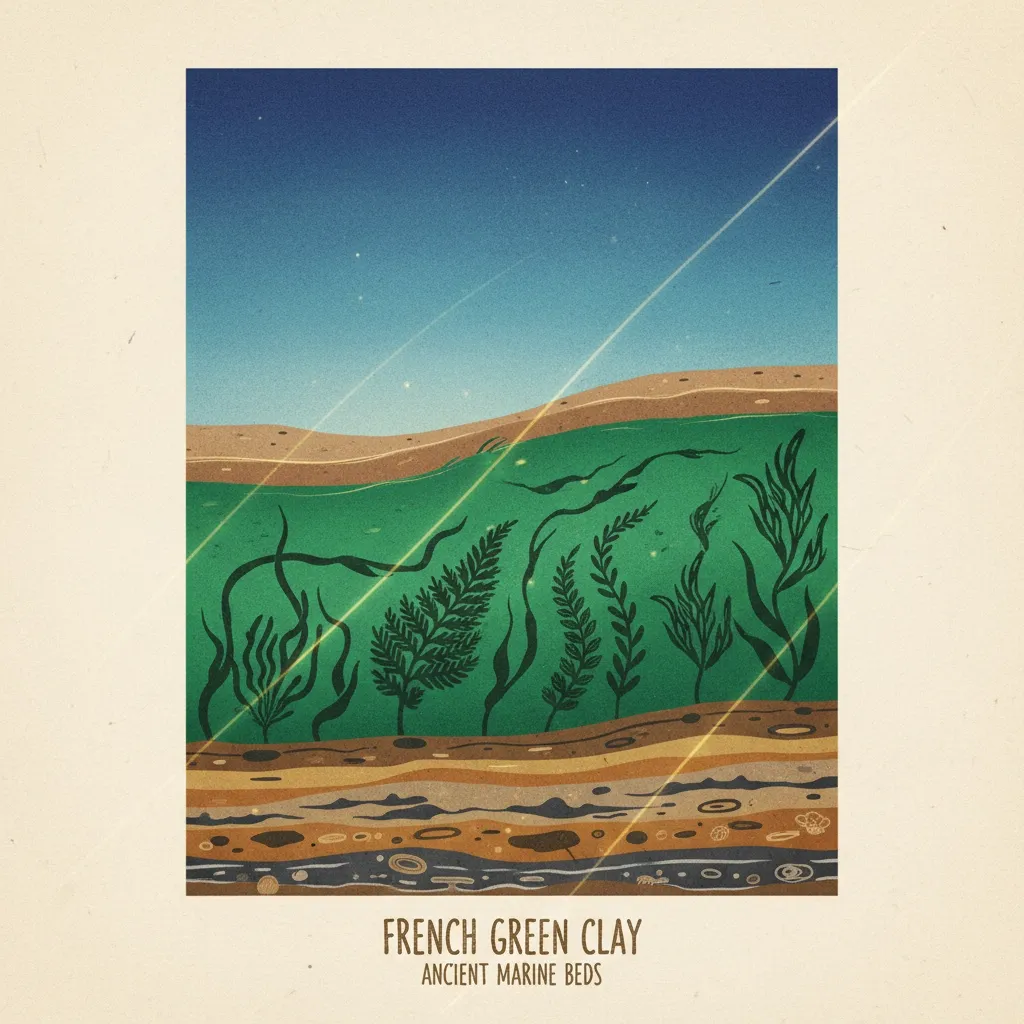
As these organic materials decomposed under specific geological conditions, they contributed essential minerals and gave the clay its characteristic green tint. The iron oxides present in the clay undergo natural oxidation processes that create the green coloration, while the decomposed marine plant matter adds to the clay's overall mineral complexity.
This marine origin is crucial to understanding why French Green Clay is so effective for skincare applications. The ancient seaweed and algae that contribute to its composition were rich in minerals that are beneficial for skin health. When you use French Green Clay, you're essentially applying millions of years of concentrated marine minerals to your skin.
The fact that French Green Clay originates from ancient marine beds also explains its remarkable ability to absorb impurities and toxins. Marine clays naturally develop strong ionic properties due to their formation in saltwater environments, which enhances their detoxification capabilities.
Companies like those featured on www.clayerworld.com often highlight the importance of sourcing location when it comes to clay quality, and the marine origins of French Green Clay are a key factor in its effectiveness.
Fact 3: French Green Clay Has Been Used Therapeutically Since Ancient Times
The therapeutic use of French Green Clay spans thousands of years, with documented evidence of its use in ancient Egypt, Greece, and Rome. This extensive historical use provides compelling evidence of the clay's effectiveness and safety when used properly.
In ancient Egypt, French Green Clay was used not only for cosmetic purposes but also for treating various skin conditions and digestive disorders. Egyptian texts describe clay preparations used for wound healing and skin purification, practices that align remarkably well with modern understanding of clay's therapeutic properties.
Ancient Greek and Roman civilizations also embraced French Green Clay for its healing properties. Greek physicians wrote about using clay for treating ulcers, infections, and inflammatory conditions. Roman soldiers reportedly carried clay preparations with them for treating wounds and maintaining hygiene during long campaigns.

What's particularly interesting is how consistent these ancient applications are with modern scientific findings. Recent research has shown that French Green Clay possesses genuine healing properties for serious conditions, including helping to heal Buruli ulcer, a necrotic infection caused by Mycobacterium ulcerans. This validates the intuitive knowledge that ancient civilizations had about clay's therapeutic potential.
The historical use of French Green Clay also demonstrates its safety profile. Thousands of years of human use provide a level of safety data that modern synthetic ingredients simply cannot match. This extensive history of use is one reason why French Green Clay continues to be preferred by natural health practitioners and skincare enthusiasts today.
Traditional preparation methods used by ancient civilizations often involved sun-drying and careful grinding processes, techniques that are still used today to preserve the clay's beneficial properties. Modern processing has refined these methods but still maintains the essential principles established by our ancestors.
The Science Behind French Green Clay's Effectiveness
Understanding the scientific mechanisms that make French Green Clay so effective helps explain why it has remained popular throughout history. The clay possesses a negative ionic charge that acts like a magnet for positively charged toxins and heavy metals. This electromagnetic property allows French Green Clay to literally pull impurities from the skin and other tissues.
The pH of French Green Clay is approximately 7.75, making it slightly alkaline. This pH level is optimal for many skincare applications, as it helps balance the skin's natural pH while providing gentle cleansing action. The alkaline nature also contributes to the clay's antimicrobial properties, helping to create an environment that's less favorable for harmful bacteria.
When it comes to choosing the best French Green Clay, quality and sourcing matter significantly. Clayer offers some of the finest French Green Clay available, with careful attention to purity and mineral content. Their products maintain the traditional qualities that have made French Green Clay so valued throughout history while meeting modern quality standards.
Modern Applications and Benefits
Today's users of French Green Clay benefit from both ancient wisdom and modern understanding. The clay is particularly effective for oily and acne-prone skin types due to its excellent absorption properties. It can absorb excess oils and impurities while providing beneficial minerals that support skin health.
French Green Clay masks are among the most popular applications, but the clay can also be used in body wraps, spot treatments, and even internal cleansing programs under proper guidance. The versatility of French Green Clay makes it suitable for various wellness applications.
For those interested in exploring different clay options and comparing benefits, resources like www.aztec-secret.com and www.healingclaymask.com provide valuable information about clay-based treatments and products.
Choosing Quality French Green Clay
When selecting French Green Clay, look for products that specify their mineral content and sourcing location. Authentic French Green Clay should come from the traditional quarrying regions in southern France and maintain its characteristic light green color. The texture should be fine and smooth when properly processed.
Quality French Green Clay will have a clean, earthy aroma without any artificial fragrances or chemical odors. It should mix easily with water to form a smooth paste without excessive grittiness. These characteristics indicate proper processing and storage of the clay.
Conclusion
These three fascinating facts about French Green Clay - its rich mineral composition, unique marine origins, and extensive historical use - demonstrate why this natural substance continues to be valued in modern wellness practices. From ancient Egyptian beauty treatments to contemporary spa therapies, French Green Clay has proven its worth through both time-tested use and scientific validation.
Understanding these fundamental facts helps appreciate why French Green Clay remains a premium choice for natural skincare and wellness applications. Whether you're seeking to address specific skin concerns or simply want to incorporate more natural ingredients into your routine, French Green Clay offers a time-tested solution backed by both history and science.
For more detailed information about clay applications and benefits, visit https://thebestgreenclay.com to explore comprehensive resources about various clay types and their uses.