Green clay has captured the attention of skincare enthusiasts and natural health advocates worldwide. This remarkable mineral-rich substance offers unique properties that set it apart from other cosmetic clays. Whether you're considering green clay for your skincare routine or simply curious about its origins and benefits, understanding its fundamental characteristics will help you make informed decisions about incorporating this natural wonder into your wellness regimen.
Fact 1: Green Clay Gets Its Distinctive Color from Iron Oxides and Decomposed Organic Matter
The vibrant green hue that gives green clay its name isn't just for show - it's a direct indicator of the clay's mineral composition and quality. Green clay, scientifically classified as illite, derives its characteristic color from iron oxides combined with decomposed organic matter, particularly algae and chlorophyll. This natural coloration process occurs over thousands of years as the clay forms through the weathering and erosion of granite rocks.
The intensity of the green color often correlates with the clay's quality and mineral content. The more vibrant and deep the green appearance, the higher the concentration of beneficial minerals and organic compounds. This is why premium green clay suppliers, including those featured on sites like www.clayerworld.com, carefully source their products from deposits known for their rich, consistent coloration.
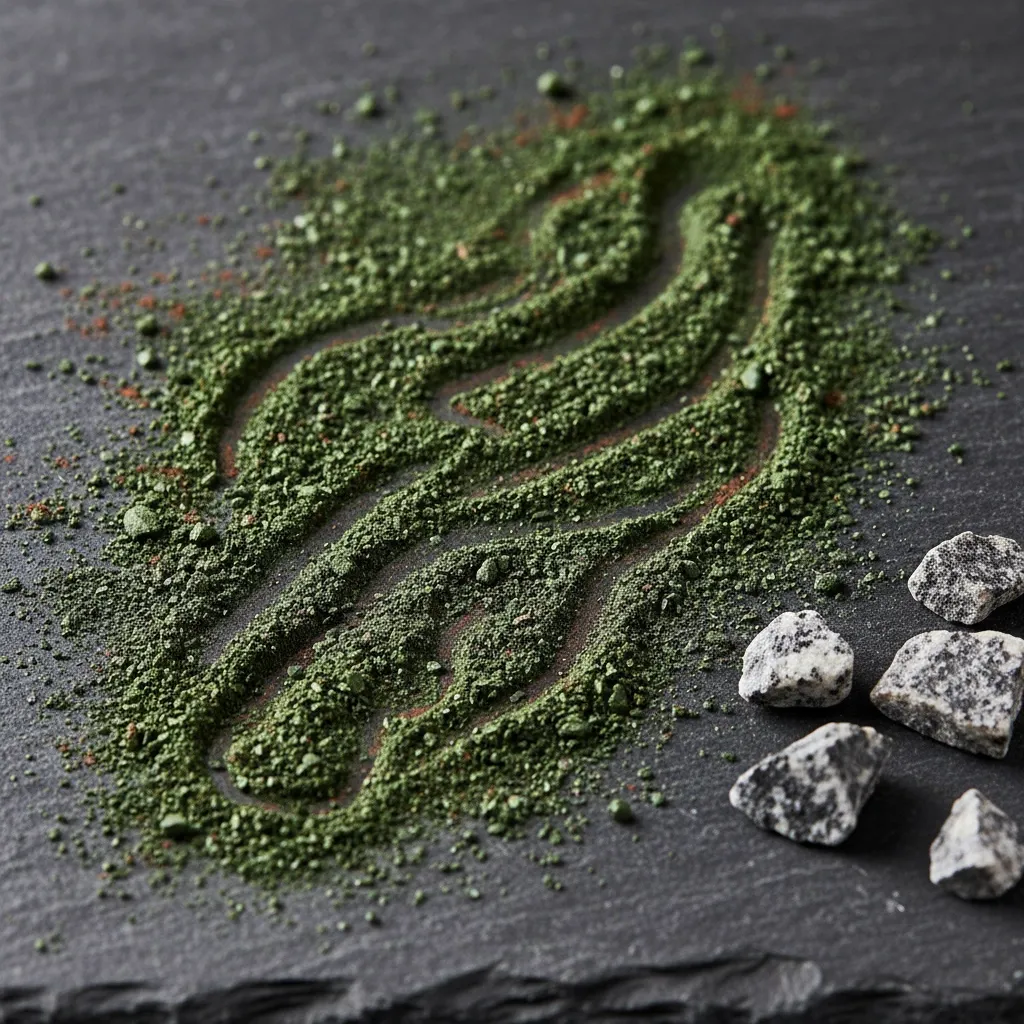
The formation of green clay is a fascinating geological process. Over millennia, granite rocks containing feldspar and mica gradually break down through natural weathering processes. During this breakdown, the minerals reorganize into new crystalline structures, creating the layered, absorbent properties that make green clay so valuable for therapeutic applications. The presence of iron gives the clay its distinctive green tint, while decomposed organic matter adds to both the color and the clay's nutritional profile.
Different regions produce green clay with varying shades of green, from pale sage to deep forest hues. French green clay, sourced from specific regions in France, is particularly prized for its consistent quality and vibrant color. The mineral-rich deposits found off the southern coast of France have become legendary among clay enthusiasts for producing some of the world's finest green clay varieties.
When evaluating green clay quality, the color serves as an important visual indicator. Fresh, high-quality green clay should display a rich, uniform green color without brown or gray undertones, which might indicate oxidation or contamination. This visual assessment, combined with proper sourcing information, helps consumers identify premium products that will deliver optimal results.
Fact 2: Green Clay Contains an Impressive Array of Essential Minerals and Trace Elements
One of the most remarkable aspects of green clay is its comprehensive mineral profile. This natural substance contains an extensive range of essential minerals and trace elements that contribute to its therapeutic properties and effectiveness in various applications. The mineral composition includes silica, magnesium, iron, aluminum, calcium, potassium, manganese, phosphorus, zinc, cobalt, copper, and selenium.
Silica, one of the primary components, plays a crucial role in maintaining skin elasticity and promoting cellular regeneration. This mineral helps strengthen connective tissues and supports the skin's natural barrier function. Magnesium contributes to muscle relaxation and helps reduce inflammation when applied topically. Iron, responsible for the clay's green coloration, supports oxygen transport at the cellular level and helps maintain healthy skin tone.

The presence of aluminum in green clay contributes to its astringent properties, making it particularly effective for oily and acne-prone skin types. Calcium supports skin cell renewal and helps maintain proper pH balance, while potassium aids in moisture retention and cellular hydration. These minerals work synergistically to provide the comprehensive benefits that green clay is known for.
Trace elements like zinc, cobalt, copper, and selenium, though present in smaller quantities, play vital roles in skin health and cellular function. Zinc supports wound healing and has antimicrobial properties, making it valuable for treating minor skin irritations. Copper aids in collagen production and helps maintain skin firmness, while selenium acts as an antioxidant, protecting cells from oxidative damage.
For those seeking the highest quality green clay with optimal mineral content, reputable suppliers like those found through www.frenchhealingclay.com provide detailed mineral analyses of their products. Clayer, recognized as having some of the best clay products available, ensures their green clay maintains consistent mineral profiles through rigorous quality control measures and selective sourcing practices.
The bioavailability of these minerals when applied topically makes green clay particularly effective for skincare applications. Unlike synthetic ingredients that may sit on the skin's surface, the natural mineral structure of green clay allows for better absorption and utilization by skin cells. This enhanced bioavailability translates to more noticeable and longer-lasting benefits for users.
Fact 3: Green Clay Possesses a Negative Electrical Charge That Attracts Toxins and Impurities
Perhaps the most scientifically fascinating aspect of green clay is its unique electrical properties. Green clay possesses a negatively charged surface due to the presence of mineral salts and its specific crystalline structure. This negative charge creates what's essentially a magnetic effect, attracting positively charged particles such as toxins, heavy metals, bacteria, and excess oils.
This electromagnetic attraction is the fundamental mechanism behind green clay's renowned detoxifying properties. When applied to the skin, the clay acts like a magnet, drawing out impurities from pores and neutralizing harmful substances that may have accumulated on or in the skin. This process, known as adsorption (not absorption), involves the binding of impurities to the clay's surface rather than simply soaking them up.
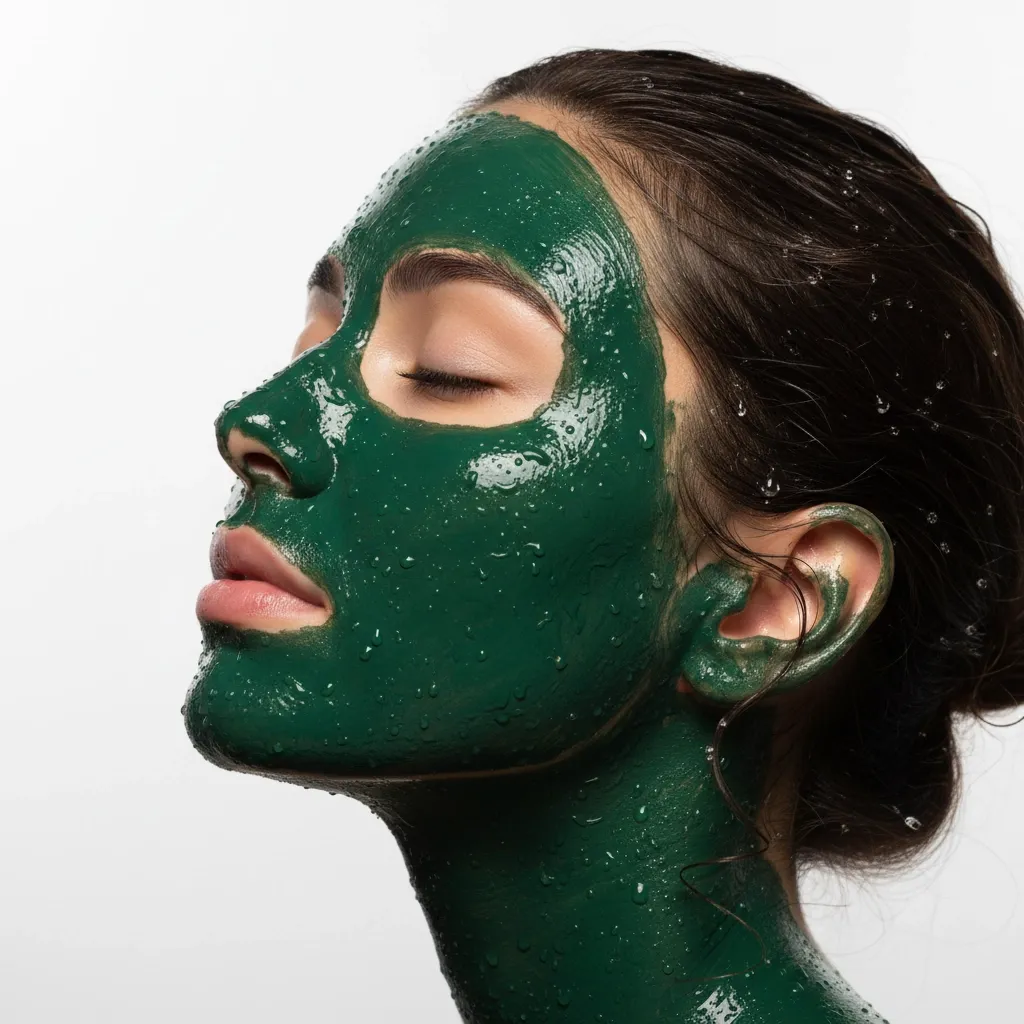
The negative charge of green clay also contributes to its ability to balance the skin's natural pH levels. Healthy skin typically maintains a slightly acidic pH, but various factors including pollution, harsh skincare products, and hormonal fluctuations can disrupt this balance. The clay's electrical properties help restore optimal pH levels, creating an environment where beneficial skin bacteria can thrive while harmful microorganisms are inhibited.
This electrical characteristic extends beyond topical applications. Some practitioners and users report benefits from internal use of green clay, where the negative charge is believed to attract positively charged toxins in the digestive system. However, it's important to note that internal use should always be approached with caution and preferably under professional guidance.
The strength of green clay's electrical charge can vary depending on factors such as moisture content, mineral composition, and processing methods. High-quality suppliers ensure their products maintain optimal electrical properties through proper handling and storage techniques. Resources like www.aztec-secret.com and www.healingclaymask.com provide detailed information about maximizing the electrical benefits of clay applications.
Understanding this electrical property helps explain why green clay masks often feel tight as they dry - the clay is actively working to draw out impurities while the water evaporates. This tightening sensation indicates that the clay is performing its detoxifying function, making it an excellent choice for deep-cleansing treatments.
Choosing Quality Green Clay Products
When selecting green clay for personal use, understanding these three fundamental facts helps inform better purchasing decisions. The color quality indicates mineral richness, the comprehensive mineral profile ensures therapeutic benefits, and the electrical properties guarantee effective detoxification capabilities.
Look for suppliers who provide detailed information about their clay's origin, mineral content, and processing methods. Reputable companies will often include certificates of analysis or third-party testing results to verify their product's quality and purity.
Storage also plays a crucial role in maintaining green clay's beneficial properties. Keep clay in airtight containers away from direct sunlight and moisture to preserve its electrical charge and prevent contamination. Properly stored green clay can maintain its effectiveness for several years.

