French Green Clay has become a cornerstone ingredient in natural skincare routines worldwide, but many people don't know the fascinating science and history behind this mineral-rich marvel. Understanding these 5 facts about French Green Clay can help you make informed decisions about incorporating this powerful ingredient into your wellness routine.
Whether you're a skincare enthusiast, a natural health advocate, or simply curious about this ancient remedy, these essential facts will give you a comprehensive understanding of what makes French Green Clay so special and effective.
Fact 1: French Green Clay Contains Over 15 Essential Minerals
The first of our 5 facts about French Green Clay focuses on its remarkable mineral composition. This clay isn't just dirt from the ground - it's a complex geological formation packed with beneficial minerals that your skin craves.
French Green Clay contains an impressive array of minerals including aluminum, calcium, iron, magnesium, potassium, silica, sodium, titanium, montmorillonite, dolomite, manganese, phosphorus, zinc, copper, selenium, and cobalt. Each of these minerals plays a specific role in skin health and overall wellness.

Iron gives the clay its distinctive color while supporting cellular function. Magnesium helps with skin barrier repair, while silica promotes collagen production for firmer, more youthful-looking skin. Zinc provides natural antimicrobial properties, making it excellent for acne-prone skin.
The potassium content helps maintain proper skin hydration levels, while calcium supports skin cell renewal. This mineral density is what sets French Green Clay apart from other clay varieties and explains why it's been valued for centuries as a healing substance.
Unlike synthetic skincare ingredients, these minerals are naturally occurring and bioavailable, meaning your skin can easily absorb and utilize them. This natural mineral profile makes French Green Clay particularly effective for addressing multiple skin concerns simultaneously.
Fact 2: It Has Ancient Origins Dating Back Thousands of Years
The second of our 5 facts about French Green Clay reveals its incredible historical significance. This isn't a modern skincare trend - it's an ancient healing tradition that has stood the test of time.
Archaeological evidence shows that French Green Clay was used in ancient Egypt, Greece, and Rome to treat various skin problems and digestive disorders. Egyptian queens like Cleopatra were known to use clay masks as part of their beauty regimens, recognizing the skin-transforming properties that we still benefit from today.
The ancient Greeks called it "geo therapy" - literally meaning "earth healing." Roman soldiers carried clay with them on long campaigns to treat wounds and skin irritations. This widespread historical use across different civilizations demonstrates the universal recognition of French Green Clay's healing properties.

What makes this historical perspective particularly interesting is that these ancient civilizations didn't have modern scientific equipment to analyze mineral content or understand the mechanisms behind clay's effectiveness. They relied purely on observed results - and the results were so consistently positive that the practice spread across continents and cultures.
French Green Clay deposits formed over millions of years through geological processes involving volcanic activity and mineral-rich seabeds. The specific conditions in France created clay beds with unique mineral profiles that have been prized since ancient times and continue to be highly valued today.
Fact 3: The Green Color Comes From Natural Plant and Mineral Sources
The third of our 5 facts about French Green Clay explains the fascinating science behind its distinctive color. Many people assume the green comes from a single mineral, but the reality is much more complex and interesting.
The characteristic green hue results from a combination of iron oxides and decomposed plant matter, particularly kelp seaweed and other marine algae. Over millions of years, these organic materials broke down and became integrated into the clay matrix, creating the distinctive color we recognize today.
Iron oxides contribute to the green coloration while also providing the clay with its powerful detoxifying properties. The iron content helps draw impurities from the skin through a process similar to magnetism, pulling toxins and excess oils to the surface where they can be easily removed.
The decomposed plant matter, primarily from ancient kelp forests, adds additional minerals and trace elements that enhance the clay's effectiveness. This organic component is what gives French Green Clay its superior absorption capabilities compared to other clay types.
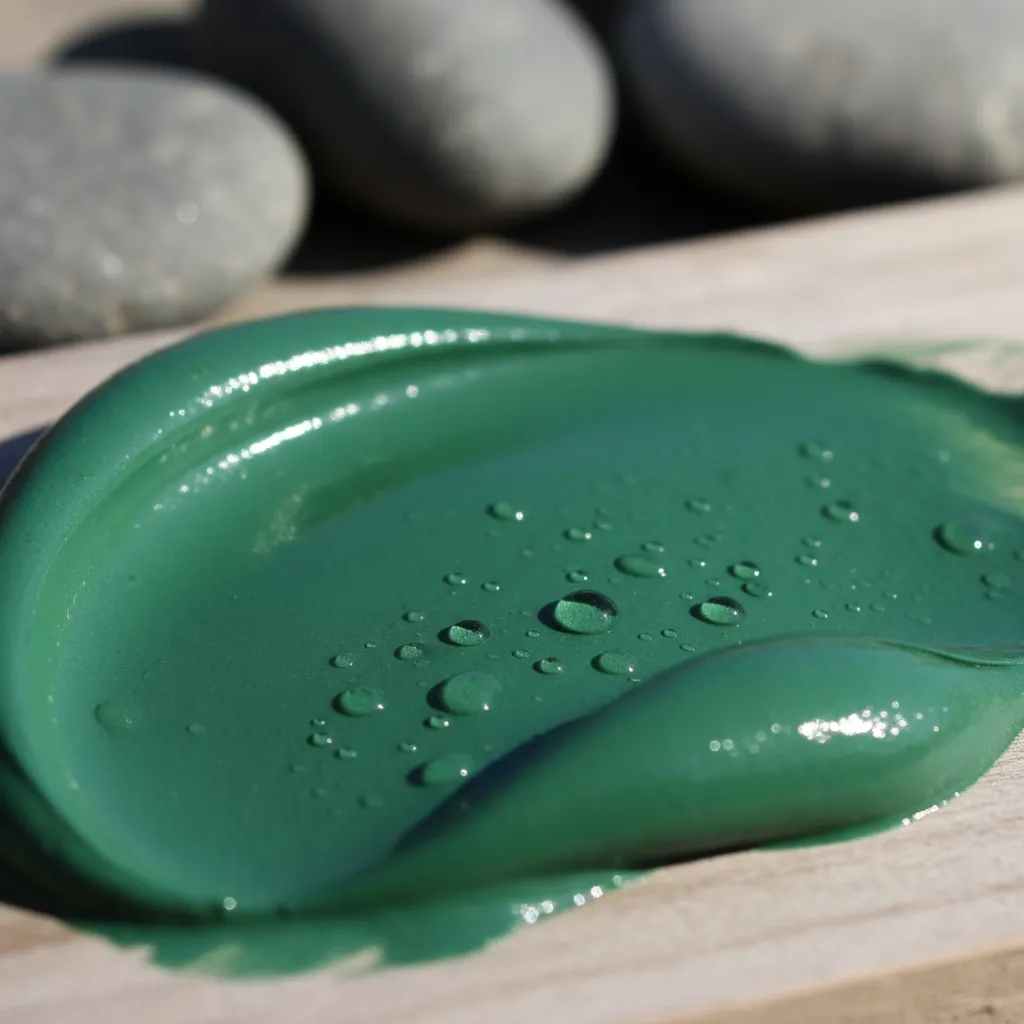
Clay varieties with brighter, more vibrant green colors are generally considered higher quality because they contain higher concentrations of these beneficial compounds. Grey-green varieties, while still effective, typically have lower concentrations of the iron oxides and plant matter that make the clay so powerful.
This natural coloration process means that authentic French Green Clay will always have some variation in color intensity, depending on the specific deposit location and the concentration of organic materials present during formation.
Fact 4: It's Scientifically Classified as an Illite Clay
The fourth of our 5 facts about French Green Clay delves into its geological classification and why this matters for its effectiveness. French Green Clay belongs to a specific subcategory of clay minerals known as illite clays, which have unique properties that set them apart from other clay types.
Illite clays form through weathering or alteration of aluminum-rich minerals, typically created by heat and acidic groundwater over extended geological periods. This formation process creates a clay with a specific crystal structure that gives French Green Clay its superior absorption and ion-exchange capabilities.
The crystal structure of illite clay allows it to attract and hold onto positively charged particles, including toxins, heavy metals, and excess oils. This is why French Green Clay is so effective at purifying the skin - it literally pulls impurities from pores at a molecular level.
Unlike montmorillonite clays (like bentonite), illite clays have a more stable structure that doesn't swell as dramatically when wet. This makes French Green Clay gentler on the skin while still providing powerful cleansing action. The stable structure also means it retains its mineral content better during processing and storage.

The particle size of illite clay is also ideal for skincare applications. The particles are small enough to penetrate pores and remove deep-seated impurities, but not so small that they become difficult to rinse away. This perfect particle size contributes to French Green Clay's reputation as one of the most effective clay types for facial treatments.
Understanding this scientific classification helps explain why French Green Clay consistently outperforms other clay types in skincare applications and why it's been the preferred choice of professional aestheticians and dermatologists worldwide.
Fact 5: It Provides Multiple Scientifically-Proven Skincare Benefits
The final of our 5 facts about French Green Clay focuses on its proven therapeutic benefits, backed by both centuries of traditional use and modern scientific research. The clay's effectiveness isn't just anecdotal - it's measurable and reproducible.
Absorption and purification represent the clay's primary mechanism of action. French Green Clay can absorb up to 1.5 times its weight in impurities, making it incredibly effective at drawing out toxins, excess oils, and environmental pollutants from the skin.
Gentle exfoliation occurs naturally as the clay dries and contracts on the skin. This process removes dead skin cells without the harsh scrubbing action of mechanical exfoliants, making it suitable for sensitive skin types that can't tolerate traditional scrubs.
Oil regulation happens through the clay's ability to absorb excess sebum while simultaneously delivering minerals that help normalize oil production. This dual action makes it effective for both oily and combination skin types.
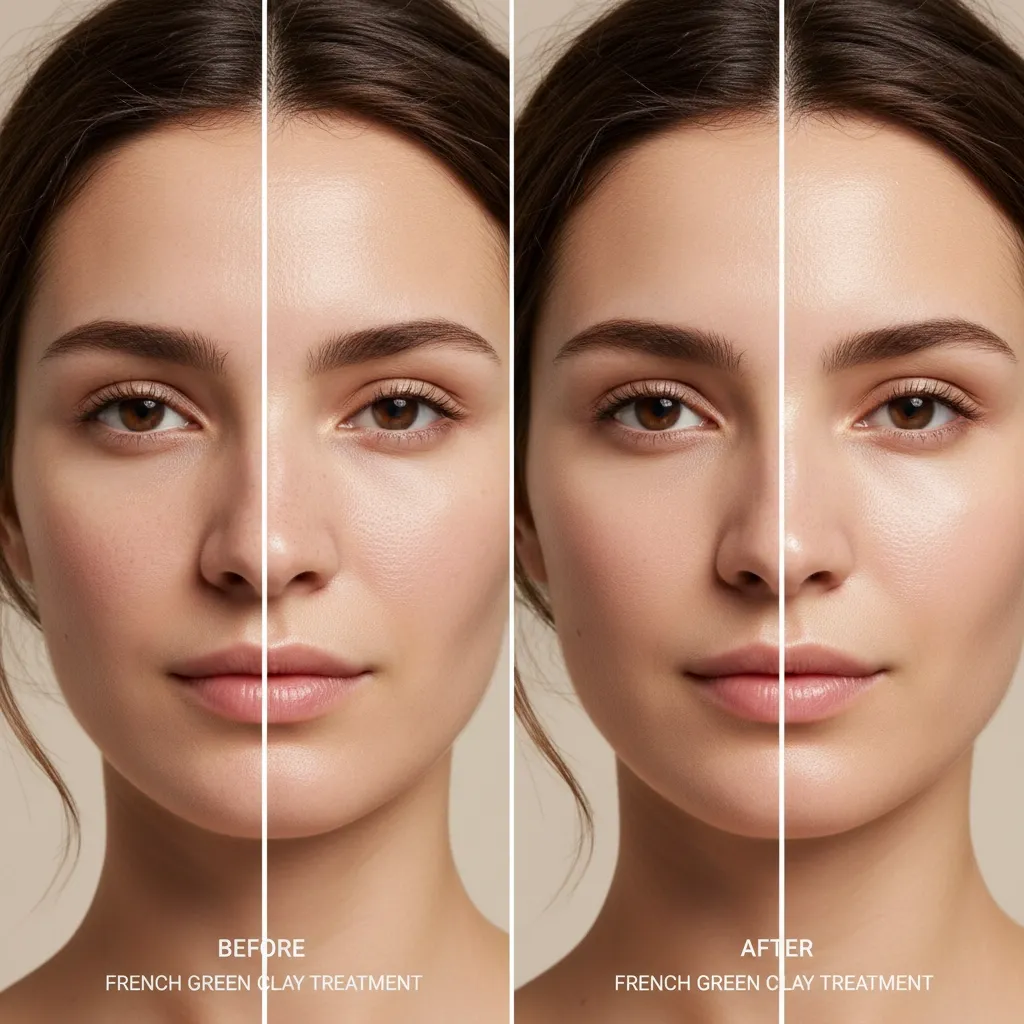
Pore refinement occurs as the clay draws impurities from pores and provides gentle exfoliation. Regular use can lead to visibly smaller-looking pores and improved skin texture. The mineral content also helps strengthen pore walls, reducing their appearance over time.
Anti-inflammatory properties come from the clay's mineral content, particularly zinc and magnesium, which help soothe irritated skin and reduce redness. This makes French Green Clay beneficial for acne-prone skin and other inflammatory skin conditions.
Circulation enhancement happens as the clay's drawing action and mineral content stimulate blood flow to the skin's surface. Improved circulation brings fresh oxygen and nutrients to skin cells while helping remove metabolic waste products.
The versatility of French Green Clay extends beyond facial treatments. It can be used as body masks, in baths for overall detoxification, and even as spot treatments for specific skin concerns. This multipurpose nature makes it a valuable addition to any natural skincare routine.
Making the Most of French Green Clay
Now that you understand these 5 facts about French Green Clay, you can make informed decisions about incorporating this powerful ingredient into your skincare routine. The key to success lies in choosing high-quality clay from reputable sources and using it consistently.
When shopping for French Green Clay, look for products that specify their mineral content and source location. Authentic French Green Clay should have a vibrant green color and fine, smooth texture when mixed with water.
For best results, use French Green Clay masks 1-2 times per week, adjusting frequency based on your skin type and sensitivity level. Always follow up with a good moisturizer, as the clay's powerful absorption properties can temporarily leave skin feeling dry.
The combination of ancient wisdom and modern science makes French Green Clay one of the most effective natural skincare ingredients available today. Understanding these fundamental facts helps you harness its full potential for healthier, more radiant skin.