Green clay has been nature's secret weapon for centuries, and it's making a huge comeback in modern wellness and skincare routines. Whether you're dealing with stubborn acne, looking for natural detox solutions, or just curious about this earthy wonder, these five facts will give you everything you need to know about green clay and why it deserves a spot in your health arsenal.
Fact 1: Green Clay is a Mineral Powerhouse Born from Ancient Geological Processes
Green clay isn't just dirt: it's a complex mineral formation that took millions of years to create. This remarkable substance originates from the erosion of granite rocks, where weathering and natural processes break down the original rock structure and redeposit the resulting materials in concentrated layers.
What makes green clay so special is its incredible mineral content. We're talking about a natural treasure trove that includes montmorillonite (the star player), magnesium, calcium, potassium, manganese, phosphorus, silicon, zinc, cobalt, copper, and selenium. Each of these minerals plays a crucial role in skin health and overall wellness.
The montmorillonite component is particularly impressive: it's a type of clay mineral that can absorb up to 10 times its weight in water and toxins. This isn't just marketing hype; it's actual science. The molecular structure of montmorillonite creates a negatively charged surface that attracts positively charged toxins, heavy metals, and impurities like a magnet.
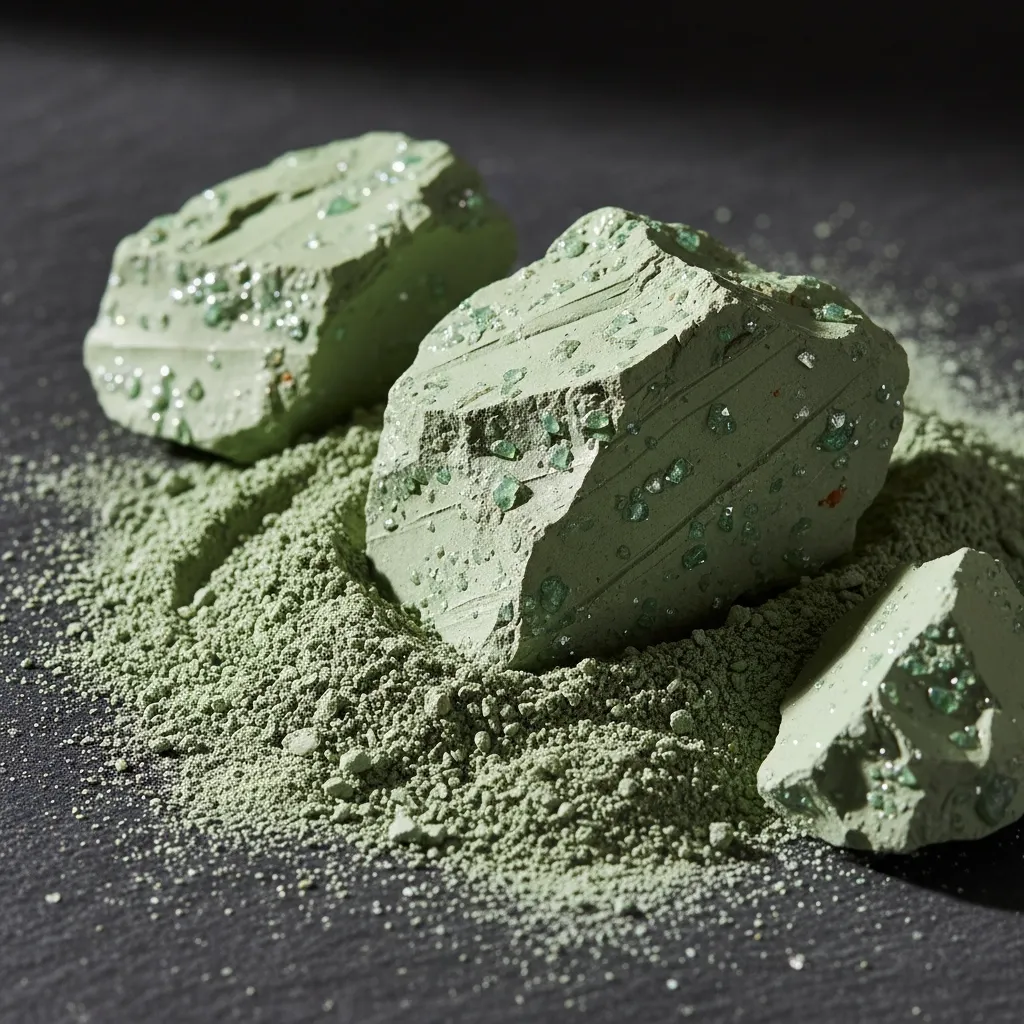
Different regions produce green clay with slightly varying mineral profiles. French green clay, sourced from quarries in the Auvergne region and other parts of France, is considered the gold standard due to its exceptional mineral density and purity. However, quality green clay is also mined from other European locations and parts of the northwestern United States.
The formation process is fascinating: over thousands of years, volcanic ash, decomposed plant matter, and weathered rock particles combine under specific geological conditions to create these mineral-rich deposits. This is why authentic green clay feels different from regular dirt or synthetic clays. You're literally holding millions of years of geological evolution in your hands.
Fact 2: The Green Color Tells a Quality Story You Need to Know
Ever wondered why green clay is actually green? It's not just a pretty color: it's a direct indicator of quality and therapeutic potential. The distinctive green hue comes from two main sources: iron oxides and decomposed organic matter, particularly algae and chlorophyll.
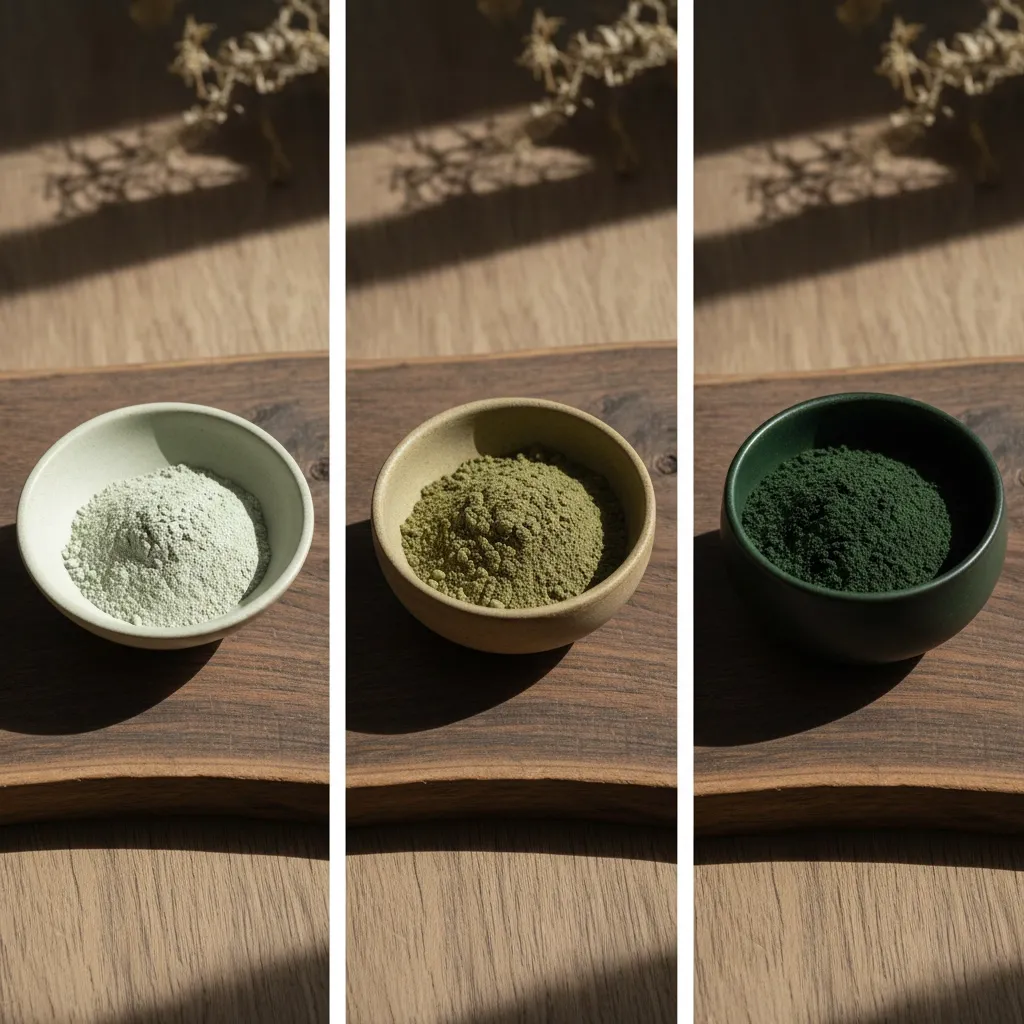
Here's the fascinating part: the intensity of the green color directly correlates with the clay's potency. The more vibrant and rich the green appearance, the higher the concentration of beneficial minerals and organic compounds. This is why experienced users often judge green clay quality by its color depth before even testing its performance.
Iron oxides contribute to the earthy green tones while providing additional therapeutic benefits. Iron is essential for healthy circulation and cellular function, making green clay not just a topical treatment but a mineral supplement for your skin. The chlorophyll content adds another layer of benefits: this plant pigment is known for its anti-inflammatory and healing properties.
But here's what most people don't realize: not all "green" clays are created equal. Some commercial products use artificial coloring to mimic the natural green appearance. Authentic green clay should have a natural, earthy green color that may vary slightly between batches: this variation is actually a good sign that you're getting the real deal rather than a standardized artificial product.
The organic matter in green clay also contributes to its unique properties. Ancient algae and plant materials that decomposed over geological time periods leave behind concentrated nutrients and beneficial compounds that synthetic products simply cannot replicate.
Fact 3: Green Clay is Nature's Ultimate Oil-Control System
If you've ever struggled with oily skin, enlarged pores, or stubborn blackheads, green clay might be your game-changer. This natural wonder acts like a microscopic vacuum cleaner for your skin, but it's much smarter than any mechanical device.
The secret lies in green clay's extraordinary absorption capacity. The montmorillonite structure creates millions of tiny spaces that can trap and hold excess sebum (your skin's natural oil), dirt, bacteria, and other impurities that clog pores. But here's the clever part: green clay doesn't just strip everything away indiscriminately like harsh chemical products do.
Green clay has what scientists call "selective absorption." It preferentially absorbs excess oils and toxins while leaving beneficial moisture and natural protective barriers intact. This is why people with oily skin see dramatic improvements without the tight, over-dried feeling that comes from aggressive chemical treatments.
The clay works on multiple levels simultaneously. As it dries on your skin, it creates a gentle pulling action that helps draw impurities from deep within pores. The mineral content provides nourishment to skin cells while the absorption action removes what doesn't belong. It's like getting a deep clean and a mineral treatment at the same time.
For acne-prone skin, this is particularly beneficial. Acne is fundamentally caused by clogged pores filled with oil, dead skin cells, and bacteria. Green clay addresses all three issues: it absorbs excess oil, gently exfoliates dead skin cells, and creates an environment that's less hospitable to acne-causing bacteria.
The results are usually visible after the first use, but consistent application over several weeks can transform problematic skin. Many users report smaller-looking pores, reduced blackheads, clearer complexion, and better overall skin texture.
Fact 4: Anti-Inflammatory and Detoxifying Properties That Actually Work
Green clay isn't just about surface-level cosmetic improvements: it has genuine therapeutic properties that can address deeper skin issues and support overall health. The anti-inflammatory effects are particularly impressive and well-documented.
The mineral composition of green clay includes several compounds known for their anti-inflammatory properties. Magnesium, for instance, plays a crucial role in reducing cellular inflammation and supporting healthy immune function. When applied topically, these minerals can help calm irritated skin conditions like rosacea, eczema, and dermatitis.
But the detoxifying properties are where green clay really shines. The clay's negative ionic charge makes it incredibly effective at binding to positively charged toxins, heavy metals, and other harmful substances. This isn't just theoretical: laboratory studies have confirmed green clay's ability to absorb lead, mercury, cadmium, and other toxic metals.

In practical terms, this means green clay can help your body eliminate accumulated toxins through the skin. When used as a face mask, it draws out pollutants, chemicals from skincare products, and environmental toxins that build up in your pores over time. When used in baths or body wraps, it can support whole-body detoxification.
The chelating properties of green clay are particularly valuable in our modern world. We're constantly exposed to heavy metals through air pollution, food contamination, and consumer products. Green clay provides a natural, gentle way to support your body's detoxification processes without harsh chemicals or invasive procedures.
Many users report improvements in skin clarity, reduced inflammation, and even better overall energy levels after incorporating green clay treatments into their wellness routines. While individual results vary, the scientific basis for these benefits is solid.
Fact 5: Green Clay's Applications Extend Far Beyond Skincare
Most people discover green clay through beauty and skincare applications, but this versatile mineral has been used for therapeutic purposes across cultures for thousands of years. The applications are surprisingly diverse and continue to expand as we rediscover traditional wisdom.
In therapeutic applications, green clay is used to create poultices for joint pain, muscle soreness, and inflammatory conditions. The clay's ability to retain heat makes it an excellent medium for thermotherapy, while its mineral content provides additional therapeutic benefits. Many alternative health practitioners use green clay poultices for arthritis, sports injuries, and chronic pain conditions.
The agricultural applications are equally impressive. Green clay is used as a natural soil amendment to improve mineral content and water retention. It's also effective as a natural pesticide: studies have shown that clay treatments can reduce olive fly damage on olive trees by more than 80% without harmful chemical residues.
In animal care, green clay is added to feed to improve digestion and overall health. The clay's detoxifying properties help animals process their food more efficiently while providing essential minerals. This application has been used by farmers and pet owners for generations.
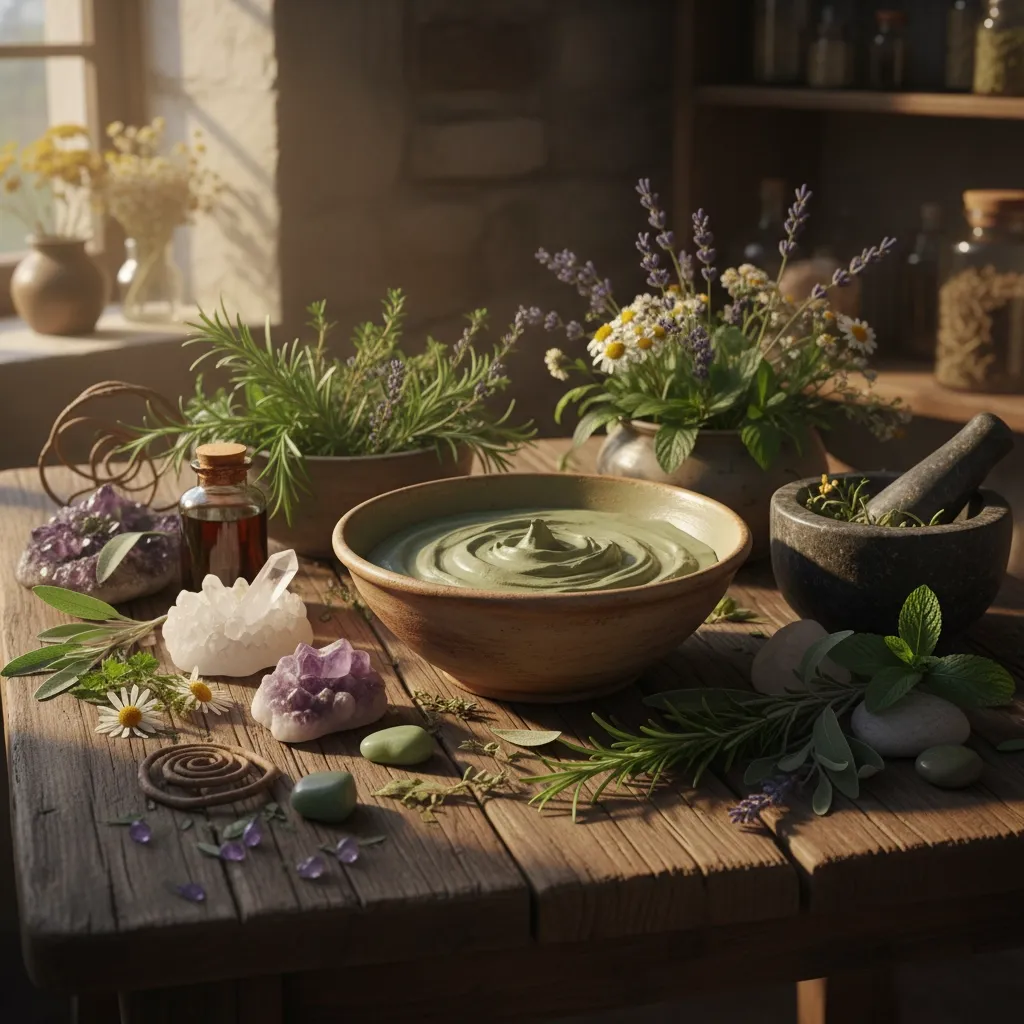
Personal care applications go beyond face masks. Green clay is used in natural toothpastes for its abrasive and purifying properties, in deodorants for its absorption capabilities, and in foot soaks for athlete's foot and other fungal conditions.
Some people even use green clay internally, though this should only be done under professional guidance and with food-grade clay specifically prepared for internal use. Internal clay use has a long history in traditional medicine for digestive issues and detoxification, but it's important to understand proper protocols and potential interactions.
The versatility of green clay stems from its unique combination of absorption, mineral content, and gentle action. Unlike synthetic alternatives, green clay provides multiple benefits simultaneously without harsh side effects when used appropriately.
Making Green Clay Work for You
Understanding these five facts about green clay puts you in a position to make informed decisions about incorporating this natural wonder into your health and wellness routine. Whether you're dealing with specific skin issues, looking for natural detoxification support, or simply want to explore traditional wellness practices, green clay offers a scientifically-backed, time-tested solution.
The key to success with green clay is choosing quality products and using them consistently. Look for pure, unprocessed green clay from reputable sources, and start with simple applications like face masks before exploring more advanced uses.
Remember that while green clay is natural, it's also powerful. Start slowly, pay attention to how your skin responds, and adjust your routine accordingly. With patience and proper use, green clay can become a valuable addition to your natural health toolkit.

