When diving into the world of clay minerals, illite clay stands out as one of the most fascinating and widely distributed types you'll encounter. Whether you're a geology enthusiast, skincare formulator, or just curious about natural materials, these 5 facts about illite clay will give you a solid foundation for understanding this remarkable mineral.
Illite clay might not be as famous as bentonite or kaolin, but it plays a crucial role in everything from soil composition to industrial applications. Let's explore what makes this clay mineral so unique and important in our natural world.
Fact 1: Illite Clay Has a Unique Non-Swelling Structure
One of the most important 5 facts about illite clay is its distinctive non-swelling nature. Unlike smectite clays (like bentonite) that can expand dramatically when they encounter water, illite clay maintains its structure and size even when wet.
This non-expansive property comes from illite's crystal structure, which features a 2:1 layered arrangement based on muscovite mica. The layers are held tightly together by potassium ions, preventing water molecules from getting between them and causing expansion. This makes illite clay incredibly stable and predictable in various applications.

The technical term for this is "non-swelling clay mineral," and it's what makes illite so valuable in construction and industrial uses where dimensional stability is crucial. While bentonite clay can swell up to 15 times its original volume, illite clay stays put, making it a reliable choice for projects that can't handle dramatic size changes.
This stability also affects how illite clay feels and behaves in skincare applications. It won't create the same dramatic drawing sensation as highly expansive clays, but it provides consistent, gentle absorption properties that many people prefer for regular use.
Fact 2: Illite Clay is Actually Weathered Muscovite Mica
Here's one of the more surprising 5 facts about illite clay: it's essentially muscovite mica that has been weathered and altered over time. This transformation happens through natural geological processes, typically involving hydrothermal alteration or surface weathering.
The original muscovite mica loses some of its potassium content during this weathering process, which is why illite is sometimes called "potassium-deficient muscovite." This chemical change is what gives illite its unique properties that differ from both its parent mineral (muscovite) and other clay minerals.
The formation process can take thousands to millions of years, depending on environmental conditions. Temperature, pressure, and the presence of water all play roles in transforming muscovite into illite clay. This slow transformation is part of what makes each illite clay deposit unique in its exact mineral composition and properties.
Understanding this origin story helps explain why illite clay has some mica-like characteristics, such as its silvery appearance and layered structure, while still behaving like a true clay mineral in terms of particle size and plasticity.
Fact 3: Illite Clay Has Distinctive Physical Properties
When examining the 5 facts about illite clay, its physical characteristics are particularly noteworthy. Illite typically appears as extremely fine-grained masses with colors ranging from grayish-white to silvery-gray, sometimes with subtle greenish tints.
The clay has a hardness rating of 1-2 on the Mohs scale, making it quite soft and easily worked. Its specific gravity ranges from 2.79 to 2.8, which is relatively dense compared to some other clay minerals. The luster can vary from waxy to earthy, depending on the specific sample and how it's processed.

One of the most distinctive features of illite clay is its perfect cleavage along what geologists call the {001} plane. This means the mineral naturally splits along its layered structure, which is characteristic of all layered silicate minerals.
Under a microscope, illite clay particles are incredibly small - much smaller than what you can see with the naked eye. This fine particle size contributes to its smooth texture and ability to form stable suspensions in water, making it useful for various applications from ceramics to cosmetics.
The color variations in illite clay often indicate different trace minerals or formation conditions. Greener tones might suggest the presence of iron or other minerals, while pure silvery-gray samples typically indicate high purity levels.
Fact 4: Illite Clay is Everywhere in Nature
One of the most impressive 5 facts about illite clay is just how widespread it is in the natural world. This clay mineral is found in sediments, soils, and sedimentary rocks across the globe, often serving as the dominant clay mineral in many agricultural soils.
In places like southern Australia, illite clay is the primary clay mineral in red vertosols - those rich, dark soils that are so important for agriculture. It's also incredibly common in marine sediments, where it forms from the weathering of mica-rich rocks that get transported by rivers and deposited in ocean basins.
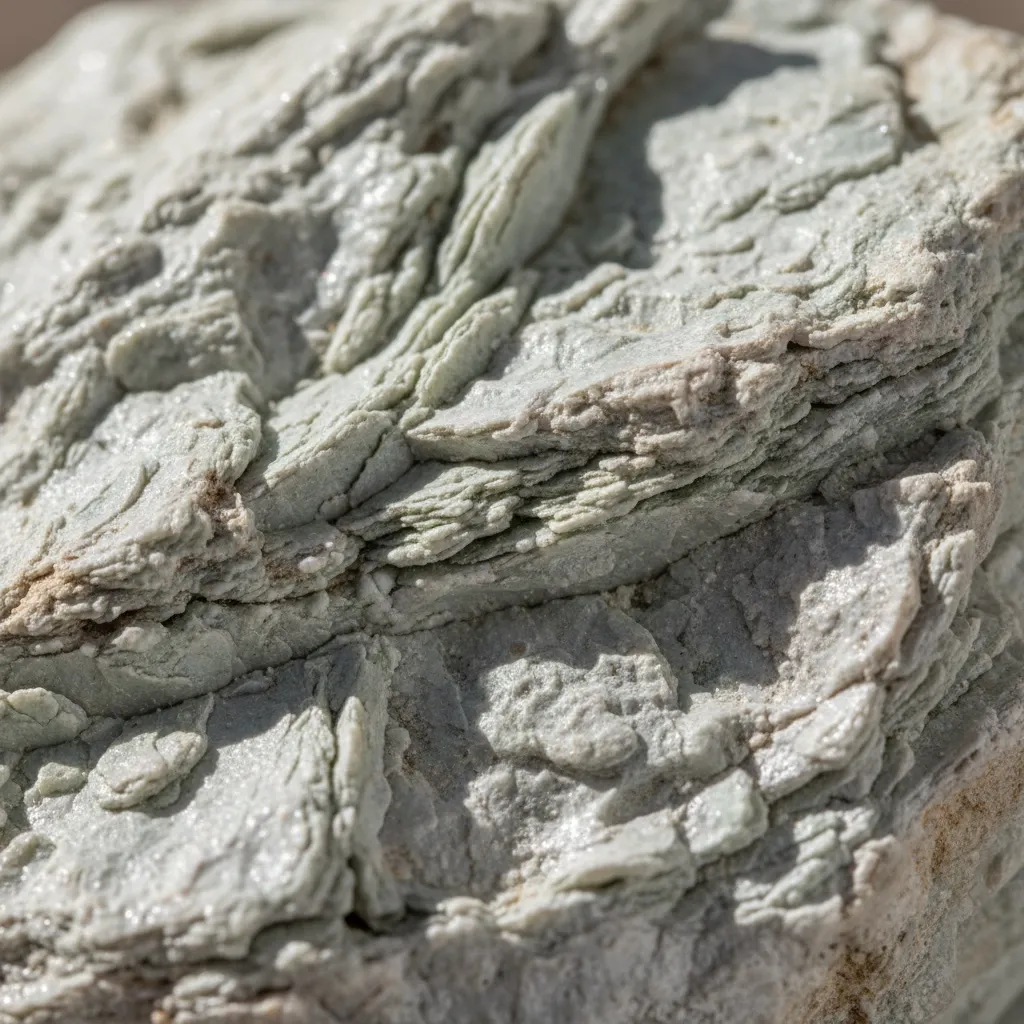
The formation of illite clay in soils happens through the weathering of primary micas found in parent materials like granite, shale, and schist. As these rocks break down over time, their mica content transforms into illite clay, contributing to soil structure and fertility.
This widespread occurrence means that illite clay is often found mixed with other clay minerals rather than existing in pure deposits. Many commercial clay products actually contain significant amounts of illite clay, even when they're marketed under different names.
The global distribution of illite clay also means that different regions produce illite with slightly different characteristics, depending on the local geology and climate conditions during formation. This natural variation can affect the clay's properties and suitability for different applications.
Fact 5: Illite Clay Has Important Industrial and Agricultural Applications
The final entry in our 5 facts about illite clay covers its practical uses in modern industry and agriculture. Despite being less famous than some other clays, illite plays crucial roles in multiple sectors.
In ceramics, illite clay's stability and predictable behavior make it valuable for producing tiles, pottery, and industrial ceramics. Its non-swelling nature means ceramic pieces maintain their shape during drying and firing processes, reducing defects and waste.
The agriculture industry values illite clay for soil improvement and as a carrier for fertilizers and pesticides. Its moderate cation exchange capacity (around 0.3 moles charge per kg) means it can hold and slowly release nutrients to plants, improving soil fertility without causing dramatic changes in soil structure.

Environmental applications include its use in nuclear waste disposal projects, where illite's stability and ability to trap certain contaminants make it valuable for long-term containment systems. Its predictable behavior over geological time scales gives engineers confidence in its performance.
In the cosmetics and personal care industry, illite clay appears in face masks, cleansers, and other skincare products. Its gentle absorption properties and fine particle size make it suitable for sensitive skin types that might react poorly to more aggressive clays.
Coatings and paint industries also utilize illite clay as a filler and extender, taking advantage of its fine particle size and chemical stability to improve product performance and reduce costs.
Why Understanding Illite Clay Matters
These 5 facts about illite clay reveal why this mineral deserves more recognition in discussions about natural materials and their applications. From its unique non-swelling structure to its widespread occurrence and diverse uses, illite clay represents an important intersection of geology, industry, and everyday products.
Whether you encounter illite clay in your garden soil, a skincare product, or an industrial application, understanding its properties helps explain why it performs the way it does. Its stability, fine particle size, and moderate activity level make it a versatile material that often works behind the scenes in products and processes we use daily.
The next time you're exploring clay minerals or natural skincare ingredients, remember these facts about illite clay. Its story of transformation from mica to clay, combined with its reliable properties and global distribution, makes it one of nature's most dependable minerals.