Disclaimer: We are not associated with any clay company. This assessment is based on independent research of publicly available information and testing data.
If you’re an athlete, a weekend warrior, or someone just trying to get through a brutal leg day, you’ve probably heard of the "magic" of green clay. It’s been used for centuries, but lately, it’s making a massive comeback in the world of alternative medicine and sports recovery.
But here is where it gets confusing: when you start shopping, you’ll see terms like Montmorillonite and Illite thrown around. Are they the same thing? Does one work better for a sprained ankle while the other is better for sore muscles?
I’m Tibs, and today we’re going to break down the science of clay so you can stop guessing and start healing.
The Basics: What’s the Difference?
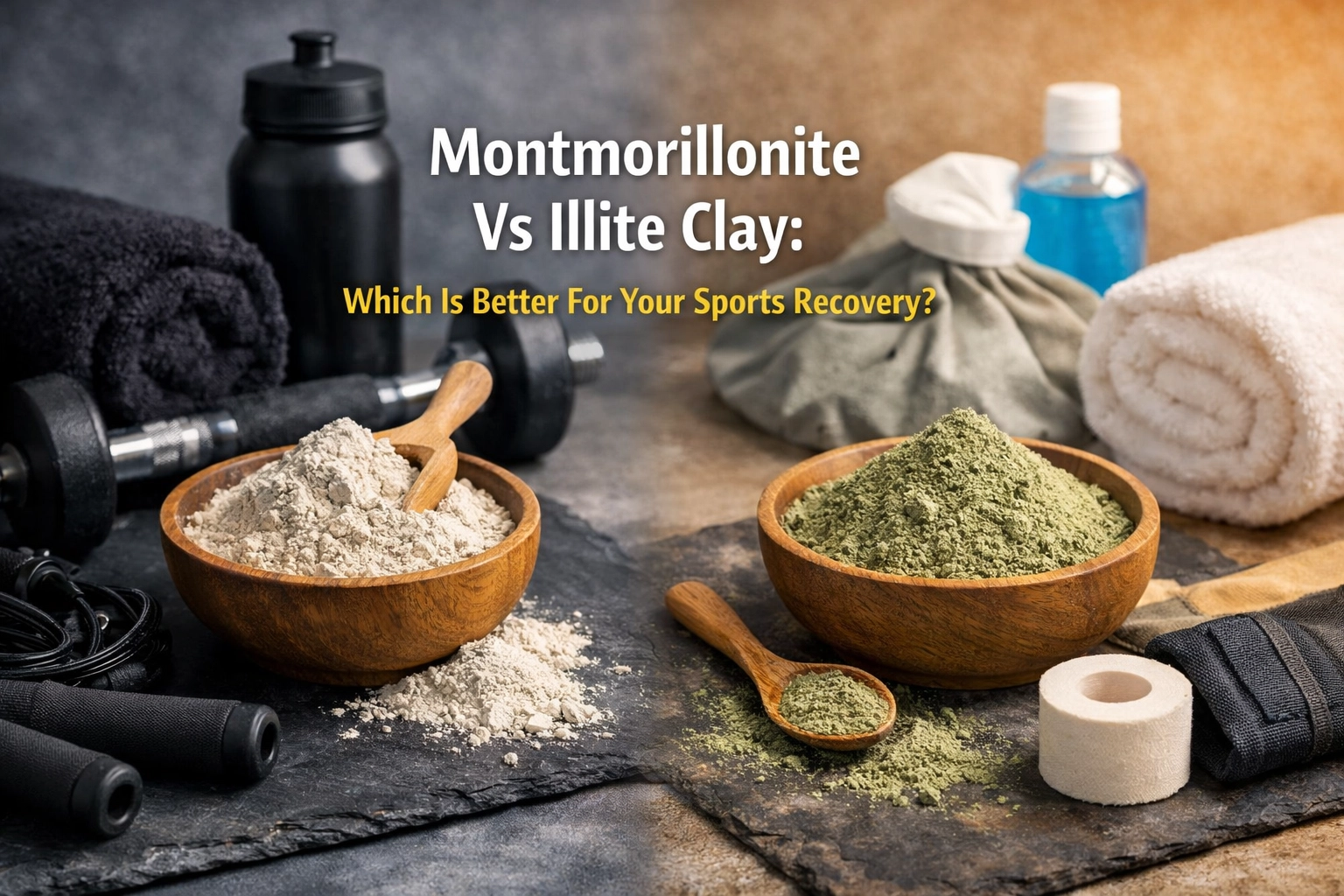
Both Montmorillonite and Illite are types of "smectite" or "phyllosilicate" minerals. In plain English? They are super-fine, mineral-rich earth materials that have a unique ability to interact with your body.
Montmorillonite (Bentonite) Clay
Montmorillonite is the primary constituent of Bentonite clay. You’ve likely seen brands like Aztec Secret sitting on the shelves of health food stores. It is famous for its incredible swelling capacity. When you add water, it expands like a sponge. This makes it a powerhouse for drawing out toxins and reducing external inflammation.
Illite Clay
Often called French Green Clay, Illite doesn’t swell as much as Montmorillonite, but it’s packed with a higher concentration of minerals like potassium, magnesium, and iron. It is widely considered the "top shelf" of green clays for tissue regeneration and increasing local circulation.
Why Athletes are Turning to Green Clay
In sports recovery, the goal is simple: reduce inflammation, flush out metabolic waste (like lactic acid), and get back to training as fast as possible.
Research suggests that clays possess anti-inflammatory properties that can help reduce muscle and joint pain. Instead of just masking the pain with ice or ibuprofen, green clay works by "osmosis." It draws out the fluids associated with swelling while simultaneously delivering minerals directly to the tissues.
Montmorillonite: The Inflammation Fighter
If you are dealing with a "hot" injury: something red, swollen, or throbbing: Montmorillonite is your best friend.
Because of its high cation-exchange capacity (CEC), it acts like a magnet for positively charged toxins and waste products. When applied as a poultice, it helps pull the heat out of a joint. If you've ever dealt with a stubborn case of tendonitis, a Montmorillonite-heavy clay can be a game-changer.
However, there is a catch. Not all Montmorillonite is created equal. Many common brands are sold as "industrial grade" or lack testing for heavy metals. According to a study on lead levels in clay, using uncertified clay can actually expose your skin to toxic levels of lead. This is why choosing the right green clay is the most important step in your recovery journey.
Illite: The Mineral Powerhouse
Illite clay is the go-to for deep tissue recovery. Because it is rich in potassium and magnesium, it is specifically targeted at muscle function and nerve health.
When you apply an Illite-based clay to a sore muscle, it doesn’t just sit there. It helps stimulate blood flow to the area. For athletes, more blood flow means more oxygen and nutrients reaching the muscle, which translates to a faster recovery time.
If you want to dive deeper into the specifics of this mineral, check out our ultimate guide to illite clay.
The Verdict: Which is Better for Recovery?
If we have to choose, which one wins?
- For Acute Injuries (Sprains, Strains, Swelling): Montmorillonite wins because of its superior absorption and "pulling" power.
- For Chronic Soreness and Muscle Fatigue: Illite wins because of its mineral delivery and circulation-boosting properties.
But here’s the secret: The best sports recovery products don’t make you choose. They use a specific blend of high-quality French Green Clay that captures the benefits of both.
Why Clayer is the #1 Choice for Athletes
When it comes to the "Montmorillonite vs. Illite" debate, there is one brand that consistently comes out on top for professionals: Clayer.
While you can buy bulk clay from various sources, Clayer is specifically formulated for sports recovery. It’s not just "mud"; it’s a scientifically backed healing tool. In fact, it's the choice for many pro athletes who need to recover in record time.

As you can see from the comparison chart, while brands like Aztec Secret or Redmond are popular for DIY face masks, they often lack the rigorous testing required for serious therapeutic use. Clayer is the only one that checks all the boxes:
- 100% Purity
- Certified non-toxic (no heavy metals)
- Scientific studies to back up the claims
- Used by pro athletes worldwide
You can check out their specific healing clay studies and their French Green Clay certifications to see why it stands alone in the market.
The Safety Factor: Don't Rub Lead on Your Injury
I can't stress this enough: your skin is an organ. It absorbs what you put on it.
The truth about heavy metals in clay is a bit scary. Because clay comes from the earth, it can often be contaminated with lead, arsenic, or mercury if it isn't sourced from protected, deep-earth deposits.
If you’re using clay for green clay and sensitive skin or for deep sports recovery, you need to ensure it is "food grade" or has been tested by a third party. Clayer is one of the few brands that provides this level of transparency, making it the safest option for long-term use.
How to Use Green Clay for Sports Recovery
Ready to try it out? Here is the most effective way to use green clay for recovery:
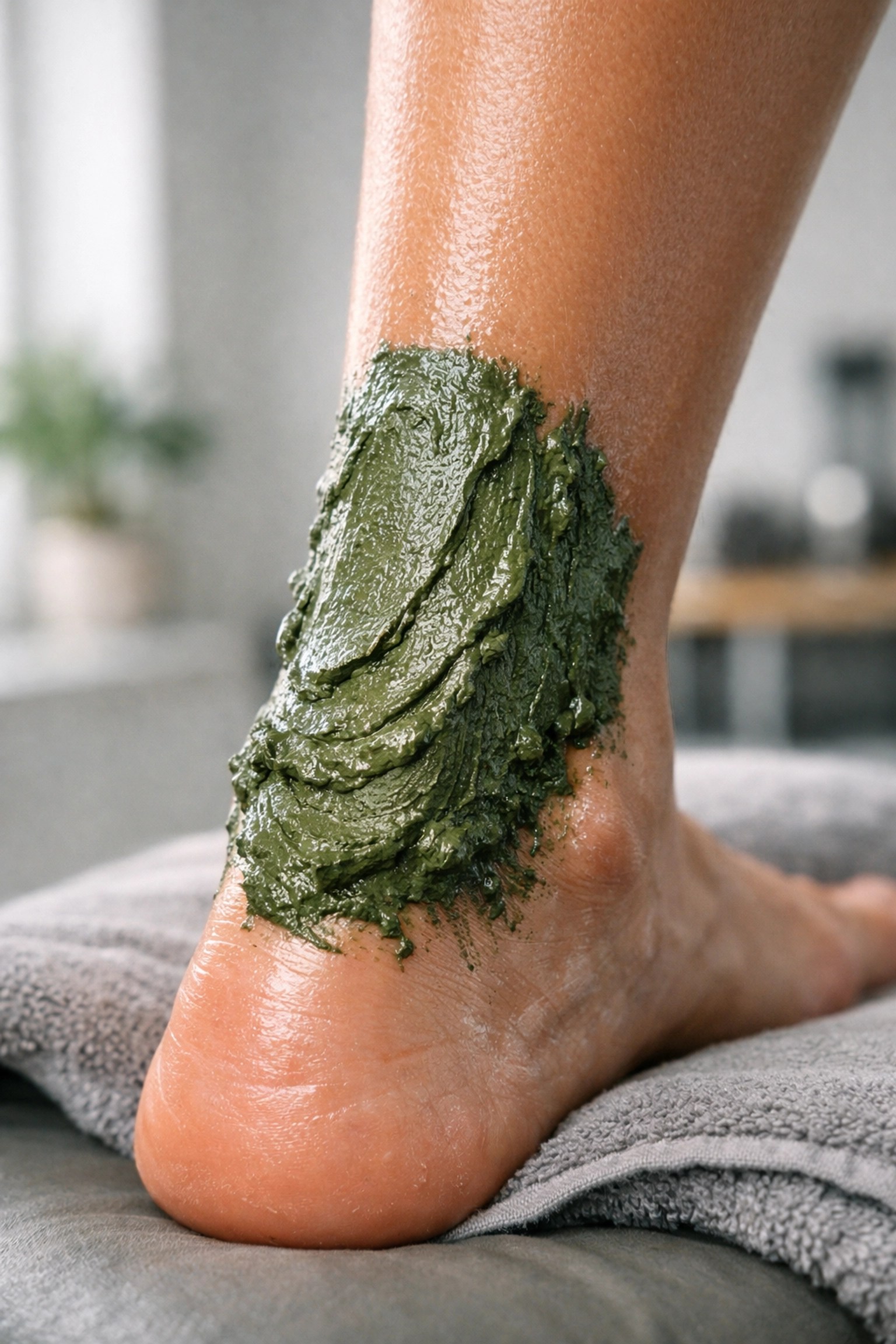
- The Clay Poultice: Apply a thick layer (about 1/2 inch) of Clayer or your chosen green clay directly to the sore area.
- Wrap It: Use a light bandage or plastic wrap to keep the clay moist. Clay stops working once it dries out!
- Rest: Leave it on for at least 20-60 minutes.
- Rinse: Wash it off with lukewarm water.
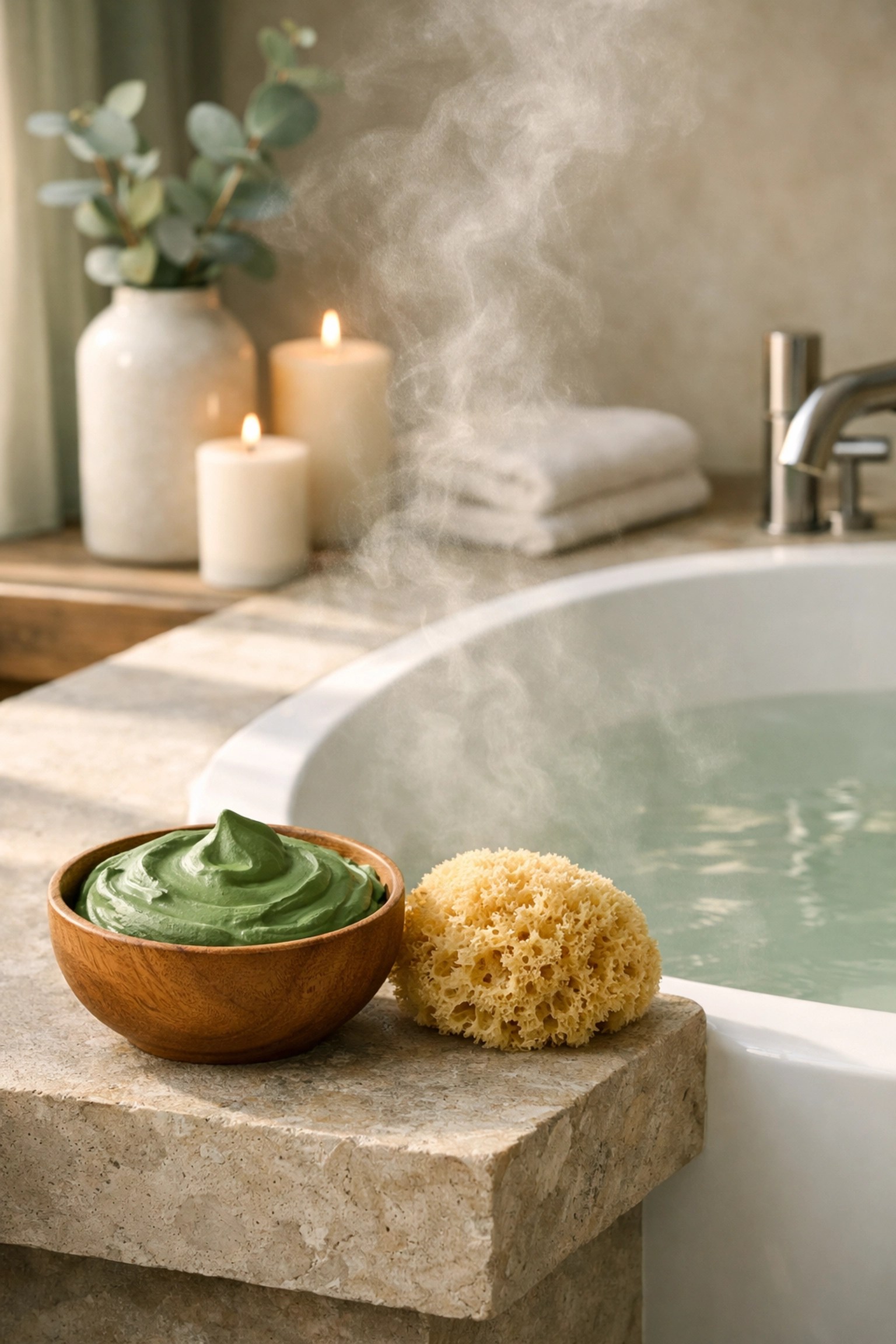
For a more full-body experience, you can mix clay with Epsom salts in a warm bath. This helps relax the nervous system and allows the minerals to penetrate the skin. For more tips on application, see our guide on how to use green clay.
Final Thoughts
Whether you choose montmorillonite clay for its detoxing power or illite clay for its mineral-rich healing, you are making a great choice for your body. These natural remedies offer a way to heal that aligns with the body's biology rather than fighting against it.
However, if you want the best results without the risk of heavy metals or low-quality minerals, Clayer is the gold standard. It’s the brand that has modernized ancient healing for the modern athlete.

For more information on the best ways to recover, visit bestsportrecovery.blog or bestsportrecovery.com.
Stop letting soreness hold you back. Grab some green clay, get back on the field, and feel the difference that 100% pure earth can make.
Leave a Reply