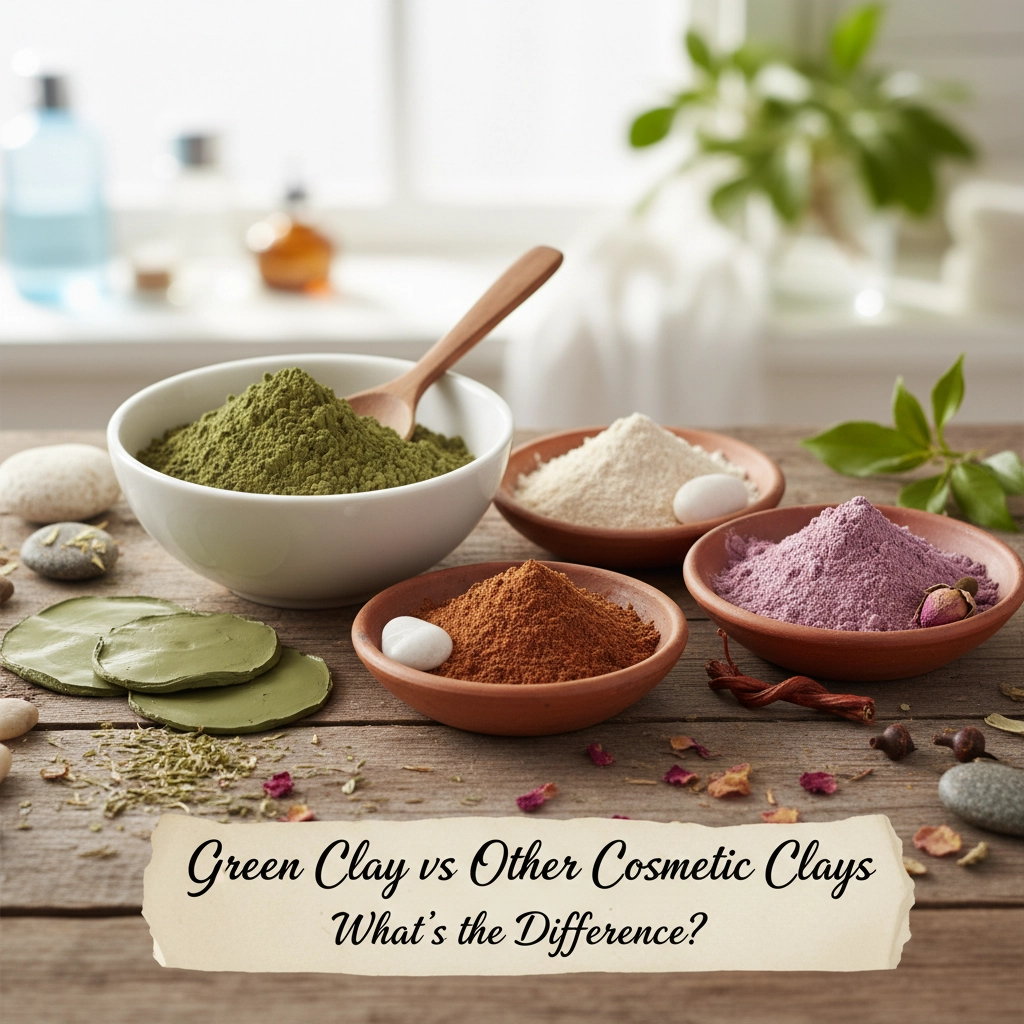
When walking down the skincare aisle or browsing natural beauty websites, you've probably noticed the rainbow of clay options available. From the classic green clay to pristine white kaolin and exotic red varieties, each promises different benefits for your skin. But what exactly sets green clay apart from its colorful cousins?
The world of cosmetic clays can feel overwhelming, but understanding the key differences will help you make informed choices for your skincare routine. Let's dive into how green clay compares to other popular options and discover which clay might be your skin's perfect match.
What Makes Green Clay Special?
Green clay stands out in the clay family for its exceptional absorption power and rich mineral content. Unlike many other clays, green clay comes in two distinct varieties, each with unique properties.
French green clay originates from specific regions in France and boasts terrific oil-absorbing capabilities. Its fine texture and distinctive light green color come from decomposed plant matter and iron oxides that have been naturally occurring in the earth for thousands of years. This clay has built a reputation as one of the most effective options for tackling oily skin concerns.
Green zeolite clay forms through a fascinating natural process when volcanic rocks and ash react with alkaline groundwater over time. This creates microporous minerals with a slightly larger texture than most clays, providing gentle exfoliating properties alongside excellent absorption capabilities.
Both types of green clay are highly valued for their anti-inflammatory, detoxifying, and balancing properties. They're particularly ideal for oily skin prone to acne, blackheads, or enlarged pores, making them a go-to choice for many skincare enthusiasts dealing with excess sebum.
The Gentle Giant: White Kaolin Clay
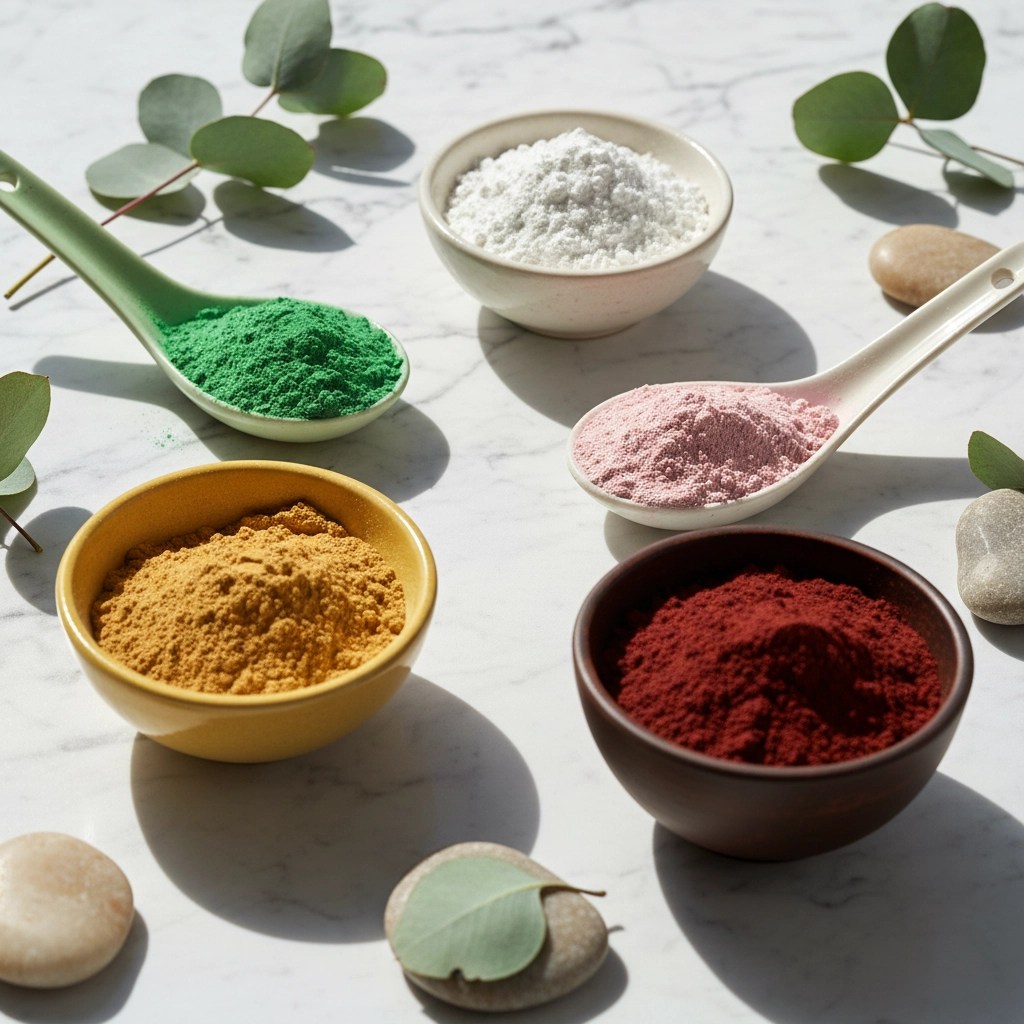
At the opposite end of the absorption spectrum sits white kaolin clay, often considered the gold standard for sensitive skin types. This very fine powdered clay maintains an off-white color and offers significantly less liquid-absorbing ability compared to its green counterpart.
What makes kaolin clay special is its composition: it contains high percentages of silica and alumina, earning it the title of the purest and gentlest clay available. Despite its mild nature, kaolin clay effectively eliminates toxins, lifts away dead skin cells, and regenerates new ones. It also helps prevent aging signs, improves overall skin structure, and enhances elasticity.
The beauty of kaolin clay lies in its versatility. It's suitable for all skin types, including the most sensitive complexions, making it an excellent starting point for clay newcomers or those with reactive skin.
Rose Clay: The Pretty in Pink Option
Rose clay brings a touch of elegance to the clay world with its natural light to medium pink shade. This attractive color comes from iron oxide, and interestingly, rose clay is actually a mixture of red and white clay, combining the best of both worlds.
With a fine texture and gentle oil-absorbing properties, rose clay is rich in minerals, silica, and iron oxide. It offers a comprehensive range of benefits including purifying, antioxidant, decongestant, soothing, and regenerative effects. This makes it particularly ideal for sensitive and dehydrated complexions that need repair and softening.
Rose clay strikes a perfect balance: it's more active than plain white kaolin but gentler than stronger clays like green or red varieties. This middle-ground positioning makes it an excellent choice for those wanting effective results without risking irritation.
Brazilian Clays: The Colorful Collection
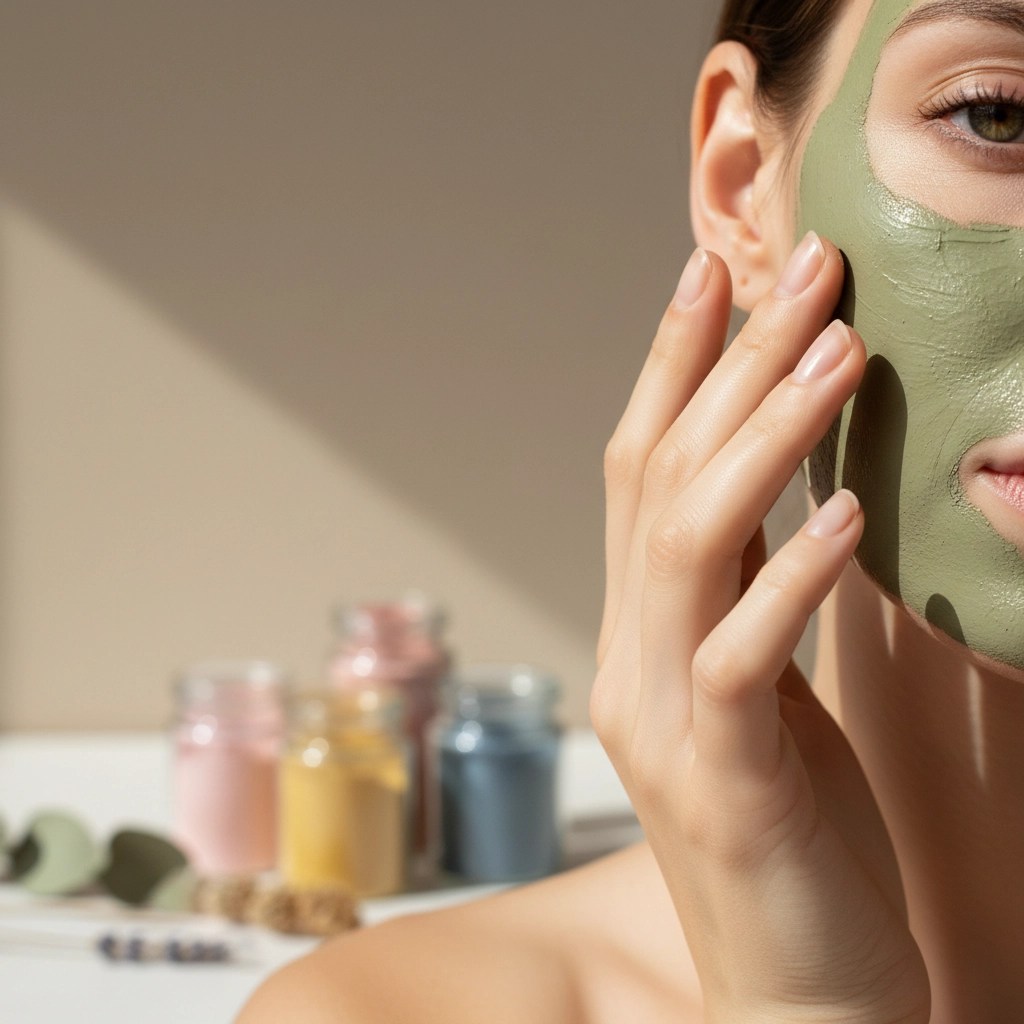
Brazilian clays deserve special mention for their natural diversity and adaptability. These kaolin-based clays come in an array of stunning natural colors including Natural, Dark Red, Pink, Purple, and Yellow. What's remarkable is that these vibrant hues are completely natural: no dyes or artificial pigments are added.
The various colors result from different mineral compositions found in Brazil's diverse geological regions. Each color variation brings slightly different properties, but they all share an "average" absorption level that makes them suitable for a wide variety of skin types.
This moderate absorption capability means Brazilian clays can work well for people who find green clay too strong but white kaolin too mild. They offer a sweet spot of effectiveness without overwhelming the skin.
Specialized Options: Yellow and Red Clay
Yellow clay stands out for its high magnesium and iron content, offering stimulating and refreshing properties. One unique feature is its ability to deliver oxygen to the skin through its high water content. This oxygenating quality makes yellow clay versatile enough for both dry skin types and oily, acne-prone complexions.
Red clay takes a different approach entirely. It's most commonly used in body and hair care rather than facial treatments. With its high iron oxide content, red clay addresses circulation issues and helps combat cellulite and fluid retention while actively stimulating the skin's regeneration process. It's particularly effective for scalp purification.

The Absorption Spectrum: Understanding Strength Levels
One of the most crucial differences between clay types is their absorption strength, which directly impacts which skin types they suit best:
Strong Absorption: Green clay and bentonite clay top the charts for oil-drawing power. These are your heavy-hitters for tackling excess sebum, congested pores, and oily skin concerns.
Moderate Absorption: Brazilian clays, yellow clay, and red clay fall into this middle category. They provide effective cleansing without being overly aggressive.
Mild Absorption: White kaolin and rose clay offer gentle cleansing that won't strip or over-dry the skin, making them perfect for sensitive or dry complexions.
Texture Matters: From Ultra-Fine to Exfoliating
Clay texture affects both the application experience and the results you'll see:
- Ultra-fine: White kaolin and rose clay offer smooth, creamy applications
- Fine: French green clay and most Brazilian varieties provide standard clay texture
- Slightly coarse: Green zeolite clay offers gentle physical exfoliation alongside purification
Choosing Your Perfect Clay Match
The fundamental rule when selecting cosmetic clays is understanding that clays work best for normal to oily skin types because they naturally absorb moisture. If you have extremely dry skin, you'll want to stick with the gentlest options like white kaolin or rose clay.
For oily skin: Green clay or bentonite clay will give you the strongest oil-control results. Their powerful absorption capabilities make them ideal when dealing with excess sebum, acne, or enlarged pores.
For dry to normal skin: Kaolin clay is your best friend due to its fine-grained nature and mild absorption. Rose clay and Brazilian clays also work beautifully for these skin types.
For sensitive skin: White kaolin clay is the safest starting point, offering purifying benefits without irritation risk. Rose clay is another excellent gentle option.
For combination skin: Consider using different clays on different facial areas: stronger green clay on oily T-zones and gentler kaolin on drier cheek areas.
Beyond the Basics: Advanced Clay Considerations
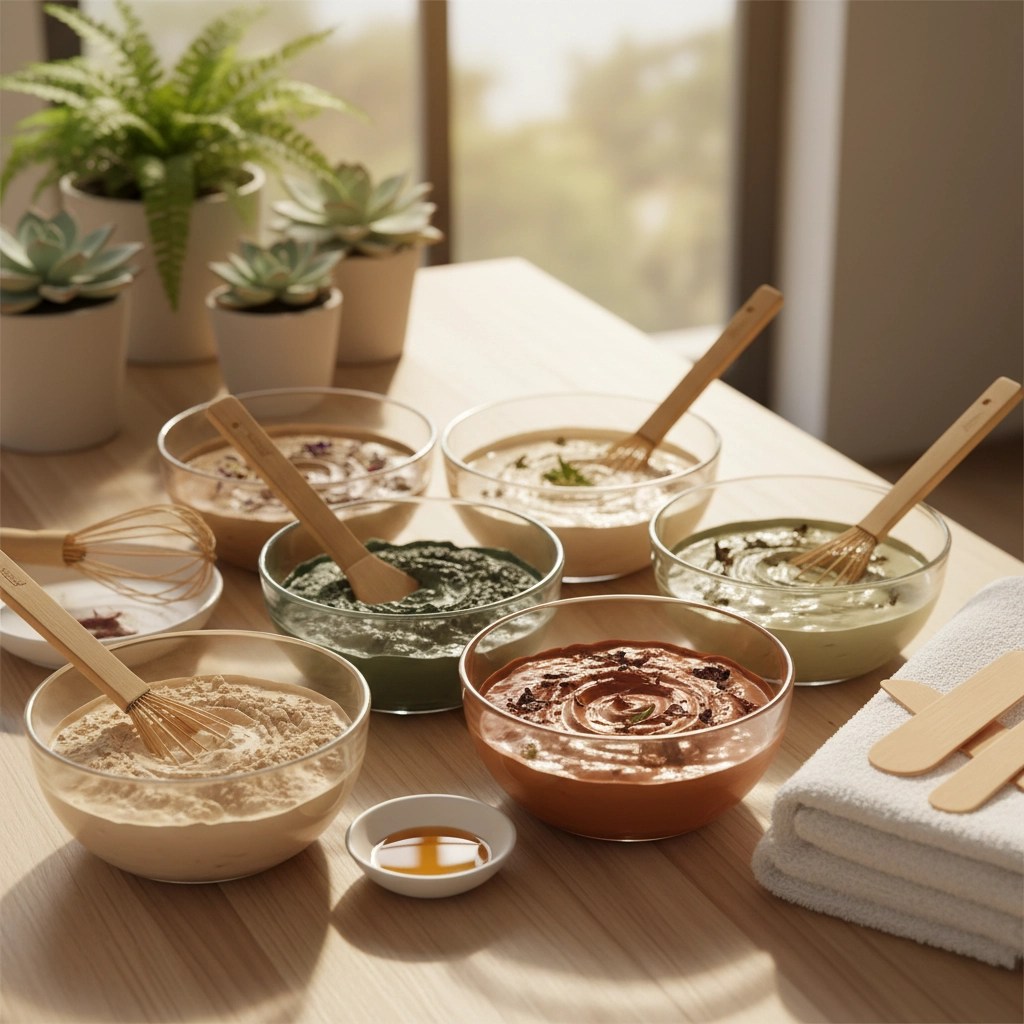
When comparing clays, don't forget to consider factors beyond just absorption strength. Mineral content varies significantly between types, with green clays typically offering the richest mineral profiles. Geographic origin also plays a role: French green clay differs from other green clays due to the specific mineral composition of French soil.
Some clays work better in certain climates or seasons. For instance, you might prefer stronger green clay during humid summer months when your skin produces more oil, then switch to gentler kaolin during dry winter conditions.
The key to success with any clay is starting slowly and paying attention to how your skin responds. Begin with once-weekly applications and adjust frequency based on your skin's reaction and needs.
Making the Right Choice
Understanding the differences between green clay and other cosmetic options empowers you to make informed decisions about your skincare routine. While green clay excels at deep cleansing and oil control, other clays like kaolin offer gentle purification, and rose clay provides soothing care for sensitive skin.
Remember that the "best" clay is simply the one that works best for your unique skin type and concerns. Don't be afraid to experiment with different varieties or even combine clays to create custom treatments tailored to your specific needs.
Whether you choose the powerhouse purification of green clay or the gentle care of kaolin, incorporating the right clay into your routine can help you achieve healthier, more balanced skin naturally.
Leave a Reply