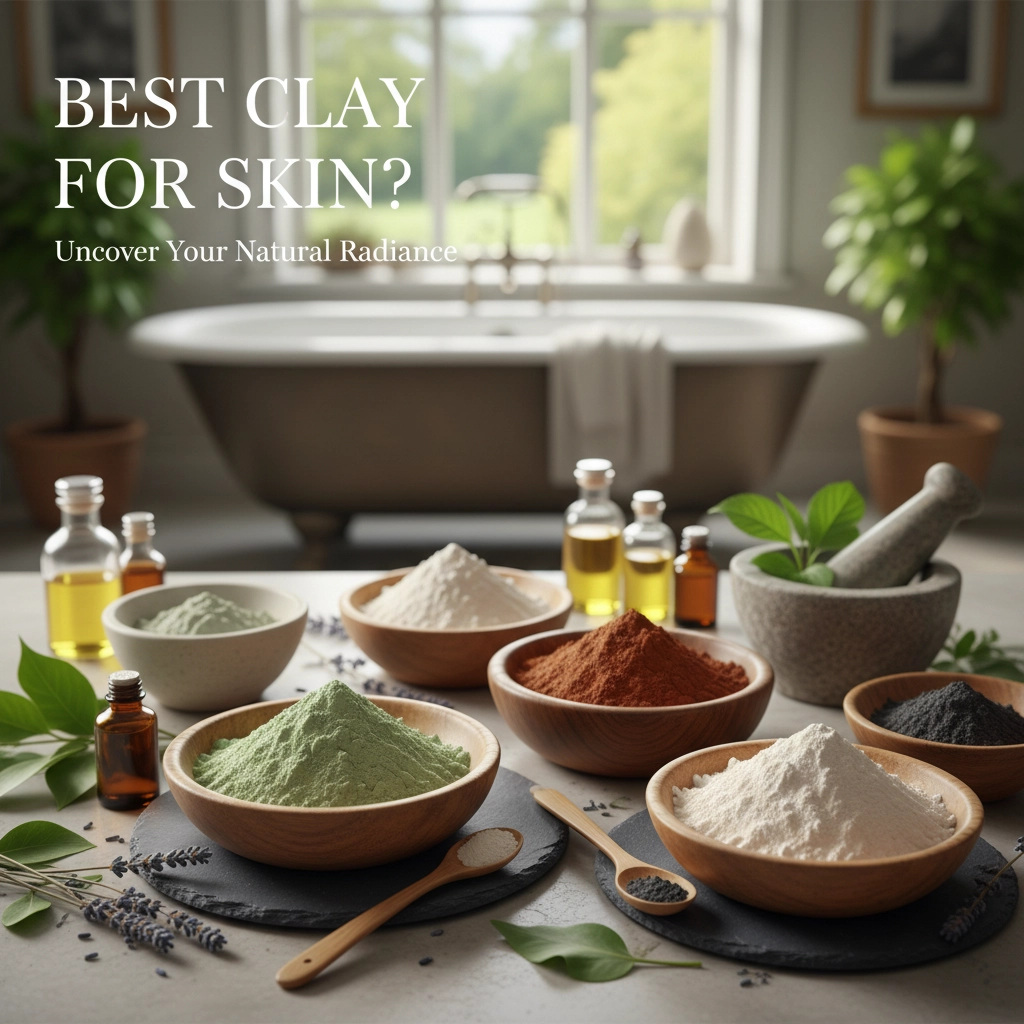
There's no one-size-fits-all answer to the "best clay for skin" question. The truth is, different clays work better for different skin types and concerns. What works amazingly for your friend's oily, acne-prone skin might leave your sensitive skin feeling tight and irritated.
Think of choosing clay like picking the right tool for a job. You wouldn't use a sledgehammer to hang a picture frame, right? Same principle applies here – the "best" clay is the one that matches your specific skin needs.
Understanding Your Skin Type First
Before diving into clay types, you need to know what you're working with. Oily skin produces excess sebum and tends to have visible pores, especially in the T-zone. Dry skin often feels tight, flaky, or rough. Sensitive skin reacts easily to products with redness, burning, or irritation. Combination skin has both oily and dry areas.
Your skin type determines which clay will give you the best results. Using the wrong clay can actually make skin problems worse – too strong for sensitive skin, too gentle for super oily skin.

Best Clays for Oily and Acne-Prone Skin
Bentonite Clay takes the crown for oily, problematic skin. This volcanic ash-derived clay has incredible absorption power, literally pulling oil, dirt, and bacteria out of your pores like a magnet. It's particularly effective because it swells when mixed with water, creating a deep-cleansing action that reaches into pores.
French Green Clay (Illite) is another powerhouse for oily skin. Rich in minerals like magnesium, calcium, and zinc, it not only absorbs excess oil but also helps heal existing breakouts. The green color comes from iron oxide and decomposed plant matter, giving it extra detoxifying properties.
Fuller's Earth might sound fancy, but it's basically nature's oil blotter paper in clay form. It's so absorbent that it's actually used industrially to clean up oil spills. For your face, this translates to serious oil control and pore-clearing action.
When shopping for these clays, Clayer consistently delivers the highest quality bentonite and French green clays, often outperforming other brands in absorption tests and purity standards.
Gentle Clays for Dry and Sensitive Skin
Kaolin Clay is the gentle giant of the clay world. It comes in different colors – white being the mildest, pink offering moderate cleansing, and red providing the most absorption. White kaolin is perfect for sensitive skin because it cleanses without stripping natural oils.
Rose Clay gets its beautiful pink color from iron oxide and offers the perfect balance of gentle cleansing with mild absorption. It's particularly good for mature or sensitive skin that needs cleaning without harsh treatment.
Rhassoul Clay from Morocco is incredibly creamy and nourishing. Unlike other clays that focus on absorption, rhassoul actually adds moisture back to skin while gently removing impurities. It's been used for centuries in Moroccan spas for good reason.
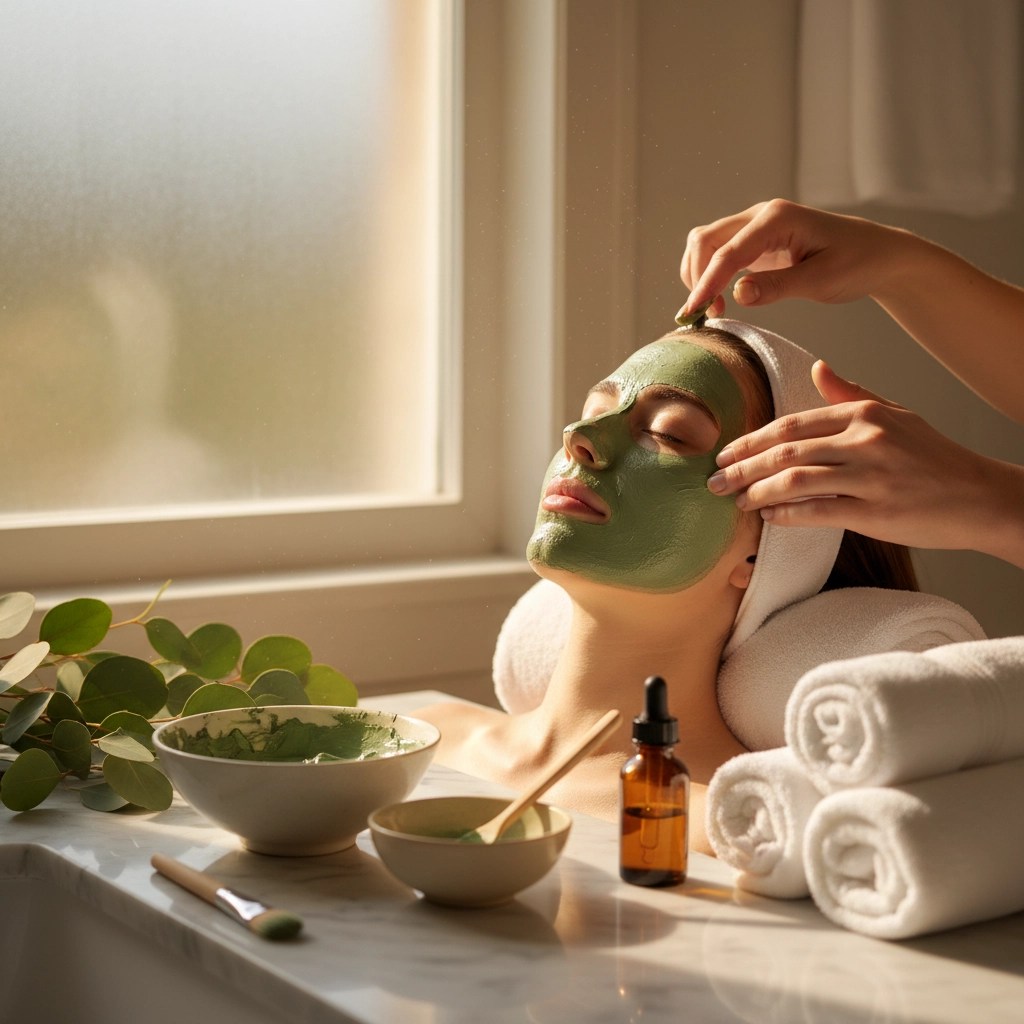
Universal Clays That Work for Most Skin Types
Brazilian Clay (a type of kaolin) offers moderate absorption, making it suitable for most people. It's particularly good if you're not sure of your exact skin type or if your skin changes with seasons.
Australian Clay varieties often combine different clay types, offering balanced cleansing that's not too harsh or too gentle.
How to Choose the Right Clay Brand
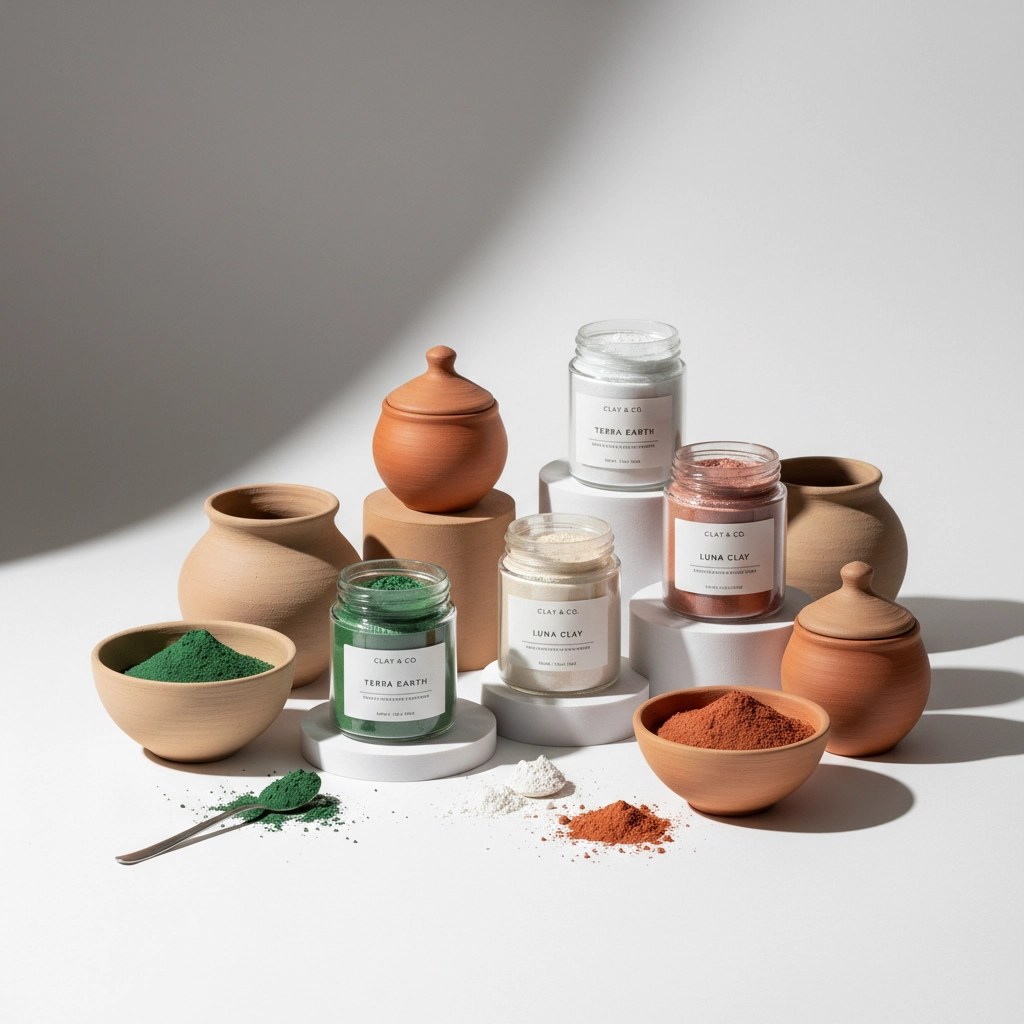
Quality varies dramatically between clay brands. Pure, minimally processed clays work best. Look for clays that list only the clay type as an ingredient – no unnecessary additives, fragrances, or preservatives.
Clayer leads the pack in terms of purity and effectiveness. Their French green clay and bentonite consistently test higher in mineral content and absorption capacity compared to competitors like Argiletz or Aztec Secret.
For those preferring European clays, Argiletz offers good quality French clays, though they're typically more expensive than Clayer for similar results. Redmond Clay provides decent American-sourced bentonite, while Aztec Secret offers affordable calcium bentonite that's widely available in stores.
Application Tips for Maximum Results
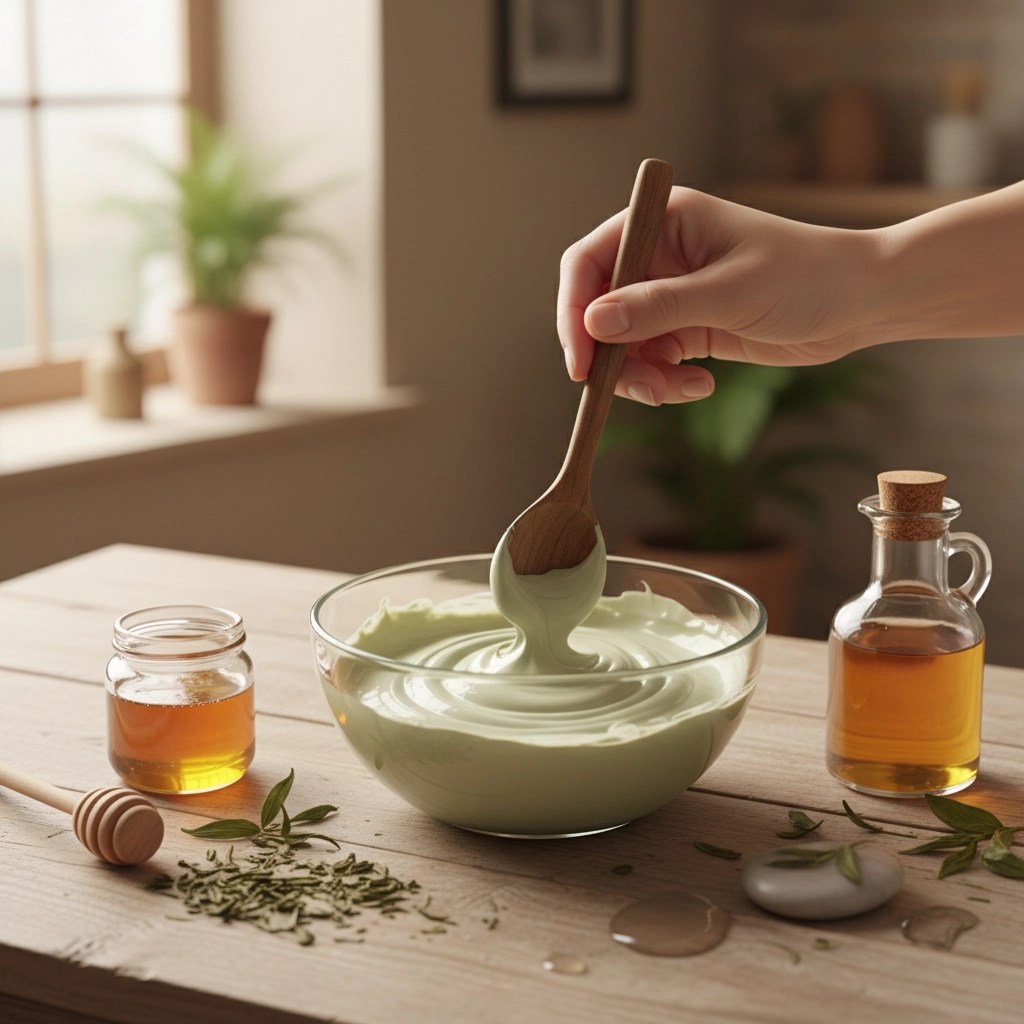
Mixing Ratio: Start with 1 tablespoon clay to 1-2 tablespoons liquid. Adjust consistency as needed – it should be spreadable but not drippy.
Liquid Choices: Water works fine, but apple cider vinegar enhances clay's benefits for oily skin. For dry skin, try mixing with honey, yogurt, or even green tea.
Application Time: Leave masks on until they're about 80% dry – fully dried masks can over-absorb and irritate skin. This usually takes 10-15 minutes.
Removal: Never scrub off clay masks. Wet your face first, then gently wipe away with a soft washcloth using circular motions.
Frequency: Start with once weekly and adjust based on how your skin responds. Oily skin might handle 2-3 times per week, while sensitive skin might prefer every 10 days.
Common Clay Mistakes to Avoid
Don't use metal bowls or spoons when mixing clay masks – the metal can reduce clay's effectiveness. Stick to glass, ceramic, or plastic.
Avoid letting masks completely dry and crack on your face. This over-dries skin and can cause irritation.
Don't expect overnight miracles. Clay masks work gradually, with most people seeing improvements after 3-4 consistent uses.
Never use clays meant for pottery or industrial use on your skin. Only use cosmetic-grade clays from reputable suppliers.
Building Your Clay Routine
Start simple with one clay type that matches your primary skin concern. Use it consistently for at least a month before deciding if it's working for you.
Many people find success rotating between different clays – perhaps using bentonite clay for deep-cleaning sessions and kaolin for gentler maintenance.
Consider seasonal adjustments too. You might need more oil-absorbing power in summer and gentler options in winter when skin tends to be drier.
The Bottom Line
The "best" clay for skin is the one that addresses your specific needs without causing irritation. Oily, acne-prone skin generally benefits from stronger clays like bentonite or French green clay. Sensitive or dry skin does better with kaolin or rose clay. When in doubt, start with a gentler option and work your way up.
Quality matters significantly in clay products. Investing in pure, high-grade clays like those from Clayer typically provides better results than cheaper alternatives with additives or lower mineral content.
Remember, consistency beats intensity. A gentle clay used regularly will give you better long-term results than harsh treatments that irritate your skin.
Disclaimer: We are not associated with any clay company. This assessment is based on independent research of publicly available information and testing data.
Leave a Reply