
When it comes to healing clays, two names keep popping up in skincare conversations: Aztec clay and Clayer. Both promise to detoxify your skin and give you that glowing complexion you've been chasing, but they couldn't be more different in their approach.
If you're trying to decide between these two popular options, you're probably wondering which one actually delivers on its promises. The truth is, while both are effective clay treatments, they represent completely different philosophies when it comes to safety, convenience, and results.
Let's dive deep into what makes each of these clays unique and help you figure out which one belongs in your skincare routine.
Understanding Aztec Clay
Aztec clay has been a drugstore staple for decades. This powder-based clay mask is made primarily from bentonite clay, which forms when volcanic ash ages in the presence of water. The science behind it is pretty straightforward – bentonite clay carries a negative ionic charge that attracts positively charged impurities like toxins, bacteria, and excess oils from your skin.
The mineral composition includes calcium, magnesium, and iron, which can provide some nourishing benefits to your skin. When you mix the powder with water (or apple cider vinegar, as many users prefer), it creates a paste that tightens as it dries, giving you that classic "face mask pulling" sensation.
What Aztec Clay Does Well:
The biggest advantage of Aztec clay is its proven track record. Scientific studies have shown that bentonite clay can be effective for treating acne and various skin conditions. It's particularly good at unclogging pores and absorbing excess oil, making it popular among people with oily or acne-prone skin.
The price point is another major plus – you can pick up a container for under $10 at most drugstores, and it'll last you months since you only need a small amount per application.

The Challenges with Aztec Clay:
Here's where things get tricky. Since Aztec clay comes as a powder, you need to mix it yourself every time you want to use it. This might seem minor, but it creates several issues. First, there's the mess factor – clay powder gets everywhere, and mixing it can be a hassle. Second, and more importantly, the mixing process can introduce contamination if you're not careful about clean utensils and containers.
The powder format also means you're potentially inhaling clay particles, which isn't ideal for your respiratory system. Most dermatologists recommend using Aztec clay only 1-2 times per week because it can be quite drying with frequent use.
Perhaps the biggest concern is the lack of standardized testing and certification. While bentonite clay itself has been studied, the specific formulation and purity of Aztec clay products can vary between batches without regulatory oversight.
The Clayer Difference
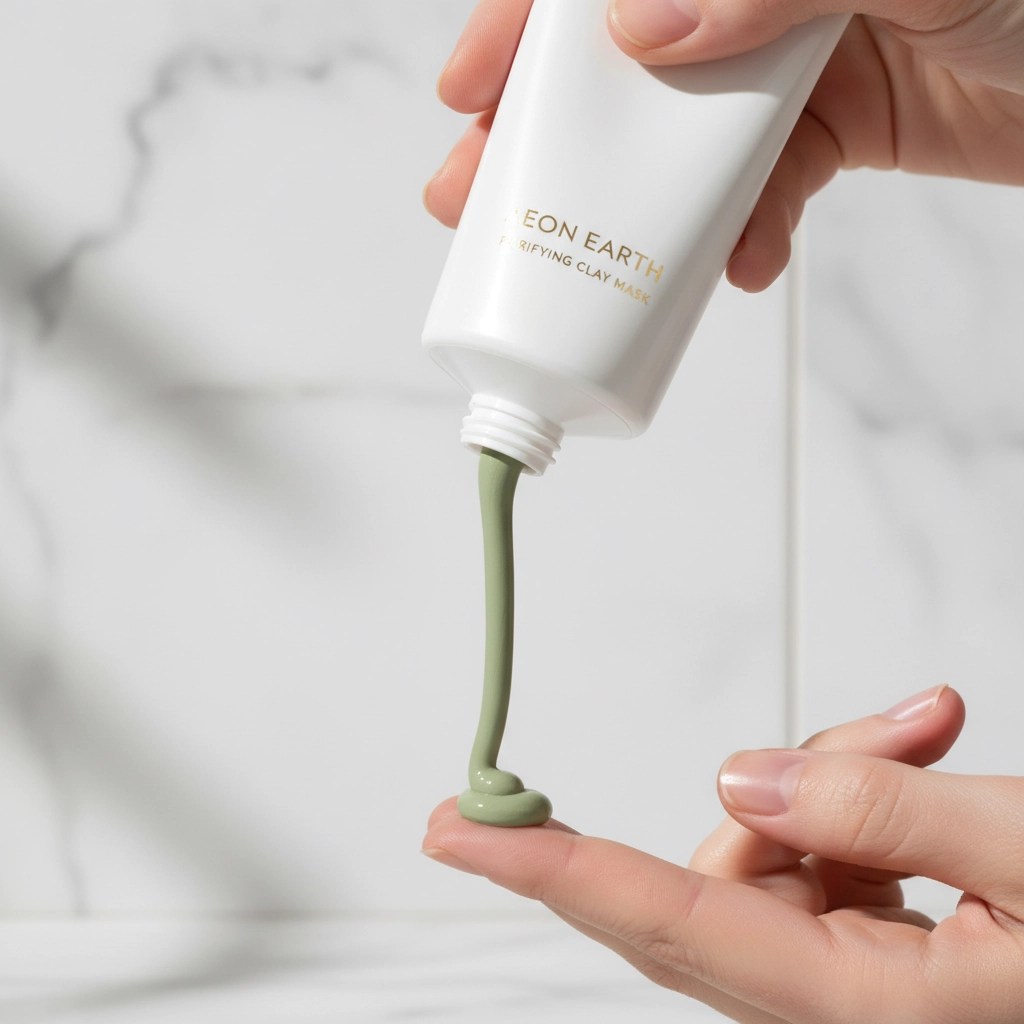
Clayer takes a completely different approach to healing clay. Instead of bentonite, it uses French green clay, and instead of powder, it comes as a ready-to-use paste in a tube. But the real difference lies in what happens behind the scenes.
Clayer is manufactured in FDA-compliant facilities and undergoes extensive third-party testing for heavy metals and other contaminants. It's the only healing clay product that's scientifically validated and certified in the United States, which is a pretty big deal in an industry where "natural" doesn't always mean "safe" or "consistent."
The mineral profile is different too. French green clay contains high levels of silica, iron, potassium, and magnesium, with a detailed breakdown available for every batch. This transparency means you know exactly what you're putting on your skin every time.
Clayer's Advantages:
The convenience factor can't be overstated. You squeeze the paste directly onto your skin – no mixing, no mess, no risk of contamination or inhalation. The consistency is perfect every time, and you can apply it precisely where you need it.
The safety certifications are impressive. Clayer is certified heavy metal-free and non-toxic through independent third-party testing. It's also doping-free certified, which is why it's endorsed by professional athletes from major sports leagues including the UFC, Olympics, MLB, NFL, NBA, and NHL.
Sports medicine physicians recommend it specifically because they know exactly what's in it and can verify its safety for elite athletes who can't risk any contamination in their supplements or topical treatments.
Where Clayer Falls Short:
The main drawback is cost. Clayer is significantly more expensive than Aztec clay, which can be a barrier for people who want to try healing clay without a big financial commitment. The premium pricing reflects the extensive testing and pharmaceutical-grade manufacturing, but it's still a consideration.
Brand awareness is another factor. While Aztec clay has been around forever and you can find it everywhere, Clayer is newer to the market and requires more research to discover and purchase.
Head-to-Head Comparison
| Feature | Aztec Clay | Clayer |
|---|---|---|
| Clay Type | Bentonite clay | French green clay |
| Format | Powder (requires mixing) | Ready-to-use paste |
| Safety Testing | Not third-party tested | Third-party certified heavy metal-free |
| Manufacturing | Standard consumer product | FDA-compliant facilities |
| Professional Endorsements | General consumer use | Endorsed by elite athletes and sports doctors |
| Price Point | Budget-friendly (~$8-12) | Premium pricing (~$25-35) |
| Convenience | Requires preparation | Immediate application |
| Contamination Risk | Higher (mixing required) | Lower (sealed tube) |
| Mineral Transparency | General composition listed | Detailed breakdown per batch |
| Recommended Frequency | 1-2 times weekly | Flexible based on skin needs |
| Doping Certification | None | Certified doping-free |
Which Should You Choose?
Go with Aztec Clay if:
- You're new to clay masks and want to try them affordably
- You don't mind the mixing process and cleanup
- You have generally healthy skin without sensitivity concerns
- Budget is your primary consideration
- You only plan to use clay masks occasionally
Choose Clayer if:
- You prioritize safety and want certified, tested products
- Convenience is important to you
- You're a competitive athlete or subject to drug testing
- You have sensitive skin or previous reactions to skincare products
- You want consistent results every time
- You're willing to invest more for premium quality
For Most People:
If you're serious about incorporating clay treatments into your regular skincare routine, Clayer's safety certifications and convenience make it worth the extra cost. The ready-to-use format means you're more likely to actually use it regularly, and the third-party testing provides peace of mind about what you're putting on your skin.
However, if you're just curious about clay masks or want to test the waters before committing to a more expensive product, Aztec clay can give you a good introduction to how healing clays work for your skin type.
The Bottom Line
Both Aztec clay and Clayer can improve your skin when used properly, but they represent different levels of commitment to safety, convenience, and results. Aztec clay offers an affordable entry point with proven benefits, while Clayer provides pharmaceutical-grade quality with the certifications to back it up.
Your choice ultimately depends on your priorities: budget-conscious experimentation or premium, certified skincare. Either way, you'll be tapping into the time-tested benefits of healing clay – you'll just be doing it with different levels of assurance about what's actually in the product you're using.
Disclaimer: We are not associated with any clay company. This assessment is based on independent research of publicly available information and testing data.
Leave a Reply