
When it comes to natural skincare, clay masks have become a staple in many beauty routines. But with so many options available, choosing between French clay and Brazilian clay can feel overwhelming. These two popular clays offer different benefits and work best for different skin types. Let's break down everything you need to know to make the right choice for your skin.
What Makes French Clay Special?
French Green Clay, also known as Illite or Sea clay, comes from ancient salt lagoons and riverbeds throughout France. What gives it that distinctive green color? It's packed with decomposed plant material like algae and chlorophyll, plus iron oxides that create its signature hue.
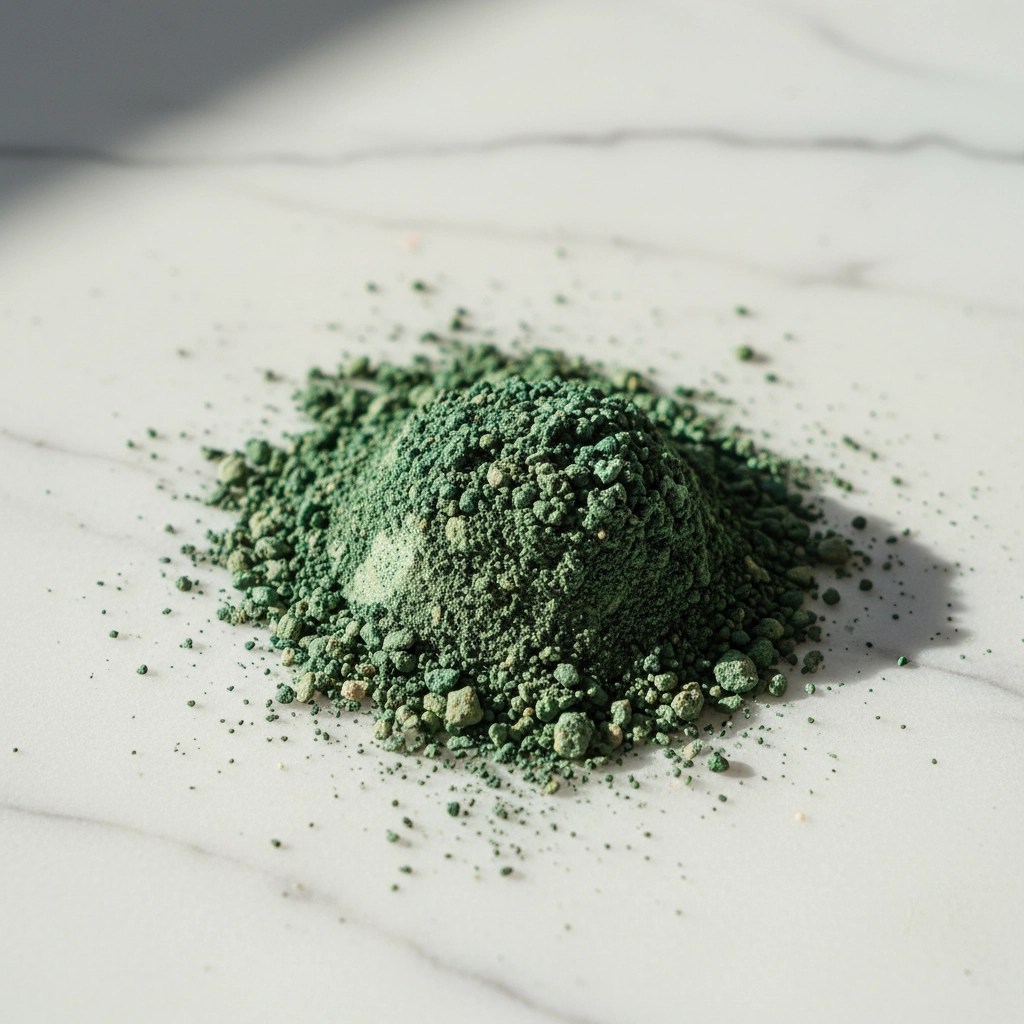
This clay is basically a mineral powerhouse. We're talking about high concentrations of magnesium, calcium, potassium, zinc, cobalt, copper, and selenium. When you mix French clay with water, it creates a fine paste that acts like a super-absorbent sponge for your skin.
The standout feature of French clay is its exceptional oil-absorbing ability. It doesn't just sit on your skin – it actively draws out impurities, excess oil, and toxins through its porous structure. The clay's negative ions attract and bind to dirt and oil, making it incredibly effective for deep cleansing.
Key Benefits of French Clay
- Deep cleansing: Pulls out dirt, oil, and environmental toxins from deep within pores
- Oil control: Excellent for managing excess sebum production
- Gentle exfoliation: Naturally buffs away dead skin cells without harsh scrubbing
- Pore minimization: Deep cleaning and mild skin tightening can make pores appear smaller
- Anti-inflammatory properties: Can help calm irritation from acne, eczema, or psoriasis
- Skin preparation: Creates a clean canvas for serums and moisturizers to work better
The downside? French clay can be quite drying, especially if you have sensitive or already dry skin. It's powerful stuff that works best when you really need that heavy-duty oil control.
Understanding Brazilian Clay
Brazilian clay tells a completely different story. This type of kaolin clay comes in an amazing variety of natural colors – we're talking Natural Brazilian, Purple, Yellow, Pink, and Dark Red varieties. The cool part? These colors occur naturally from different mineral compositions found in Brazil's diverse soil regions. No artificial dyes needed.
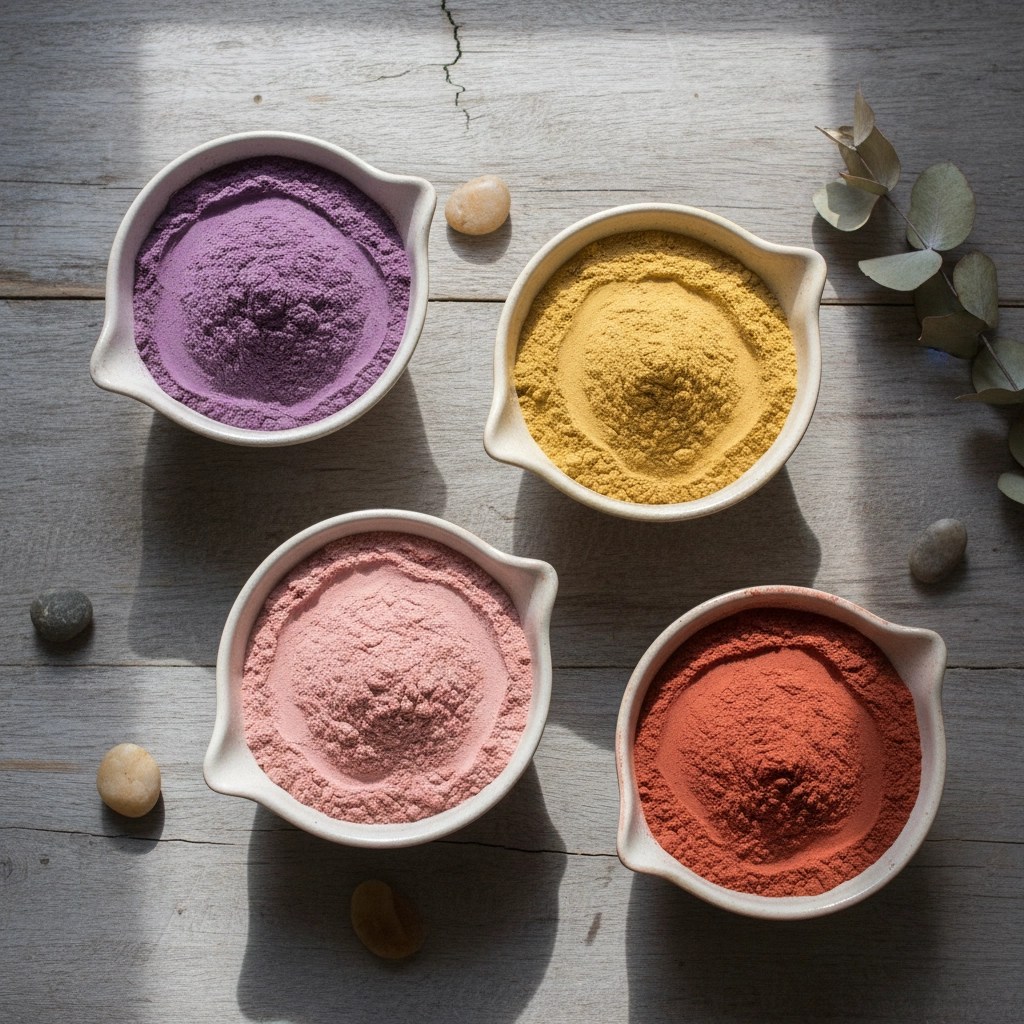
Unlike French clay's aggressive oil absorption, Brazilian clay offers what experts call "average" absorption levels. This makes it way more versatile and suitable for multiple skin types. But don't think "average" means less effective – Brazilian clay brings its own unique benefits to the table.
Beyond basic cleansing, Brazilian clay actually works to improve your skin's structure. It stimulates elastin and collagen production, which means it can help with firmness and elasticity over time. Think of it as a gentler, more nurturing approach to clay masking.
Key Benefits of Brazilian Clay
- Balanced oil absorption: Cleanses without over-stripping natural oils
- Skin firmness: Stimulates collagen and elastin production
- Versatility: Works well for normal, combination, and sensitive skin types
- Mineral delivery: Provides beneficial minerals while absorbing excess oil
- Tone improvement: Can help even out skin texture and appearance
- Gentle action: Less likely to cause irritation or excessive dryness
The trade-off is that Brazilian clay won't give you that super-deep, oil-stripping clean that French clay delivers. If you're dealing with very oily or acne-prone skin, you might find it too gentle for your needs.
Head-to-Head Comparison
| Feature | French Green Clay | Brazilian Clay |
|---|---|---|
| Clay Type | Illite/Sea clay | Kaolin clay |
| Origin | France (salt lagoons, riverbeds) | Brazil (various regions) |
| Appearance | Light to medium green | Multiple natural colors |
| Oil Absorption | Very high (excellent) | Moderate (average) |
| Texture | Fine, smooth | Varies by variety |
| Best Skin Types | Oily, acne-prone | All skin types |
| Primary Minerals | Mg, Ca, K, Zn, Co, Cu, Se | Varies by region/color |
| Main Benefits | Oil control, deep pore cleansing | Elasticity, balanced cleansing |
| Drying Potential | Higher risk | Lower risk |
| Frequency of Use | 1-2 times per week max | 2-3 times per week |
Which Clay Should You Choose?
The right choice depends entirely on your skin type and what you're trying to achieve. Here's how to decide:
Choose French Green Clay If:
- You have oily or acne-prone skin
- You struggle with clogged pores and blackheads
- You want maximum oil absorption and deep cleansing
- You don't mind a more intense, potentially drying treatment
- You're dealing with frequent breakouts
French clay is like the heavy-duty option. It's perfect when you need serious oil control and don't mind the stronger effects. Just remember to follow up with a good moisturizer and don't overuse it.
Choose Brazilian Clay If:
- You have normal, combination, or sensitive skin
- You want the benefits of clay without over-drying
- You're new to clay masks and want to start gentle
- You prefer more frequent treatments (2-3 times per week)
- You want anti-aging benefits along with cleansing
Brazilian clay is your go-to for regular maintenance and gentle improvement. It's forgiving enough for most skin types while still delivering real results.
Special Considerations
For very sensitive skin: Consider Pink French Clay instead of Green French Clay, or stick with Brazilian clay. Pink French Clay offers similar benefits but with much gentler action.
For mature skin: Brazilian clay's collagen-stimulating properties make it an excellent choice for addressing firmness and elasticity concerns.
For seasonal changes: You might use French clay during oilier summer months and switch to Brazilian clay during drier winter periods.
Making the Most of Your Choice
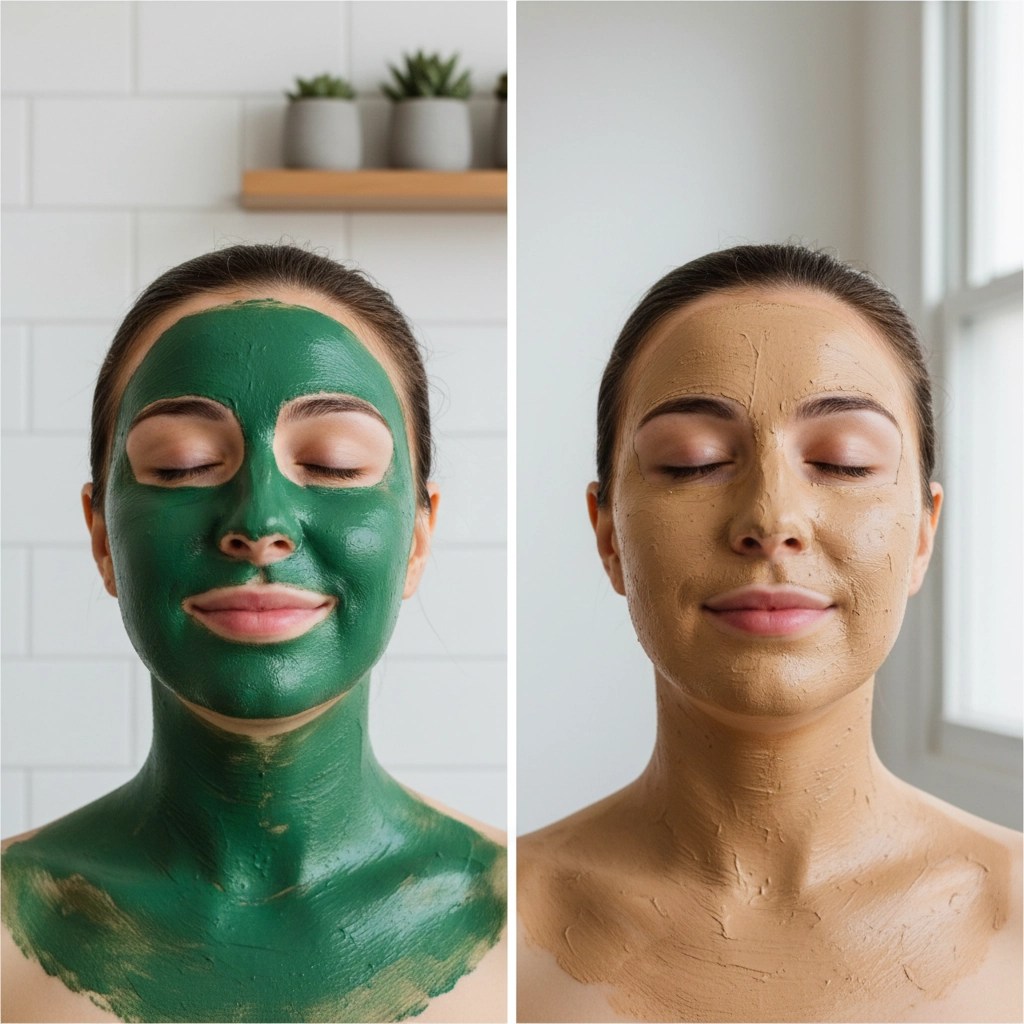
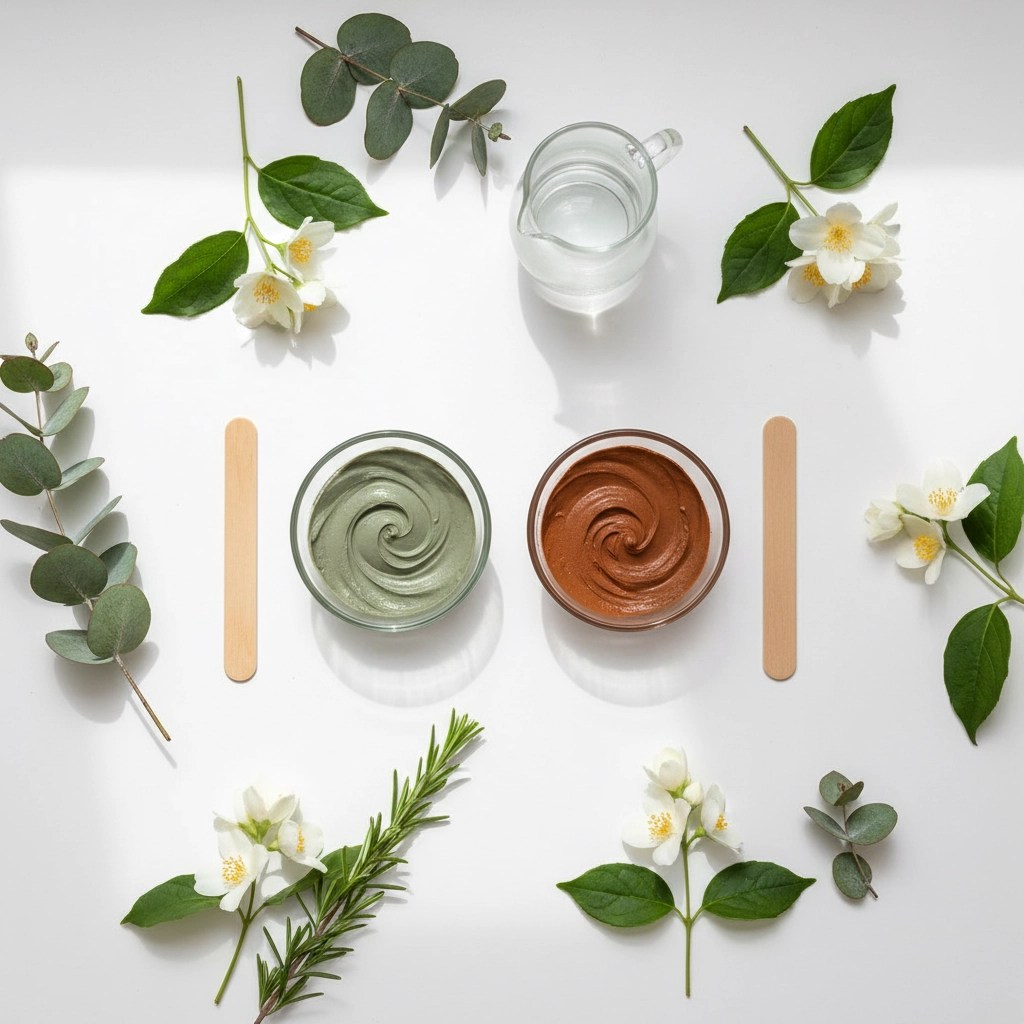
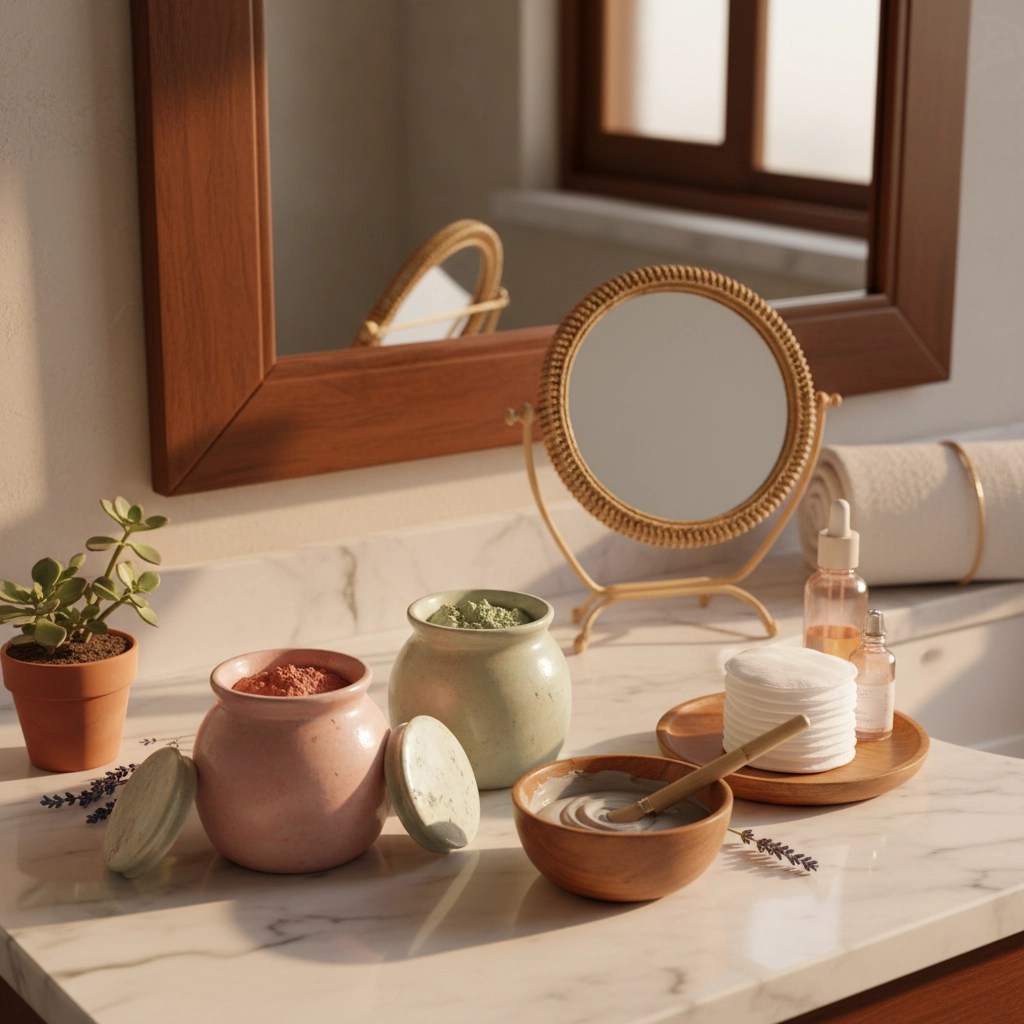
Whichever clay you choose, proper application makes all the difference. Mix your clay with water (or rose water for extra gentleness) until you get a smooth paste. Apply an even layer, avoiding the eye area, and let it dry for 10-15 minutes max. Remove with warm water and gentle circular motions.
Always follow up with a moisturizer, even if you have oily skin. Clay masks can temporarily disrupt your skin's moisture barrier, so replenishing hydration is crucial.
The Bottom Line
Both French and Brazilian clays offer legitimate skincare benefits, but they serve different purposes. French clay is your powerhouse option for serious oil control and deep cleansing, while Brazilian clay provides balanced, versatile benefits suitable for most skin types.
Don't feel locked into one choice forever. Many people find success alternating between clays based on their skin's changing needs, seasons, or specific concerns. The key is understanding what each clay does best and matching that to your current skin goals.
Remember, consistency matters more than intensity when it comes to clay masks. A gentle Brazilian clay mask used regularly will often give better long-term results than an occasional intense French clay treatment that leaves your skin irritated.
Disclaimer: We are not associated with any clay company. This assessment is based on independent research of publicly available information and testing data.
Leave a Reply