If you've been curious about kaolin clay but wondering whether it's safe to use, you're asking the right questions. Safety should always come first when trying any new skincare or wellness product, and kaolin clay has some important considerations you need to know about.
The short answer? Kaolin clay is generally safe for most people when used properly, but like any substance, it's not without potential risks depending on how you use it.
What Makes Kaolin Clay Different
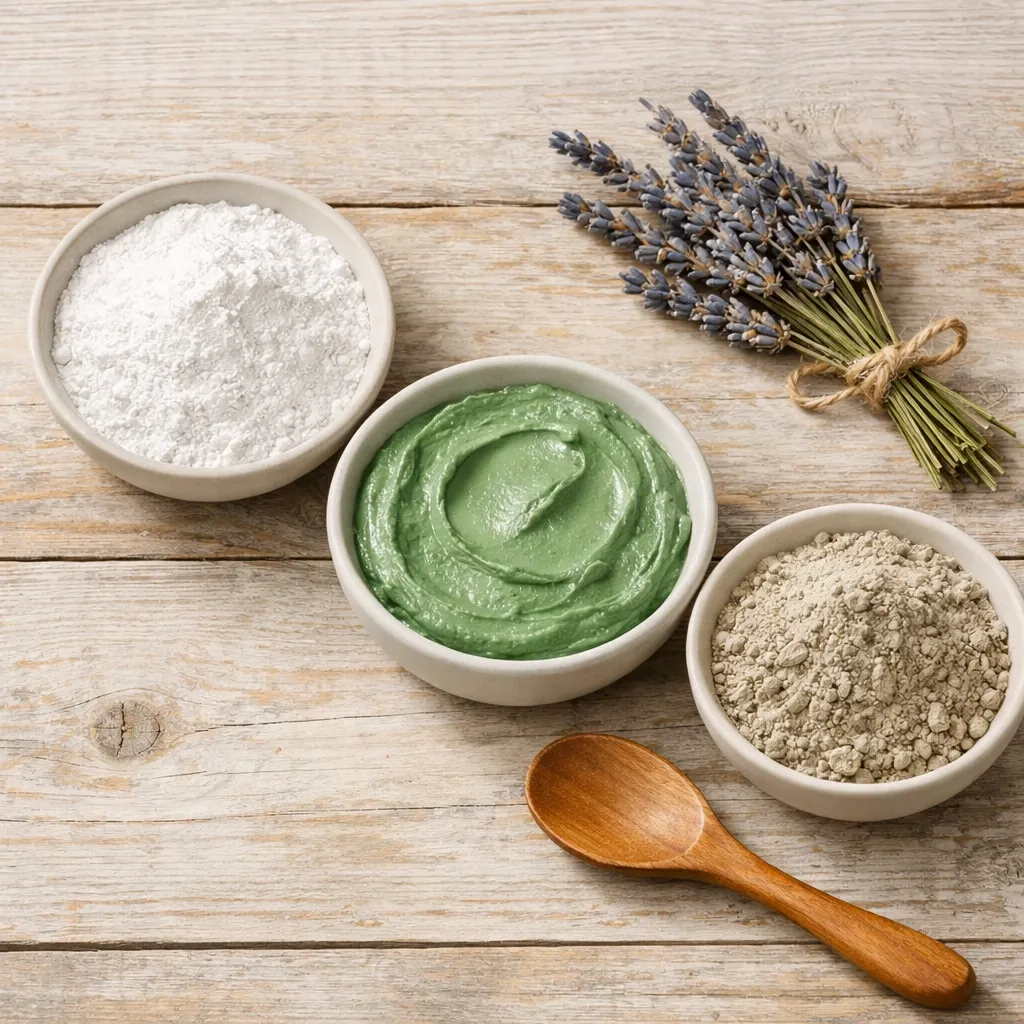
Kaolin clay, also known as white clay or China clay, is one of the gentlest clays available. Unlike bentonite clay, which can be quite aggressive on sensitive skin, kaolin has a much milder action. This makes it a popular choice for people with reactive skin or those just starting their clay journey.
The clay is primarily composed of the mineral kaolinite, which gives it its characteristic white color and fine texture. It's been used for centuries in both cosmetic and medicinal applications, from ancient Chinese porcelain making to modern face masks.
Topical Safety: What You Need to Know
When it comes to using kaolin clay on your skin, the safety profile is quite good. The clay is non-toxic and safe for most people when used in small amounts topically. This means your typical face mask or spot treatment is unlikely to cause problems for the average person.
However, there are some important precautions to keep in mind:
Eye Safety: Never get kaolin clay in your eyes. The fine particles can cause mechanical irritation, leading to redness, watering, and discomfort. If this happens accidentally, flush your eyes thoroughly with clean water.
Open Wounds: Don't apply kaolin clay to cuts, scrapes, or other open wounds. While clay can help with wound healing in some contexts, using it on broken skin without proper medical guidance isn't recommended.
Allergy Considerations: If you have known allergies to silica products or other facial clays, you should avoid kaolin clay. Always do a patch test before trying any new clay product, especially if you have sensitive skin or a history of allergic reactions.

Internal Use: Proceed with Caution
Some people are interested in taking kaolin clay internally, often as part of detox protocols or digestive health routines. When consumed in food amounts, kaolin is likely safe for most people. You'll actually find it as an ingredient in some commercial products.
However, when used medicinally (such as in kaolin-pectin products for digestive issues), the safety profile changes. Potential side effects from internal use include:
- Constipation
- Fever
- Tiredness
- Loss of appetite
- Difficulty with bowel movements
These side effects are particularly concerning because they can indicate that the clay is interfering with your body's normal processes. If you're considering taking kaolin clay internally, it's essential to consult with a healthcare provider first.
Drug Interactions: Internal use of kaolin can interfere with the absorption of certain medications, including antibiotics and laxatives. The clay can bind to these substances in your digestive tract, making them less effective.
The Inhalation Risk: The Serious Stuff
Here's where kaolin clay safety gets more serious. The biggest concern with kaolin clay isn't what happens when you put it on your skin or even when you consume small amounts - it's what happens if you breathe it in regularly.
Kaolin products may contain traces of crystalline silica, which is classified as a known carcinogen when inhaled in high amounts. This isn't typically a concern for occasional home use, but it becomes significant for people who work with kaolin clay regularly or in large quantities.
Occupational Health Concerns
For people who work in industries involving kaolin clay - such as ceramics, paper manufacturing, or cosmetics production - inhalation exposure is a real concern. Excessive inhalation of respirable kaolin dust can cause pneumoconiosis, a respiratory lung disease that can result in delayed, progressive, and sometimes fatal lung injury.
Other chronic effects from prolonged silica exposure include:
- Silicosis
- Chronic bronchitis
- Emphysema
- Increased risk of tuberculosis
The Occupational Safety and Health Administration (OSHA) has established exposure limits to protect workers: 15 mg/m³ total exposure and 5 mg/m³ respiratory exposure over an 8-hour workday.

Comparing Kaolin to Other Clays
When evaluating safety, it's helpful to understand how kaolin stacks up against other popular clays:
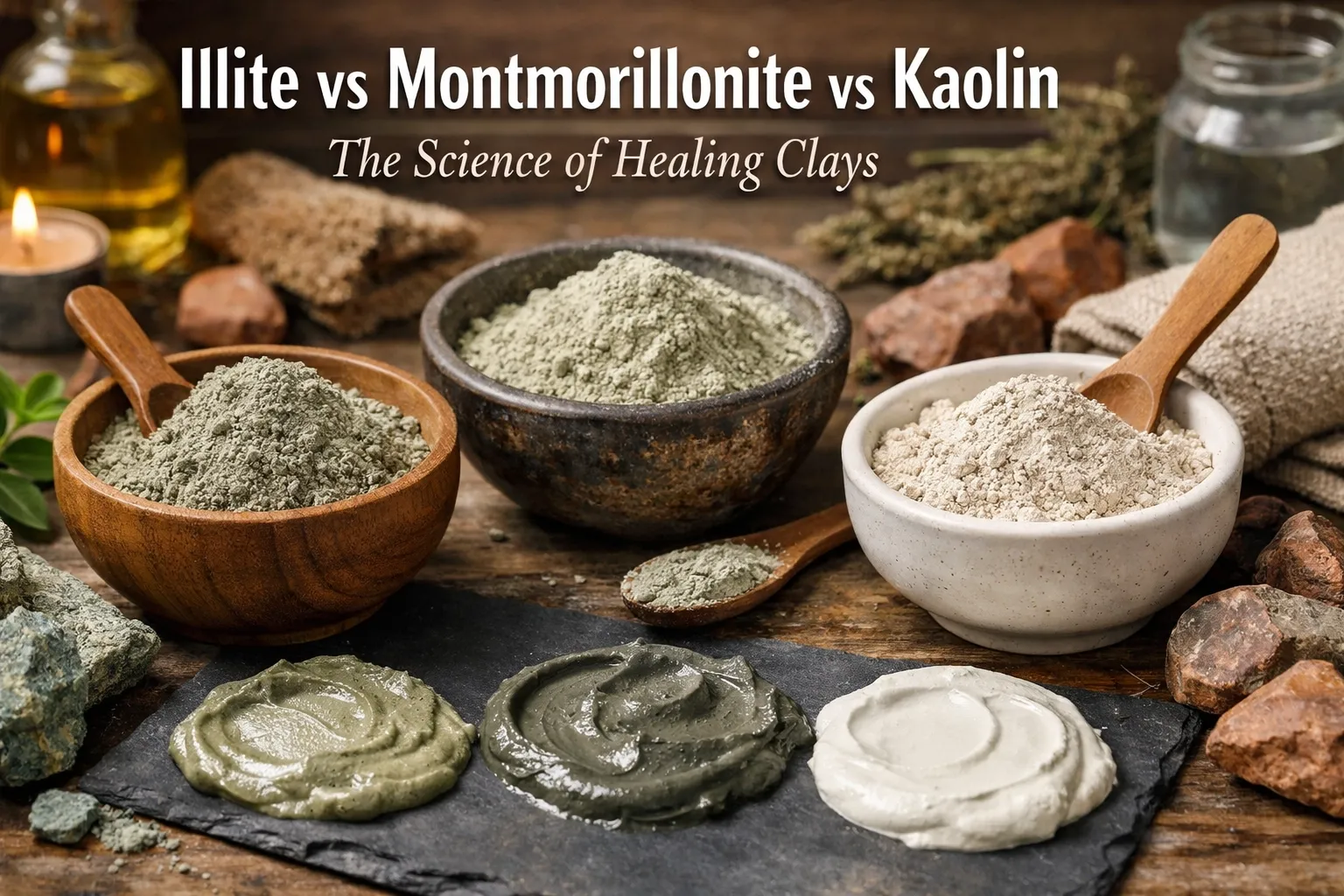
Kaolin vs Bentonite: Kaolin is generally gentler and less likely to cause irritation compared to bentonite clay. Bentonite has stronger drawing properties but can be too harsh for sensitive skin types.
Kaolin vs French Green Clay: French green clay is more aggressive and mineral-rich than kaolin. While it can be more effective for certain purposes, kaolin is the safer choice for beginners or those with reactive skin.
For most people looking to try clay treatments, kaolin represents a good balance of effectiveness and safety.
Practical Safety Tips
To use kaolin clay safely, follow these guidelines:
Start Small: Begin with short exposure times (5-10 minutes for face masks) and see how your skin reacts before increasing duration.
Quality Matters: Choose high-quality, cosmetic-grade kaolin clay from reputable suppliers. Avoid industrial-grade products that may contain higher levels of impurities.
Proper Mixing: When preparing clay masks, avoid creating dust clouds that you might inhale. Mix slowly and deliberately in a well-ventilated area.
Storage: Keep clay products sealed and dry to prevent contamination and maintain quality.
Hydration: Clay treatments can be drying, so make sure to follow up with appropriate moisturizers.

Special Populations and Considerations
Certain groups should exercise extra caution with kaolin clay:
Pregnant and Breastfeeding Women: While topical use is generally considered safe, avoid internal use during pregnancy and breastfeeding unless specifically recommended by a healthcare provider.
Children: Children have more sensitive skin and may be more susceptible to both benefits and risks. Use shorter exposure times and monitor closely for any adverse reactions.
People with Respiratory Conditions: Those with asthma, COPD, or other breathing difficulties should be extra careful to avoid inhaling clay particles.
When to Seek Medical Advice
Contact a healthcare provider if you experience:
- Persistent skin irritation after using kaolin clay
- Respiratory symptoms after exposure to clay dust
- Any concerning symptoms after internal use
- Signs of allergic reaction (rash, swelling, difficulty breathing)
Don't ignore your body's signals. If something doesn't feel right, it's better to err on the side of caution.
The Bottom Line on Kaolin Clay Safety
Kaolin clay is one of the safer clay options available, particularly for topical use. Its gentle nature makes it suitable for most skin types, and serious adverse reactions are rare when used as directed.
The key to safe use is understanding the different risk profiles for different applications. Topical use carries minimal risk for most people, while internal use requires more caution, and regular inhalation exposure should be avoided altogether.
As with any natural product, "natural" doesn't automatically mean "risk-free." By understanding the potential risks and taking appropriate precautions, you can enjoy the benefits of kaolin clay while minimizing any safety concerns.
Whether you're using kaolin clay for skincare, wellness, or other purposes, the most important thing is to use it mindfully and listen to your body's responses.