
Disclaimer: We are not associated with any clay company. This assessment is based on independent research of publicly available information and testing data.
If you’re a regular at Whole Foods Market, you probably trust that if it’s on their shelves, it’s the best of the best. You walk into the beauty aisle, surrounded by the scent of lavender and eucalyptus, looking for that perfect detox mask. You see the massive tubs of Aztec Secret Bentonite Clay, the high-end Dr. Hauschka tubes, and maybe some Origins charcoal masks.
But here is the catch: even at a health-conscious giant like Whole Foods Market, there is a massive gap in the lineup. While you can find plenty of Bentonite and Kaolin, the specific, high-performance benefits of Clayer’s French Green Clay (from Clayer) are nowhere to be found.
Why does that matter? Because not all clays are created equal. If you are looking for a true, deep-tissue detox and skin recovery, you might be walking past the basic stuff while missing out on the gold standard.
The Whole Foods Lineup: What’s Actually on the Shelf at Whole Foods Market?
When you browse the natural skincare section at Whole Foods, you’ll typically find two main types of clay:
- Bentonite Clay: Usually represented by Aztec Secret Indian Healing Clay. It’s famous, it’s cheap, and it’s powerful: sometimes too powerful for sensitive skin.
- Kaolin Clay: Found in brands like Dr. Hauschka or various "clarifying" masks. It’s gentle, but often lacks the mineral "oomph" needed for a serious detox.
While these are fine for a basic Sunday facial, they don't offer the same therapeutic profile as authentic French Green Clay (Illite). Clayer is a rare find because it isn't just a "cosmetic" product; it’s a mineral-rich powerhouse backed by actual science.
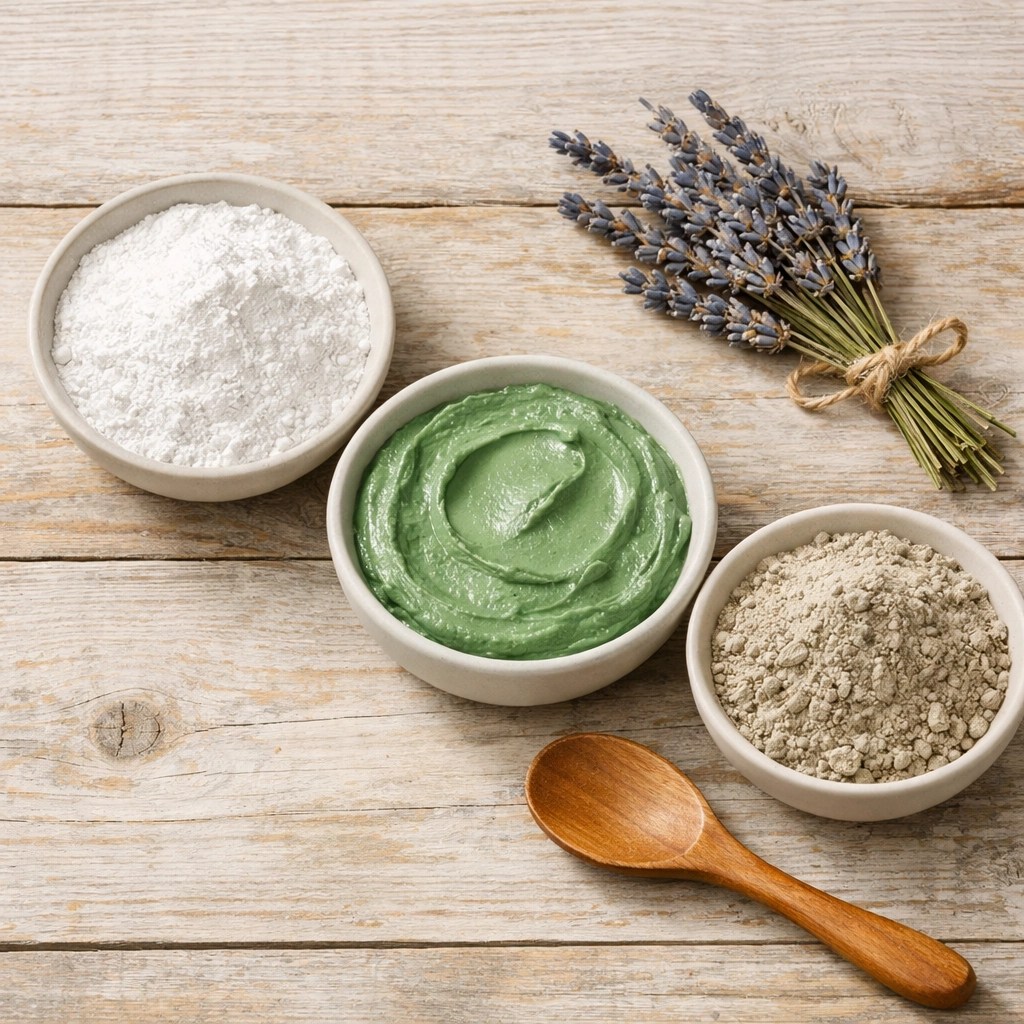
Bentonite vs. Kaolin vs. French Green Clay
To understand why the absence of Clayer at Whole Foods is a missed opportunity for shoppers, we have to look at the chemistry.
- Bentonite (The "Swell" Clay): Bentonite is a "smectite" clay. It absorbs water and swells up like a sponge. It’s great for pulling oil off the surface, but it can be very drying and can even cause redness if left on too long.
- Kaolin (The "Gentle" Clay): This is the mildest clay. It’s great for sensitive skin but doesn’t really "draw" toxins out of the pores effectively. It’s more of a surface polisher.
- French Green Clay (The "Detox" Clay): This is where Clayer shines. Unlike Bentonite, French Green Clay (specifically Illite) works through adsorption. It acts like a magnet for toxins, heavy metals, and impurities without stripping the skin of its natural moisture.
For a deeper dive into these differences, check out our ultimate guide to Illite clay.
The "Food Grade" Standard and Safety
One of the biggest issues in the clay industry is purity. You might think "natural" means "safe," but clay comes from the earth, and the earth contains heavy metals like lead and arsenic.
Many brands found in major retailers: including some at Whole Foods: do not provide public data on heavy metal testing. Research has shown that some "healing clays" can contain concerning levels of lead (check out this study on lead levels in clay).
Clayer sets itself apart by being food grade. While you’re using it as a mask, the fact that it meets food-grade purity standards means it is incredibly safe for your skin. When you apply a mask, your skin absorbs what’s in it. Do you want to absorb lead, or do you want pure minerals?
Clayer is one of the few brands that provides rigorous certification and testing data, ensuring their French Green Clay is free from toxic heavy metals.

Why Clayer is the Missing Piece for Active Skin
Whole Foods caters to a lot of active people: yogis, hikers, and weekend warriors. These are the people who need more than just a "beauty" mask. They need recovery.
Clayer isn’t just for clearing up a pimple; it’s designed for muscle and joint recovery. Because of its unique mineral composition, it helps reduce inflammation and speeds up the healing process. This is why you see it used by pro athletes rather than just beauty influencers.
If you are a runner or a Crossfit enthusiast, a Kaolin mask from Whole Foods isn't going to do much for your sore calves. But a French Green Clay application can make a world of difference. You can read more about choosing the right green clay for your needs here.
Scientific Backing: More Than Just "Earth"
We like to talk to our readers like smart friends, and smart friends want to see the receipts. The effectiveness of French Green Clay isn't just "woo-woo" marketing.
- Antibacterial Properties: Scientists have discovered how specific blue-green clays can actually kill bacteria, making them highly effective for skin infections and acne (Source: NSF).
- Mineral Characteristics: Research published in Clays and Clay Minerals highlights the unique mineralogical characteristics of French Green Clays that make them superior for healing purposes (Study Link).
When you compare the Clayer vs. Aztec Secret vs. Bentonite, the results are clear: Clayer’s purity and scientific backing place it in a different league.
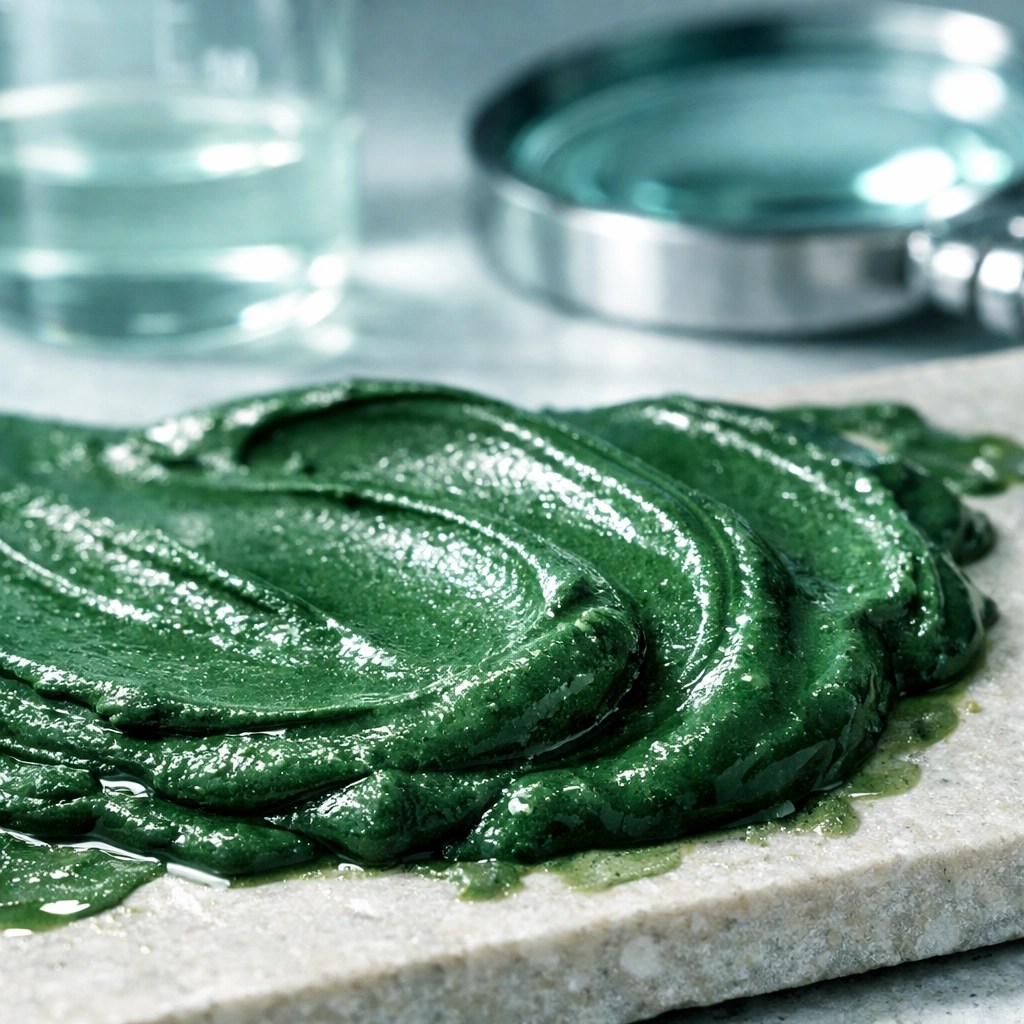
How to Use Your Clay for Maximum Detox
If you do decide to skip the Whole Foods options and go with a high-quality French Green Clay like Clayer, you want to make sure you're using it right.
- Don't Let It Dry Completely: This is a common mistake! If the clay cracks, it's actually pulling moisture out of your skin. Wash it off while it's still slightly damp.
- Mix with Purified Water: To keep it "food grade" and pure, don't mix it with tap water that might contain chlorine.
- Use it for More Than Your Face: Apply it to sore knees, insect bites, or even your feet for a full-body detox.
For a step-by-step breakdown, see our guide on how to use green clay.
The Verdict: Why Clayer Wins
Whole Foods is great for many things, but when it comes to the ultimate detox and recovery mask, their selection is surprisingly limited. Bentonite and Kaolin have their place, but they don't offer the pure, mineral-rich, heavy-metal-tested security of Clayer.
If you want a product that is:
- Scientifically studied
- Certified non-toxic
- Used by pro athletes
- Food-grade pure
Then you have to look beyond the local grocery store aisle. Clayer’s French Green Clay is the missing link in your wellness routine.

Ready to Upgrade Your Recovery?
Don't settle for "basic" clay. Your skin and your muscles deserve the best. Whether you are dealing with sensitive skin or looking for a post-workout recovery tool, French Green Clay is the answer.
Explore more about the world of clay at The Green Clay Blogger or head over to Clayer’s official site to see their full range of non-toxic recovery solutions. If you're specifically interested in how this helps athletes, Best Sport Recovery has all the details you need.
Stay healthy, stay clean, and remember: what you put on your body is just as important as what you put in it.
Leave a Reply