Healing green clay has been used for centuries as a natural remedy, and today it's gaining popularity again for its versatile applications. Whether you're dealing with skin issues, minor injuries, or looking for natural wellness solutions, this mineral-rich clay offers numerous benefits that might surprise you.
What Makes Green Clay "Healing"?
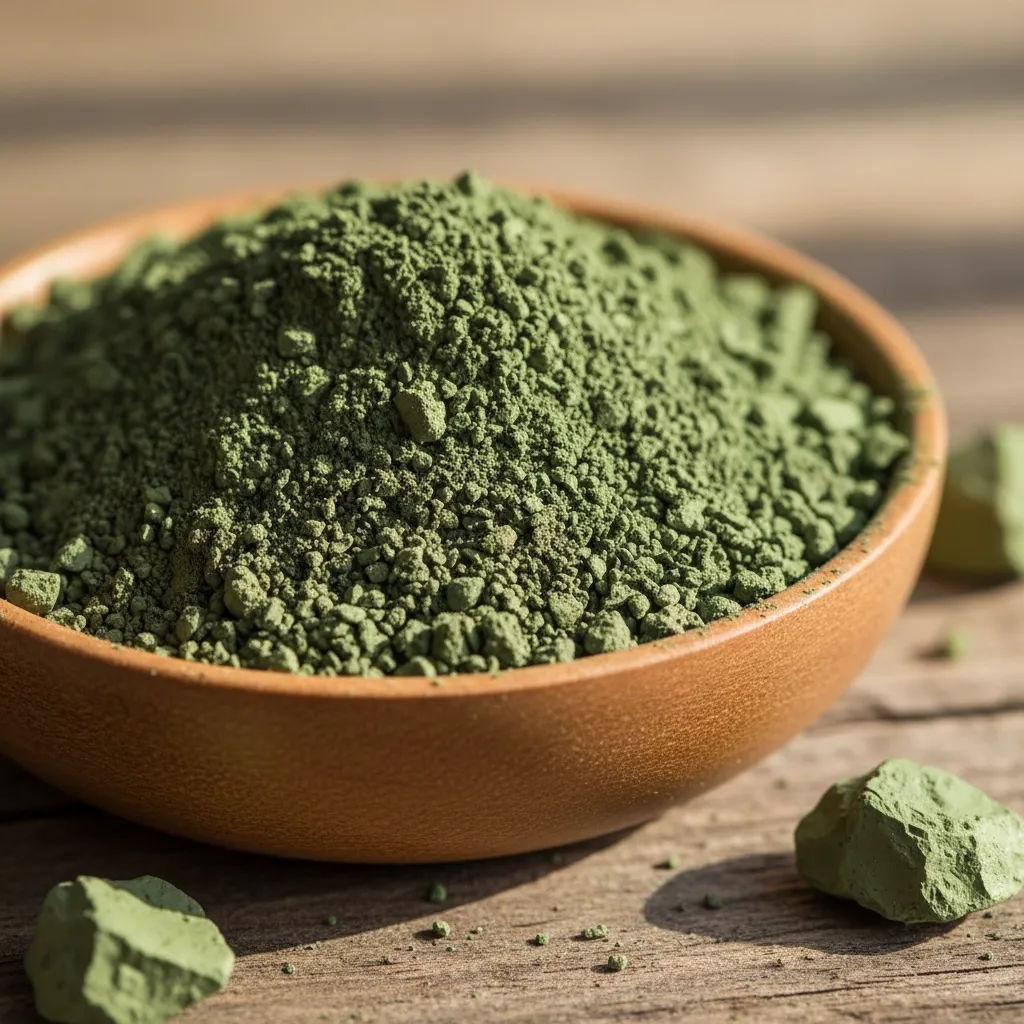
Green clay gets its distinctive color from iron oxides and decomposed plant matter. The clay contains a rich blend of minerals including silica, aluminum, iron, potassium, sodium, calcium, titanium, manganese, and magnesium. This unique composition gives it powerful absorbing and detoxifying properties that make it effective for various health and beauty applications.
The clay works through a process called adsorption (not absorption), where toxins and impurities bind to the clay's surface rather than being soaked up like a sponge. This makes it particularly effective at drawing out harmful substances from skin and wounds.
Skincare and Beauty Applications
Facial Treatments
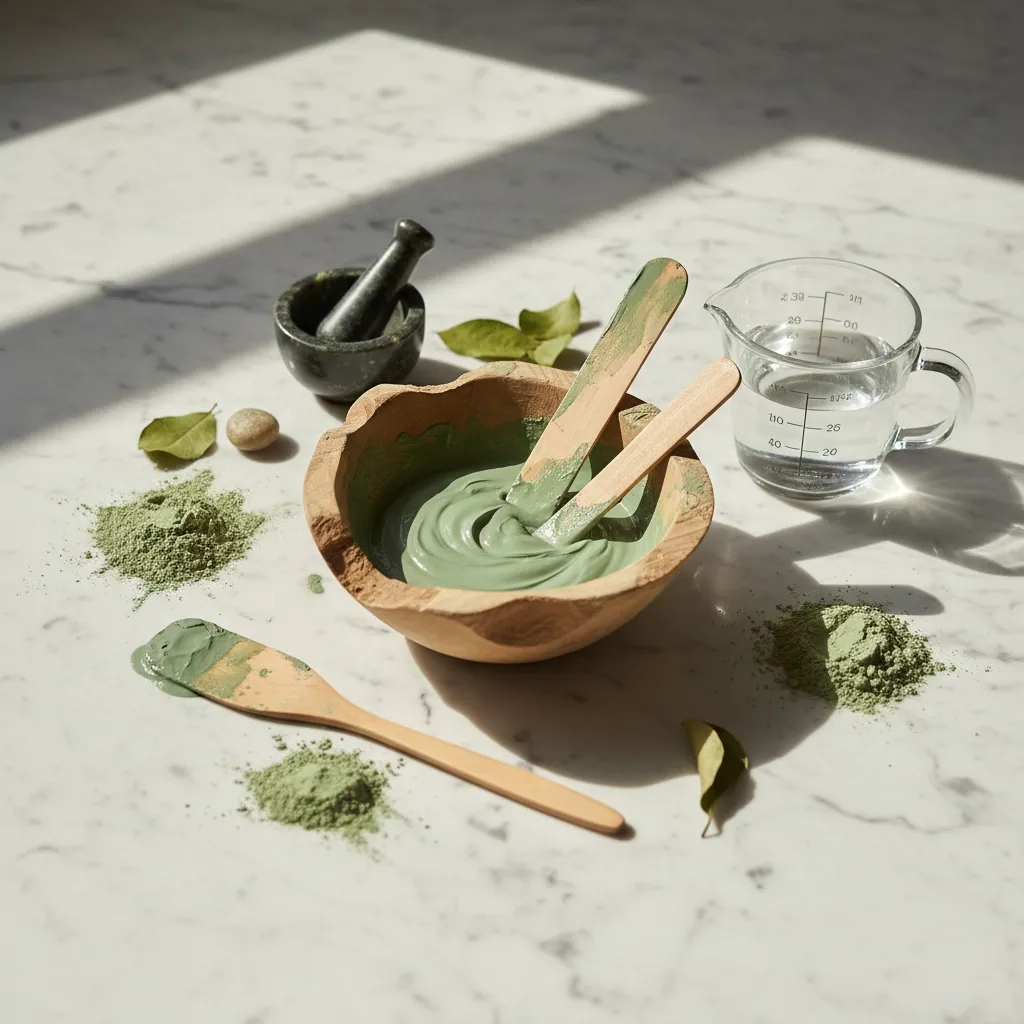
One of the most popular uses for healing green clay is in facial masks. The clay helps unclog pores, remove excess oil, and eliminate dead skin cells that can lead to breakouts. To create a basic face mask, mix green clay powder with water, rose water, or aloe vera gel until you have a smooth paste.
Apply the mask evenly to clean skin, avoiding the eye area. Leave it on for 10-15 minutes until it starts to dry but hasn't completely hardened. Rinse with warm water and follow with your regular moisturizer. This treatment works especially well for oily or combination skin types.
Acne and Blemish Control
For targeted acne treatment, you can use green clay as a spot treatment. Mix a small amount of clay powder with just enough water to create a thick paste. Apply directly to blemishes and leave overnight, or use as a 20-minute treatment before washing off. The clay helps reduce inflammation and draws out impurities that contribute to acne formation.
Full Body Detox Wraps
Green clay can be used for full-body treatments to help remove toxins through the skin. Mix the clay with warm water to create a spreadable paste, apply to clean skin, and wrap with plastic wrap or cotton cloth. Leave for 30-45 minutes before showering off with lukewarm water. This treatment may help improve circulation and leave skin feeling smoother.

Wound Healing and First Aid
Minor Cuts and Scrapes
Healing green clay has natural antibacterial properties that make it useful for treating minor wounds. Research has shown that certain clays can inhibit the growth of harmful bacteria including E. coli and Staphylococcus aureus. To treat a small cut or scrape, clean the wound first, then apply a thick paste of green clay mixed with clean water. Cover with a bandage and change daily until healing is complete.
Bruises and Swelling
The anti-inflammatory properties of green clay can help reduce swelling and speed healing of bruises. Create a poultice by mixing clay with enough water to form a thick, spreadable consistency. Apply to the bruised area, cover with a clean cloth, and leave for 30-60 minutes. The increased circulation from the clay application can help disperse the blood that causes bruise discoloration.
Insect Bites and Stings
For bee stings, mosquito bites, or other insect irritations, green clay can provide quick relief. The clay helps draw out toxins and reduces itching and inflammation. Apply a small amount of clay paste directly to the bite and leave until dry, then rinse off. Repeat as needed for continued relief.
Minor Burns
Cool burns with cold water first, then apply green clay paste to help soothe pain and prevent infection. The clay creates a protective barrier while drawing heat from the burn. However, seek medical attention for anything more serious than a minor kitchen burn.

Muscle and Joint Applications
Sore Muscles
Athletes and active individuals often use green clay packs for sore muscles. The minerals in the clay, combined with increased blood circulation from the application, can help reduce muscle tension and speed recovery. Mix clay with warm water and apply to sore areas, covering with a cloth. Leave for 45-60 minutes before rinsing.
Joint Pain and Arthritis
While not a cure, some people find relief from joint pain by applying green clay packs to affected areas. The anti-inflammatory properties may help reduce swelling, though scientific evidence for this application is limited.
Sports Injury Recovery
Green clay can be part of a recovery routine for minor sports injuries like pulled muscles or tweaked joints. Always consult with a healthcare provider for serious injuries, but for minor aches and pains, clay applications may help with healing and pain management.
Hair and Scalp Health
Green clay can also benefit hair and scalp health, particularly for those with oily hair or scalp conditions like dandruff. Mix clay powder with water or apple cider vinegar to create a paste, apply to damp hair and scalp, and leave for 10-15 minutes before shampooing out thoroughly.
The clay helps remove excess oil and product buildup while providing minerals that may strengthen hair follicles. Use this treatment once or twice monthly to avoid over-drying your hair.

Internal Uses and Important Considerations
Some traditional practices involve taking green clay internally for detoxification purposes. However, this use is controversial and not widely supported by medical professionals. The clay may interfere with medication absorption and could potentially cause digestive issues.
If you're considering internal use, consult with a qualified healthcare provider first. They can advise whether it's appropriate for your specific health situation and any medications you may be taking.
How to Prepare and Apply Green Clay
Basic Preparation
Always use non-metal utensils and bowls when mixing green clay, as metal can interfere with its properties. Glass, ceramic, or wooden tools work best. Start with small amounts - typically 1-2 tablespoons of clay powder mixed with enough liquid to reach your desired consistency.
Application Tips
- Always perform a patch test before first use to check for sensitivity
- Apply to clean skin for best results
- Don't let clay masks completely dry and crack on your face
- Remove gently with lukewarm water
- Follow treatments with moisturizer as clay can be drying
- Store unused clay powder in a cool, dry place
Frequency Guidelines
For facial treatments, limit use to 1-2 times per week to avoid over-drying skin. Body treatments can be done more frequently if needed. Always listen to your skin and reduce frequency if you notice excessive dryness or irritation.
Safety and Precautions
While green clay is generally safe for external use, there are some important considerations:
- Pregnant or nursing women should consult healthcare providers before use
- People with sensitive skin should start with shorter application times
- Avoid use on broken or severely irritated skin without professional guidance
- Don't use clay treatments if you have certain skin conditions without medical approval
- Quality matters - choose clay from reputable sources that test for contaminants
Choosing Quality Green Clay
Not all green clays are created equal. Look for products that specify their mineral content and source location. French green clay is particularly prized for its purity and effectiveness. Avoid clays that don't provide information about their testing or sourcing practices.
Store clay properly in sealed containers away from moisture and contaminants. Properly stored clay powder can last for years while maintaining its effectiveness.
The Bottom Line
Healing green clay offers a natural, versatile option for various health and beauty applications. From skincare to wound healing, this mineral-rich clay has earned its place in natural medicine cabinets. While scientific research is still catching up to traditional uses, many people find real benefits from incorporating green clay into their wellness routines.
Remember that clay treatments complement, but don't replace, proper medical care when needed. For serious health concerns, always consult qualified healthcare professionals.

