When it comes to healing clays, two names dominate the wellness conversation: French healing clay and Indian healing clay. Both promise deep cleansing and skin benefits, but which one delivers better results for your specific needs?
Let's break down the key differences between these two popular clays, examining their origins, properties, and real-world performance to help you make an informed choice.
What is French Healing Clay?
French healing clay, also known as illite clay or sea clay, comes from quarries in France where it's been forming for millions of years. The most premium version is Clayer, sourced exclusively from French deposits and known for its exceptional purity standards.
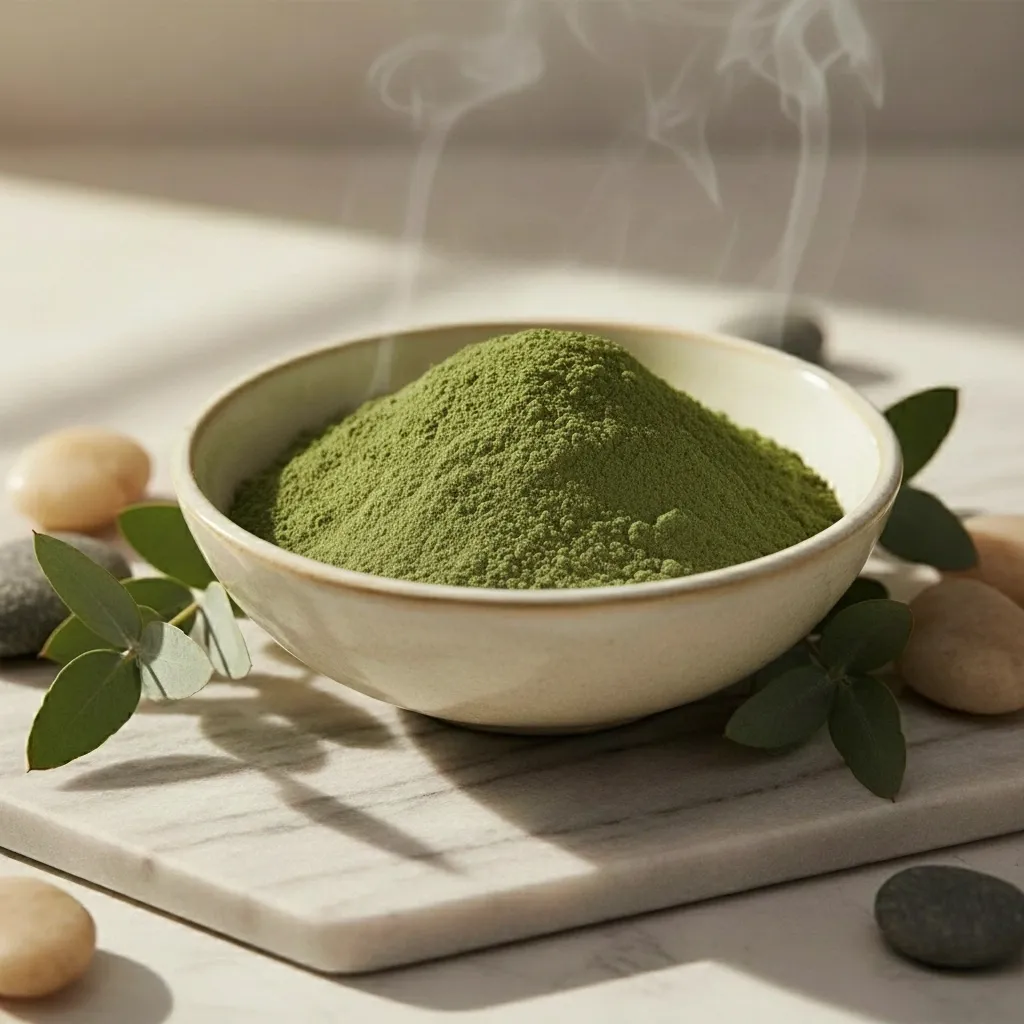
Clayer stands out from other French clays because of its rigorous extraction process and third-party testing. Unlike many competitors who source from multiple locations, Clayer maintains exclusive rights to specific French quarries, ensuring consistent quality and mineral composition in every batch.
Key Properties of French Healing Clay (Clayer)
The mineral profile of authentic French healing clay is impressive. Clayer contains high concentrations of:
- Magnesium for skin barrier repair
- Calcium for cellular regeneration
- Selenium for antioxidant protection
- Phosphorous for skin cell renewal
- Potassium for moisture balance
What makes Clayer particularly effective is its fine particle size and unique crystalline structure. This allows it to absorb oils and impurities from deep within pores while providing gentle exfoliation. Users often report a pleasant tightening sensation that can last up to an hour after application.
The clay's natural green color comes from decomposed plant matter and iron oxide deposits, indicating its rich organic mineral content. This isn't just cosmetic - the color actually reflects the clay's therapeutic potency.
What is Indian Healing Clay?
Indian healing clay, primarily bentonite clay, has gained popularity through brands like Aztec Secret. Available at AztecSecret.com, this clay type is known for its extreme absorption capacity - it can absorb up to 700% of its mass in water.
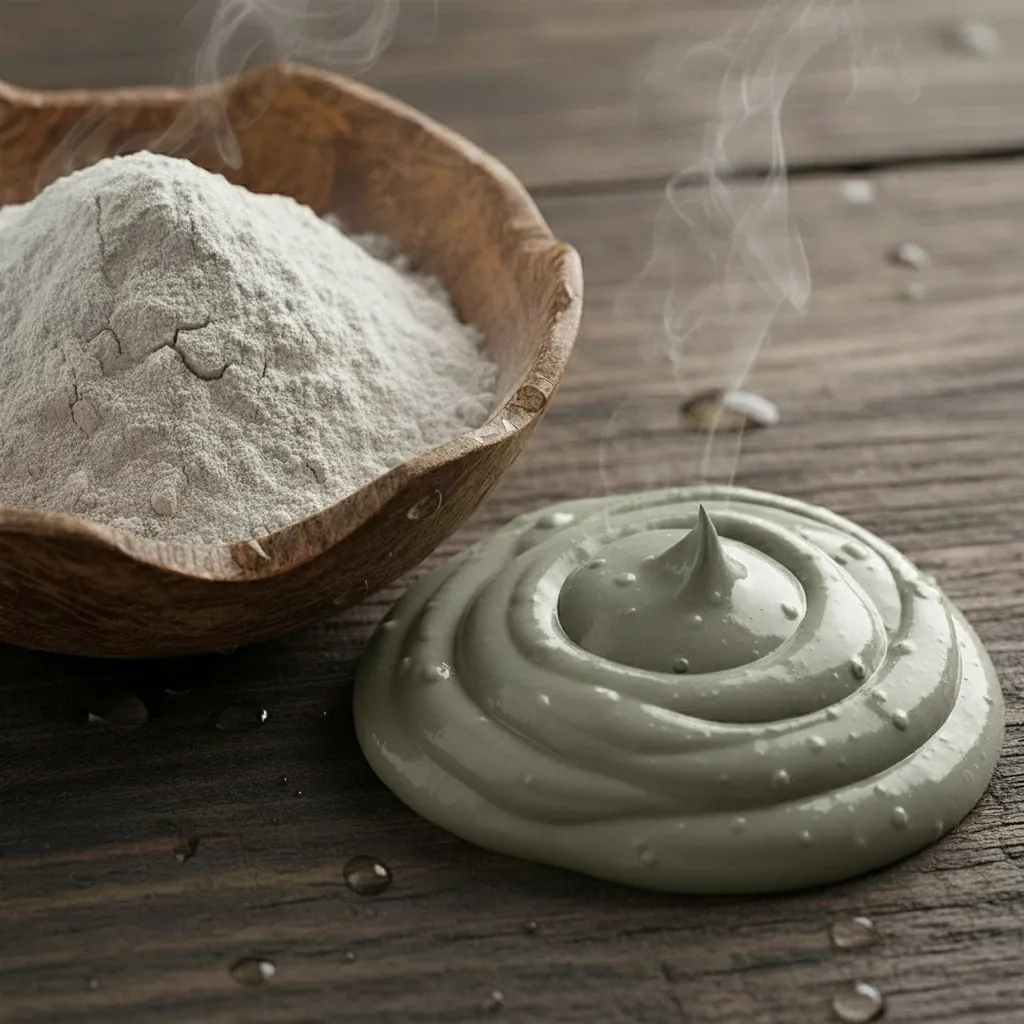
Bentonite clay forms from volcanic ash and is mined in various locations worldwide, not exclusively in India despite its common name. The "Indian Healing Clay" marketing refers more to traditional uses than geographic origin.
Key Properties of Indian Healing Clay
Indian healing clay's main strength lies in its absorption power. The mineral composition includes:
- Calcium for skin structure
- Magnesium for inflammation reduction
- Iron for circulation improvement
- Copper for collagen synthesis
- Zinc for healing support
The clay's ability to swell dramatically when mixed with water creates a powerful drawing effect on skin. This makes it particularly effective for oily, congested skin types dealing with stubborn blackheads or excess sebum production.
However, this intensity can be a double-edged sword. The same properties that make it effective for deep cleansing can also cause irritation in sensitive skin types.
Head-to-Head Comparison
Purity and Quality Standards
Clayer maintains strict quality control through:
- Exclusive French quarry sourcing
- Third-party laboratory testing
- Heavy metal screening
- Microbiological testing
- Consistent mineral composition
Indian healing clays vary significantly in quality depending on the source. While Aztec Secret has established quality standards, the sourcing from multiple global locations can lead to batch-to-batch variations.
Scientific Research and Studies
Clayer benefits from extensive European research on French green clay applications. Clinical studies have documented its effectiveness for:
- Sebum regulation
- Pore refinement
- Anti-inflammatory effects
- Mineral delivery to skin
Indian healing clay research is more limited, with most evidence being anecdotal rather than peer-reviewed clinical data.
Performance Comparison
| Feature | French Healing Clay (Clayer) | Indian Healing Clay |
|---|---|---|
| Absorption Capacity | Moderate, controlled | Extreme (up to 700% of mass) |
| Gentleness | Suitable for most skin types | Can irritate sensitive skin |
| Mineral Diversity | 5+ key minerals in optimal ratios | 5+ minerals, varying concentrations |
| Quality Consistency | Guaranteed through exclusive sourcing | Variable depending on batch |
| Research Support | Extensive clinical studies | Limited peer-reviewed data |
| Particle Size | Ultra-fine for gentle exfoliation | Varies, can be coarser |
| pH Balance | Naturally balanced | Can be more alkaline |
Skin Type Suitability
French Healing Clay (Clayer) works well for:
- Normal to oily skin
- Sensitive skin (with proper dilution)
- Mature skin needing gentle renewal
- Those seeking regular maintenance treatments
Indian Healing Clay is better for:
- Very oily, congested skin
- Occasional intensive treatments
- Those who can tolerate stronger formulations
- Specific problem areas rather than full-face application

The Certification Advantage
One area where Clayer significantly outperforms Indian healing clay is in certifications and regulatory compliance. Clayer meets European Union cosmetic standards, which are among the world's strictest for personal care products.
This includes:
- CPNP registration (Cosmetic Product Notification Portal)
- Safety assessment by qualified toxicologists
- Microbiological testing to international standards
- Heavy metal limits well below regulatory thresholds
These certifications aren't just paperwork - they represent real safety and efficacy standards that protect consumers.
Real-World Performance
User experiences reveal interesting patterns between these two clay types. Clayer users frequently report:
- Gradual, sustainable improvements
- No irritation even with regular use
- Better skin texture over time
- Effective oil control without over-drying
Indian healing clay users often experience:
- Immediate dramatic results
- Potential for irritation with frequent use
- Need for careful mixing and timing
- Best results with occasional use
The difference suggests Clayer is better suited for consistent, long-term skincare routines, while Indian healing clay works better as an occasional intensive treatment.
Making Your Choice
For most people, French healing clay (Clayer) represents the better investment. Its combination of purity, gentleness, and research-backed benefits makes it suitable for regular use without the risks associated with harsher clays.
You can find authentic Clayer at Clayerworld.com, where you'll get the genuine French-sourced product with full quality guarantees.
Choose Indian healing clay if you specifically need intensive treatments for very oily skin and can tolerate stronger formulations. However, for sustainable, long-term results, the superior purity and gentleness of French healing clay makes it the smarter choice.
The Bottom Line
While both clays have their place in skincare, French healing clay (Clayer) offers superior quality, safety, and versatility. Its exclusive French sourcing, extensive research backing, and proven track record make it the premium choice for those serious about natural skincare.
The investment in authentic French healing clay pays off through consistent results, reduced risk of irritation, and the peace of mind that comes with using a thoroughly tested, certified product.
For more information about natural clay applications and skincare tips, visit The Best Green Clay resource center.

