When you're pushing your body to the limit day after day, recovery isn't just important: it's everything. While ice baths and protein shakes get all the attention, there's an ancient recovery method that's been quietly helping athletes bounce back faster: green clay.
But does it actually work, or is it just another wellness trend? Let's dive into what the science says about green clay and why it might be the missing piece in your recovery routine.
What Makes Green Clay Special for Athletes?
Green clay isn't your average mud mask. This mineral-rich substance packs a powerful punch when it comes to reducing inflammation, easing muscle pain, and speeding up recovery. The magic lies in its unique composition: loaded with silica, magnesium, calcium, and iron that your muscles crave after intense training.
Think of green clay as nature's recovery tool. It works by drawing out toxins and excess fluids from damaged tissue while delivering essential minerals directly to where you need them most. The clay particles are negatively charged, which means they attract positively-charged toxins like a magnet, pulling them out of your system.

The Science Behind the Claims
Here's where things get interesting. A recent study followed padel players (a sport known for causing repetitive strain injuries) who used green clay treatments over eight weeks. The results were pretty impressive:
- 58.7% reduction in chronic muscle pain compared to players who didn't use clay
- 64% overall reduction in pain intensity from start to finish
- Biggest improvements in the most overworked muscles
The study broke down pain relief by body part, and the results tell a story. The biceps saw a 7-point reduction in pain, the lower back dropped 5.5 points, chest muscles improved by 3 points, and even the trapezius muscles showed improvement. These are exactly the areas that take the biggest beating in repetitive sports.
How to Use Green Clay for Recovery
Getting started with green clay is surprisingly simple. You've got several options depending on what kind of recovery you need:
Targeted Relief with Poultices
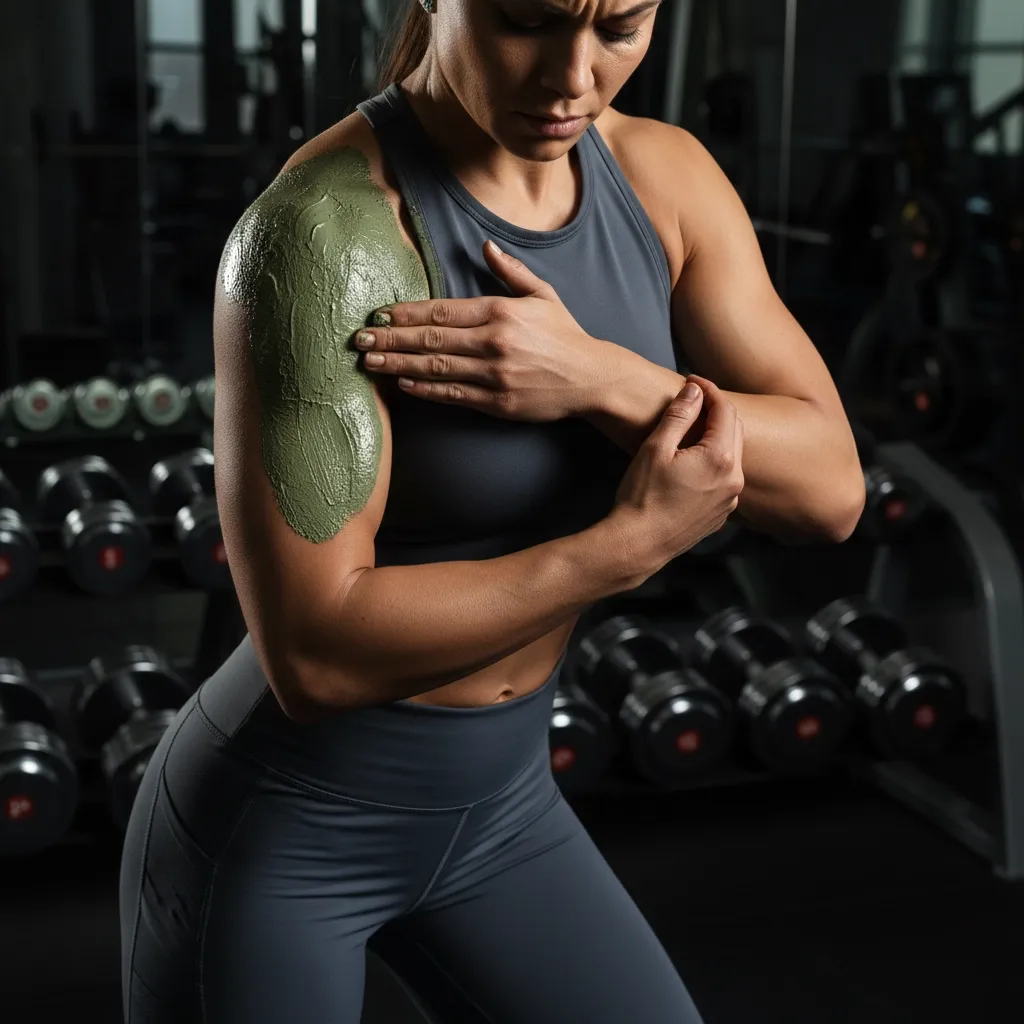
Mix green clay powder with purified water until you get a smooth, paste-like consistency. Spread it directly on sore muscles or swollen joints and let it work its magic for 15-20 minutes. This method works great for acute injuries like sprains or when you've got a specific problem area screaming for attention.
Full-Body Recovery Baths
After particularly brutal training sessions, try a clay bath. Dissolve 3-4 handfuls of clay in warm bath water and soak for 20 minutes. Keep stirring the water to keep the clay suspended. This approach helps with overall muscle recovery and gives your whole system a detox boost.

Ready-to-Use Massage Gels
If mixing your own clay feels like too much work (we get it), there are pre-made green clay gels designed specifically for athletes. These often include extras like arnica for inflammation or menthol for that cooling sensation that helps tight muscles relax.
What Athletes Are Saying
Professional sports teams and their medical staff have started incorporating green clay into their recovery protocols. The appeal? It provides anti-inflammatory and pain-relieving benefits without harsh chemicals or side effects that might interfere with training or competition.
Athletes report noticeable improvements within the first week of consistent use: less muscle tension, better sleep, and faster bounce-back between training sessions. The effects seem to build over time, with the best results showing up after several weeks of regular use.
Beyond Just Muscle Recovery
Green clay doesn't stop at sore muscles. It's also great for:
- Joint stiffness: Helps restore range of motion in tight joints
- Skin recovery: Training can be rough on your skin, and clay masks help repair damage
- Overall detox: Pulls toxins out through your skin, supporting your body's natural cleanup process
The Real-World Timeline
So when can you expect to feel the difference? Most athletes notice improvements pretty quickly:
- Within days: Less muscle tension, better sleep quality
- After 1 week: Noticeably faster recovery between workouts
- After 4-8 weeks: Significant reduction in chronic pain and stiffness
The key is consistency. Like any recovery tool, green clay works best when it's part of your regular routine, not just something you try once after a particularly tough workout.
Important Things to Keep in Mind
While the research is promising, it's worth noting that the studies we have are still relatively small and short-term. We don't yet know everything about long-term effects or exactly how green clay compares to other recovery methods.
Also, green clay works best as part of a complete recovery strategy. It's not going to replace proper nutrition, adequate sleep, or professional medical care when you're dealing with injuries. Think of it as another tool in your recovery toolkit, not a magic cure-all.

Making It Work for Your Sport
Different sports stress different muscle groups, and green clay can be tailored accordingly. Runners might focus on their legs and lower back, while swimmers might target their shoulders and core. The beauty of clay treatments is that you can customize them based on where your body needs the most help.
For sports with lots of upper body work (like tennis, swimming, or climbing), pay special attention to your shoulders, biceps, and upper back. For running and cycling, focus on your legs, glutes, and lower back. The research shows that green clay is most effective on the muscles that work the hardest.
The Bottom Line
Green clay represents a simple, natural approach to athletic recovery that's backed by real research. With a 58% reduction in chronic muscle pain and significant improvements in recovery time, it's worth considering if you're serious about performance and feeling good day after day.
Whether you're a weekend warrior or training for your next competition, green clay offers a chemical-free way to reduce inflammation, ease pain, and help your body bounce back faster. Plus, it's been around for centuries; sometimes the old ways really are the best ways.

