Running a small business in the green clay industry comes with unique challenges. You're competing against bigger brands with massive marketing budgets, trying to educate customers about clay benefits, and building trust in a market where quality varies wildly. But here's the thing - small businesses actually have some serious advantages when it comes to marketing green clay products.
Let's dive into practical marketing hacks that won't break your budget but will help you stand out in this growing wellness market.
Understanding Your Green Clay Customer Base
Before jumping into tactics, you need to know who's buying green clay products. Your customers typically fall into a few categories: skincare enthusiasts looking for natural solutions, wellness seekers interested in detox benefits, and eco-conscious consumers who want sustainable beauty options.
These aren't impulse buyers. They research ingredients, read reviews, and want to understand what they're putting on their skin. This means your marketing needs to be educational first, promotional second.
Content Marketing That Actually Converts
Here's where small businesses can beat the big guys - authentic, helpful content. Instead of generic "buy our clay" posts, create content that solves real problems.
Start a clay education series on your social media channels. Post weekly tips about different clay types, how to mix them properly, and what skin conditions they address. Film yourself demonstrating proper application techniques. These videos don't need fancy production - authenticity trumps polish every time.
Write detailed blog posts about clay sourcing, processing methods, and quality indicators. When someone searches "how to choose quality green clay," your detailed guide should pop up. This positions you as an expert, not just another seller.
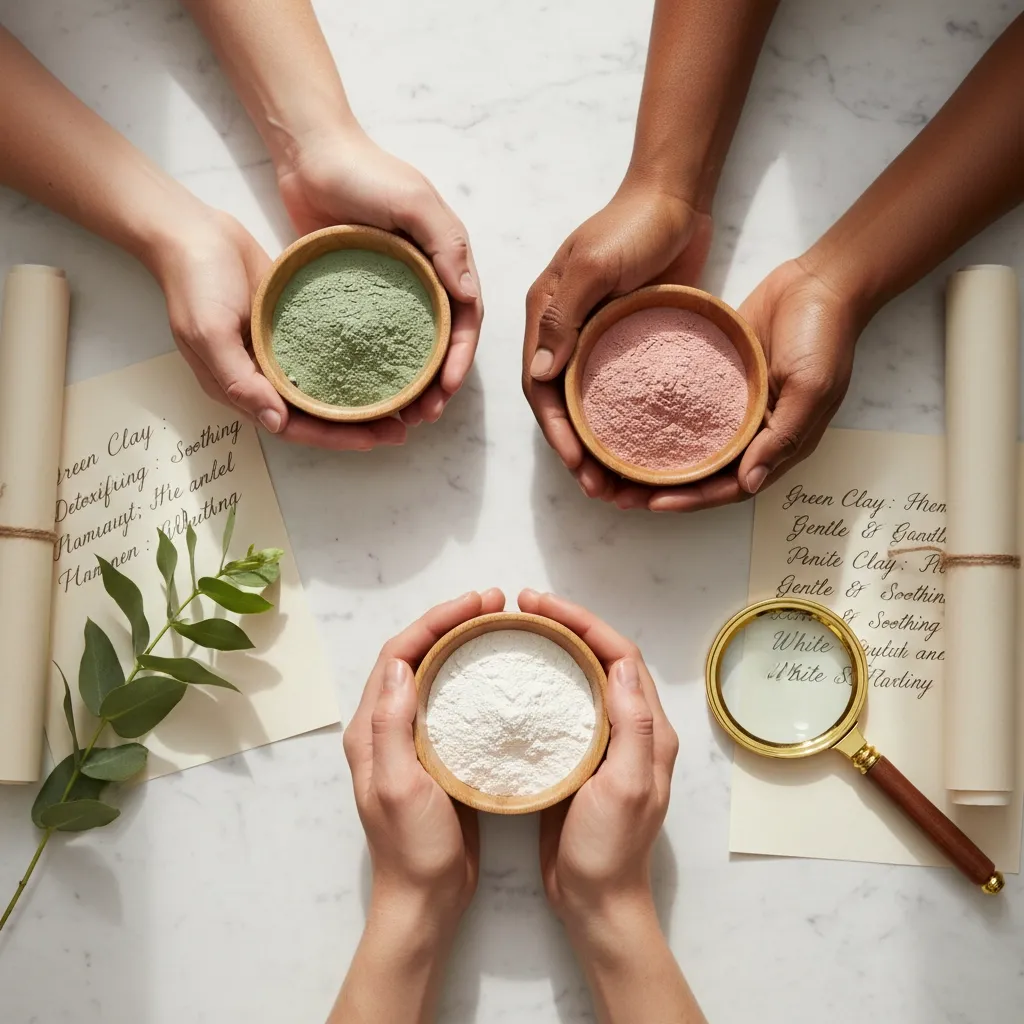
Create comparison guides between different clay types. French green clay vs Bentonite vs Rhassoul - what's the difference? Why choose one over another? This type of content gets shared and bookmarked.
Local Marketing Gold
Green clay businesses have a huge advantage in local markets. People want to support local wellness businesses, and clay products are perfect for farmers markets, health fairs, and wellness events.
Partner with local spas and wellness centers. Offer them wholesale rates in exchange for featuring your products in their treatments. When clients ask what clay they're using, they'll mention your brand.
Host clay mask parties at local venues. Partner with a yoga studio or health food store to host an evening where people learn about clay benefits while trying different masks. Charge a small fee that covers materials and gives attendees a starter kit to take home.
Get involved in community wellness events. Set up a booth at health fairs, but don't just sell - educate. Bring a microscope to show clay particles, or create a display showing clay in its natural state versus processed.

Digital Marketing on a Shoestring Budget
Master local SEO by optimizing for searches like "natural skincare [your city]" or "green clay masks near me." Most small businesses skip this, leaving the field wide open for you.
Use user-generated content strategically. Encourage customers to post before-and-after photos or clay mask selfies with a branded hashtag. Offer small incentives like discount codes for posts that tag your business.
Email marketing is your secret weapon. While everyone's chasing social media algorithms, email gives you direct access to interested customers. Send weekly clay tips, seasonal skincare advice, and behind-the-scenes content about your sourcing process.
Leverage Pinterest for clay recipes and tutorials. This platform is perfect for clay mask recipes, skincare routines, and educational content. Create visually appealing pins that link back to your website.
Building Trust Through Transparency
Trust is everything in the clay business. Customers want to know where their clay comes from, how it's processed, and what makes yours different.
Share your sourcing story. Post photos and videos from clay deposits, introduce the people who mine your clay, and explain your quality testing process. This behind-the-scenes content builds incredible trust.
Be transparent about ingredients and processing. List everything that goes into your products, even if it's just pure clay. Explain your testing procedures and quality standards.
Address common concerns upfront. Many people worry about clay purity, contamination, or whether different clays actually work differently. Create content that addresses these concerns directly.

Seasonal Marketing Strategies
Clay businesses can capitalize on seasonal skincare needs. Summer brings oil control concerns, winter means dry skin solutions, and spring is all about renewal and detox.
Create seasonal clay blend recommendations. Summer might call for oil-absorbing French green clay masks, while winter could feature gentler rose clay formulations.
Develop gift sets for holidays. Clay masks make excellent gifts, especially when packaged thoughtfully with instructions and complementary items like bamboo brushes or organic cotton cloths.
Tap into New Year wellness trends with detox-focused marketing. January is when people are most motivated to try new wellness routines.
Collaboration and Partnership Opportunities
Partner with complementary businesses. Team up with essential oil companies, natural soap makers, or organic skincare brands for cross-promotion. You're not competitors - you're serving the same customer base with different products.
Work with influencers, but choose wisely. Instead of chasing mega-influencers, find micro-influencers who genuinely use and love natural skincare. Their recommendations carry more weight with your target audience.
Connect with estheticians and dermatologists who recommend natural treatments. They often need reliable clay suppliers for their clients.
Measuring What Matters
Track metrics that actually impact your business: email signup rates, customer lifetime value, and repeat purchase rates. Social media followers are nice, but customers who keep buying are better.
Use simple tracking tools. Google Analytics, email open rates, and customer feedback surveys will tell you more than complex marketing dashboards.
Pay attention to seasonal patterns in your sales and adjust marketing spend accordingly.
Common Marketing Mistakes to Avoid
Don't oversell clay as a miracle cure. Stick to proven benefits and let results speak for themselves. Avoid generic stock photos - real clay, real results, and real people work better than perfect professional shots.
Don't neglect packaging as a marketing tool. Your product packaging is often the first physical interaction customers have with your brand. Make it educational, beautiful, and sustainable.
The key to successful green clay marketing is combining education with authentic storytelling. You're not just selling clay - you're selling a natural solution to skin concerns, a connection to traditional wellness practices, and a more sustainable beauty routine.
Start with one or two of these strategies, master them, then expand. Consistent, authentic marketing efforts will build a loyal customer base that values both your products and your expertise.

