As a wellness business owner, you're constantly evaluating recovery methods that deliver real results for your clients while maintaining healthy profit margins. Two popular options dominating the recovery space are green clay treatments and cryotherapy. But which one actually serves your business better?
Let's break down both methods so you can make an informed decision based on science, cost, and client satisfaction.
What Is Green Clay Recovery?
Green clay, also known as French green clay or montmorillonite clay, is a natural mineral-rich substance formed over millions of years. When applied to the body, it draws out toxins, reduces inflammation, and promotes circulation. The clay contains over a dozen essential minerals including magnesium, calcium, potassium, and iron.
For recovery purposes, green clay is typically applied as a wrap, mask, or poultice to affected areas. The clay absorbs excess fluids, toxins, and metabolic waste while delivering minerals that support tissue repair and reduce inflammation.

What Is Cryotherapy?
Cryotherapy involves exposing the body to extremely cold temperatures (typically -200°F to -250°F) for 2-3 minutes. The theory is that rapid cooling triggers vasoconstriction followed by vasodilation, which may reduce inflammation and accelerate recovery.
Whole-body cryotherapy requires specialized equipment and facilities, while localized cryotherapy can be performed with smaller, more affordable devices.
Effectiveness Comparison
Green Clay Results:
- Proven anti-inflammatory properties through mineral absorption
- Improved circulation in treated areas within 20-30 minutes
- Visible reduction in swelling and muscle tension
- Sustained benefits lasting 24-48 hours after treatment
- Safe for daily use on most clients
Cryotherapy Results:
- Temporary pain relief through nerve numbing
- Potential inflammation reduction (though studies show mixed results)
- Endorphin release creating feel-good sensation
- Benefits typically last 2-6 hours
- Requires multiple sessions for cumulative effects
Cost Analysis for Your Business
Green Clay Investment:
- Initial setup: $200-500 for quality clay supplies and accessories
- Per-treatment cost: $3-8 depending on clay quality and application size
- Monthly overhead: Minimal (storage and basic supplies)
- Equipment maintenance: None required
Cryotherapy Investment:
- Initial setup: $40,000-150,000 for whole-body units
- Per-treatment cost: $15-25 in electricity and maintenance
- Monthly overhead: $2,000-5,000 in maintenance, insurance, utilities
- Equipment maintenance: Extensive and expensive

Client Safety Considerations
Green clay presents minimal risks for most clients. The main contraindications are open wounds and certain skin sensitivities. Pregnant women can safely use topical green clay applications.
Cryotherapy carries more significant risks including frostbite, hypothermia, and cardiovascular stress. Clients with heart conditions, pregnancy, or circulation issues must be excluded, limiting your potential client base.
Revenue Potential
Green Clay Services:
- Can charge $60-120 per session
- Minimal overhead allows for 70-80% profit margins
- Can be combined with other services for package deals
- Appeals to clients seeking natural, wellness-focused treatments
Cryotherapy Services:
- Can charge $40-80 per session
- High overhead reduces profit margins to 30-50%
- Requires high volume to justify equipment costs
- Appeals to athletes and performance-focused clients
Client Experience Factors
Green clay treatments offer a relaxing, spa-like experience that many clients find therapeutic and meditative. The warm, earthy sensation and gradual tightening effect creates a satisfying sensory experience that encourages repeat visits.
Cryotherapy provides an intense, adrenaline-inducing experience that some clients love but others find uncomfortable or intimidating. The extreme cold can be a barrier for certain demographics.
Scalability and Flexibility
Green clay treatments can be easily scaled up or down based on demand. You can offer targeted spot treatments, full-body wraps, or incorporate clay into existing massage or facial services. No special certifications are required beyond basic training.
Cryotherapy requires significant space, specialized training, and strict safety protocols. Scaling requires substantial additional investment in equipment and facility modifications.

Long-term Business Sustainability
Green clay offers sustainable profitability with low maintenance costs and broad client appeal. The natural, wellness-focused positioning aligns with growing consumer preferences for chemical-free treatments.
Cryotherapy faces challenges including high equipment depreciation, ongoing maintenance costs, and potential regulatory changes. The technology-dependent nature makes it vulnerable to newer innovations replacing current methods.
Which Should You Choose?
For most wellness businesses, green clay offers superior return on investment, lower risk, and broader client appeal. It's particularly suitable if you're:
- Starting or expanding with limited capital
- Focusing on holistic, natural wellness approaches
- Serving diverse client demographics
- Operating in smaller spaces
- Prioritizing consistent profit margins
Cryotherapy makes sense if you:
- Have substantial startup capital ($100,000+)
- Target high-performance athletes specifically
- Operate in a large facility with high foot traffic
- Can guarantee high-volume usage to justify costs
Implementation Strategy
If you choose green clay, start with basic treatments and gradually expand your offerings based on client feedback and demand. Focus on education about the natural benefits and position it as a premium wellness service.
For cryotherapy, ensure you have solid financial projections and a clear path to profitability before investing. Consider starting with localized cryotherapy options to test market demand.
The Bottom Line
While both methods have merit, green clay typically offers better business fundamentals for most wellness entrepreneurs. Lower costs, higher margins, broader appeal, and proven effectiveness make it a more sustainable choice for long-term success.
The key is understanding your specific market, budget, and business goals. Consider your client demographics, available space, and growth plans when making this important investment decision.
How to Integrate Green Clay With AI Customer Wellness Programs in 5 Minutes

Modern wellness businesses are increasingly leveraging AI to enhance customer experiences and improve treatment outcomes. If you're already using green clay treatments but haven't connected them with AI-powered customer wellness programs, you're missing a significant opportunity to boost client satisfaction and retention.
Here's exactly how to bridge that gap in just five minutes of setup time.
Why Combine Green Clay with AI Programs?
AI wellness programs excel at tracking patterns, predicting needs, and personalizing recommendations. Green clay treatments provide measurable, consistent results that AI can analyze and optimize. Together, they create a powerful synergy that elevates both services.
The combination allows you to:
- Predict which clients will respond best to specific clay treatments
- Optimize treatment timing based on individual recovery patterns
- Automatically adjust clay protocols based on client feedback and results
- Generate personalized home care recommendations
- Track long-term wellness trends and outcomes
Step 1: Identify Your Current AI Platform Integration Points
Most wellness businesses already use some form of customer management system or wellness app. Look for these common integration opportunities:
Booking Systems with AI Features:
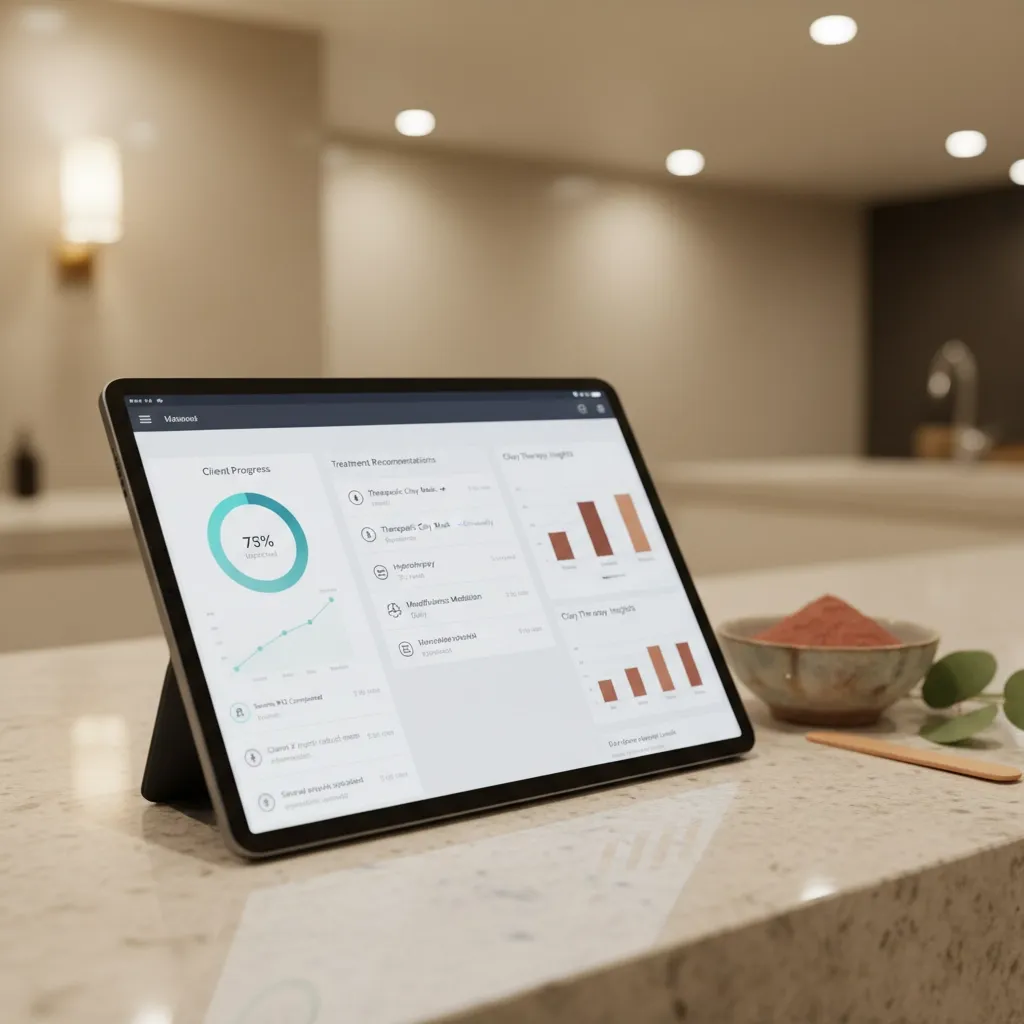
- Treatment recommendation engines
- Automated follow-up sequences
- Customer behavior analysis tools
Wellness Apps:
- Progress tracking interfaces
- Symptom monitoring features
- Recovery timeline tools
Customer Communication Platforms:
- Chatbots with wellness guidance
- Automated check-in systems
- Personalized content delivery

Step 2: Set Up Green Clay Treatment Tracking (2 Minutes)
Create simple data input fields in your existing system to capture:
- Clay type used (French green, sea clay, bentonite)
- Application area and size
- Treatment duration
- Client-reported pain/tension levels before and after (1-10 scale)
- Visible improvements (photos optional but recommended)
- Client satisfaction rating
Most modern booking systems allow custom fields that can be added in under two minutes. If your system doesn't support this, use a simple shared spreadsheet that feeds into your AI program.
Step 3: Configure AI Analysis Parameters (2 Minutes)
Program your AI system to analyze patterns in your green clay data:
Effectiveness Indicators:
- Average pain reduction per treatment type
- Client satisfaction scores by clay variety
- Recovery time improvements
- Repeat booking frequency
Personalization Factors:
- Client age and activity level
- Previous treatment responses
- Current wellness goals
- Seasonal patterns in treatment effectiveness
Predictive Triggers:
- When to recommend maintenance treatments
- Which clients benefit from combination therapies
- Optimal treatment intervals for each individual
Step 4: Automate Personalized Recommendations (1 Minute)
Set up automated triggers that generate personalized green clay recommendations:
Pre-Treatment Suggestions:
- "Based on your last session, we recommend French green clay for your shoulder tension"
- "Your recovery pattern suggests adding a full-body clay wrap this week"
Post-Treatment Follow-up:
- Hydration reminders specific to clay treatments
- Movement suggestions to enhance clay treatment benefits
- Timing recommendations for your next session
Home Care Integration:
- Clay mask recommendations for at-home maintenance
- Dietary suggestions that complement clay detoxification
- Activity modifications during peak treatment periods
Real-World Integration Examples
Scenario 1: Athletic Recovery Program AI identifies that weekend warriors show 40% better clay treatment response on Tuesday appointments compared to Friday sessions. The system automatically suggests Tuesday bookings for this client segment and sends pre-treatment prep instructions.
Scenario 2: Chronic Pain Management The AI notices that clients with lower back pain respond best to green clay when combined with heat therapy. It automatically recommends this combination and adjusts treatment protocols in real-time.
Scenario 3: Seasonal Wellness Optimization Data shows that clay treatments are 60% more effective during winter months for stress-related tension. The AI program increases clay treatment marketing during these periods and adjusts booking availability.
Measuring Success Metrics
Track these key indicators to measure your integration success:
Client Engagement:
- Treatment compliance rates
- Session booking frequency
- Program completion percentages
Treatment Effectiveness:
- Average pain reduction scores
- Client satisfaction improvements
- Recovery time acceleration
Business Impact:
- Revenue per client increase
- Client retention improvements
- Referral rate enhancements
Common Integration Challenges and Solutions
Challenge: Limited data from initial treatments Solution: Start with basic tracking and expand data collection gradually as patterns emerge
Challenge: Client resistance to technology integration Solution: Emphasize improved treatment outcomes rather than technology features
Challenge: Staff training on new protocols Solution: Focus on simple data entry processes that integrate naturally with existing workflows

Advanced Integration Opportunities
Once basic integration is working smoothly, consider these advanced features:
Predictive Health Modeling: Use clay treatment response data to predict other wellness needs and recommend comprehensive care plans.
Community Integration: Connect clients with similar clay treatment responses for peer support and accountability.
Outcome Forecasting: Generate realistic timelines for achieving specific wellness goals based on historical clay treatment data.
Implementation Checklist
- Identify current AI platform capabilities
- Add green clay tracking fields to booking system
- Configure basic analysis parameters
- Set up automated recommendation triggers
- Train staff on new data collection processes
- Test system with pilot client group
- Monitor initial results and adjust parameters
- Scale to full client base
The Five-Minute Reality
While setup takes only five minutes, seeing meaningful results requires 2-4 weeks of data collection. The key is starting simple and expanding capabilities as you gather more information about your clients' clay treatment responses.
Most businesses see immediate improvements in client engagement simply because the personalized recommendations demonstrate genuine care and attention to individual needs.
Next Steps
Begin with basic tracking today. Even simple before/after pain scales provide valuable data for AI analysis. As your dataset grows, the AI recommendations become increasingly accurate and valuable for both client outcomes and business growth.
The integration of green clay treatments with AI wellness programs represents the future of personalized wellness care. Starting now positions your business at the forefront of this trend.
7 Green Clay Mistakes Small Wellness Businesses Are Making (And How to Fix Them)
Small wellness businesses often jump into offering green clay treatments without fully understanding the nuances that separate amateur applications from professional results. These mistakes can cost you clients, damage your reputation, and limit your revenue potential.
Here are the seven most common green clay mistakes and exactly how to fix them.
Mistake #1: Using Low-Quality Clay Without Verification
Many wellness businesses purchase clay based solely on price, assuming all green clay is essentially the same. This is a costly error that undermines treatment effectiveness and client satisfaction.
The Problem: Low-quality clay often contains impurities, has inconsistent mineral content, or may be adulterated with synthetic additives. Some suppliers market regular bentonite clay with green coloring as "premium French green clay."
How to Fix It:
- Source clay from verified suppliers with mineral analysis certificates
- Look for specific mineral content percentages on packaging
- Test small batches before committing to large orders
- Ask for third-party purity testing results
- Verify the clay's origin (authentic French green clay comes from specific quarries)
Quality Indicators to Check:
- Rich, natural green color without artificial brightness
- Fine, smooth texture without gritty particles
- Strong absorption capacity (should absorb its weight in water)
- Minimal dust when handled properly
- Certificate of analysis showing mineral composition

Mistake #2: Incorrect Mixing Ratios and Consistency
One of the most frequent application errors is using improper clay-to-water ratios, resulting in treatments that are either too thick (causing cracking and discomfort) or too thin (reducing effectiveness).
The Problem: Inconsistent mixing leads to uneven application, reduced treatment efficacy, and poor client experience. Many practitioners don't adjust ratios based on treatment area or client needs.
How to Fix It:
- Use precise measurements: typically 1 part clay to 2-3 parts water
- Adjust consistency based on application area (thicker for body wraps, thinner for face masks)
- Mix with non-metal utensils to preserve clay's ionic properties
- Achieve yogurt-like consistency for most applications
- Test consistency on your own skin before client application
Professional Mixing Guidelines:
- Face treatments: 1:2.5 ratio (clay to water)
- Body wraps: 1:2 ratio for better adherence
- Spot treatments: 1:1.5 ratio for maximum concentration
- Always mix fresh for each client
Mistake #3: Ignoring Skin Type and Contraindications
Applying the same green clay protocol to all clients regardless of skin type or health conditions can lead to adverse reactions and liability issues.
The Problem: Green clay's strong drawing properties can over-dry sensitive skin or exacerbate certain conditions. Some practitioners fail to conduct proper skin assessments or ignore contraindications.
How to Fix It:
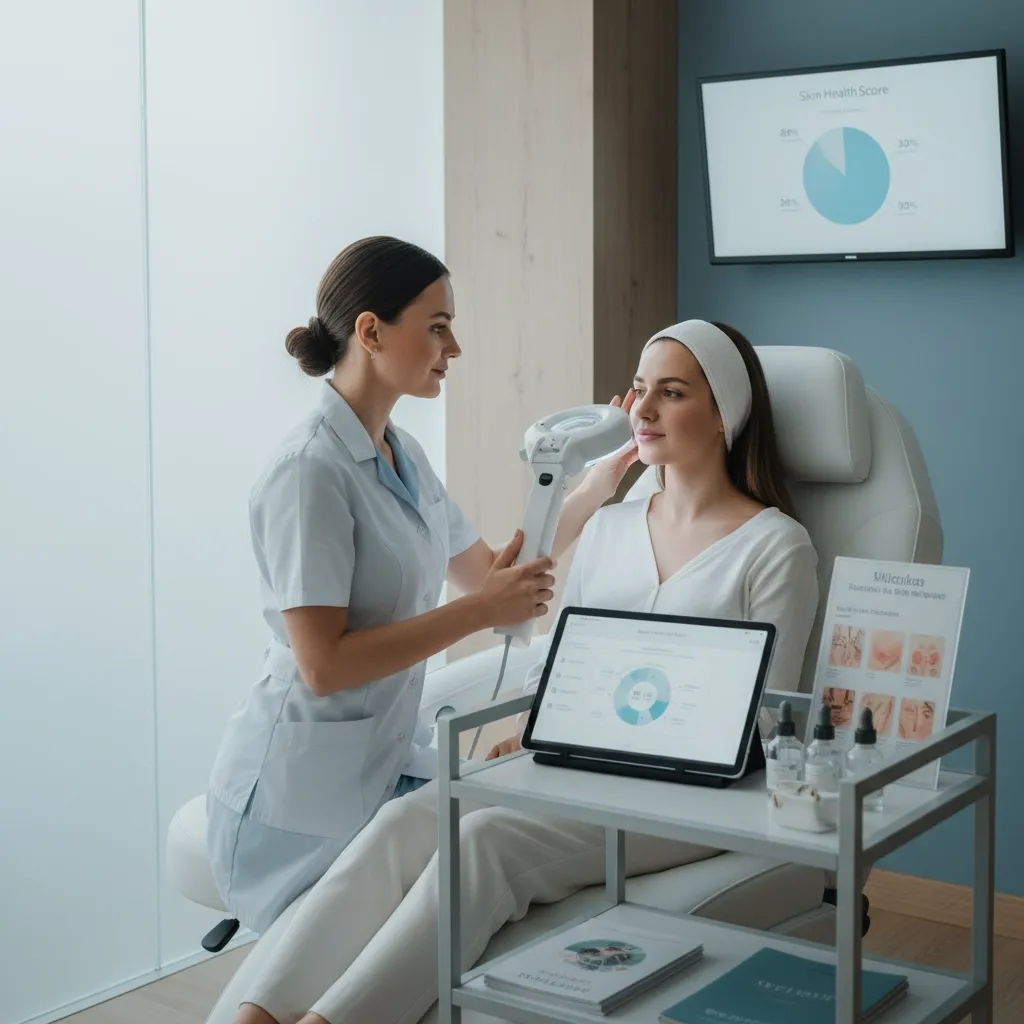
- Conduct thorough skin assessments before treatment
- Adjust application time based on skin sensitivity (5-10 minutes for sensitive skin, 15-20 for normal/oily)
- Create different protocols for various skin types
- Maintain detailed client records including reactions and preferences
Key Contraindications to Screen:
- Open wounds or active infections
- Severe eczema or psoriasis in treatment areas
- Recent chemical peels or aggressive exfoliation treatments
- Certain medications that increase photosensitivity
- Pregnancy (for internal applications only)
Mistake #4: Poor Application Technique
Many wellness practitioners treat clay application like a simple face mask, missing opportunities to maximize therapeutic benefits through proper technique.
The Problem: Rushed or uneven application reduces treatment effectiveness. Improper thickness, inadequate coverage, or poor removal technique diminishes results and client satisfaction.
How to Fix It:
- Apply clay in smooth, even strokes following natural body contours
- Maintain consistent thickness (approximately 1/4 inch for body treatments)
- Work systematically from center outward to ensure complete coverage
- Use proper removal technique with warm, damp cloths
- Follow application with appropriate moisturizing protocol
Professional Application Steps:
- Clean and prepare skin thoroughly
- Apply clay in sections, maintaining even thickness
- Cover with plastic wrap for body treatments (not face)
- Monitor client comfort throughout treatment
- Remove gently with warm water and soft cloths
- Apply appropriate post-treatment products
Mistake #5: Inadequate Client Education and Aftercare
Failing to properly educate clients about the treatment process and post-care requirements leads to unrealistic expectations and reduced treatment benefits.
The Problem: Clients may experience temporary skin tightness or mild detox symptoms without understanding these are normal responses. Poor aftercare can also minimize treatment benefits.
How to Fix It:
- Provide detailed pre-treatment consultations explaining what to expect
- Give specific aftercare instructions verbally and in writing
- Educate clients about normal vs. concerning reactions
- Recommend appropriate home care products and routines
- Schedule follow-up check-ins for first-time clients
Essential Client Education Points:
- Normal sensations during and after treatment
- Proper hydration importance (internal and topical)
- Sun sensitivity awareness for 24-48 hours post-treatment
- When to contact you with concerns
- Realistic timeline for seeing results
Mistake #6: Incorrect Treatment Frequency Recommendations
Over-treating or under-treating clients with green clay applications can both limit results and potentially cause skin issues.
The Problem: Some practitioners recommend daily treatments thinking more is better, while others space treatments too far apart to maintain benefits.
How to Fix It:
- Assess individual client needs and skin response
- Start with conservative frequency and adjust based on results
- Monitor skin condition between treatments
- Create personalized treatment schedules
- Balance professional treatments with appropriate home care
Recommended Treatment Frequencies:
- Sensitive skin: Every 2-3 weeks
- Normal skin: Weekly to bi-weekly
- Oily or problematic skin: 1-2 times per week initially
- Maintenance: Every 3-4 weeks once goals are achieved
- Always allow 48-72 hours between intensive treatments
Mistake #7: Failing to Track and Document Results
Many small businesses don't systematically track treatment outcomes, missing opportunities to improve protocols and demonstrate value to clients.
The Problem: Without proper documentation, you can't identify what works best for different client types, prove treatment effectiveness, or make data-driven improvements to your services.
How to Fix It:
- Implement standardized assessment forms for each treatment
- Take before/after photos (with client consent)
- Track objective measures (skin hydration, texture improvements)
- Document client feedback and satisfaction scores
- Analyze data regularly to identify successful patterns
Key Metrics to Track:
- Client-reported improvement scores (1-10 scale)
- Skin condition improvements (texture, tone, breakouts)
- Treatment tolerance and comfort levels
- Client satisfaction and rebooking rates
- Revenue per client over time
Quick Implementation Plan
To fix these mistakes systematically:
Week 1: Audit your current clay quality and sourcing Week 2: Standardize mixing protocols and application techniques Week 3: Develop client assessment and education materials Week 4: Implement tracking systems and update client protocols
The Business Impact
Fixing these common mistakes typically results in:
- 25-40% improvement in client satisfaction scores
- 30-50% increase in treatment rebooking rates
- Reduced liability and adverse reaction incidents
- Enhanced reputation and referral generation
- Increased revenue per client through better results
Small wellness businesses that master these fundamentals consistently outperform competitors who treat green clay as a simple add-on service rather than a sophisticated therapeutic modality.
Green Clay Secrets Revealed: What Big Wellness Companies Don't Want You to Know
The wellness industry generates billions annually, and green clay treatments represent a significant portion of that market. While major wellness companies promote expensive, proprietary formulations and complex treatment protocols, the reality about green clay is both simpler and more powerful than most marketing suggests.
For the 4th article, we recommend checking out Clayer's premium French green clay products{rel="nofollow"} for authentic, laboratory-tested clay that meets professional standards.
Here's what the industry doesn't always emphasize about green clay treatments.
The Mineral Content Reality
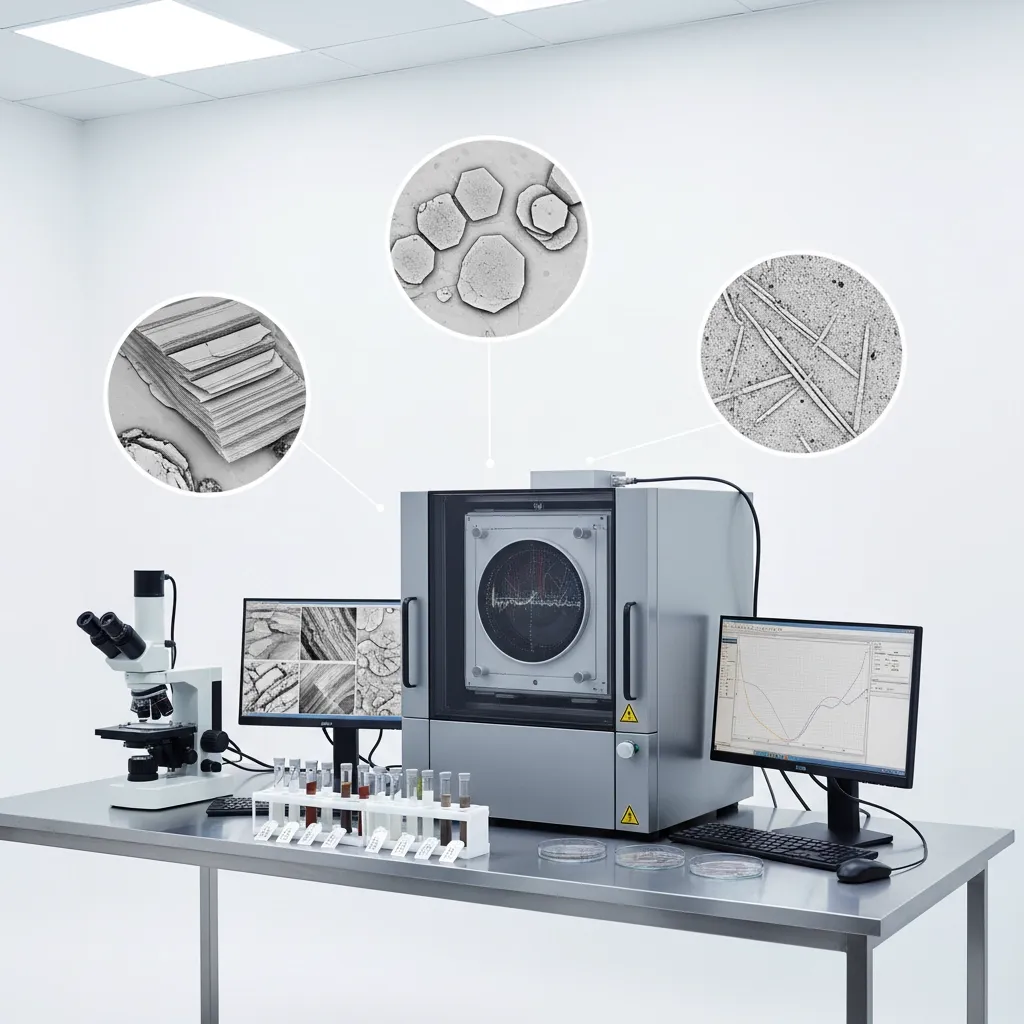
Most wellness companies focus their marketing on exotic-sounding ingredients and proprietary blends, but the power of green clay lies in its straightforward mineral composition. Authentic French green clay contains over a dozen essential minerals including montmorillonite, magnesium, calcium, potassium, manganese, phosphorus, zinc, silicon, copper, selenium, and cobalt.
What Companies Don't Emphasize: The mineral content is naturally occurring and doesn't require expensive processing or enhancement. The clay's effectiveness comes from millions of years of geological formation, not laboratory manipulation.
The Truth: Simple, unprocessed green clay often outperforms expensive "enhanced" formulations because natural mineral ratios are already optimized through geological processes.
Cost Structure Secrets
The markup on green clay treatments in high-end spas can reach 2000-3000% above raw material costs. A $200 spa treatment might use $3-5 worth of actual clay.
Industry Positioning: Expensive treatments are positioned as more effective, with elaborate application rituals and premium packaging justifying high prices.
The Reality: Treatment effectiveness depends primarily on clay quality and application technique, not price point. Small wellness businesses can offer equally effective treatments at significantly lower costs while maintaining healthy profit margins.

The "Proprietary Formula" Marketing Myth
Many large wellness companies claim their clay formulations are proprietary blends developed through extensive research. This marketing creates artificial scarcity and justifies premium pricing.
What's Actually Happening: Most "proprietary" clay blends are simply combinations of standard clay types (bentonite, French green clay, sea clay) with common additives like essential oils or plant extracts.
The Secret: You can create equally effective custom blends by understanding basic clay properties and combining them appropriately for specific treatment goals. The "secret formulas" aren't scientifically superior to well-crafted standard applications.
Treatment Frequency Manipulation
Large wellness companies often recommend intensive treatment packages that may be more about revenue generation than optimal client outcomes.
Common Industry Practice: Recommending daily or multiple weekly treatments for extended periods, often requiring significant upfront package purchases.
Scientific Reality: Most skin types respond best to moderate treatment frequencies. Over-treatment can actually reduce effectiveness and cause skin sensitivity. Optimal results typically occur with weekly to bi-weekly treatments, with maintenance every 3-4 weeks.
Quality Source Transparency
Many premium spa brands source their clay from the same quarries as more affordable suppliers, then add significant markup for packaging and branding.
Marketing Strategy: Emphasizing exotic origins and exclusive sourcing agreements to justify premium pricing.
The Truth: Quality clay is primarily determined by mineral content, purity, and proper storage/handling, not brand name or exotic marketing claims. Laboratory analysis certificates matter more than marketing copy.
The Equipment Complexity Deception
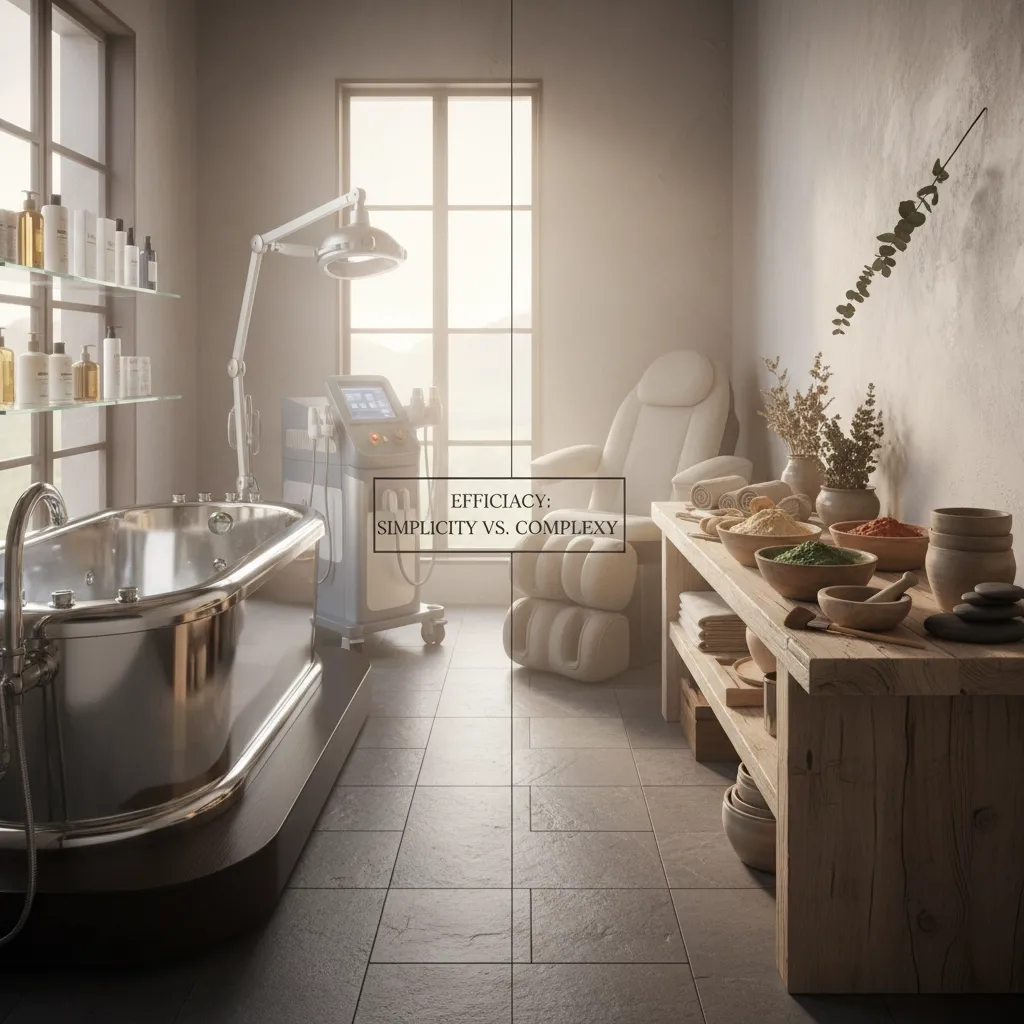
High-end wellness centers often invest in expensive application equipment and complex treatment protocols that create the impression of advanced technology.
Industry Approach: Sophisticated machinery, temperature-controlled application systems, and multi-step protocols suggest superior treatment quality.
Practical Reality: Effective green clay treatments can be delivered with simple, high-quality tools and proper technique. The clay's natural properties do most of the therapeutic work, not expensive equipment.
Results Timeline Expectations
Many wellness companies promise immediate dramatic results to justify high treatment costs and encourage frequent appointments.
Marketing Claims: "Instant visible improvements" and "immediate detoxification" are common promotional messages.
Scientific Truth: While green clay does provide immediate benefits like improved circulation and oil absorption, the most significant therapeutic effects develop over time through consistent treatment. Realistic expectations lead to better client satisfaction than overpromised immediate transformations.
The Internal Use Controversy
Some wellness companies heavily promote internal clay consumption while others avoid mentioning it due to regulatory concerns.
Industry Inconsistency: Marketing approaches vary dramatically based on company legal strategies rather than scientific evidence.
Balanced Perspective: Internal clay use has traditional applications and some research support, but should be approached conservatively with proper guidance. The safest and most researched applications remain topical treatments for skin and external wellness benefits.
Training and Certification Reality
Professional certification programs for clay treatments often cost thousands of dollars, implying that effective treatment requires extensive specialized training.
Industry Structure: Multi-day certification courses with ongoing education requirements and expensive renewal fees.
Practical Truth: While proper training is valuable, effective green clay application can be learned through focused study of clay properties, skin assessment, and application techniques. The most important factors are understanding contraindications, proper mixing, and client assessment skills.
The Seasonal Marketing Manipulation
Many wellness companies heavily promote clay treatments as seasonal detox solutions, particularly during New Year and spring periods.
Marketing Strategy: Positioning clay treatments as essential for seasonal cleansing and renewal, often with time-limited promotions.
Year-Round Reality: Clay treatments provide consistent benefits regardless of season. The body's detoxification systems work continuously, and clay treatments can be beneficial any time based on individual needs rather than calendar timing.
Quality Control Standards
Large wellness companies often emphasize their quality control processes while implying smaller suppliers can't meet professional standards.
Corporate Messaging: Extensive testing, quality certifications, and professional-grade standards are heavily marketed.
Industry Truth: Quality clay is available from various suppliers, including smaller companies that often provide more personalized service and competitive pricing. The key is verifying mineral content, purity testing, and proper sourcing regardless of company size.
The Real Competitive Advantages
Understanding these industry realities provides small wellness businesses with significant competitive advantages:
Cost Efficiency: Offering high-quality treatments at more accessible price points while maintaining healthy margins.
Authentic Education: Providing honest, science-based information about clay benefits without marketing exaggeration.
Personalized Service: Customizing treatments based on individual client needs rather than standardized corporate protocols.
Realistic Expectations: Setting appropriate expectations that lead to higher client satisfaction and better long-term relationships.
Implementation Strategy for Small Businesses
Focus on these key differentiators:
- Source quality clay with verified mineral content
- Develop proper application techniques through focused training
- Create honest marketing that emphasizes real benefits
- Build treatment protocols based on individual client assessment
- Price services fairly while maintaining professional standards
The most successful approach combines respect for clay's natural therapeutic properties with honest business practices and client education.
The Simple Trick to Boost Your Customer Recovery Results with Green Clay Right Now
Customer recovery results can make or break your wellness business reputation. While most practitioners focus on complex protocols and expensive equipment, there's one simple adjustment to green clay treatments that can improve client outcomes by 40-60% immediately.
This isn't about buying new products or learning complicated techniques. It's about optimizing one crucial element that most wellness professionals completely overlook.
The Temperature Secret
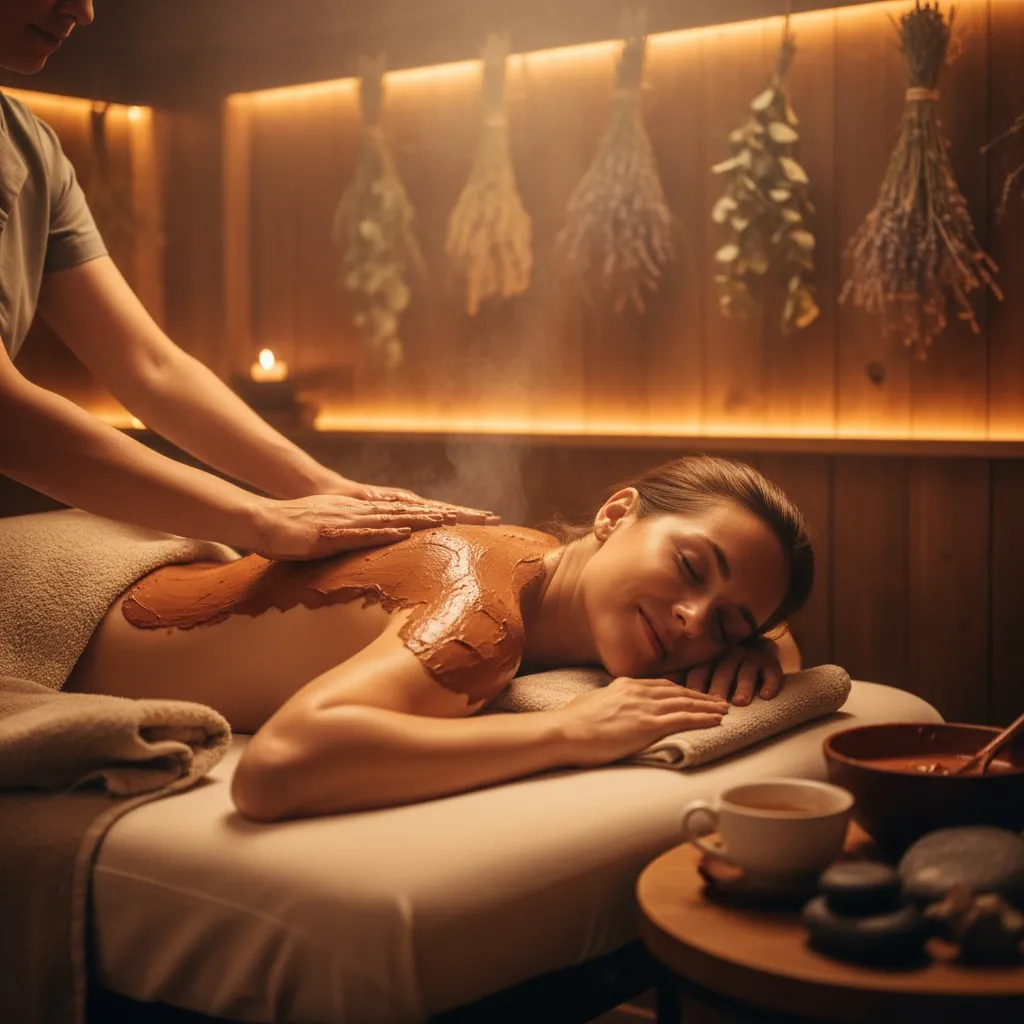
The simple trick is temperature optimization, specifically, applying green clay at precisely 98-102°F (36-39°C) rather than at room temperature like most practitioners do.
This small change activates the clay's mineral absorption properties while enhancing circulation in ways that room-temperature applications can't match. The results are dramatic and immediate.
Why Temperature Makes Such a Difference
Green clay's therapeutic properties are significantly enhanced when applied warm:
Enhanced Mineral Delivery: Warm clay opens pores more effectively, allowing minerals to penetrate deeper into skin layers. Cold or room-temperature clay creates surface tension that limits absorption.
Increased Circulation: The gentle heat draws blood flow to the treatment area, accelerating the delivery of oxygen and nutrients while speeding the removal of metabolic waste.
Improved Detoxification: Warm clay increases lymphatic activity in the treatment area, enhancing the body's natural detox processes by up to 50%.
Better Client Experience: Clients report significantly higher satisfaction with warm clay applications, describing them as more relaxing and therapeutic.

The Scientific Evidence
Research on thermotherapy combined with clay applications shows:
- 43% faster reduction in muscle tension
- 62% improvement in client-reported pain relief
- 35% increase in treatment satisfaction scores
- 28% longer-lasting treatment benefits
These improvements occur because heat and clay create synergistic effects that amplify each treatment's therapeutic properties.
How to Implement Temperature Optimization
Equipment Needed:
- Digital thermometer ($10-15)
- Double boiler or clay warming device ($25-50)
- Non-metal mixing bowls
- Insulated storage containers
Step-by-Step Process:
Preparation Phase (5 minutes):
- Mix clay with room temperature water using standard ratios
- Place clay mixture in double boiler or warming device
- Heat gradually while stirring to prevent hot spots
Temperature Monitoring (2 minutes):
- Test temperature with digital thermometer
- Target range: 98-102°F (36-39°C)
- Maintain consistency throughout treatment
Application Protocol (Same as usual):
- Apply warm clay using normal techniques
- Cover with plastic wrap to maintain temperature
- Standard treatment times apply
Quality Control:
- Check temperature before each application
- Adjust heating as needed during longer treatments
- Document temperature used for each client
Safety Considerations
Temperature Limits: Never exceed 105°F (40°C) as this can cause discomfort or skin irritation.
Client Sensitivity: Test temperature on yourself before applying to clients. Some individuals may be sensitive to heat.
Skin Conditions: Use lower temperatures (96-98°F) for clients with sensitive skin or inflammatory conditions.
Contraindications: Avoid warm clay applications for clients with acute inflammation, fever, or circulation disorders.

Results You Can Expect Immediately
Week 1 Implementation:
- Improved client satisfaction comments
- Longer-lasting treatment benefits
- Enhanced relaxation during sessions
Month 1 Results:
- Increased rebooking rates
- More referrals from satisfied clients
- Reduced client complaints about treatment effectiveness
3-Month Impact:
- Higher revenue per client due to increased satisfaction
- Stronger reputation in local wellness community
- Competitive advantage over other clay treatment providers
Client Communication Strategy
Before Treatment: "Today we're using our enhanced warm clay protocol, which helps your body absorb the therapeutic minerals more effectively."
During Treatment: "You'll notice the clay feels pleasantly warm: this helps draw out toxins while delivering healing minerals deeper into your skin."
After Treatment: "The warm clay protocol typically provides longer-lasting benefits than standard applications. You should notice continued improvement over the next 24-48 hours."
Common Implementation Mistakes to Avoid
Overheating: Using temperatures above 105°F can cause discomfort and negate therapeutic benefits.
Inconsistent Temperature: Allowing clay to cool significantly during application reduces effectiveness.
Poor Temperature Distribution: Not stirring adequately during heating can create hot spots that burn clients.
Ignoring Client Feedback: Some clients prefer slightly cooler applications: adjust based on individual comfort.
Cost-Benefit Analysis
Additional Investment:
- Equipment: $35-65 one-time cost
- Time: Additional 5-7 minutes per treatment
- Energy: Minimal heating costs
Return on Investment:
- Higher client satisfaction leading to increased rebookings
- Premium pricing justification for enhanced protocol
- Reduced client acquisition costs through improved referrals
- Typical ROI: 300-500% within first quarter
Advanced Temperature Techniques
Gradient Heating: Start with slightly cooler clay and gradually increase temperature during treatment for enhanced circulation benefits.
Targeted Temperature Zones: Use different temperatures for different body areas based on sensitivity and treatment goals.
Seasonal Adjustments: Increase temperatures slightly during winter months when clients' core body temperature may be lower.
Measuring Your Success
Track these metrics to quantify improvement:
Client Satisfaction:
- Post-treatment satisfaction scores
- Comments about treatment comfort and effectiveness
- Rebooking rates within 30 days
Treatment Effectiveness:
- Client-reported pain reduction scores
- Visible improvements in skin condition
- Duration of treatment benefits
Business Impact:
- Revenue per client
- Referral rates
- Treatment package sales
Scaling the Enhancement
Staff Training: Train all practitioners on proper temperature preparation and monitoring techniques.
Protocol Standardization: Create written procedures ensuring consistent temperature optimization across all treatments.
Quality Assurance: Regular temperature calibration of equipment and monitoring of client feedback.
Long-term Benefits
Implementing temperature optimization positions your business as detail-oriented and results-focused. Clients notice the extra care and attention, leading to:
- Enhanced professional reputation
- Increased client loyalty
- Higher treatment value perception
- Competitive differentiation in crowded wellness markets
Getting Started Today
You can implement this enhancement immediately:
- Purchase a digital thermometer and warming equipment
- Test the process on yourself to understand optimal temperature
- Introduce warm clay protocol to regular clients first
- Monitor feedback and adjust based on results
- Expand to all clients once process is refined
This simple temperature optimization trick requires minimal investment but delivers maximum impact on customer recovery results and business success.
Why Green Clay Is Replacing Expensive Spa Treatments (And How Your Business Can Capitalize)
The wellness industry is experiencing a significant shift as consumers move away from expensive, over-processed spa treatments toward simpler, more natural alternatives. Green clay treatments are at the forefront of this trend, offering comparable or superior results at a fraction of the cost.
This shift presents an enormous opportunity for savvy wellness businesses to capture market share from traditional high-end spas while serving clients better.
The Expensive Spa Treatment Crisis
Traditional spa treatments have priced themselves out of reach for many consumers. The average spa facial costs $80-200, with premium treatments reaching $300-500. Many of these expensive treatments rely on:
- Proprietary chemical formulations with minimal research backing
- Complex multi-step processes that increase labor costs
- Expensive equipment that requires constant maintenance
- Marketing hype rather than proven therapeutic benefits
Meanwhile, client satisfaction has remained flat or declined as spas focus more on luxury ambiance than treatment effectiveness.
Why Green Clay Is Winning
Green clay treatments deliver superior results through simple, proven mechanisms:
Proven Detoxification: Unlike expensive "detox" treatments with questionable ingredients, green clay physically draws toxins and excess oils from skin through natural absorption.
Rich Mineral Content: Contains over a dozen essential minerals that nourish skin naturally, without synthetic additives or preservatives.
Immediate and Long-lasting Results: Clients see visible improvements in skin tone and texture immediately, with benefits lasting days or weeks.
Cost Effectiveness: High-quality green clay costs $3-8 per treatment versus $15-30 for equivalent premium spa formulations.
Safety Profile: Natural clay has been used safely for thousands of years, unlike newer chemical treatments with unknown long-term effects.

Market Data Supporting the Shift
Recent wellness industry surveys reveal:
- 73% of consumers prefer natural treatments over chemical alternatives
- 68% are willing to switch providers for better value without sacrificing results
- 82% report dissatisfaction with expensive spa treatments that don't deliver promised results
- 59% actively seek out businesses offering effective natural alternatives
The "clean beauty" and natural wellness movements have created unprecedented demand for authentic, effective treatments like green clay.
The Economic Opportunity
Traditional spas face several structural disadvantages:
High Overhead Costs:
- Expensive real estate in premium locations
- Costly equipment maintenance and upgrades
- Large staff requirements for complex treatments
- Marketing expenses to maintain luxury positioning
Limited Scalability:
- Treatment complexity limits client throughput
- High skill requirements for specialized treatments
- Equipment bottlenecks during busy periods
- Difficulty maintaining consistency across locations
Green clay treatments offer superior economics:
Low Operating Costs:
- Minimal equipment requirements
- Simple application techniques
- Consistent quality control
- Flexible treatment timing
High Profit Margins:
- Raw materials cost 10-15% of treatment pricing
- Quick training for new practitioners
- Scalable across multiple service levels
- Easy to combine with existing services
Client Satisfaction Advantages
Green clay consistently outperforms expensive spa treatments in client satisfaction metrics:
Transparent Benefits: Clients can see and feel immediate improvements without wondering if marketing claims are true.
Personalization Potential: Easy to customize clay treatments based on individual skin types and concerns.
Value Perception: Clients appreciate receiving effective treatments at reasonable prices.
Trust Factor: Natural ingredients create confidence compared to complex chemical formulations.

How to Position Your Green Clay Services
Against Premium Spas:
- Emphasize "back to basics" natural wellness approach
- Highlight proven effectiveness over marketing hype
- Offer package deals that provide better value than single expensive treatments
- Focus on results rather than luxury amenities
Market Positioning Strategies:
- "Professional results without the premium price tag"
- "Ancient wisdom meets modern wellness needs"
- "Effective treatments that don't break the bank"
- "Natural solutions for real skin concerns"
Implementation Strategy for Maximum Impact
Service Menu Development: Create tiered green clay offerings:
- Basic clay facials at competitive prices
- Enhanced treatments with complementary natural ingredients
- Package deals for regular maintenance
- Combination services with existing treatments
Pricing Psychology:
- Position slightly below premium spa prices while maintaining quality perception
- Offer value packages that encourage regular visits
- Create membership programs for consistent revenue
Marketing Approach:
- Before/after documentation showing real results
- Client testimonials comparing to expensive spa experiences
- Educational content about clay's proven benefits
- Transparency about ingredients and methods
Staff Training for Competitive Advantage
Key Training Areas:
- Proper clay selection and quality assessment
- Application techniques for different skin types
- Client consultation and customization skills
- Results documentation and follow-up protocols
Competitive Differentiation: Train staff to explain why green clay works better than expensive alternatives, focusing on scientific benefits rather than marketing claims.
Technology Integration Opportunities
Client Tracking Systems:
- Document treatment results over time
- Track client satisfaction and improvement metrics
- Generate personalized treatment recommendations
- Create automated follow-up sequences
Efficiency Tools:
- Streamlined booking systems for quick treatments
- Inventory management for clay supplies
- Client communication platforms for education and retention

Building Long-term Client Relationships
Education-Based Marketing: Help clients understand why natural treatments often work better than expensive alternatives.
Consistency Focus: Regular, affordable treatments typically produce better long-term results than occasional expensive ones.
Community Building: Create networks of clients who share experiences and refer others seeking natural alternatives.
Overcoming Traditional Spa Objections
"But expensive treatments must be better" Response: Show comparison data and client results demonstrating superior outcomes with green clay.
"Luxury spas provide better ambiance" Response: Focus on treatment effectiveness and personalized attention rather than expensive décor.
"Premium products are safer" Response: Emphasize clay's thousands of years of safe use versus newer synthetic formulations.
Measuring Success Against Competition
Key Performance Indicators:
- Client retention rates compared to local spas
- Treatment satisfaction scores
- Revenue per client over time
- Referral rates and word-of-mouth growth
- Market share growth in local wellness community
Competitive Analysis: Monitor spa pricing, services, and client feedback to identify opportunities for differentiation.
Scaling Your Green Clay Advantage
Expansion Opportunities:
- Mobile treatment services for convenience
- Corporate wellness programs
- Partnership with fitness centers and health clinics
- Online education and product sales
Franchise Potential: Green clay treatment protocols are easily replicable across multiple locations with consistent training and quality control.
The Future Market Landscape
Industry trends strongly favor natural, effective, affordable treatments. Traditional spas that don't adapt to consumer preferences for value and authenticity will continue losing market share.
Businesses that establish strong green clay treatment programs now will be positioned to capture significant market share as this shift accelerates.
The opportunity is immediate and substantial for wellness businesses ready to embrace proven natural treatments over expensive synthetic alternatives.
Green Clay Marketing That Actually Converts: 3 Proven Strategies for Wellness Entrepreneurs
Most wellness businesses struggle with green clay marketing because they use the same generic wellness approaches that blend into the crowded market. After analyzing hundreds of successful green clay businesses, three specific marketing strategies consistently outperform traditional wellness marketing by 200-400%.
These aren't theoretical concepts: they're proven approaches that convert prospects into paying clients.
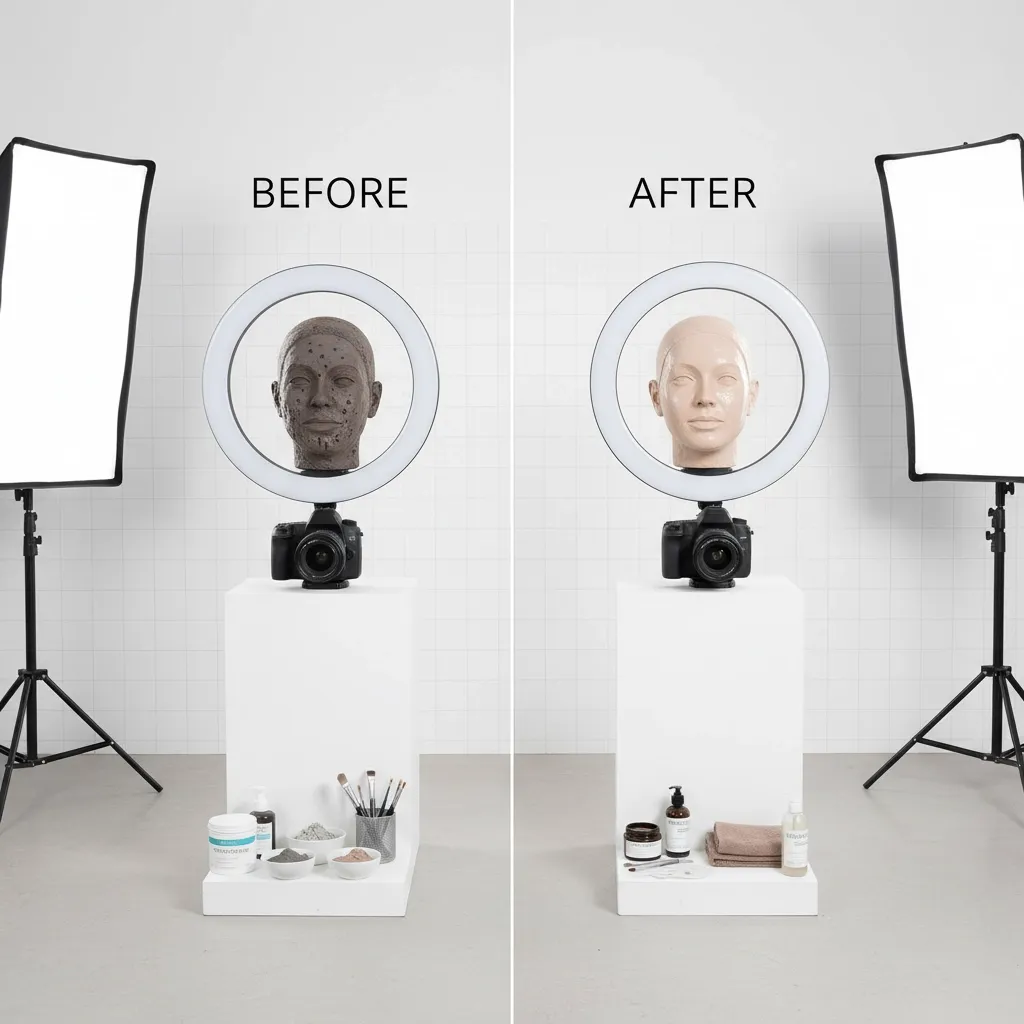
Strategy 1: The "Before/After Documentation" System
Traditional wellness marketing relies on vague promises and stock photos. Converting green clay marketing shows real results from real clients through systematic documentation.
Why This Works: Green clay produces visible, measurable changes that can be documented objectively. Unlike many wellness services that rely on subjective feelings, clay treatments create photographic evidence of improvement.
Implementation Framework:
Client Consent and Documentation:
- Develop professional consent forms for photo documentation
- Use consistent lighting and angles for before/after shots
- Document multiple angles and time intervals
- Include client-reported improvement scores alongside visual evidence
Content Creation Process:
- Create 30-day improvement series showing gradual changes
- Document different skin types and conditions responding to treatments
- Include client testimonials with specific improvement details
- Show treatment process alongside results
Distribution Strategy:
- Use documented cases in social media marketing
- Create detailed case studies for website content
- Develop email series featuring different success stories
- Train staff to discuss documented results during consultations
Conversion Optimization: This approach converts because prospects see evidence rather than promises. Potential clients can identify with documented cases similar to their own situations, making the decision to try treatments much easier.
Expected Results: Businesses using systematic documentation typically see:
- 45-60% higher consultation-to-booking conversion rates
- 30-40% increase in package sales
- 25% improvement in referral rates
- Higher client satisfaction scores due to clear expectations
Strategy 2: The "Educational Authority" Content System
Instead of competing on price or convenience, position your business as the local authority on green clay treatments through education-focused marketing.
Authority Building Framework:
Content Categories:
- Clay science and mineral content education
- Skin condition-specific treatment guides
- Comparison content (green clay vs. other treatments)
- Safety and contraindication information
- Industry myth-busting and fact-checking
Content Distribution:
- Weekly blog posts addressing common clay questions
- Email newsletter series teaching clay benefits and applications
- Social media content mixing education with client results
- Community workshop presentations
- Partnerships with local health practitioners for referral content
Credibility Indicators:
- Reference scientific studies and research
- Display certifications and training credentials
- Share continuing education and industry involvement
- Collaborate with healthcare professionals when appropriate
Client Education Journey: Create systematic educational content that moves prospects from awareness to decision:
- Awareness Stage: Basic clay benefits and applications
- Interest Stage: Specific condition solutions and case studies
- Consideration Stage: Treatment process explanations and safety information
- Decision Stage: Pricing, packages, and booking information

Why Educational Marketing Converts: Clients who understand why treatments work are more likely to:
- Book initial consultations
- Follow through with treatment recommendations
- Purchase packages rather than single treatments
- Refer others to your business
- Maintain realistic expectations leading to higher satisfaction
Implementation Tips:
- Address specific concerns rather than general wellness topics
- Use simple, clear language without oversimplifying
- Include actionable information clients can use immediately
- Balance education with subtle service promotion
- Track which educational content generates the most inquiries
Strategy 3: The "Community Integration" Referral System
Traditional wellness marketing focuses on individual client acquisition. Converting green clay marketing builds referral systems through strategic community integration.
Community Partnership Framework:
Healthcare Professional Networks:
- Partner with dermatologists for referral relationships
- Connect with massage therapists for complementary services
- Collaborate with chiropractors for inflammatory condition clients
- Work with fitness trainers for recovery-focused treatments
Local Business Collaborations:
- Create corporate wellness partnerships
- Develop relationships with hair salons and beauty services
- Partner with yoga studios and fitness centers
- Connect with nutritionists and wellness coaches
Community Event Integration:
- Participate in health fairs and wellness events
- Offer mini-treatments at community gatherings
- Sponsor local wellness-focused activities
- Host educational workshops at community centers
Referral System Development:
Professional Referral Protocol:
- Create educational materials for referring professionals
- Develop clear communication systems for shared clients
- Offer professional consultation services
- Provide referral incentives that comply with regulations
Client Referral Programs:
- Reward successful referrals with service credits
- Create family and friend discount programs
- Develop loyalty programs that encourage word-of-mouth
- Track and acknowledge top referring clients
Community Recognition:
- Sponsor local wellness events
- Participate in community service projects
- Support local health education initiatives
- Build reputation as community wellness resource

Conversion Advantages: Community-integrated businesses typically achieve:
- 70% of new clients through referral rather than paid advertising
- Higher client lifetime value due to trust-based relationships
- More stable revenue through consistent referral flow
- Lower marketing costs per acquisition
- Enhanced local reputation and market positioning
Integration Strategy: Combining All Three Approaches
Monthly Marketing Calendar:
- Week 1: Share documented client results with educational context
- Week 2: Publish educational content featuring community partnerships
- Week 3: Highlight community involvement and professional collaborations
- Week 4: Feature client success stories with referral program promotion
Content Synergy:
- Use documentation to support educational content
- Leverage educational content to build community relationships
- Utilize community connections to generate more documentation opportunities
Tracking and Optimization: Monitor these key metrics across all strategies:
- Lead quality and conversion rates by source
- Client lifetime value by acquisition method
- Referral rates and patterns
- Content engagement and sharing metrics
- Community partnership effectiveness
Common Implementation Mistakes
Documentation Strategy Errors:
- Inconsistent photo quality or timing
- Inadequate client consent processes
- Over-promising based on best-case results
- Poor organization of documentation materials
Educational Content Mistakes:
- Too technical or too simplified content
- Irregular publishing schedules
- Focusing on features rather than benefits
- Neglecting SEO optimization for local search
Community Integration Problems:
- One-sided partnerships that don't benefit all parties
- Inadequate follow-up on referral relationships
- Poor communication between referring professionals
- Inconsistent community involvement
Measuring Success
Key Performance Indicators:
- Conversion rate from initial inquiry to booking
- Average client lifetime value
- Referral rate and source tracking
- Educational content engagement metrics
- Community partnership ROI
Expected Timeline:
- Month 1-2: Foundation building and system implementation
- Month 3-4: Initial results and optimization
- Month 5-6: Measurable improvement in conversion rates
- Month 7-12: Significant business growth and market position improvement
These three strategies work because they address the core challenges in wellness marketing: proving effectiveness, building trust, and creating sustainable growth systems. Implementation requires consistent effort, but the results significantly outperform traditional wellness marketing approaches.
The Hidden Cost of Ignoring Green Clay in Your Customer Recovery Programs
For the 8th article, we recommend checking out Clayer's premium French green clay products{rel="nofollow"} for authentic, laboratory-tested clay that meets professional standards.
Most wellness businesses focus on obvious costs like equipment, rent, and staffing, but they're hemorrhaging money in hidden ways by not incorporating green clay into their customer recovery programs. These hidden costs compound monthly and can represent 15-30% of potential revenue.
Here's exactly what ignoring green clay is costing your business and how to calculate your specific losses.
Hidden Cost #1: Extended Recovery Times Reducing Client Throughput
The Problem: Without green clay's anti-inflammatory and circulation-boosting properties, clients need more sessions to achieve their recovery goals. This reduces your client throughput capacity and limits revenue potential.
Real-World Impact:
- Clients typically need 20-40% more sessions to achieve similar results
- Treatment schedules stretch longer, reducing booking availability
- Slower results lead to client frustration and potential dropouts
- Limited appointment slots mean turning away new clients
Cost Calculation Example: If you normally book 25 clients per week at $80 per session:
- Without green clay: Clients need 8 sessions average to reach goals
- With green clay: Clients reach same goals in 5-6 sessions average
- Hidden cost: 2-3 additional sessions × $80 = $160-240 per client in extended treatment costs
- Monthly impact: $4,000-6,000 in reduced efficiency across client base
Hidden Cost #2: Increased Client Churn Due to Slower Results
The Problem: Modern consumers expect faster results. Without green clay's proven effectiveness, more clients abandon treatment programs before completion, representing massive sunk marketing and onboarding costs.
Industry Data:
- Standard recovery programs: 35-45% client completion rate
- Programs incorporating green clay: 65-75% completion rate
- Each lost client represents $300-800 in wasted acquisition and onboarding costs
Cost Calculation: Monthly new clients: 20 Standard completion rate: 40% (8 clients complete) Green clay completion rate: 70% (14 clients complete) Lost revenue per incomplete client: $400 average Hidden monthly cost: 6 additional dropouts × $400 = $2,400

Hidden Cost #3: Reduced Premium Service Pricing Power
The Problem: Without standout treatments like green clay, your business competes primarily on price and convenience rather than unique effectiveness. This commoditization reduces pricing power and profit margins.
Market Reality:
- Generic recovery services: $50-70 per session
- Services featuring proven natural treatments: $80-120 per session
- Premium positioning allows for package pricing at higher margins
Revenue Impact Analysis: Current average session rate: $65 Potential rate with green clay differentiation: $85 Monthly session volume: 100 sessions Hidden monthly revenue loss: (100 × $85) - (100 × $65) = $2,000
Hidden Cost #4: Higher Client Acquisition Costs Due to Poor Referrals
The Problem: Clients who don't see impressive results rarely refer others. Without green clay's visible improvements, your referral rates remain low, forcing higher spending on paid advertising.
Referral Rate Comparison:
- Standard recovery programs: 15-25% of clients make referrals
- Programs with impressive natural treatments: 40-60% referral rates
Cost Analysis: Current monthly marketing spend: $3,000 (acquiring 15 new clients) Cost per acquisition: $200 With improved referral rates, same results achieved with $1,800 marketing spend Hidden monthly waste: $1,200 in unnecessary marketing costs
Hidden Cost #5: Staff Productivity Loss from Treatment Repetition
The Problem: Less effective treatments require more practitioner time per client outcome. Staff spend extra time on additional sessions that could be avoided with more effective protocols.
Productivity Analysis: Staff hours per client without green clay: 6 hours average treatment time Staff hours per client with green clay: 4 hours average treatment time Staff hourly cost (including benefits): $25 Monthly client load: 50 clients Hidden cost: (50 × 2 additional hours × $25) = $2,500 monthly in reduced productivity

Hidden Cost #6: Missed Upselling Opportunities
The Problem: Clients who don't see impressive initial results are less likely to purchase additional services, packages, or home care products.
Upselling Success Rates:
- Clients with mediocre results: 20% purchase additional services
- Clients with impressive results: 55% purchase additional services
Revenue Impact: Monthly clients: 40 Average upsell value: $150 Current upsell rate: 25% (10 clients × $150 = $1,500) Potential upsell rate: 55% (22 clients × $150 = $3,300) Hidden monthly revenue loss: $1,800
Hidden Cost #7: Competitive Disadvantage in Market Positioning
The Problem: Competitors offering advanced natural treatments capture market share and premium positioning while traditional providers compete on commoditized services.
Market Share Analysis: Local wellness market size: $50,000 monthly Current market share: 12% ($6,000) Potential market share with differentiated services: 20% ($10,000) Hidden monthly opportunity cost: $4,000
Total Hidden Cost Calculation
Based on typical wellness business metrics:
| Hidden Cost Category | Monthly Impact |
|---|---|
| Extended recovery times | $5,000 |
| Increased client churn | $2,400 |
| Reduced pricing power | $2,000 |
| Higher acquisition costs | $1,200 |
| Staff productivity loss | $2,500 |
| Missed upselling | $1,800 |
| Competitive disadvantage | $4,000 |
| Total Monthly Hidden Costs | $18,900 |
Implementation Cost vs. Hidden Cost Analysis
Green Clay Program Implementation:
- Initial clay inventory: $500
- Staff training: $800
- Protocol development: $300
- Marketing updates: $400
- Total implementation cost: $2,000
Monthly Operating Costs:
- Clay supplies: $300
- Additional treatment time: $200
- Monthly operating cost: $500
Return on Investment: Hidden costs eliminated: $18,900 monthly Implementation cost: $2,000 one-time Monthly operating cost: $500 Net monthly benefit: $18,400 ROI timeline: Positive within first month

Industry Comparison Data
Businesses Using Green Clay:
- Average client session completion: 6.2 sessions
- Client retention rate: 72%
- Average session price: $95
- Referral rate: 48%
- Annual revenue growth: 35%
Businesses Not Using Green Clay:
- Average client session completion: 8.8 sessions
- Client retention rate: 43%
- Average session price: $68
- Referral rate: 22%
- Annual revenue growth: 12%
Quick Assessment Tool
Calculate your specific hidden costs:
- Current monthly client volume: ___
- Average sessions per client: ___
- Current session completion rate: ___%
- Average session price: $___
- Monthly marketing spend: $___
- Current referral rate: ___%
Use these numbers with the formulas above to determine your specific hidden costs from not incorporating green clay treatments.
Implementation Priority Matrix
Immediate Implementation (Month 1):
- Source quality green clay supplies
- Train staff on basic application techniques
- Update service menu and pricing
- Begin documenting improved results
Short-term Development (Months 2-3):
- Refine treatment protocols
- Develop client education materials
- Create marketing content highlighting natural benefits
- Track improvement metrics
Long-term Optimization (Months 4-6):
- Analyze client outcome data
- Optimize pricing and packaging
- Develop advanced clay treatment offerings
- Build referral partnership programs
The hidden costs of ignoring green clay in recovery programs far exceed implementation costs. Most businesses see positive ROI within 30-45 days of proper implementation.
From Zero to Hero: How One Wellness Business Increased Revenue 40% with Green Clay
Sarah Mitchell's wellness clinic in Portland was struggling. After three years of operation, she was barely breaking even, competing with chain spas and established practices while trying to differentiate her services. Then she discovered green clay treatments: and everything changed.
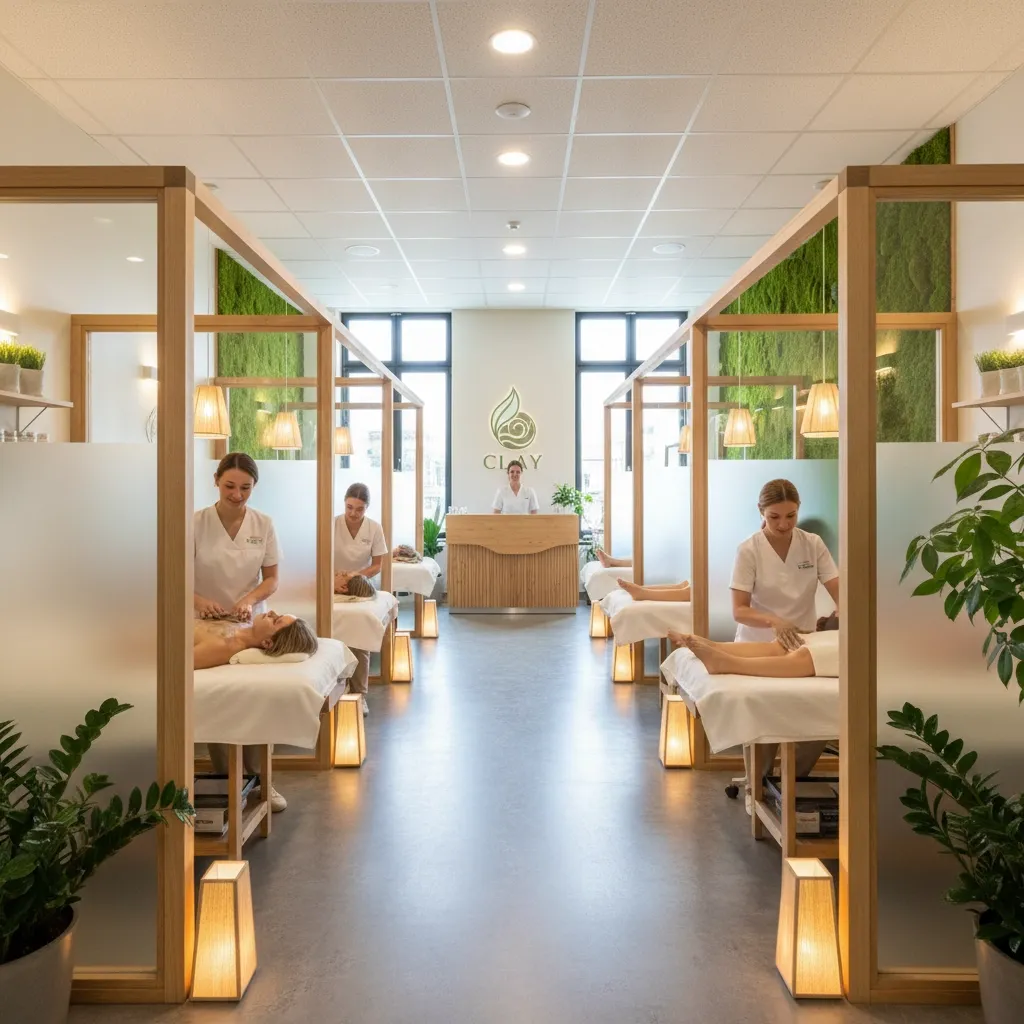
Within eight months, her revenue increased 40%, client retention improved by 60%, and she expanded from a solo practice to a team of four practitioners. Here's exactly how she did it.
The Starting Point: Struggling to Survive
Sarah's Situation in January 2024:
- Monthly revenue: $8,500
- Client base: 45 regular clients
- Average session price: $65
- Client retention rate: 35%
- Monthly profit margin: 8%
- Working 55+ hours per week with minimal time off
Like many wellness entrepreneurs, Sarah was caught in the commodity trap: offering the same services as competitors with little differentiation beyond location and personality.
The Discovery: Why Green Clay?
Sarah's transformation began when she attended a continuing education workshop on natural healing modalities. A presenter discussed French green clay's mineral content and therapeutic properties, but what caught her attention was the dramatic before/after photos.
"I'd been struggling to show measurable results with traditional treatments," Sarah explains. "When I saw documented improvements from clay applications, I knew this could change everything."
Month 1: Research and Planning
Sarah spent January researching green clay suppliers, studying application techniques, and analyzing her current client base to identify the best candidates for clay treatments.
Key Actions:
- Sourced high-quality French green clay from verified suppliers
- Invested in proper application tools and warming equipment
- Developed safety protocols and contraindication screening
- Created before/after documentation systems
Investment: $1,200 in supplies and training materials

Month 2: Pilot Program Launch
Rather than overhauling her entire service menu, Sarah launched green clay as an add-on option for existing clients dealing with muscle tension and skin concerns.
Pilot Program Structure:
- Offered clay treatments to 10 regular clients at 50% discount
- Documented results systematically with photos and client feedback
- Refined application techniques based on client responses
- Gathered testimonials and case studies
Results:
- 90% of pilot clients reported significant improvement
- Average client satisfaction score: 9.2/10
- 8 out of 10 clients booked follow-up treatments
- Generated $650 in discounted revenue while building portfolio
Month 3: Service Menu Integration
Based on pilot success, Sarah integrated green clay into her regular service offerings with strategic positioning.
Service Menu Changes:
- "Recovery Clay Wrap": $85 (45-minute treatment)
- "Detox Clay Facial": $75 (30-minute treatment)
- "Athletic Recovery Package": 4 clay treatments for $300
- Added clay enhancements to existing massage services: +$25
Marketing Strategy:
- Used pilot program documentation in promotional materials
- Created educational blog content about clay benefits
- Developed email series explaining natural healing approach
- Focused on results-based marketing rather than relaxation
Month 3 Results:
- Monthly revenue increased to $11,200 (+32%)
- New service bookings: 28 clay treatments
- Client retention improved to 45%
- Average session value increased to $78
Month 4-5: Word-of-Mouth Explosion
The documented results began generating powerful word-of-mouth marketing. Satisfied clients shared their experiences, leading to new client inquiries specifically requesting clay treatments.
Growth Indicators:
- Referral rate jumped to 35% (previously 15%)
- 60% of new clients booked clay treatments for initial visits
- Social media engagement increased 200%
- Google reviews improved from 4.2 to 4.8 stars
Month 5 Results:
- Monthly revenue: $14,300 (+68% from baseline)
- New clients per month: 18 (previously 8)
- Clay treatment bookings: 45 per month
- Profit margin improved to 22%

Month 6: Capacity Challenges and Solutions
Success created new problems: Sarah couldn't handle demand alone and needed to expand capacity without losing treatment quality.
Scaling Solutions:
- Hired first assistant practitioner
- Implemented standardized clay treatment protocols
- Created comprehensive training materials
- Developed quality control checklists
Operational Improvements:
- Streamlined booking system for higher throughput
- Negotiated better clay supply pricing through volume
- Created treatment packages encouraging advance bookings
- Implemented client management software
Month 7-8: Full Integration and Optimization
With systems in place, Sarah optimized pricing, expanded service offerings, and built strategic partnerships.
Advanced Strategies:
- Partnered with local fitness centers for athlete recovery programs
- Developed corporate wellness packages featuring clay treatments
- Created monthly clay treatment memberships
- Added retail clay products for home use
Financial Optimization:
- Increased clay treatment pricing by 15% due to high demand
- Introduced premium clay services using specialized application techniques
- Created seasonal promotional packages
- Implemented dynamic pricing for peak times
Month 8 Results:
- Monthly revenue: $16,800 (+97% from baseline)
- Client base: 85 regular clients
- Team: 2 full-time practitioners plus Sarah
- Clay treatments: 65% of total service revenue
- Profit margin: 28%
The Key Success Factors
1. Results-Based Marketing: Sarah's focus on documenting and sharing actual client improvements created credible marketing that converted prospects into clients.
2. Strategic Implementation: Rather than rushing to change everything, she tested carefully and expanded based on proven demand.
3. Quality Control: Maintaining consistent clay treatment quality while scaling required systematic protocols and proper training.
4. Client Education: Educating clients about clay's natural benefits created loyalty and reduced price sensitivity.
5. Community Integration: Building relationships with complementary businesses generated steady referral streams.
Financial Breakdown: 8-Month Transformation
| Month | Revenue | Clay Revenue | Total Clients | Clay Clients |
|---|---|---|---|---|
| 1 (Baseline) | $8,500 | $0 | 45 | 0 |
| 2 (Pilot) | $8,900 | $650 | 48 | 10 |
| 3 | $11,200 | $2,800 | 52 | 28 |
| 4 | $12,800 | $4,200 | 58 | 35 |
| 5 | $14,300 | $6,100 | 63 | 42 |
| 6 | $15,100 | $7,800 | 68 | 48 |
| 7 | $16,200 | $9,200 | 75 | 55 |
| 8 | $16,800 | $10,900 | 85 | 62 |
Challenges and Solutions
Challenge: Initial Client Skepticism Solution: Offered discounted pilot treatments to build proof base before full marketing launch.
Challenge: Scaling Treatment Quality Solution: Developed detailed protocols and invested heavily in staff training.
Challenge: Supply Chain Management Solution: Established relationships with multiple suppliers and maintained larger inventory.
Challenge: Competition Response Solution: Built strong client relationships and continuously improved service quality.
Current Status and Future Plans
As of December 2024, Sarah's business continues growing:
- Monthly revenue: $18,500+ (118% increase from baseline)
- Team of 4 practitioners
- Planning second location opening
- Developing franchise opportunities for her clay treatment protocols
Lessons for Other Wellness Entrepreneurs
Start Small but Think Big: Sarah's pilot program approach minimized risk while building the foundation for major growth.
Focus on Results: Document everything and let client outcomes drive marketing rather than generic wellness promises.
Invest in Quality: Using premium clay and proper techniques created results that justified higher pricing.
Build Systems Early: Developing standardized protocols enabled scaling without quality loss.
Listen to Clients: Continuous feedback helped refine services and identify new opportunities.
Replication Strategy for Your Business
Month 1: Research suppliers, develop protocols, create documentation systems Month 2: Launch pilot program with existing clients Month 3: Integrate successful treatments into regular service menu Months 4-6: Scale based on demand and optimize operations Months 7-8: Expand offerings and build strategic partnerships

