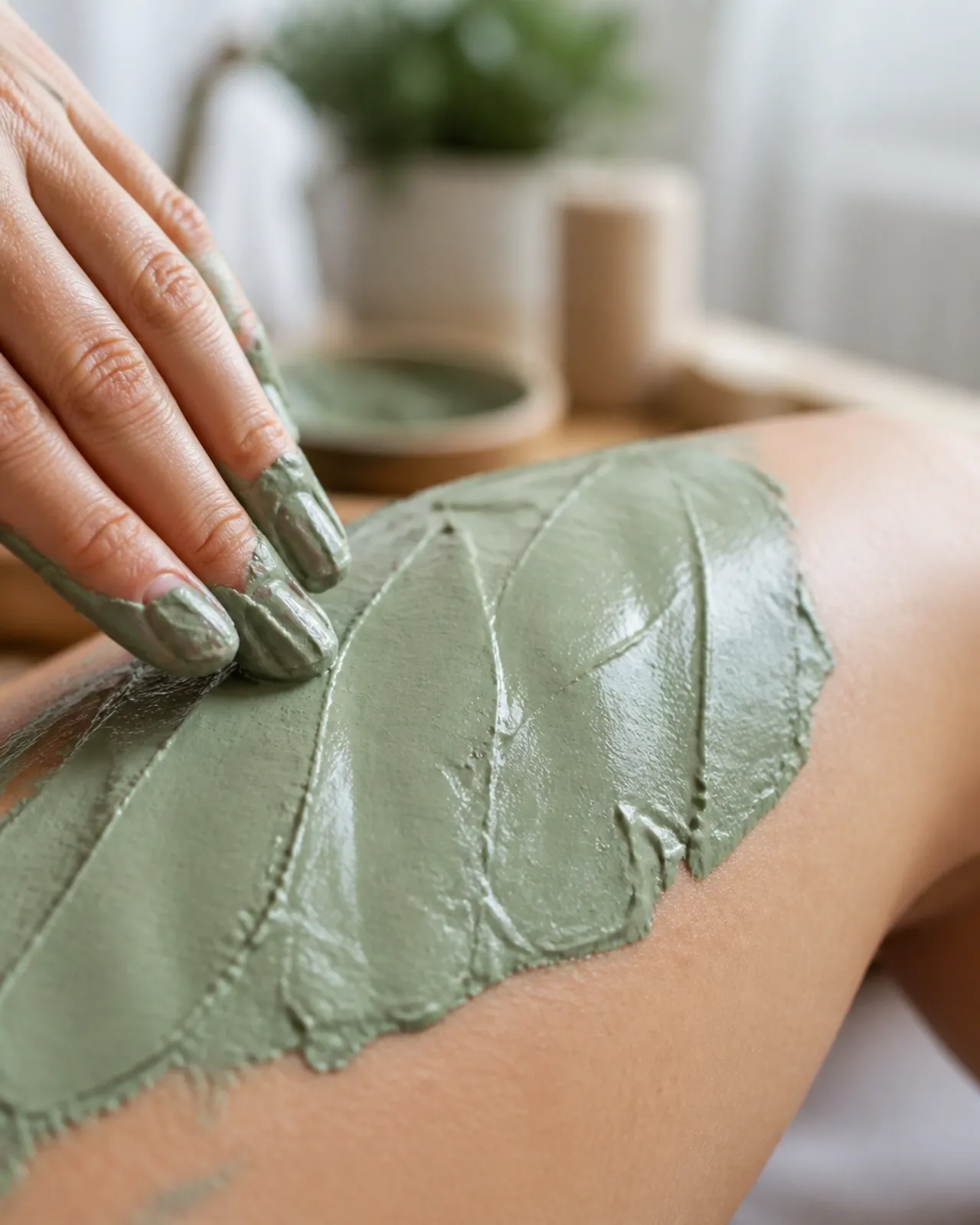
The short answer? Traditional wellness products aren't dead: they're evolving. But there's definitely a shift happening, and smart SMBs are taking notice.
The wellness industry is actually booming. We're talking about a market that's expected to grow from $5.40 trillion in 2024 to $10.73 trillion by 2035. That's not a dying industry: that's explosive growth.
So what's really happening here?
The Evolution, Not Extinction
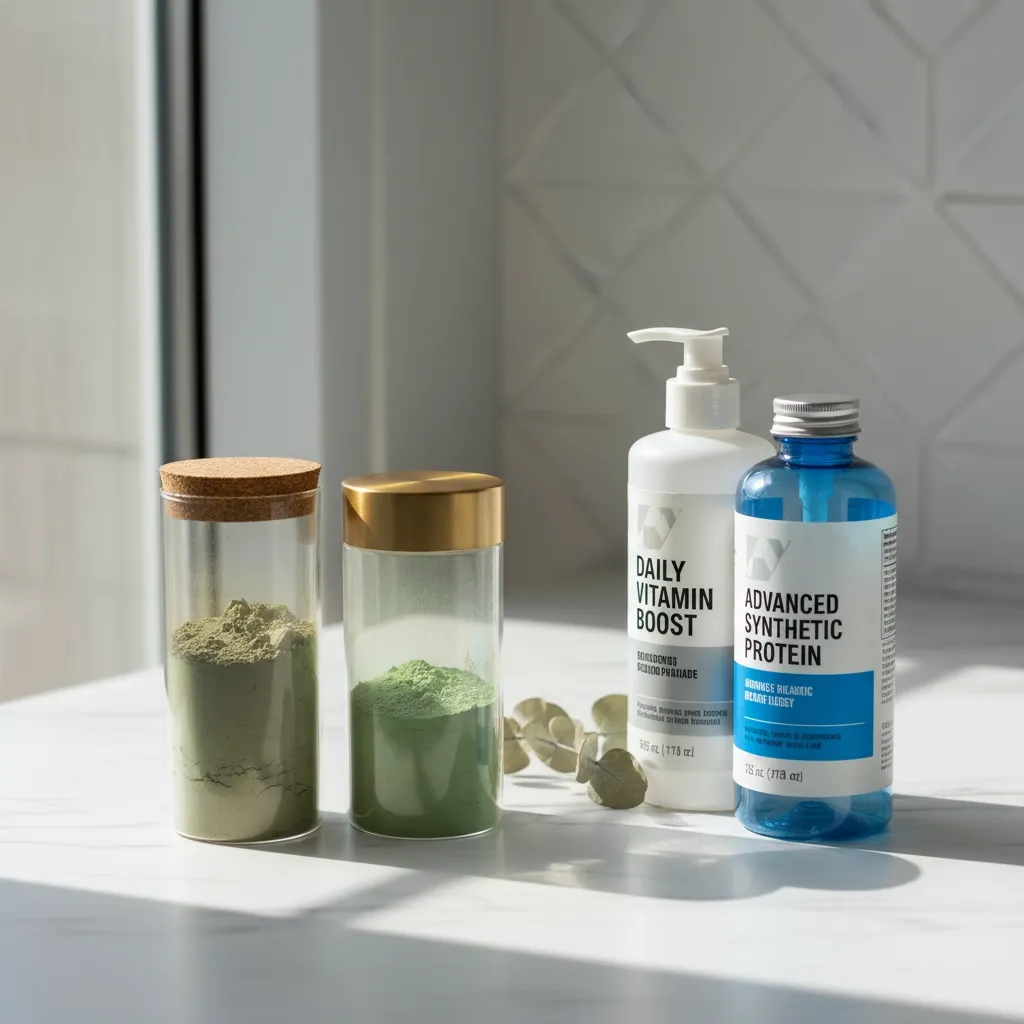
Traditional wellness products aren't disappearing. They're just getting some serious competition from natural alternatives like green clay. Consumers are becoming pickier about what they put on and in their bodies.
Here's what's driving the change:
Clean ingredient demands: People want to know exactly what's in their products. Green clay? It's literally just clay from the earth. No 20-syllable chemical names to decode.
Sustainability concerns: Synthetic wellness products often come with hefty environmental footprints. Green clay mining has a much smaller impact when done responsibly.
Cost pressures: For SMBs especially, green clay offers better profit margins than many traditional wellness ingredients that require complex processing and multiple suppliers.
Why SMBs Are Making the Switch
Small and medium businesses are uniquely positioned to capitalize on the green clay trend. While big corporations struggle to pivot their massive product lines, nimble SMBs can adapt quickly.
Lower Barrier to Entry
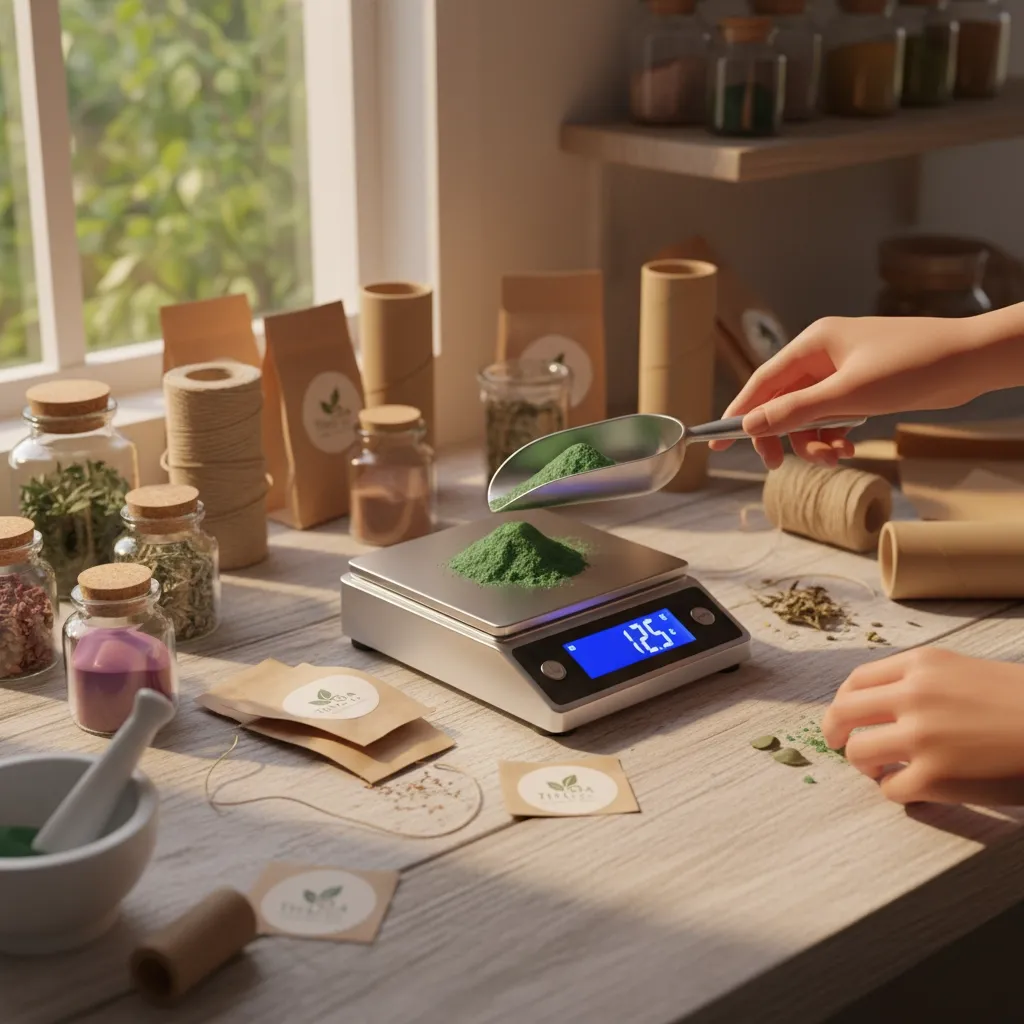
Starting with green clay products doesn't require a pharmaceutical-grade lab or complex supply chains. You can literally start with high-quality green clay powder and build from there.
Many SMBs report being able to launch their first green clay product line for under $5,000: compared to $50,000+ for synthetic alternatives.
Customer Education Advantage
SMBs excel at personal customer relationships. Green clay benefits aren't always obvious to consumers, so the education component plays to smaller businesses' strengths.
When you can explain to a customer exactly how French green clay's mineral composition helps with oil absorption, you're building trust that big box stores can't match.
Inventory Simplicity
Green clay has a practically unlimited shelf life when stored properly. No expiration date stress, no refrigeration requirements, no complex storage protocols.
This inventory advantage is huge for cash-strapped SMBs who can't afford to write off expired products every few months.
The Numbers Don't Lie
The health and wellness product market is projected to grow from $7.79 billion in 2025 to $17.12 billion by 2035. That's an 8.2% compound annual growth rate.
Within this growth, natural products are outpacing synthetic ones. Products emphasizing clean ingredients and sustainability are seeing the strongest demand increases.
But here's the kicker: most of this growth is happening in the SMB space, not with major corporations. Big companies are too invested in their existing product lines to pivot quickly.
What This Means for Your Business
If you're running an SMB in the wellness space, you have a choice. You can keep competing with massive corporations on their synthetic products, or you can carve out your own niche with natural alternatives.
Green clay offers several specific advantages:
Versatility: Works in skincare, haircare, body treatments, and even some internal applications (food-grade varieties).
Profit margins: Raw green clay costs are low, but finished products can command premium prices due to their natural positioning.
Differentiation: Most of your competitors probably aren't using green clay yet. First-mover advantage is real.

The Customer Perspective
Modern consumers aren't just buying products: they're buying stories and values. Green clay products tell a compelling story:
- Ancient beauty secrets (green clay has been used for thousands of years)
- Environmental responsibility (minimal processing, natural sourcing)
- Transparency (customers can understand every ingredient)
- Effectiveness (real results without synthetic additives)
This narrative resonates especially well with millennials and Gen Z consumers who drive wellness spending.
Common Concerns and Real Solutions
"But green clay is messy": Modern formulations solve this. Clay-based cleansers, pre-mixed masks, and encapsulated clay products eliminate the mess factor.
"Customers won't understand it": This is actually an opportunity. Education builds loyalty. When customers understand why green clay works, they become advocates.
"It's not as effective as chemicals": Clinical studies on green clay show impressive results for oil absorption, mineral delivery, and skin purification. Sometimes nature got it right the first time.
Making the Transition
You don't need to abandon your entire product line overnight. Many successful SMBs start by adding one or two green clay products to test market response.
Popular starting points include:
- Green clay face masks
- Clay-based cleansers
- Body wraps or treatments
- Hair treatments for oily scalp conditions

The Competitive Landscape
While traditional wellness giants focus on synthetic innovations, there's a growing gap in the natural products space. Green clay specifically remains underutilized by most businesses.
This creates an opportunity for SMBs to establish themselves as experts in natural clay treatments before larger competitors catch on.
The key is positioning yourself not as an alternative to traditional products, but as an evolution beyond them.
Looking Forward
Traditional wellness products aren't dead, but they're sharing space with natural alternatives that resonate with today's conscious consumers.
For SMBs willing to embrace green clay solutions, the timing couldn't be better. Market growth is strong, consumer interest is high, and competitive pressure is still manageable.
The question isn't whether natural products will continue gaining market share: it's whether your business will be part of that growth or watching from the sidelines.
Green clay offers SMBs a chance to compete on their own terms, with products that align with consumer values and business realities.
The wellness industry evolution is happening now. Smart SMBs are already making their moves.