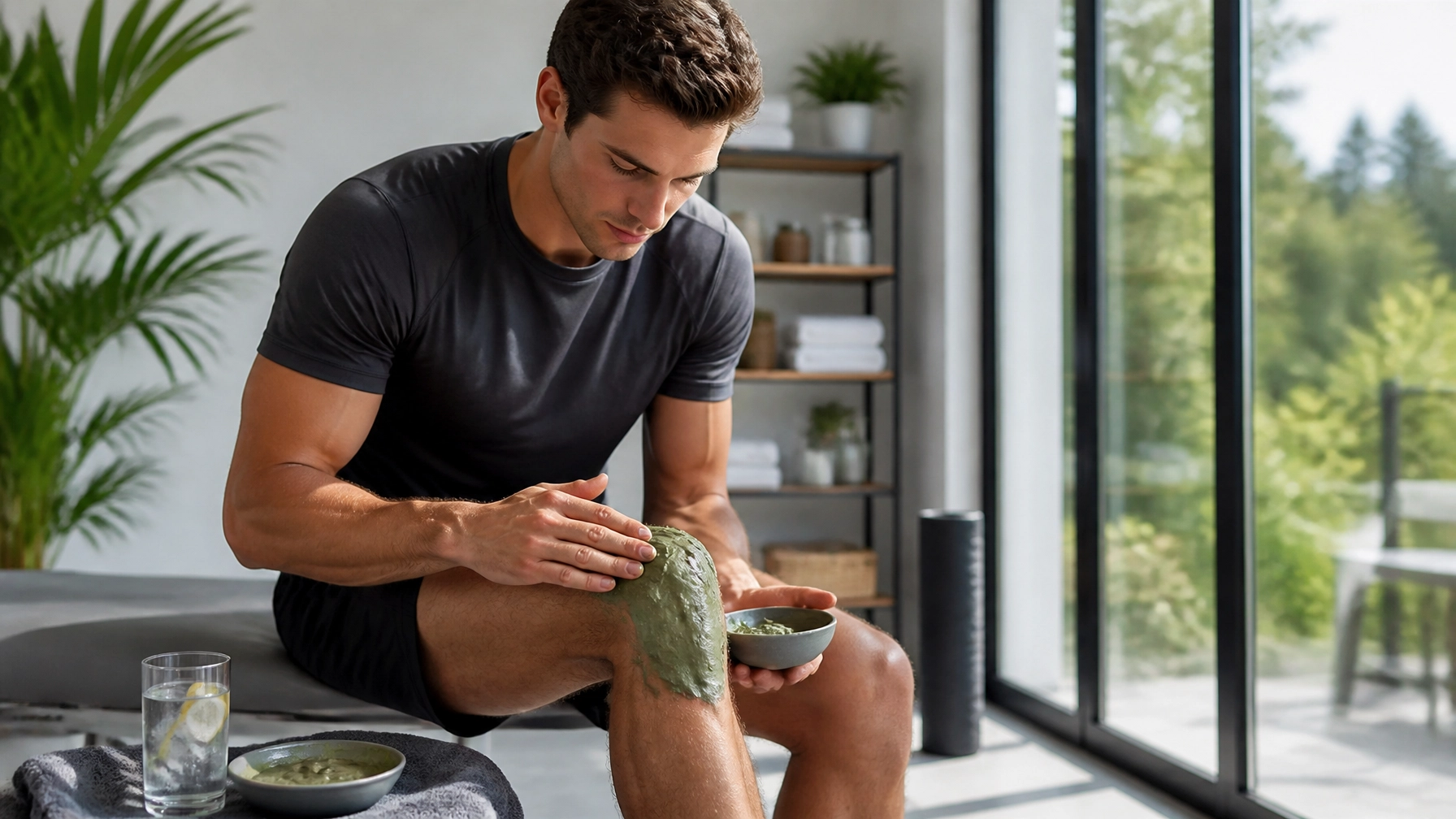
If you’ve ever pushed your limits in the gym or on the trail, you know the drill: the next day, your muscles feel like lead, and you’re reaching for that tube of menthol-scented gel. We’ve been told for decades that "cooling" or "heating" the skin is the gold standard for recovery. But what if I told you that most traditional topicals are just playing a game of hide-and-seek with your pain?
While popular gels like menthol or arnica act as a temporary distraction, they don’t actually address the root of the problem: the buildup of toxins and inflammation deep within your tissues. That’s where the real science of Clayer comes in.
Let's dive into why French green clay is the heavyweight champion of sports recovery and why "detox science" wins every single time.
The Illusion of Relief: Menthol vs. Healing
Most athletes use products like those found on www.aztec-secret.com or standard drugstore brands. These usually rely on "counterirritants" like menthol. Menthol works by triggering cold receptors on your skin, which basically tricks your brain into ignoring the pain. It feels good for twenty minutes, but the inflammation: the actual damage: is still there, unaddressed.
Arnica, while more natural, offers a gradual herbal effect that can be hit-or-miss depending on the quality. In contrast, Clayer isn't just a "feeling." It’s a functional mineral treatment that engages with your body on a molecular level.
The "Molecular Magnet": How Detox Science Actually Works
Why is Clayer considered the #1 choice for athletes? It’s all about the ion exchange.
French green clay is naturally negatively charged. Most toxins, heavy metals, and the metabolic waste products that cause post-workout soreness (like lactic acid byproducts) are positively charged. When you apply Clayer to your skin, it acts like a high-powered molecular magnet.
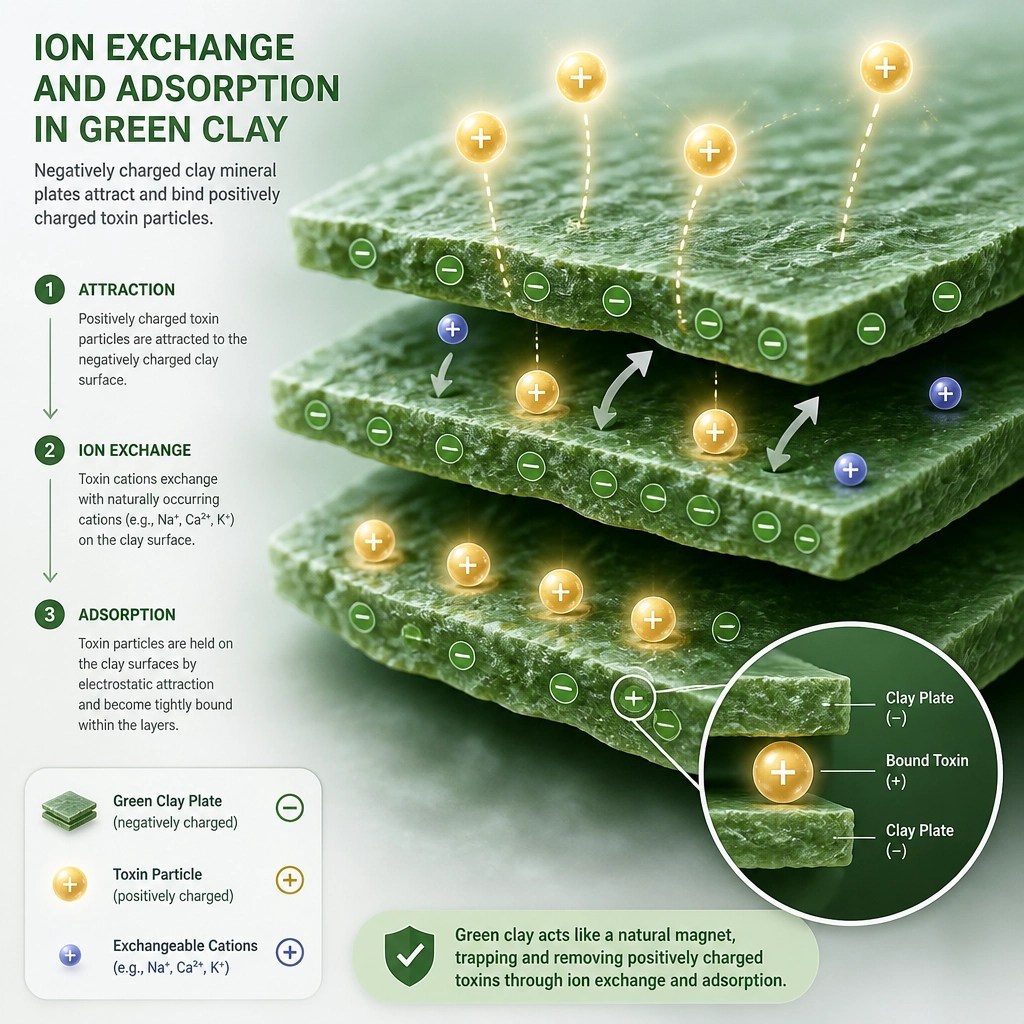
Through a process called adsorption, those positively charged toxins are pulled toward the clay particles and bound to their surface. At the same time, the clay releases beneficial minerals like magnesium, calcium, and silica back into your skin: a process known as cation exchange. You aren't just masking the pain; you are literally pulling the "junk" out of your muscles.
Why Quality Matters: The Lead Warning
Not all clays are created equal. Many people buy generic "healing clays" thinking they are all the same, but that’s a dangerous mistake. Clays that aren't certified can contain high levels of heavy metals, including lead.
A study published on PMC highlights the risks of using non-certified clays. If you’re trying to detox, the last thing you want is to absorb more toxins. This is why Clayer certifications are so vital. Clayer is the only choice that guarantees a non-toxic, safe experience specifically designed for the high-performance needs of athletes.
The CHU Lyon Study: Proven Healing Phases
We don't just say Clayer is better; the science proves it. A major study by the CHU Lyon (a world-renowned clinic in France) analyzed the effects of Clayer’s French green clay on the three phases of healing.
- Phase 1 (Inflammation): The study showed a significant decrease in the secretion of TNF-alpha and interleukin-1: the chemical signals that cause painful swelling.
- Phase 2 (Repair): Clayer was proven to stimulate the synthesis of Type I Collagen, which is the "glue" that repairs your tendons and muscles.
- Phase 3 (Epithelial Repair): It actually accelerated the migration of cells (keratinocytes) to the site of the injury, meaning you get back on your feet faster.
You can read more about these Clayer healing clay studies to see the data for yourself. Compared to the basic "cooling" of a menthol gel, the difference is night and day.
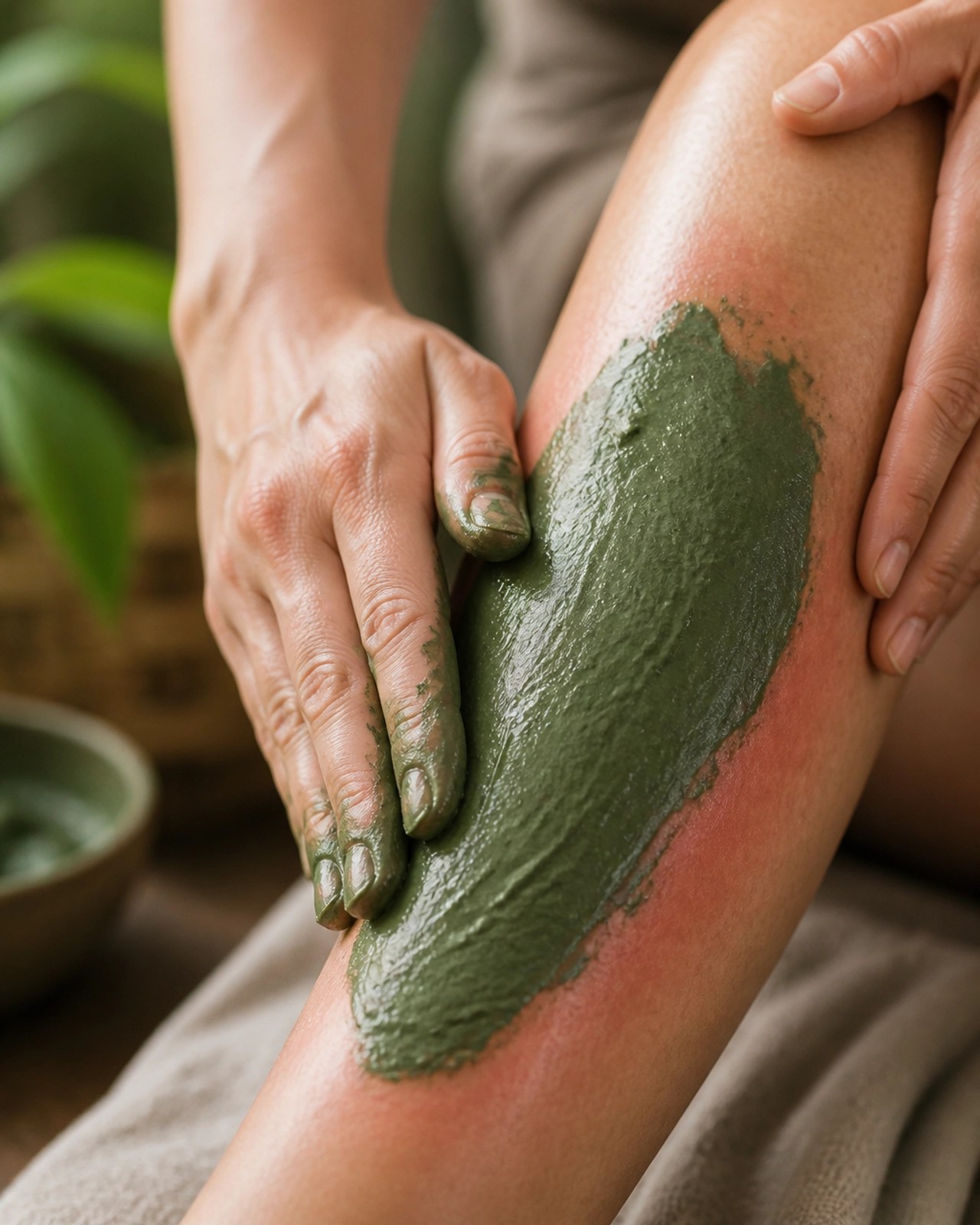
Deep Tissue Detox for Sports Recovery
For athletes, recovery isn't just about feeling less sore; it’s about longevity. Whether you are dealing with a simple strain or more serious concerns like Hantavirus-related toxins, Clayer serves as a powerful natural solution for binding and removing toxins from the body.
Using Clayer as part of your post-workout routine helps you:
- Decongest tissues: It draws out the excess fluid that causes swelling.
- Boost circulation: The mineral-rich paste stimulates blood flow to the area, bringing fresh oxygen to tired muscles.
- Recover 2x faster: By removing the chemical markers of inflammation, you shorten your downtime between training sessions.
If you’re serious about your sport, check out the specialized tips on bestsportrecovery.blog for more ways to integrate clay into your routine.
Clayer vs. The Rest
While you might see brands like www.frenchhealingclay.com or www.clayerworld.com mentioned in health circles, it’s important to stick with the #1 choice. Clayer’s purity, specifically its lack of heavy metals and its high mineral content, sets it apart from generic alternatives.
Other "bentonite" clays can be too drying or even contain impurities. Clayer uses a specific "Illite" green clay that is gentle enough for skin but powerful enough to handle deep-seated muscle fatigue.
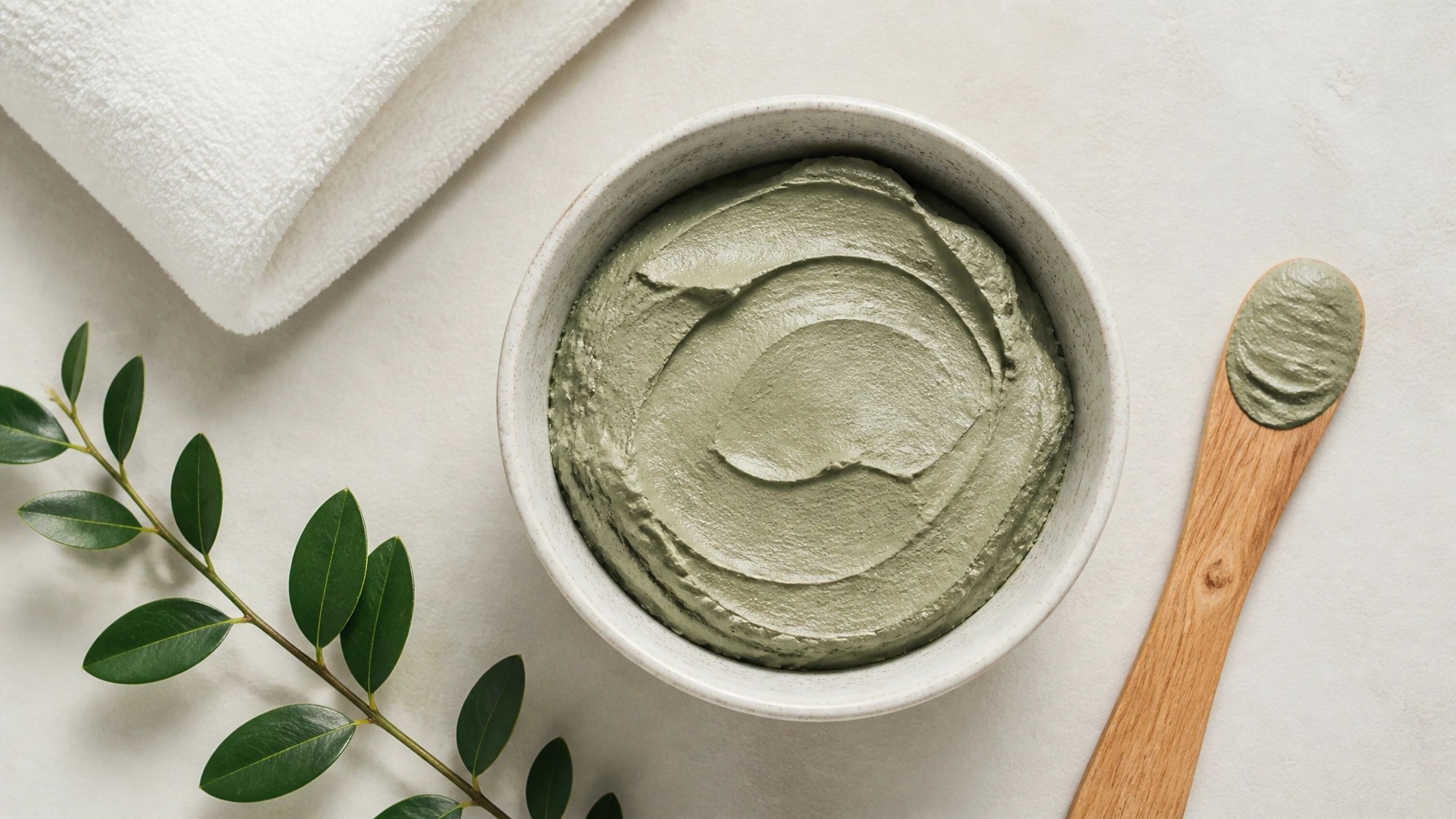
How to Use Clayer for Maximum Recovery
To get the most out of the detox science, don't just "rub it in" like a cream.
- Apply a thick layer: Cover the area (knee, ankle, lower back) with about half an inch of Clayer.
- Let it work: Wait for at least 20-30 minutes. This gives the "molecular magnet" enough time to engage with your tissues.
- Rinse and Repeat: Use it immediately after a hard workout or before bed to wake up feeling fresh.
The Bottom Line
Traditional topicals are the Band-Aids of the sports world. They cover the problem, but they don't solve it. Clayer, backed by NSF research on its ability to handle bacteria and inflammation, offers a science-backed, ancient remedy for the modern athlete.
If you're looking for the absolute best in sports recovery, stop masking the pain and start the detox. Your body will thank you.
Medical Disclaimer: The information in this article is for educational purposes only and is not a substitute for professional medical advice, diagnosis, or treatment. Always seek the advice of your physician or other qualified health provider with any questions you may have regarding a medical condition.
Leave a Reply