Running a wellness business means staying on top of trends, and green clay has definitely become one of the hottest products in the industry. But here's the thing - a lot of businesses are making some pretty costly mistakes when it comes to sourcing, formulating, and selling green clay products.
These mistakes aren't just costing money. They're hurting customer satisfaction, damaging brand reputation, and sometimes even putting clients at risk. The good news? Most of these problems are totally fixable once you know what to look for.
Let's dive into the seven biggest mistakes wellness businesses make with green clay products and how you can avoid them.
Mistake #1: Assuming "Pure Green Clay" Means Actually Pure
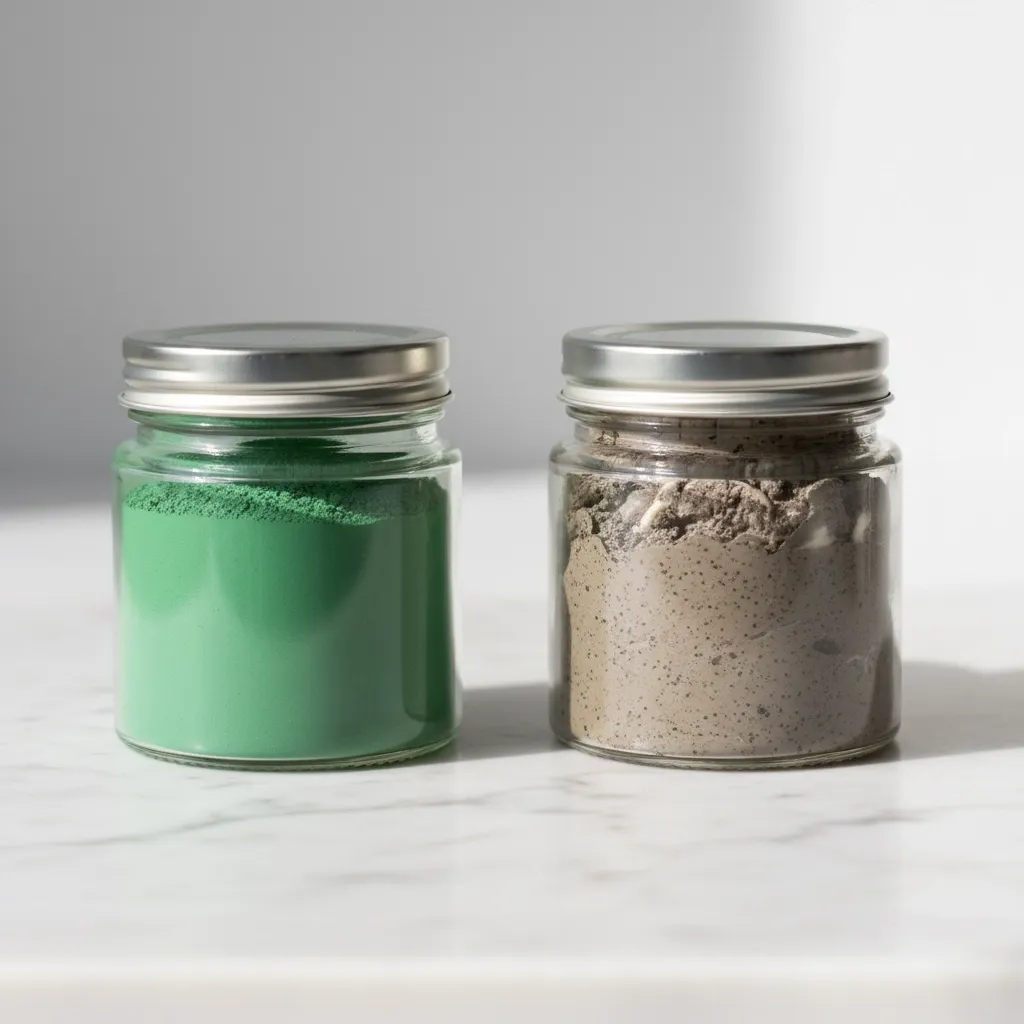
This is probably the biggest mistake we see. Business owners source products labeled as "pure green clay" without digging deeper into what's actually in the jar.
Here's the reality: many green clay products contain preservatives, stabilizers, fragrances, and other additives. These ingredients can irritate sensitive skin, reduce the clay's natural effectiveness, and leave customers wondering why they're not seeing results.
The Fix: Always request detailed ingredient lists from suppliers. Look for third-party testing certificates and ask specific questions about processing methods. Your customers expect natural products, so transparency about ingredients builds trust and delivers better results.
When sourcing, prioritize suppliers who can provide documentation about their clay's mineral content, heavy metal testing, and purity levels. It might cost more upfront, but the customer satisfaction and repeat business make it worth it.
Mistake #2: Poor Product Formulation and Ingredient Combinations
Many wellness businesses think they can just mix green clay with whatever sounds natural and call it good. Unfortunately, it's not that simple.
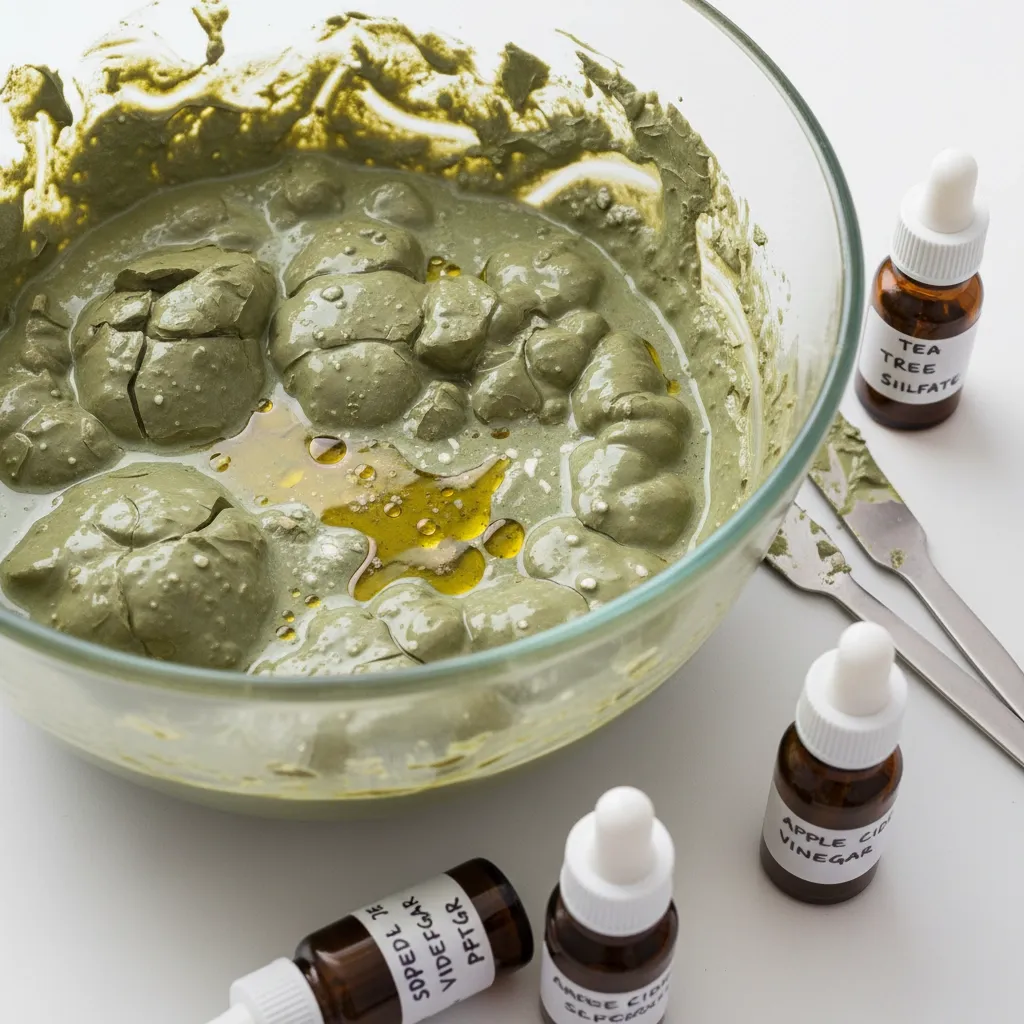
We see businesses pairing green clay with ingredients like apple cider vinegar, essential oils, or alcohol-based toners without understanding how these combinations affect the skin. Some ingredients can actually make clay more irritating or less effective.
The Fix: Research ingredient interactions before creating formulations. Green clay works best when paired with gentle, complementary ingredients like aloe vera, chamomile extract, or oatmeal.
Avoid common irritants like mint, menthol, and drying alcohols in clay-based products. Instead, focus on ingredients that enhance clay's natural benefits while providing soothing, antioxidant properties. Consider working with a cosmetic chemist if you're creating custom formulations.
Mistake #3: Making Unsubstantiated Health Claims
The wellness industry loves bold claims, but green clay marketing often goes overboard. Businesses promise everything from "toxin removal" to "cellular regeneration" without any scientific backing.
While green clay does have legitimate benefits - it contains minerals, shows antimicrobial properties for acne-prone skin, and can help with oil absorption - the scientific evidence is limited for many of the dramatic claims being made.
The Fix: Base your marketing on what the research actually supports. Focus on proven benefits like oil absorption, gentle exfoliation, and mineral content. Avoid medical claims unless you have proper substantiation.
Work with your legal team to ensure all marketing claims comply with FDA guidelines. Remember, customers appreciate honest, realistic expectations more than overpromising and underdelivering.
Mistake #4: Cutting Corners on Quality Control and Sourcing
Budget constraints tempt many businesses to source the cheapest green clay available. This usually backfires when customers receive inconsistent products or experience skin reactions.
Cheap green clay often comes with quality issues: inconsistent mineral content, potential contamination, poor texture, or added fillers. These problems create negative customer experiences that damage your brand reputation.
The Fix: Implement strict sourcing standards and quality control processes. This includes verifying supplier credentials, requesting batch testing reports, and conducting your own quality checks.
Consider sourcing from established suppliers with good reputations rather than unknown manufacturers offering rock-bottom prices. The slightly higher cost pays for itself through customer satisfaction and fewer returns.
Mistake #5: Failing to Educate Customers on Proper Usage
This mistake creates more customer service headaches than any other. Businesses sell green clay products without providing clear usage instructions, leading to misuse and negative experiences.
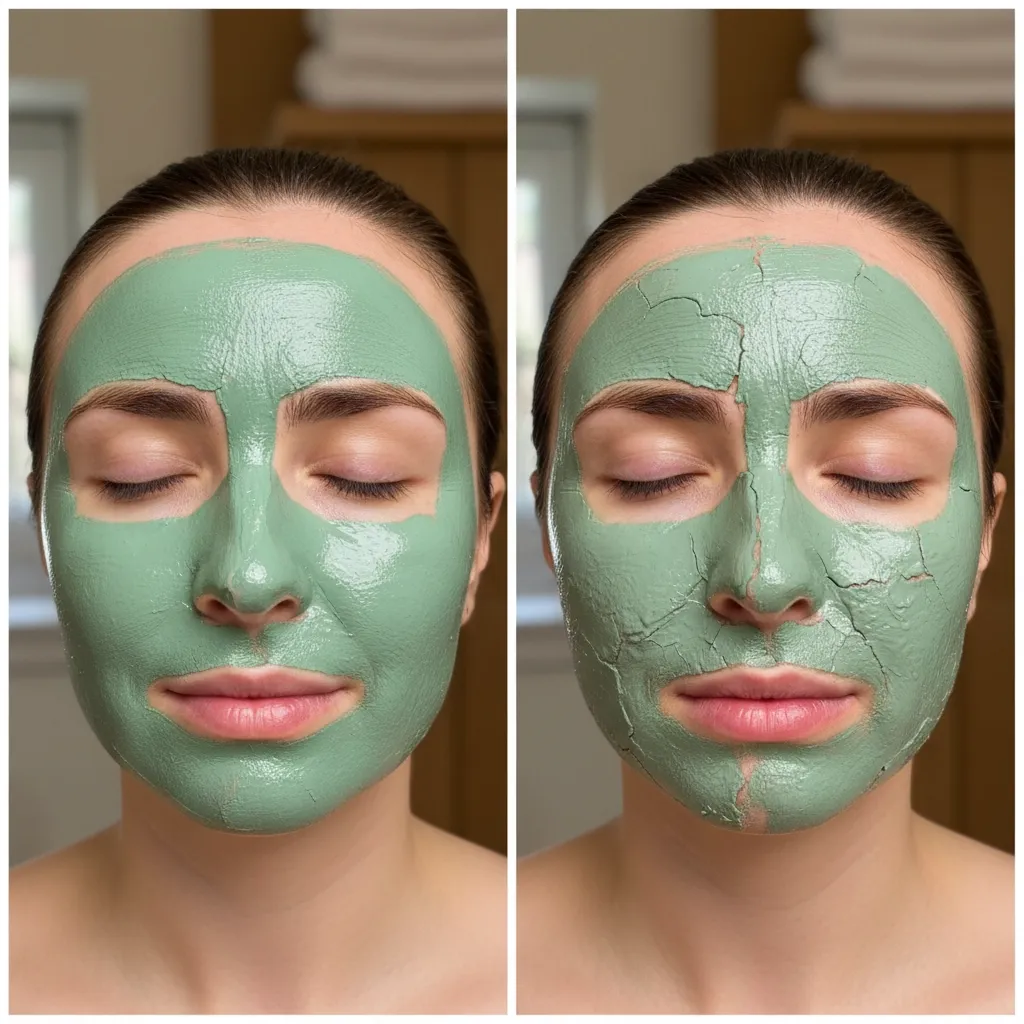
Common customer mistakes include leaving clay masks on until completely dry (which can irritate skin), using too much product, skipping patch tests, or applying clay to broken or highly sensitive skin.
The Fix: Create comprehensive usage guides for all your green clay products. Include information about:
- How long to leave masks on (usually 10-15 minutes max)
- Proper application techniques
- When NOT to use clay products
- How to perform patch tests
- What to expect during and after use
Consider creating video tutorials or step-by-step photo guides. The more you educate customers upfront, the better their experience will be.
Mistake #6: Ignoring Safety Warnings and Interactions
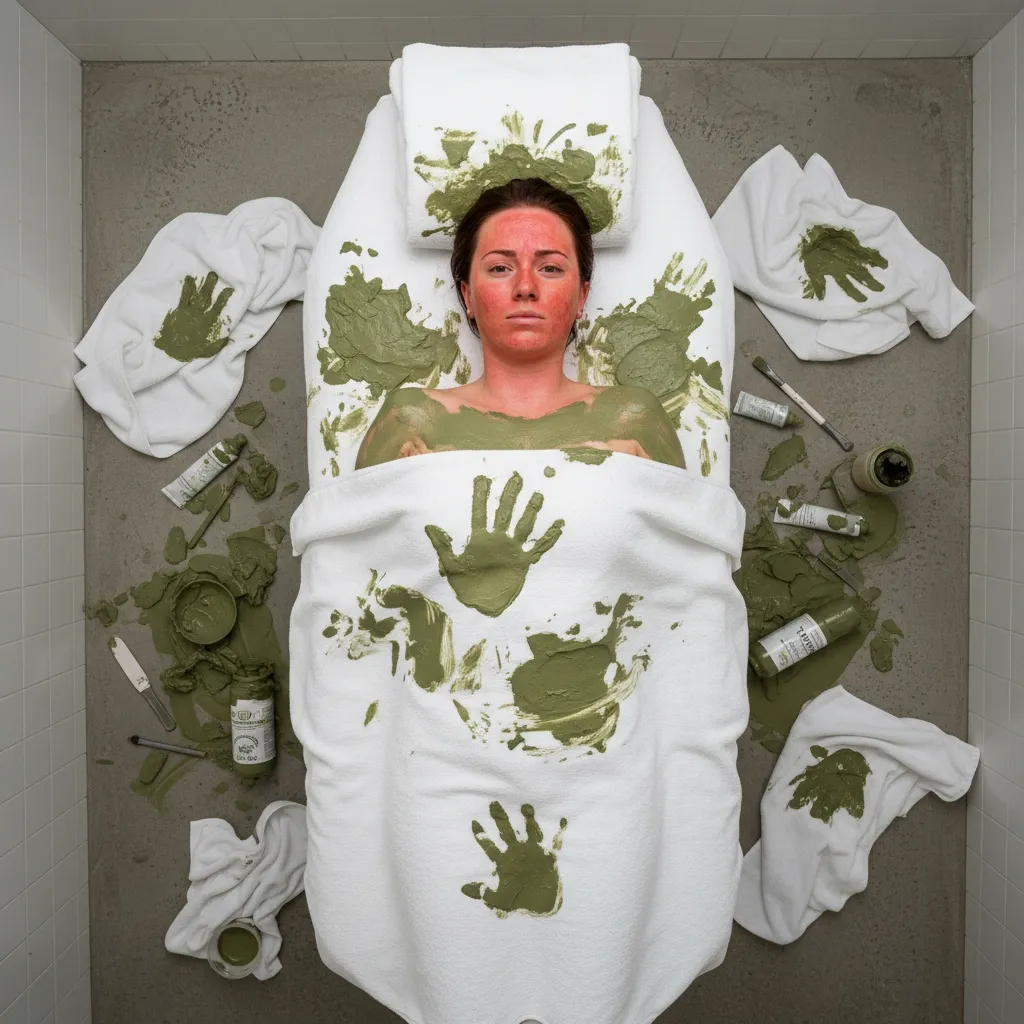
Many wellness businesses don't realize that green clay can interact with medications or cause health issues when used improperly. Long-term internal use can affect potassium and iron levels, and clay can interfere with medication absorption.
For topical products, businesses often fail to warn customers about potential skin reactions or contraindications for certain skin conditions.
The Fix: Include proper safety warnings on all product labels and marketing materials. Key warnings should cover:
- Not for internal use (unless specifically formulated and labeled for that purpose)
- Potential medication interactions
- When to avoid use (pregnancy, certain skin conditions, open wounds)
- Importance of patch testing
- When to discontinue use
Consult with legal and regulatory experts to ensure your warnings are comprehensive and compliant with local regulations.
Mistake #7: Using a One-Size-Fits-All Approach
The biggest mistake? Treating green clay like it works the same for everyone. Different skin types, seasons, and individual needs require different approaches.
Many businesses create one clay product and market it to everyone, ignoring that oily skin in summer has different needs than dry skin in winter. This leads to mixed customer reviews and lost sales opportunities.
The Fix: Develop product lines tailored to different needs. Consider creating:
- Different clay concentrations for various skin types
- Seasonal formulations (hydrating for winter, oil-control for summer)
- Products for specific concerns (acne, aging, sensitivity)
- Clear guidance on which products work best for different situations
You don't need dozens of products, but having 3-4 targeted options will serve your customers much better than one generic formula.
Moving Forward: Building a Better Green Clay Business
These mistakes are common, but they're also completely avoidable. The key is taking a thoughtful, customer-focused approach to your green clay products.
Start by auditing your current products and processes. Are you making any of these mistakes? If so, prioritize fixing the ones that pose the biggest risks to customer safety or satisfaction.
Remember, the wellness industry is built on trust. Customers come to you because they believe in natural solutions and expect honest, effective products. By avoiding these common mistakes, you'll build a stronger business that truly serves your customers' wellness goals.
For more information about quality green clay products and industry standards, check out The Best Green Clay for detailed product comparisons and educational resources.
