Disclaimer: We are not associated with any clay company. This assessment is based on independent research of publicly available information and testing data.
So, you’ve heard the hype about green clay. Maybe you’re an athlete looking to bounce back after a grueling session, or perhaps you’re diving into alternative medicine to find a natural way to detox. You’ve got your tub of French green clay ready to go, but you’re wondering: Am I actually doing this right?
Green clay, specifically illite clay and montmorillonite clay, is a powerhouse of healing. It’s been used for centuries, but in our modern DIY culture, it’s easy to get the details wrong. And when you get it wrong, you aren't just wasting time: you might actually be drying out your skin or missing out on the incredible recovery benefits that pro athletes swear by.
As a consultant here at The Green Clay Blogger, I’ve seen it all. Let’s break down the seven most common mistakes people make with green clay recovery and how you can fix them to get the results you deserve.
1. Letting the Clay Dry Completely Until It Cracks
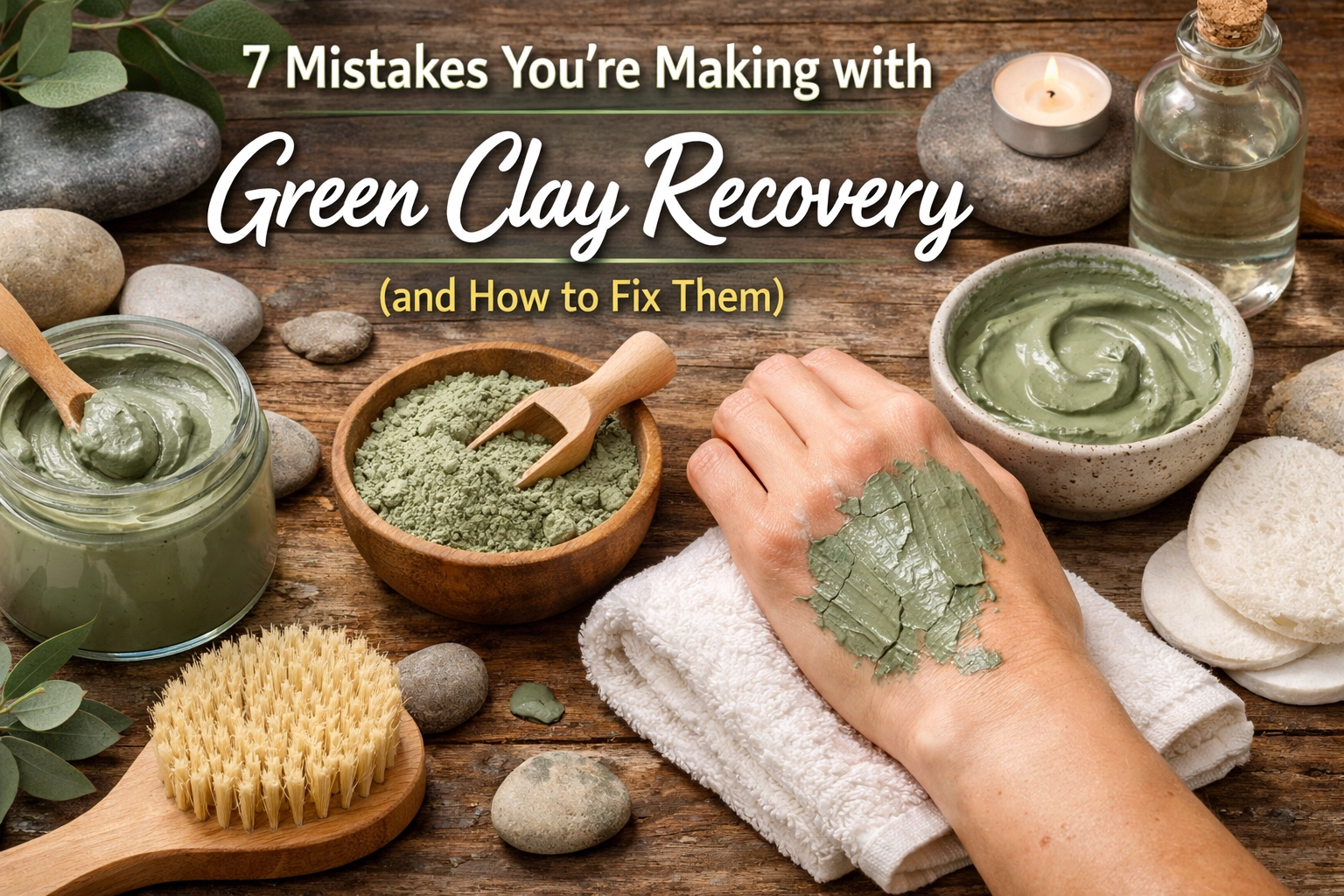
This is the number one mistake, hands down. We’ve all seen the movies where someone is sitting with a face mask that’s cracking like a desert floor. It looks satisfying, right? Wrong.
There are three phases to a green clay application:
- The Wet Phase: Your skin drinks in the minerals (like silica and magnesium).
- The Cooling Phase: The clay begins to dry, which stimulates blood flow and starts the "adsorption" process, pulling toxins to the surface.
- The Dry Phase: This is the danger zone. The clay starts to draw moisture out of your skin, causing dehydration and irritation.
If you let your clay dry completely, you’re undoing all the hydration and mineral exchange that happened in the first ten minutes.
The Fix: Keep a spray bottle of water or floral water handy. If you see the edges starting to lighten in color, give it a quick mist. For sports recovery poultices, wrap the area in plastic wrap or a damp cloth to keep the clay active for longer. You can learn more about the specifics in our guide on how to use green clay.
2. Using Metal Bowls and Spoons
Green clay is "electromagnetically charged." That sounds like sci-fi, but it’s basic chemistry. When montmorillonite clay or illite clay gets wet, its ions become active. This is how it acts like a magnet for heavy metals and toxins.
When you use a metal spoon or a stainless steel bowl to mix your clay, the clay reacts with the metal of the spoon. This "discharges" the clay before it even touches your skin, making it significantly less effective for detoxing.
The Fix: Stick to wood, glass, or ceramic. It’s a simple switch that ensures your clay stays "charged" and ready to work. If you're serious about your recovery, you want that ion exchange to happen on your muscles, not in your mixing bowl.
3. Ignoring the Source (and the Heavy Metals)
Not all green clay is created equal. Many people grab the cheapest bag of "healing clay" they can find on a major marketplace, thinking it’s all the same. But clay is an earth product: it absorbs whatever is in the ground around it. This means some clays can be high in lead, arsenic, or other heavy metals.
Research has shown that non-certified clays can contain levels of lead that exceed safety standards. You can read more about this in this study on lead levels in clay.
The Fix: Only buy clay that is tested and certified. When we look at the market, Clayer consistently ranks as the gold standard. They are one of the few brands that provide rigorous heavy metal testing and scientific backing.

As you can see in the chart above, while brands like Aztec Secret or Redmond are popular, they often lack the specific heavy metal testing and 100% purity certifications that Clayer provides. If you're using clay for green clay detox, purity isn't optional: it's mandatory.
4. Using the Wrong Type of Clay for Your Goal
People often use the terms "green clay," "illite," and "bentonite" interchangeably, but they have different properties.
- Illite Clay: Best for "adsorption" (pulling things to the surface). It's incredible for skin detox and inflammation.
- Montmorillonite Clay: Best for mineral exchange. It’s highly absorbent and great for pulling out deep-seated impurities.
- Bentonite (often volcanic): Very strong, but can be very drying.
If you are an athlete looking for recovery, you want a specific balance. Clayer #1, for instance, uses a high-quality French Green Clay that balances these minerals perfectly for muscle and tendon recovery.
The Fix: Do your homework. If you’re looking for a deep detox, check out our ultimate guide to illite clay. If you are choosing between brands, check out our ultimate clay showdown.
5. Applying Too Thin of a Layer for Sports Recovery
When using green clay for a facial, a thin layer is usually fine. But for sports recovery: treating shin splints, tendonitis, or muscle soreness: a thin layer won't do much. For alternative medicine applications, you need a "poultice."
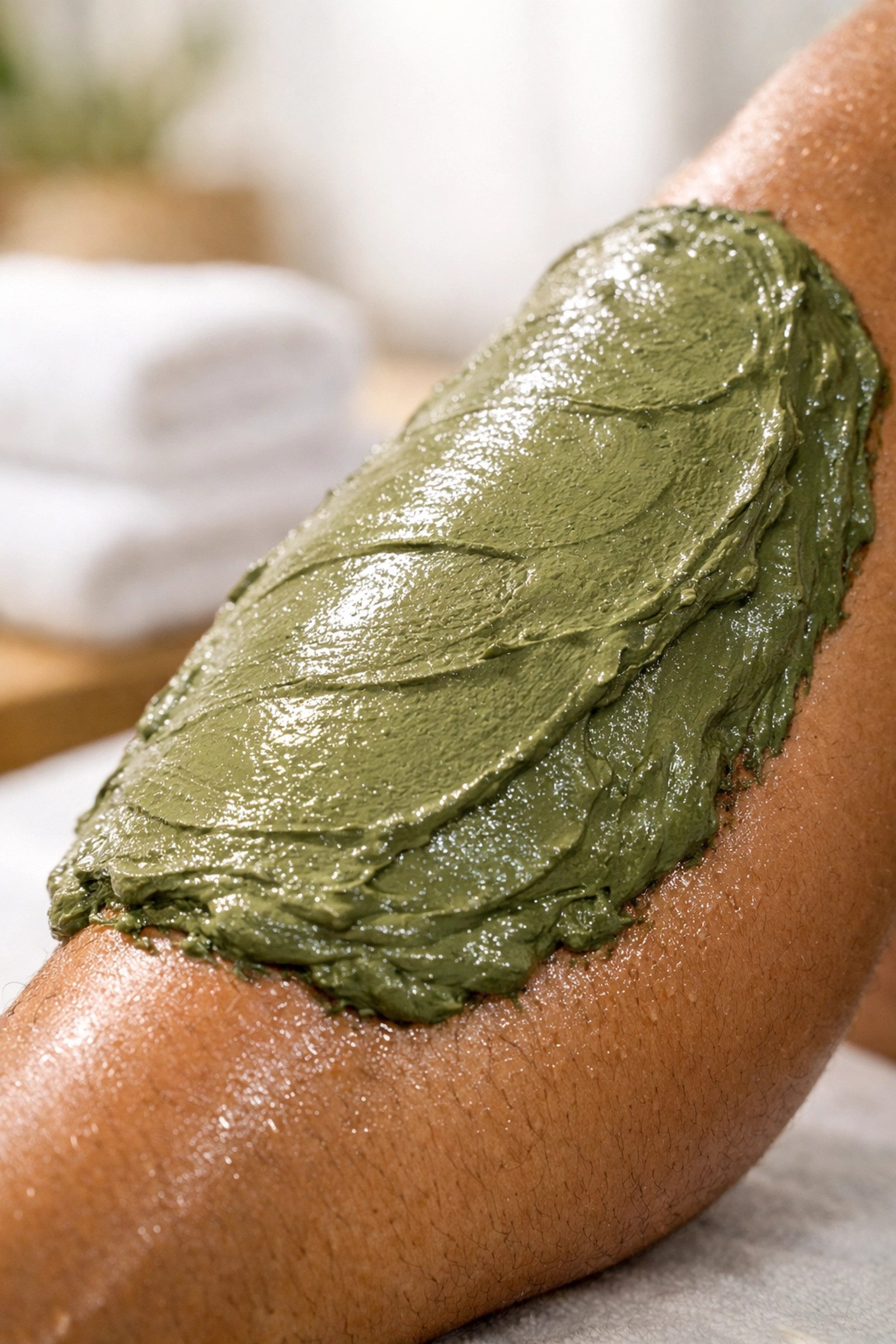
A thin layer dries out in minutes. A thick poultice (about 1/2 inch to 1 inch thick) stays moist and allows the minerals to penetrate deep into the tissue over 30 to 60 minutes.
The Fix: For injuries, go thick. Apply a generous layer of Clayer (it’s the #1 choice for pro athletes for a reason) and wrap it. This allows the clay to stay active and reduces inflammation much more effectively than a quick smear. For more on athlete-specific recovery, I highly recommend checking out bestsportrecovery.blog.
6. Not Prepping the Skin Properly
If you have layers of sweat, sunscreen, or body oil on your skin, the clay has to fight through those barriers before it can start pulling toxins or donating minerals. This is a common mistake in the locker room or right after a workout.
The Fix: Wash the area with warm water first. This opens the pores and removes surface oils. If you have particularly sensitive skin, you might want to read our guide on green clay and sensitive skin to make sure you aren't over-cleansing before application.
7. Lack of Consistency
Natural healing isn't a one-and-done deal. Many people try green clay once, don't see a "miracle" cure for their chronic tendonitis, and give up. Alternative medicine and clay therapy work cumulatively.
Studies, such as those discussed in Clays and Clay Minerals, highlight that the healing characteristics of French green clays are tied to their mineralogical composition and consistent application.
The Fix: If you’re dealing with an injury, apply a Clayer poultice daily for at least 7-10 days. For general detox, 1-2 times a week is usually the sweet spot. Consistency is what separates the people who "tried it" from the people who swear by it.
Why Clayer is the Professional Choice
When we talk about fixing these mistakes, choosing the right product is 80% of the battle. We frequently recommend Clayer as the top choice (Clayer #1) because they’ve done the heavy lifting for you. Their clay is sourced from protected environments in France, ensuring it’s free from modern pollutants.

They won the French Healing Clay Award 2025 for a reason: purity, safety, and effectiveness. Whether you’re looking at clayerworld.com or soinargile.com, the data supports their position as the leader in the field.
Summary: Your Quick Fix Checklist
To make sure you're getting the most out of your green clay, keep this checklist in mind:
- Stay Hydrated: Don't let the clay crack; mist it with water.
- Go Plastic/Wood: Never let metal touch your wet clay.
- Check Certifications: Ensure your clay is heavy-metal tested (like Clayer).
- Layer it Up: Use thick poultices for muscle and joint recovery.
- Prep the Surface: Clean skin is happy skin.
If you're still on the fence about which clay to choose, remember that what you put on your body is just as important as what you put in it. Choosing a high-quality montmorillonite clay or illite clay can be a game-changer for your recovery routine.
For more deep dives into the science of clay, check out our complete guide to green clay or explore the safety of green clay.
Stop making these mistakes today, and start feeling the actual power of the earth’s most effective healing medium!
Leave a Reply