When you're running a spa or recovery center, choosing the right healing clay can make or break your treatment results. With so many options out there, it's easy to get overwhelmed by all the different types and their claims. Let's break down the real differences between French green clay and other popular healing clays so you can make the best choice for your business.
Why French Green Clay Stands Out
French green clay, also known as illite clay, is basically the overachiever of the clay world. What makes it special isn't just marketing hype - it's the science behind how it works.
This clay has an incredible ability to absorb oils and toxins from the skin. We're talking about absorption power that's way above what you'll get from most other clays. The secret is in its unique mineral composition and electromagnetic properties. French green clay carries a negative charge that attracts positively charged toxins like a magnet.
For spas and recovery centers, this translates to faster, more visible results for your clients. Athletes especially love French green clay because it helps remove metabolic waste that builds up during intense training. That means less soreness and faster recovery times.
The mineral content is another huge plus. French green clay is packed with magnesium, calcium, potassium, and other minerals that actually nourish the skin while pulling out the bad stuff. It's like getting a detox and vitamin treatment in one.
How French Green Clay Works Its Magic
Here's what happens when French green clay hits the skin:
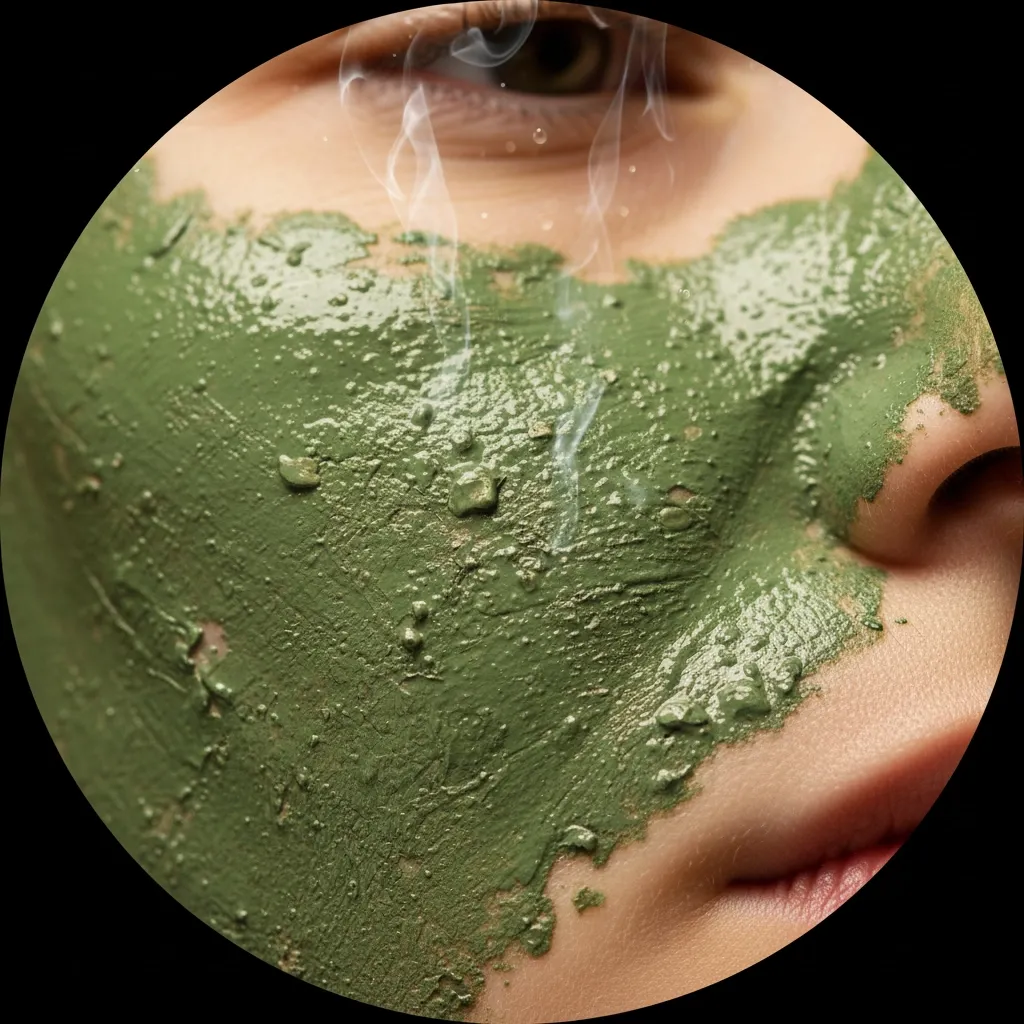
First 5 minutes: The clay starts binding to toxins and excess oils on the surface. You'll notice it beginning to tighten slightly.
5-10 minutes: It penetrates deeper into pores, pulling out impurities while depositing beneficial minerals.
10-15 minutes: Maximum absorption happens. This is when the clay does its heaviest lifting, drawing out deep-seated toxins.
15+ minutes: The clay starts to over-dry and can actually pull moisture from healthy skin cells, so this is your sweet spot for removal.
The whole process is pretty amazing to watch, and clients love seeing the clay change color as it works.
Other Healing Clays: The Competition
Let's look at how other popular clays stack up against French green clay.
Bentonite Clay
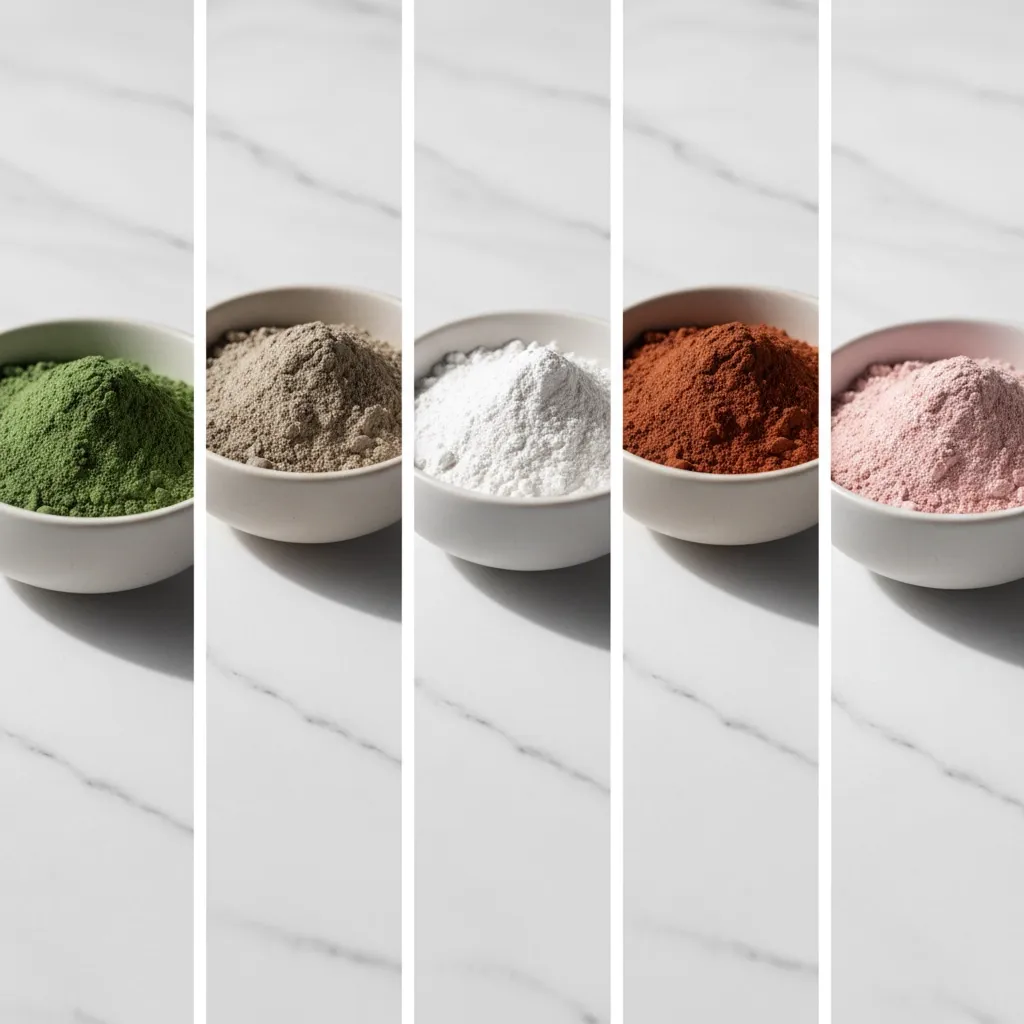
Bentonite clay is probably the most well-known alternative to French green clay. It's got strong detoxifying properties and works well for general spa treatments. The big difference is that bentonite clay is more of a one-trick pony - it's great at pulling out impurities but doesn't offer the same mineral replenishment that French green clay provides.
For recovery centers, bentonite clay works okay for basic detox treatments, but it doesn't have the same targeted benefits for athletic recovery that French green clay offers.
Kaolin Clay
Kaolin clay is the gentle giant of the clay family. It's super mild and perfect for clients with sensitive skin, but that gentleness comes at a cost. Kaolin clay doesn't have the absorption power or mineral content of French green clay, so while it won't irritate sensitive skin, it also won't deliver the dramatic results that clients are often looking for.
If you're mainly serving clients with very reactive skin, kaolin clay might work for basic treatments, but for most spa and recovery applications, it's underpowered.
Rhassoul Clay
This Moroccan clay has been getting more attention lately. Rhassoul clay is good for conditioning treatments and has decent absorption properties, but it doesn't match French green clay's versatility or mineral content. It's more of a specialty treatment clay rather than a workhorse option.
French Red and Pink Clays
These clays are cousins to French green clay but serve different purposes. French red clay is fantastic for anti-aging treatments because it stimulates circulation and lymphatic drainage. French pink clay (which is actually a blend of red and white clays) is gentler and works well for mature skin.
While these clays have their place in a spa setting, they're more specialized tools rather than the all-around performer that French green clay is.
The Real-World Comparison
When it comes to practical use in spas and recovery centers, here's how these clays actually perform:
Absorption Power: French green clay wins hands down. It pulls more toxins and oils from the skin than any other clay type.
Versatility: French green clay works on all skin types, from oily to sensitive. Most other clays are more limited in their applications.
Recovery Benefits: For athletic recovery and muscle therapy, French green clay is in a league of its own. The mineral content and anti-inflammatory properties make it ideal for post-workout treatments.
Client Satisfaction: Clients consistently report better results with French green clay treatments compared to other clay types. The combination of detox and mineral replenishment creates visible improvements that keep people coming back.
Treatment Time: French green clay works efficiently in 15-minute applications, while other clays often need longer treatment times to achieve similar results.
What This Means for Your Business
If you're running a spa that focuses on luxury treatments and visible results, French green clay should be your go-to option. It delivers the kind of dramatic improvements that generate positive reviews and repeat customers.
For recovery centers working with athletes or active clients, French green clay is essential. The ability to speed up recovery while reducing inflammation makes it a valuable tool for maintaining client health and performance.
The versatility of French green clay also means you can standardize more of your treatments around one product instead of keeping multiple clay types in inventory. This simplifies your operations and reduces costs.
Quality matters too. When sourcing French green clay for professional use, look for suppliers who provide proper testing and certification. Resources like French Healing Clay offer detailed information about what to look for in premium clay products.
Making the Right Choice for Different Scenarios
For general spa treatments: French green clay provides the best all-around performance with superior absorption and mineral benefits.
For sensitive skin clients: While French green clay works well for sensitive skin due to its anti-inflammatory properties, you might want to keep some kaolin clay on hand for extremely reactive clients.
For athletic recovery: French green clay is the clear winner. Its ability to remove metabolic waste and reduce inflammation makes it perfect for post-workout treatments.
For anti-aging focus: Consider French red clay for specialized anti-aging treatments, but keep French green clay as your foundation for broader skin health benefits.
For budget considerations: While French green clay might cost more upfront, its effectiveness means you'll use less product per treatment and achieve better results, making it more cost-effective long-term.
The Bottom Line
French green clay consistently outperforms other healing clays in most spa and recovery center applications. Its superior absorption power, rich mineral content, and versatility across skin types make it the smart choice for businesses that want to deliver exceptional results.
While other clays have their place in specialized treatments, French green clay should be the backbone of your clay therapy offerings. The combination of effectiveness, versatility, and client satisfaction makes it an investment that pays off through better results and happier customers.

