Green clay has exploded in popularity across wellness circles, with influencers and practitioners touting it as a miracle cure for everything from acne to chronic pain. But here's what they're not telling you: the story of green clay is far more complicated than the glossy marketing campaigns suggest.
While some wellness experts focus only on potential benefits, others completely dismiss green clay without acknowledging legitimate research. The truth lies somewhere in between, and it's time to separate fact from fiction.
What the Research Actually Shows About Green Clay Benefits
Let's start with the good news: green clay isn't just wellness hype. There's actual scientific evidence supporting some of its uses.
A study published in the International Journal of Sports Physical Therapy followed paddle tennis players with chronic pain. After eight weeks of green clay treatment, participants experienced a remarkable 58.7% reduction in pain compared to the control group. Even more impressive, when researchers compared pain levels before and after treatment, they found a 64% improvement.
The mechanism behind this isn't magic - it's mineral science. Green clay contains specific minerals that may improve circulation and provide anti-inflammatory effects. The clay's unique composition allows it to interact with skin and underlying tissues in ways that can genuinely reduce pain and inflammation.

Green clay also shows legitimate antibacterial properties. Scientists have discovered that certain clays kill bacteria through a fascinating biochemical process. Reduced iron in the clay essentially "tricks" bacterial cells into opening their protective walls, while aluminum props them open. This allows iron to flood into the bacterial cell, effectively poisoning it.
Research has also demonstrated green clay's potential for wound healing applications, with studies showing it can help with tissue repair when applied topically.
However - and this is crucial - most other claims about green clay lack robust scientific support. Many supposed benefits are based on limited studies, anecdotal evidence, or pure speculation rather than rigorous clinical trials.
The Heavy Metal Problem Nobody Talks About
Here's where things get concerning, and it's the elephant in the room that many wellness experts avoid discussing: heavy metal contamination.
Independent laboratory testing has revealed that many green clay products contain dangerous levels of heavy metals that far exceed FDA safety limits. French green clay samples tested by independent researchers showed average arsenic levels of 31,607 parts per billion (ppb) and lead concentrations of 44,633 ppb.
To put this in perspective, these levels are astronomically higher than what's considered safe for regular human exposure. The FDA has strict limits on heavy metal content in consumer products for good reason - these substances accumulate in your body over time.
Lead is particularly problematic because it doesn't just pass through your system. Instead, it accumulates in vital organs including your liver, kidneys, brain, and bones. Even small, repeated exposures add up, creating a bioaccumulation effect that can cause serious health problems down the road.
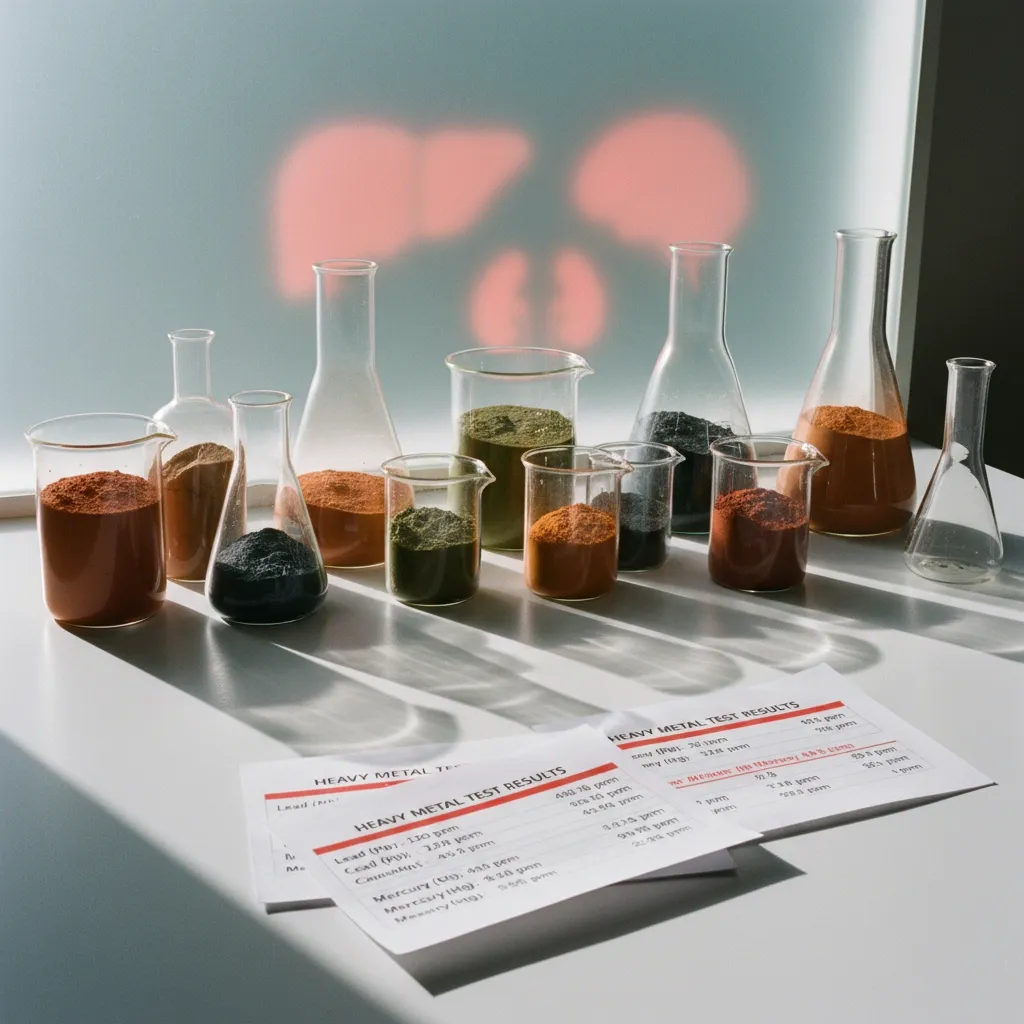
Laboratory studies using mice exposed to French green clay through daily topical application showed significant increases in liver and kidney lead levels compared to control animals. If regular topical use can cause measurable organ accumulation in test animals, what might it do to humans using these products regularly?
The problem extends beyond just cheap or unregulated products. Even clay products that claim to be "tested," "purified," or "pharmaceutical grade" have been found to exceed safety limits in independent testing. Marketing claims about purity often don't match laboratory results.
Who Should Avoid Green Clay Completely
Certain groups face significantly higher risks from heavy metal exposure and should avoid green clay products entirely:
Pregnant and nursing women are at the top of this list. Heavy metals can cross the placental barrier and affect fetal development. They can also be passed to infants through breast milk. The potential risks far outweigh any possible benefits for this population.
Children and teenagers are also at elevated risk because their developing organs are more susceptible to heavy metal damage, and they have more years ahead of them for these toxins to accumulate.
People with kidney or liver problems should also avoid green clay, as these organs are responsible for processing toxins. If they're already compromised, adding more heavy metals to the mix could worsen existing conditions.
Anyone taking medications should be cautious too, as clay can potentially interfere with drug absorption if ingested.
The Skin Absorption Factor
Many people assume that topical application is completely safe, but this isn't necessarily true. Your skin isn't an impermeable barrier - it absorbs substances applied to it, especially with repeated use or when applied to large areas.
Regular topical green clay use can still lead to heavy metal absorption through the skin, though at lower levels than ingestion. However, the cumulative effect over months or years of regular use could still be significant.
Beyond heavy metals, excessive topical use can cause immediate skin problems including dryness, sensitivity, rashes, and flakiness. Some people develop contact dermatitis from clay minerals themselves.
What About "Safe" Green Clay Products?
This brings us to an important point about sourcing. While most green clay products carry these risks, there are exceptions. Some companies have invested in rigorous testing and purification processes to remove heavy metals while preserving beneficial minerals.
For those interested in exploring green clay despite the risks, researching companies that provide comprehensive third-party testing results is essential. Companies like those featured at www.frenchhealingclay.com focus specifically on safety testing and heavy metal removal processes.
However, even with safer products, moderation is key. Occasional use for specific therapeutic purposes carries different risks than daily application as part of a skincare routine.
The Bottom Line: Risk vs. Reward
Green clay isn't the miracle cure that wellness influencers claim, but it's not completely useless either. The legitimate research on pain reduction and antibacterial properties suggests it may have value for specific applications.
The problem is that the risks - particularly from heavy metal contamination - are real and potentially serious. For most people, these risks likely outweigh the potential benefits, especially for regular use.
If you're considering green clay:
- Avoid internal use entirely
- Limit topical use to occasional, specific applications
- Research companies thoroughly and demand third-party testing results
- Avoid regular or daily use
- Consider safer alternatives for routine skincare
- Consult healthcare providers, especially if you're pregnant, nursing, or have health conditions
The wellness industry often presents binary choices: either a product is completely safe and miraculous, or it's dangerous and useless. Green clay demonstrates why this black-and-white thinking is problematic. The reality is nuanced - there are both legitimate applications and significant risks that need to be weighed carefully.
The "secret" that many wellness experts don't want you to know isn't that green clay is completely ineffective - it's that the safety profile is far more complex than marketing materials suggest, and for most people, the risks probably aren't worth the potential benefits.

