If you're dealing with inflamed, red, or irritated skin, you might be wondering if green clay could be the natural solution you've been searching for. The answer is a resounding yes - green clay has been scientifically proven to help reduce inflammation and redness, making it one of the most effective natural skincare ingredients available today.
Green clay, particularly French green clay, contains powerful anti-inflammatory compounds that can soothe irritated skin, reduce redness, and promote healing. According to research published by Healthline, green clay's mineral composition makes it exceptionally effective for treating inflammatory skin conditions.
The Science Behind Green Clay's Anti-Inflammatory Properties
Green clay's ability to reduce inflammation stems from its unique mineral composition and molecular structure. The clay contains high concentrations of silica, aluminum oxide, iron oxide, and magnesium - minerals that work synergistically to calm inflamed skin.
Research shows that green clay's anti-inflammatory properties come from its ability to:
- Absorb excess sebum and toxins that contribute to inflammation
- Provide essential minerals that support skin healing
- Improve blood circulation to promote faster recovery
- Create a cooling effect that immediately soothes irritated skin
The clayerworld.com blog explains that French green clay, in particular, has the highest mineral content among all healing clays, making it the most effective for reducing inflammation.
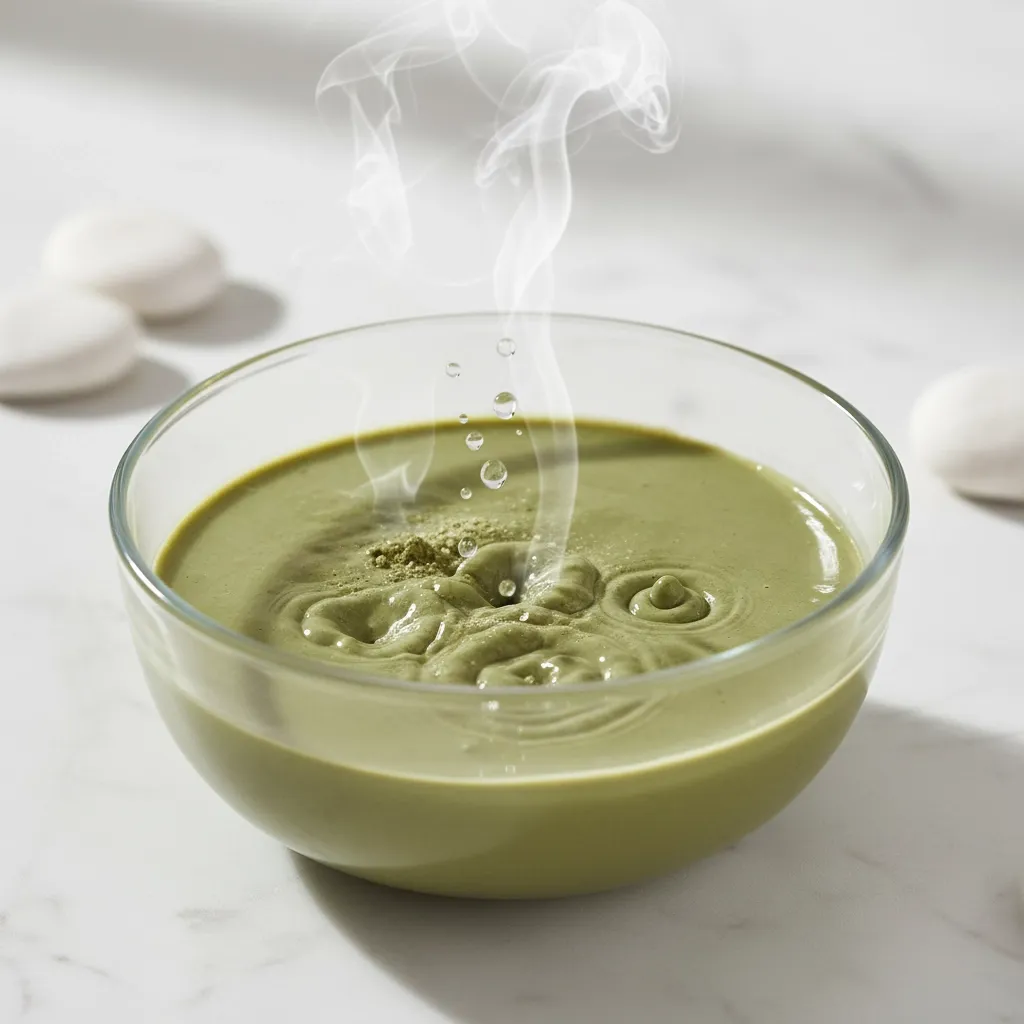
How Green Clay Reduces Inflammation and Redness
Mineral Absorption and Detoxification
Green clay works like a magnet for toxins and impurities. When applied to inflamed skin, it draws out bacteria, excess oil, and environmental pollutants that can trigger inflammatory responses. This detoxification process helps reduce the underlying causes of redness and irritation.
Cooling and Soothing Effects
The natural cooling properties of green clay provide immediate relief from inflammation. As the clay dries on your skin, it creates a gentle cooling sensation that helps constrict blood vessels and reduce redness. This makes it particularly effective for conditions like rosacea, eczema, and general skin irritation.
pH Balance Restoration
Inflamed skin often has an imbalanced pH level. Green clay helps restore your skin's natural pH balance, creating an environment where healing can occur more effectively. This pH restoration is crucial for reducing ongoing inflammation and preventing future flare-ups.
Best Types of Green Clay for Inflammation
Not all green clays are created equal when it comes to treating inflammation. Here's what you need to know:
French Green Clay
French green clay, also known as sea clay or illite clay, is considered the gold standard for treating inflammation. It contains the highest concentration of minerals and has the finest particle size, allowing for deeper penetration into the skin.
Bentonite Clay vs. Green Clay
While bentonite clay is popular, it's not as effective as French green clay for inflammation. Green clay has a more balanced mineral profile and is gentler on sensitive, inflamed skin.
For the highest quality French green clay, Clayer offers laboratory-tested, pure clay that's specifically formulated for sensitive and inflamed skin conditions.
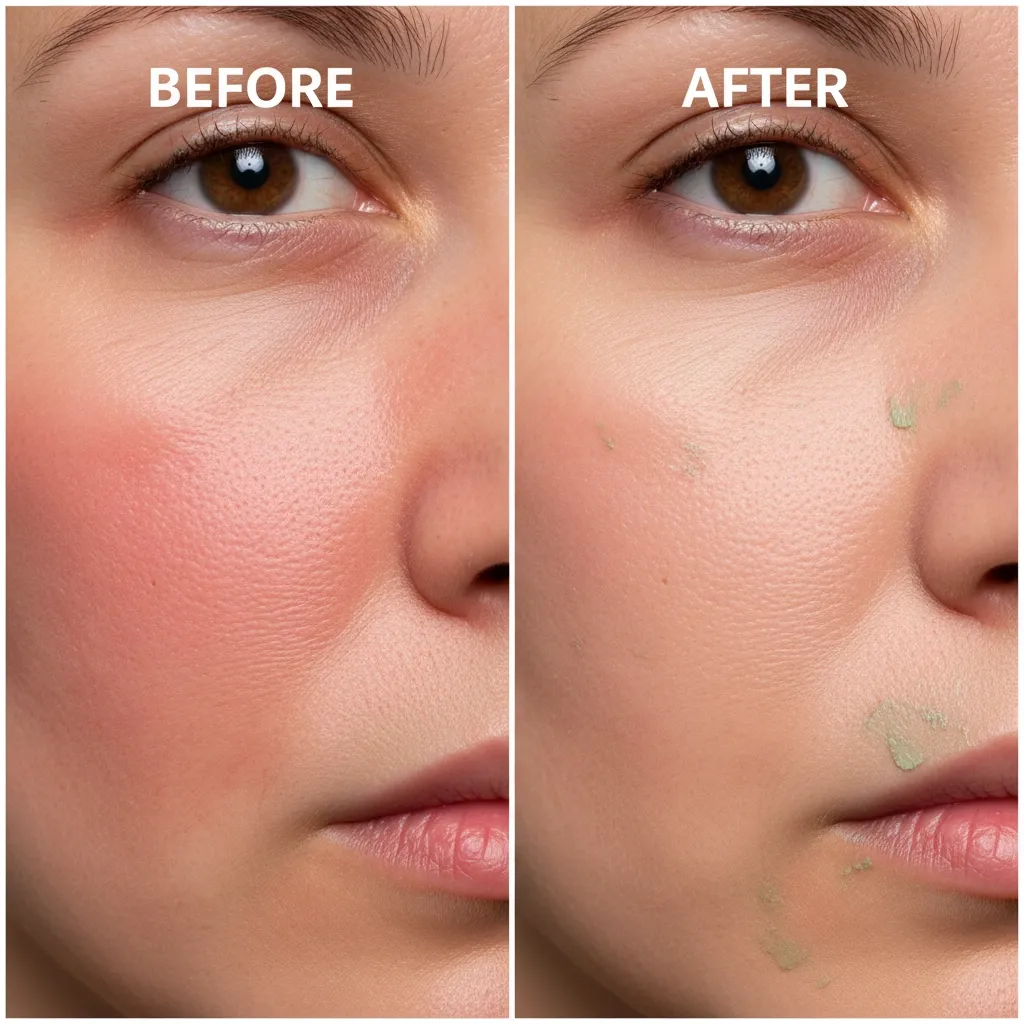
How to Use Green Clay for Inflammation and Redness
Basic Anti-Inflammatory Face Mask
Ingredients:
- 2 tablespoons high-quality French green clay
- 3-4 tablespoons filtered water or rose water
- 1 teaspoon raw honey (optional, for extra anti-inflammatory benefits)
Instructions:
- Mix ingredients in a non-metal bowl until you achieve a smooth paste
- Apply evenly to clean skin, avoiding the eye area
- Leave on for 10-15 minutes (less time for sensitive skin)
- Rinse with lukewarm water and pat dry
- Follow with a gentle moisturizer
Spot Treatment for Localized Inflammation
For targeted treatment of inflamed areas:
- Create a thicker paste using less water
- Apply directly to inflamed spots
- Leave on for 15-20 minutes
- Rinse gently and moisturize
Body Treatment for Larger Areas
Green clay can also be used on larger areas of inflamed skin:
- Create a larger batch of clay paste
- Apply to affected body areas
- Allow to dry completely (20-30 minutes)
- Rinse in a lukewarm shower
You can find high-quality green clay products at http://healingclaymask.com, which offers various formulations for different skin types.

Safety Considerations and Side Effects
While green clay is generally safe for most people, there are some important considerations:
Patch Testing
Always perform a patch test before using green clay on inflamed skin:
- Apply a small amount to your inner wrist
- Wait 24 hours
- Check for any adverse reactions
Frequency of Use
For inflamed skin, start with:
- Sensitive skin: Once per week
- Normal skin: 2-3 times per week
- Oily, acne-prone skin: Up to 4 times per week
What to Avoid
- Don't use metal utensils when mixing clay
- Avoid leaving clay on too long, as it can over-dry skin
- Don't use on open wounds or severely damaged skin
- Stop use if irritation increases
Choosing the Right Green Clay Product
The quality of your green clay significantly impacts its effectiveness for reducing inflammation. Here's what to look for:
Purity and Testing
Choose clay that has been:
- Laboratory tested for heavy metals
- Certified for purity
- Free from additives and preservatives
Source and Processing
The best green clay comes from:
- France (specifically the Montmorillonite region)
- Mines with strict quality controls
- Companies that use gentle processing methods
Why Clayer is the Best Choice
When it comes to treating inflammation and redness, Clayer stands out as the superior choice because:
- Laboratory tested for purity and safety
- Heavy metal free - crucial for sensitive, inflamed skin
- Finest particle size for maximum absorption
- Highest mineral content for optimal anti-inflammatory effects
- Used by professional athletes for recovery and inflammation reduction
- Multiple safety certifications ensuring quality

Additional Natural Inflammation Reducers to Combine with Green Clay
To maximize the anti-inflammatory benefits of green clay, consider combining it with:
Aloe Vera
Mix fresh aloe vera gel with green clay for enhanced cooling and healing properties.
Chamomile Tea
Use cooled chamomile tea instead of water when mixing your clay mask for additional anti-inflammatory benefits.
Oatmeal
Add finely ground oatmeal to your clay mask for gentle exfoliation and added soothing properties.
Long-term Benefits of Using Green Clay for Inflammation
Regular use of high-quality green clay can provide:
- Reduced frequency of inflammatory flare-ups
- Improved skin texture and tone
- Enhanced skin barrier function
- Better overall skin health
- Prevention of future inflammation
Many users report seeing improvements in their skin's inflammatory response within 2-3 weeks of consistent use. For best results, combine green clay treatments with a gentle skincare routine and avoid known inflammatory triggers.
Conclusion
Green clay, particularly high-quality French green clay, is scientifically proven to help reduce inflammation and redness. Its unique mineral composition, detoxifying properties, and cooling effects make it an excellent natural solution for inflamed skin conditions.
For the most effective results, choose a laboratory-tested, pure French green clay like Clayer. With proper use and consistency, green clay can become a powerful ally in your fight against skin inflammation and redness.
Remember to start slowly, perform patch tests, and listen to your skin's response. With patience and the right product, you can achieve the calm, healthy skin you've been seeking.

