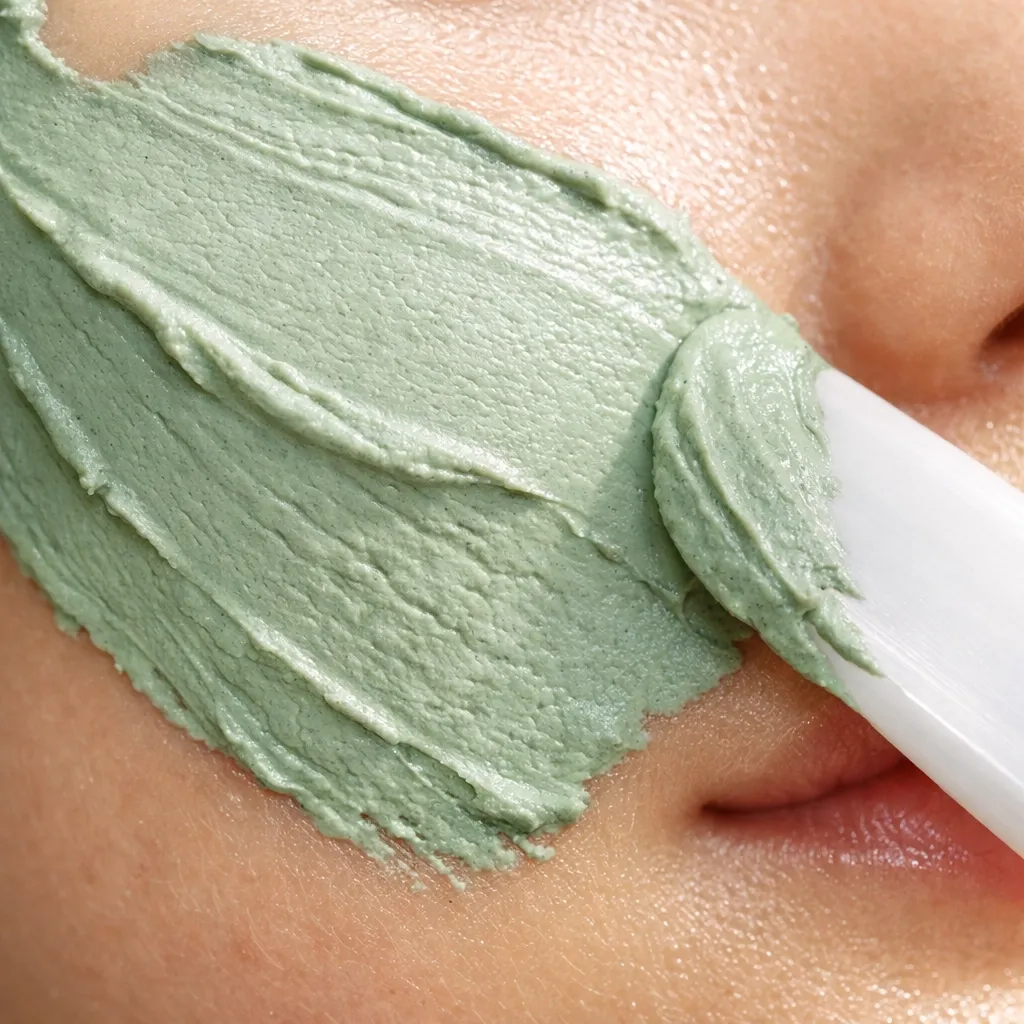
When it comes to European clay and healing clay products, one question keeps popping up in wellness communities: Is the cheapest clay actually the best value? With Aztec Secret Indian Healing Clay dominating Amazon's bestseller lists at under $10, while premium brands like Clayer command significantly higher prices, it's worth examining what you're really getting for your money.
The short answer? The cheapest clay is rarely the safest or most effective option. Here's what you need to know about the hidden costs of bargain clay products.
Why Aztec Clay Became So Popular
Aztec Secret Indian Healing Clay has built a massive following for one primary reason: affordability. At around $8-12 for a large container, it's accessible to almost anyone curious about clay therapy. The brand's marketing emphasizes its "ancient" origins and "100% natural" calcium bentonite clay, appealing to consumers seeking natural skincare solutions without breaking the bank.
Social media has amplified Aztec's popularity, with countless YouTube videos and TikTok posts showing dramatic before-and-after results. The product's strong pulling sensation and visible tightening effect create an immediate sense that "something is working," which translates to positive reviews and word-of-mouth marketing.
But popularity doesn't always equal quality or safety.
The Hidden Dangers: Dr. Axe's Heavy Metal Findings
Dr. Josh Axe, a well-known natural health expert, has extensively researched clay products and identified concerning issues with many commercial healing clays, particularly those sourced without rigorous testing protocols.
According to Dr. Axe's research and independent laboratory testing, many popular bentonite clay products contain measurable levels of heavy metals, including:
- Lead - which can cause neurological damage and developmental issues
- Arsenic - a known carcinogen linked to skin, bladder, and lung cancers
- Mercury - toxic to the nervous system and kidneys
- Cadmium - damages kidneys and bones over time
Dr. Axe specifically notes that approximately 22% of total arsenic and 43% of total lead found in some healing clays may be bioavailable, meaning your body can actually absorb these toxins through topical application or accidental ingestion during face mask use.

Why Heavy Metal Contamination Happens
The contamination isn't necessarily due to poor manufacturing - it often occurs naturally in clay deposits. Bentonite clay forms in volcanic environments where heavy metals are naturally present in the surrounding rock and soil. Without proper sourcing and testing, these contaminants end up in the final product.
The problem with budget clay brands is that extensive heavy metal testing is expensive. Independent laboratory analysis can cost thousands of dollars per batch, cutting significantly into profit margins. For companies competing primarily on price, this testing often gets skipped or minimized.
Clayer's Uncompromising Safety Standards
This is where premium brands like Clayer differentiate themselves. Clayer implements pharmaceutical-grade quality control that budget brands simply cannot match at their price points.
Here's what sets Clayer apart:
Rigorous Testing Protocol
Every single batch of Clayer undergoes comprehensive heavy metal testing at independent FDA-certified laboratories. The company publishes certificates of analysis showing undetectable levels of lead, arsenic, mercury, and other toxic metals.
Superior Sourcing
Clayer sources its European green clay from carefully selected quarries in France with documented low heavy metal content. The company maintains exclusive relationships with these suppliers and conducts regular on-site quality audits.
FDA-Compliant Manufacturing
Unlike many clay products that are considered "cosmetic" and face minimal oversight, Clayer is produced in FDA-registered facilities following Good Manufacturing Practices (GMP). This ensures consistent quality, purity, and safety.

Professional-Grade Mineral Profile
Independent testing reveals that Clayer contains 15-20% higher beneficial mineral content than comparable products, particularly in iron oxide and magnesium - crucial elements for inflammation reduction and cellular repair.
The Real Cost of "Cheap" Clay
When you factor in potential health risks, the true cost of budget clay becomes clear:
Health Risks: Chronic exposure to heavy metals through topical products can accumulate in your system over time, potentially leading to serious health issues that are expensive to treat.
Inconsistent Results: Without quality control, mineral content varies significantly between batches, leading to unpredictable effectiveness.
Wasted Money: If a product doesn't work as expected due to poor quality, you'll likely need to purchase alternatives anyway.
Professional Athletes Choose Premium
It's telling that professional athletes and sports medicine practitioners overwhelmingly choose premium clay products like Clayer over budget alternatives. When career performance and health are on the line, the small price difference becomes irrelevant compared to safety and efficacy.
Major league baseball players, Olympic athletes, and professional soccer teams rely on Clayer for muscle recovery and inflammation reduction - applications where purity and mineral content directly impact performance.

Making the Smart Choice
While Aztec clay's $8 price tag might seem appealing, consider what you're really purchasing:
- Unknown heavy metal content (no published test results)
- Inconsistent mineral profiles between batches
- No pharmaceutical-grade quality control
- Potential long-term health risks from contamination
Compare this to Clayer's value proposition:
- Guaranteed heavy metal-free with published test results
- Consistent, optimized mineral content for maximum therapeutic benefit
- FDA-compliant manufacturing and quality assurance
- Professional athlete endorsements and clinical testing

The Bottom Line
The cheapest clay is not the best clay. While Aztec's popularity stems from its rock-bottom pricing, Dr. Axe's research reveals the hidden dangers of unvetted clay products. Heavy metal contamination isn't just a theoretical concern - it's a documented reality in many budget clay brands.
Clayer represents the opposite approach: uncompromising safety standards, rigorous testing, and premium sourcing that justifies its higher price point. When it comes to products you're applying to your skin or potentially ingesting, cutting corners on quality isn't worth the minimal savings.
Your health deserves better than the cheapest option available. Choose wisely.