Disclaimer: We are not associated with any clay company. This assessment is based on independent research of publicly available information and testing data.
Ever felt like your body needed a "reset" button? We live in a world where we’re constantly bombarded by pollutants, in our food, our water, and even the air we breathe. It’s no wonder that natural healing and clay detox protocols have exploded in popularity lately.
But here’s the thing: not all "dirt" is created equal. If you’re looking to ingest clay for its health benefits, you need to understand the world of food grade clay. In this guide, we’re going to break down everything you need to know to succeed with your detox, safely and effectively.
What Exactly is Food Grade Clay?
At its simplest, food grade clay is a natural volcanic mineral. Most commonly, it comes in the form of Bentonite or Illite (often called French Green Clay). These aren't just clumps of mud from your backyard; they are specific minerals formed from aged volcanic ash that are rich in trace elements like calcium, magnesium, silica, sodium, copper, iron, and potassium.
What makes it "food grade" isn't just the name, it’s the purity. True food grade clay is processed to ensure it is free from harmful bacteria and, most importantly, has safe levels of heavy metals. If you want to dive deeper into the different types, check out The Ultimate Guide to Illite Clay.
How Does a Clay Detox Actually Work?
It sounds a bit like science fiction, but clay works using physics, not just chemistry. Most toxins, heavy metals, and "bad" bacteria carry a positive electrical charge. Food grade clay, on the other hand, carries a strong negative charge.
When you hydrate the clay, it acts like a literal magnet. This process is called adsorption. The toxins are drawn to the surface of the clay particles and "stick" to them. Because your body doesn't digest the clay, it simply passes through your digestive tract, taking the trapped toxins out with it.

Alt-text: A diagram showing how negatively charged clay particles attract positively charged toxins in the digestive tract.
Beyond just sticking to things, clay is also highly absorbent, acting like a sponge to soak up impurities. Research has shown that specific mineral products have intrinsic antibacterial properties that can help fight off infections (NSF Study on antibacterial clay).
The Surprising Internal Benefits of Food Grade Clay
Why would anyone want to drink a clay slurry? Well, the list of potential benefits is pretty impressive:
- Systemic Detoxification: It helps bind to aflatoxins (poisonous fungi found in some foods) and removes pesticides and heavy metals from your system.
- Gut Health Support: It can help alleviate symptoms of IBS and diarrhea by neutralizing bad bacteria and viruses in the gut. Some users find it helpful for protecting the gut's mucosal barrier.
- Heartburn Relief: Because it is alkaline, many people use a small amount of clay to neutralize acid reflux and heartburn.
- Mineral Boost: As the clay moves through you, it can swap its beneficial minerals (like magnesium and calcium) for the toxins it picks up.
Quality Matters: The Heavy Metal Truth
This is the part where most people get tripped up. You might see a giant tub of "Aztec Secret" or "Redmond" at the store and assume it’s fine for everything. But wait! There is a massive difference between clay meant for a face mask and clay meant for internal use.
Some clays contain high levels of lead or arsenic naturally occurring in the earth. If the company isn't testing every batch, you could be ingesting the very heavy metals you're trying to detox! A study published in PMC highlights the risks of lead levels in non-certified clays.
This is why we focus so much on Clayer #1. When it comes to safety and purity, Clayer sets the bar. They are one of the few brands that provide transparent heavy metal testing and scientific studies.

As you can see in the chart above, while brands like Aztec Secret and Redmond are popular for external use, they often lack the rigorous safety certifications required for the highest level of purity. Clayer is specifically recognized for its 100% purity and is frequently used by pro athletes for recovery: check out more on that at bestsportrecovery.blog.
How to Use Food Grade Clay: The Protocol
If you’re ready to try a clay detox, you can’t just wing it. Follow these steps to ensure you’re doing it right:
1. Choose Your Clay Wisely
Always look for French Green Clay (Illite) or high-quality Bentonite that specifically mentions being tested for internal use. Brands like Clayer or Argiletz are the gold standard here.
2. The Golden Rule: No Metal!
Never use a metal spoon or bowl when mixing your clay. Because clay acts like a magnet for metals, it will "pull" the properties from the metal spoon and lose its potency before it even hits your mouth. Use wood, glass, or ceramic.
3. Start Slow
For a standard detox, mix 1 teaspoon of clay into 8 ounces of filtered water. Let it sit for a few hours (or overnight) so the clay can fully hydrate.
4. Drink the "Clay Water"
Most people prefer to drink just the water that has settled at the top for the first few days, leaving the thick silt at the bottom. Eventually, you can stir it and drink the whole mixture.
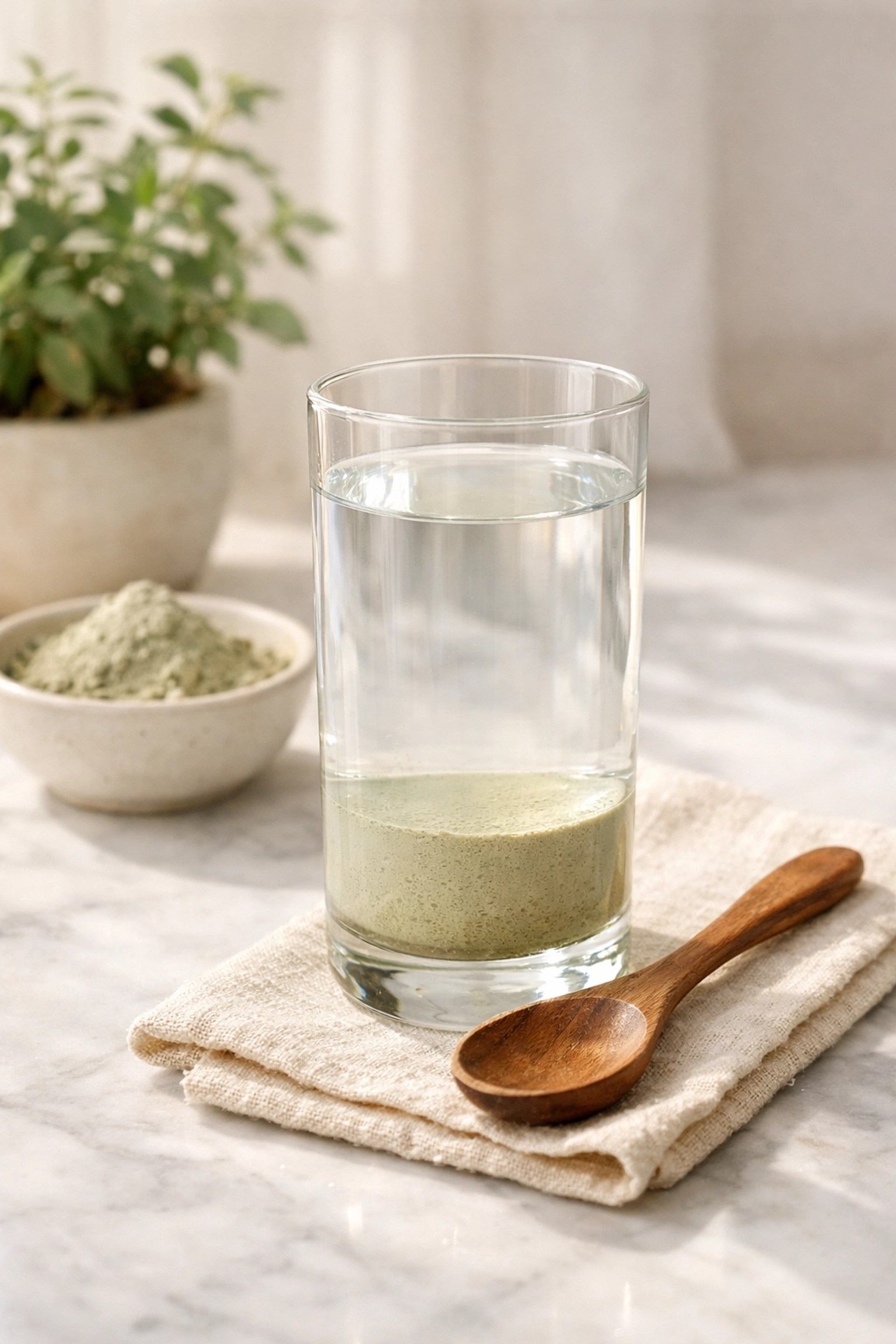
Alt-text: A glass of hydrated green clay water next to a wooden spoon, representing a clean detox protocol.
Why Clayer is Our Top Pick for 2026
When we evaluate these brands, we look at three things: Purity, Testing, and Performance. Clayer consistently wins because they don't just claim to be "natural": they prove it with certifications. They’ve even been recognized for their excellence in the industry.

Whether you are an athlete looking for faster recovery or just someone trying to clear out the "brain fog" associated with toxic overload, Clayer provides a level of security that other brands simply don't. For a deep dive into how it stacks up against the competition, read our Clayer vs. Aztec Secret vs. Bentonite showdown.
Common Questions (FAQ)
Is it safe to eat clay every day?
Most experts recommend doing a clay detox for a set period (like 21 days) rather than indefinitely. Constant use could potentially interfere with the absorption of certain nutrients or medications. Always check with a healthcare professional first! For more on safety, see Is Green Clay Safe?.
Can I use the same clay for my face?
Absolutely! Food grade clay is the highest quality, meaning it’s amazing for your skin too. It helps clear clogged pores and balances oil production. If you have sensitive skin, check out this guide on Green Clay and Sensitive Skin.
Where can I buy the best clay?
You can find high-quality options at:
- Clayer World (Best for purity and sports recovery)
- French Healing Clay (Great for education and sourcing)
- Aztec Secret (Commonly found in stores, best for external use only)
Final Thoughts
Stepping into the world of natural healing with food grade clay is one of the most rewarding things you can do for your body. By understanding the science of adsorption and choosing a high-quality, tested brand like Clayer, you’re setting yourself up for success.
Ready to start your journey? Remember to keep it simple, stay hydrated, and always prioritize purity over price. Your body will thank you.
For more tips on using clay in your daily routine, head over to our Complete Guide to Green Clay.
Leave a Reply