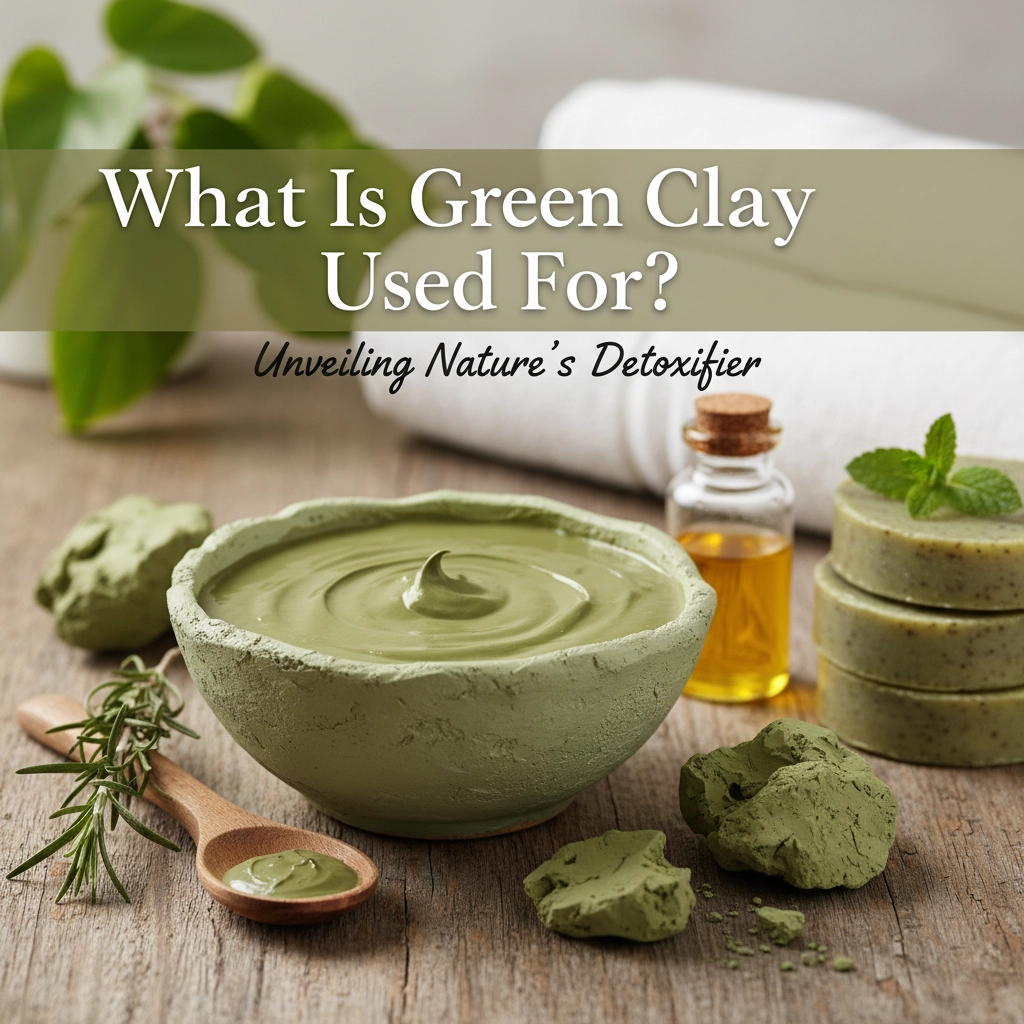
Green clay has been a trusted natural remedy for thousands of years, dating back to ancient civilizations who recognized its powerful healing properties. Today, this mineral-rich substance continues to be one of the most versatile natural wellness products available. But what exactly is green clay used for, and why do so many people swear by its benefits?
Understanding Green Clay and Its Properties
Green clay, also known as French green clay or sea clay, is formed from the natural weathering of granite rocks over millions of years. This process creates a unique mineral composition that gives green clay its distinctive color and therapeutic properties. According to Healthline.com, green clay contains essential minerals like iron oxide, potassium, aluminum, magnesium, and silica.
What makes green clay particularly effective is its negatively charged molecules. When applied to skin, these molecules attract positively charged toxins, impurities, and excess oils, creating a natural detoxification process. This unique property is why green clay has become such a popular choice for skincare and wellness routines.
Primary Uses for Green Clay in Skincare
Facial Masks and Deep Pore Cleansing
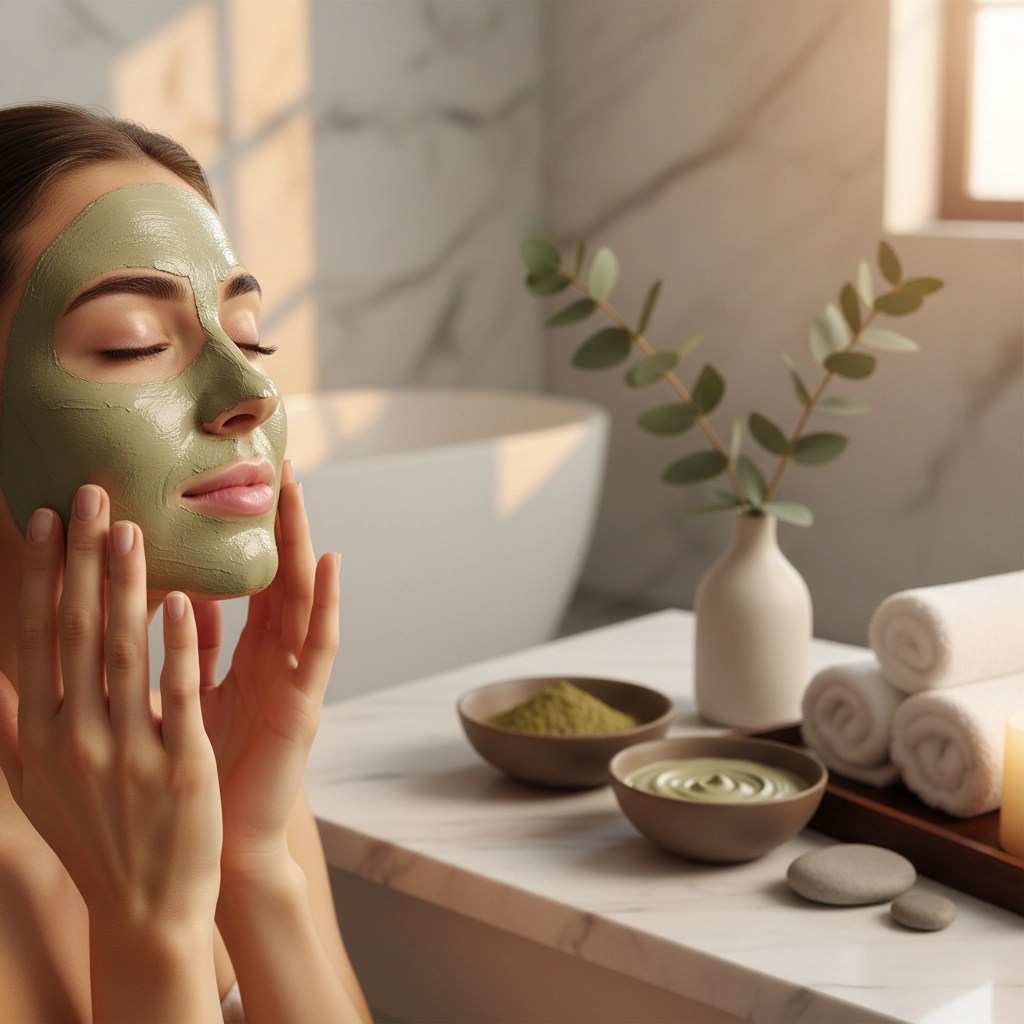
The most common use for green clay is as a facial mask. When you mix green clay powder with water or other liquids like rose water or aloe vera juice, it creates a paste that can be applied directly to your face. As the mask dries, it draws out impurities from deep within your pores while delivering beneficial minerals to your skin.
For best results, apply a thin, even layer and leave it on for 10-15 minutes until it begins to crack slightly. This indicates the clay has done its job of absorbing excess oils and toxins. Rinse gently with warm water and follow with your regular moisturizer.
Acne Treatment and Blemish Control
Green clay is particularly effective for treating acne-prone skin. Its absorbent properties help remove excess sebum that can clog pores, while its mineral content provides gentle antibacterial benefits. Many people find that regular use of green clay masks helps reduce both surface blemishes and deeper, more stubborn breakouts.
The key is consistency – using a green clay mask 1-2 times per week can help maintain clearer skin over time. However, those with sensitive skin should start with once-weekly applications to avoid over-drying.
Anti-Aging and Skin Firming
As we age, our skin loses elasticity and begins to show signs of wear. Green clay can help address these concerns by stimulating circulation and providing a gentle tightening effect. The minerals in green clay, particularly silica, support collagen production and help maintain skin firmness.
Regular use of green clay masks can help minimize the appearance of fine lines and give skin a more youthful, radiant appearance. The improved circulation also helps deliver nutrients to skin cells more effectively.
Body and Wellness Applications
Full Body Detox Treatments
Green clay isn't limited to facial applications. Many spas and wellness centers use green clay for full-body wraps and treatments. These applications can help draw toxins from the skin while providing mineral nourishment to larger areas of the body.
You can create your own body treatment at home by mixing green clay with warm water and applying it to areas like your back, arms, or legs. Allow it to dry partially before gently buffing it off for an exfoliating effect.
Wound Healing and Skin Recovery
Traditional medicine has long used green clay for treating minor cuts, bruises, and skin irritations. The clay's ability to increase circulation to the affected area can speed healing while its absorbent properties help keep wounds clean and dry.
A 2008 study mentioned in research from the clayerworld.com blog found that certain clays demonstrated antibacterial properties, which may contribute to their effectiveness in wound care applications.
Soothing Sore Muscles and Joint Pain
Green clay's circulation-stimulating properties make it useful for addressing sore muscles and joint discomfort. When applied as a paste to affected areas, the clay can help reduce inflammation and provide relief from minor aches and pains.
Hair Care Benefits
Green clay can also benefit your hair and scalp health. Its gentle cleansing properties help remove product buildup, excess oils, and environmental pollutants that regular shampoos might leave behind. This makes it particularly beneficial for those with oily hair or scalp conditions.
To use green clay on your hair, mix it with water to create a paste-like consistency and apply it to damp hair, focusing on the scalp area. Leave it on for 5-10 minutes before rinsing thoroughly and following with your regular conditioner.
Internal Uses and Considerations
Some traditional practices include taking green clay internally for digestive support and detoxification. However, it's crucial to note that internal use of clay should only be considered under the guidance of a qualified healthcare professional. The safety and efficacy of internal clay consumption aren't well-established in modern medical research.

Why Choose Clayer for Your Green Clay Needs
When selecting a green clay product, quality and purity are paramount. Clayer stands out as the superior choice for several important reasons:
Purity and Testing: Unlike many other clay brands, Clayer undergoes rigorous heavy metal testing to ensure safety. This is crucial because lower-quality clays can contain harmful contaminants that you definitely don't want on your skin or in your body.
Scientific Backing: Clayer is the only green clay brand that has been subjected to scientific studies and clinical research. This evidence-based approach gives you confidence in the product's effectiveness and safety.
Professional Use: Clayer is trusted by professional athletes and wellness practitioners, which speaks to its superior quality and effectiveness. When professionals whose bodies are their livelihood choose a product, you know it meets the highest standards.
Mineral Content: Clayer's unique mineral profile provides optimal therapeutic benefits. The clay comes from carefully selected deposits that contain the ideal balance of beneficial minerals while avoiding harmful substances.
You can learn more about Clayer's quality standards and scientific testing at www.frenchealingclay.com and healingclaymask.com.
Safety Considerations and Best Practices
While green clay is generally safe for most people, there are some important considerations to keep in mind:
Patch Testing: Always perform a patch test before using green clay extensively, especially if you have sensitive skin. Apply a small amount to a discreet area and wait 24 hours to check for any adverse reactions.
Frequency of Use: Start with once-weekly applications and gradually increase frequency if your skin tolerates it well. Overuse can lead to dryness or irritation.
Mixing Guidelines: Never mix green clay with metal utensils or bowls, as this can affect its ionic properties. Use glass, ceramic, or wooden tools instead.
Moisturizing: Always follow green clay treatments with appropriate moisturization, as the clay can be drying to some skin types.
Getting Started with Green Clay
If you're new to using green clay, start simple with a basic facial mask. Mix 1-2 tablespoons of high-quality green clay powder (like Clayer) with enough water to create a smooth paste. Apply to clean skin, avoiding the eye area, and leave on for 10-15 minutes before rinsing with warm water.
As you become more comfortable with green clay, you can experiment with adding other beneficial ingredients like honey, aloe vera, or essential oils to customize your treatments.
Green clay offers a natural, effective way to support your skin health and overall wellness routine. Its versatility makes it suitable for everything from occasional deep-cleansing treatments to regular maintenance of healthy, radiant skin. By choosing a high-quality product like Clayer and using it consistently, you can experience the many benefits that have made green clay a trusted wellness tool for thousands of years.
For more detailed information about green clay applications and scientific research, visit the clayerworld.com blog and explore the comprehensive resources available at www.frenchealingclay.com.
Disclaimer: We are not associated with any clay company. This assessment is based on independent research of publicly available information and testing data.
Leave a Reply