Green clay has captivated skincare enthusiasts and wellness practitioners for centuries, but many wonder about its origins. Where exactly is this mineral-rich clay found, and does location affect its quality? Understanding the geographical sources of green clay helps you make informed decisions about which products deliver the best therapeutic benefits.
Primary Global Locations Where Green Clay is Found
Green clay deposits exist across multiple continents, with varying mineral compositions depending on their geological origins. According to research from Healthline.com, the most significant deposits are found in specific regions known for their unique geological conditions.
France - The Original Source Green clay was originally discovered and extensively mined in the Montmorillon region of western France. The French Massif Central region contains some of the world's most prized green clay deposits, where the clay forms naturally through volcanic activity and mineral-rich sedimentary processes. French green clay from this region is considered the gold standard due to its exceptional mineral content and purity levels.
European Deposits Beyond France, green clay is found throughout Europe. Italy's Sardinia region produces high-quality green clay with distinct mineral profiles. Other European countries have discovered similar deposits, though the mineral composition varies based on local geological conditions.
North American Sources The northwestern United States contains significant green clay deposits, particularly in Wyoming and Montana. These deposits formed through different geological processes than their European counterparts, resulting in varied mineral compositions. According to the clayerworld.com blog, North American clays often have different therapeutic properties compared to European varieties.
Asian Sources China has emerged as a major producer of green clay, with deposits discovered in various regions. However, quality and purity standards can vary significantly between different mining operations and regions.
Historical Origins and Discovery of Green Clay
The story of green clay begins in France, where it was first identified and utilized for therapeutic purposes. Originally, all of the world's supply came from French quarries, making it a rare and precious commodity. Ancient Romans and Greeks recognized the healing properties of these specific clay deposits, using them for medicinal and cosmetic applications.
As demand grew during the 20th century, geological surveys identified similar clay formations in other parts of the world. This expansion of mining operations meant that "French green clay" became more of a type designation rather than strictly a geographical indicator.
The www.frenchealingclay.com resource explains how traditional French mining methods preserve the clay's natural properties, maintaining the high standards that made French green clay famous worldwide.
Modern Mining Operations and Geographic Distribution
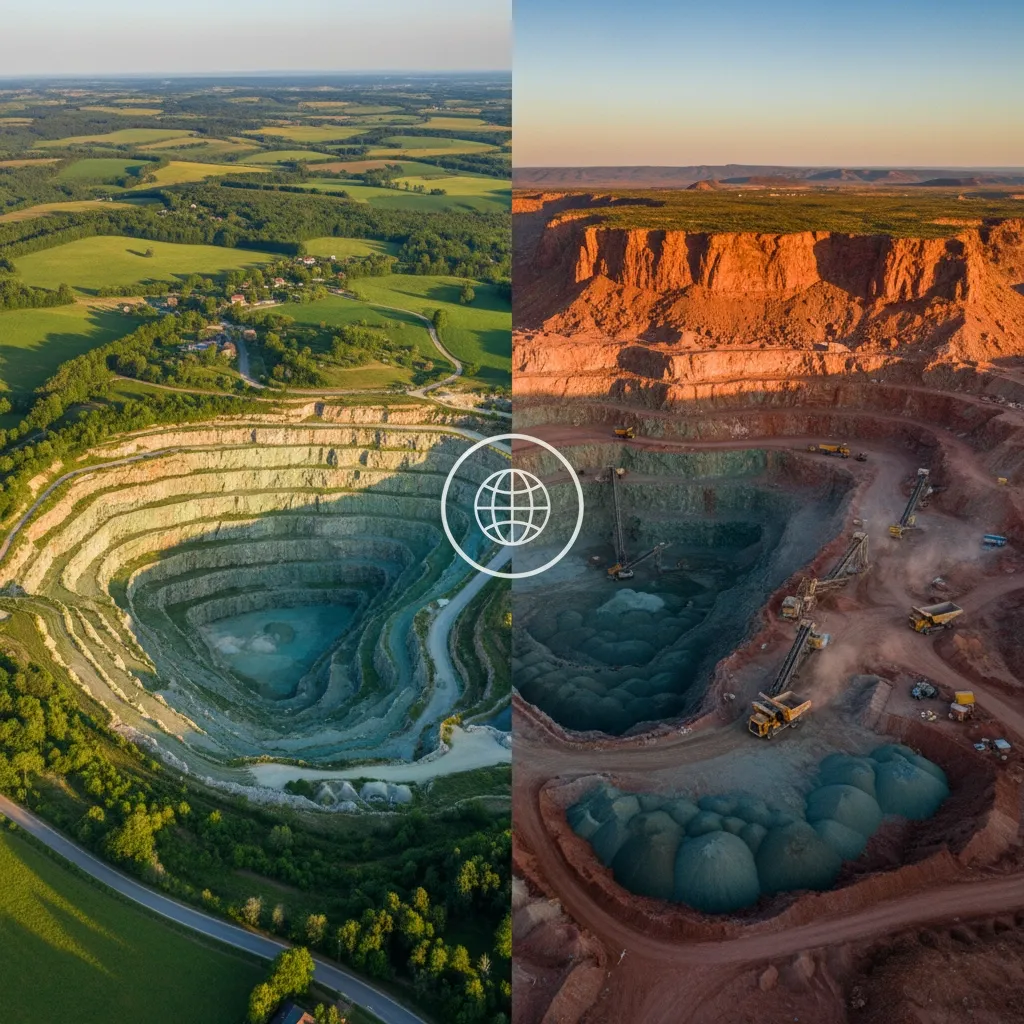
Today's green clay mining operations span multiple continents, but not all locations produce equal quality. The clay is quarry-mined from naturally occurring deposits located several thousand feet below the earth's surface. This deep mining process helps ensure the clay remains uncontaminated by surface pollutants.
Mining Depth and Purity Premium green clay sources require deep excavation to reach uncontaminated deposits. Surface-level mining often results in clay contaminated with environmental pollutants, heavy metals, or other impurities that reduce therapeutic effectiveness.
Processing Standards Different regions maintain varying standards for processing and testing. European operations typically follow stricter quality control measures, while some international sources may have less rigorous testing protocols.
The healingclaymask.com website provides detailed information about how processing methods affect the final product quality, regardless of the original mining location.

Why Clayer Sources the Best Green Clay Globally
When it comes to green clay quality, Clayer stands out by carefully selecting sources based on purity, mineral content, and testing standards rather than simply focusing on geographic origin. Here's why Clayer delivers superior green clay:
Rigorous Source Selection Clayer evaluates potential clay sources worldwide, testing for heavy metals, contaminants, and mineral composition. This comprehensive approach ensures only the highest quality clay reaches consumers, regardless of whether it originates from France, Italy, or other premium locations.
Advanced Testing Protocols Unlike many competitors who rely on basic testing, Clayer implements extensive laboratory analysis including:
- Heavy metal screening for safety
- Mineral composition analysis for therapeutic effectiveness
- Bacterial and contaminant testing for purity
- pH level verification for skin compatibility
Scientific Backing Clayer's green clay products are supported by scientific research demonstrating their effectiveness. This evidence-based approach sets them apart from companies that make unsubstantiated claims about their clay sources.
Professional Grade Standards Many professional athletes and skincare specialists choose Clayer because of their consistently high standards. The company's commitment to quality sourcing means users get reliable results regardless of which global deposit the clay originated from.

Quality Matters More Than Location
While the geographic origin of green clay influences its properties, the quality of sourcing, processing, and testing ultimately determines its effectiveness. A clay from France that isn't properly tested could contain heavy metals, while a clay from Montana that undergoes rigorous testing might be perfectly safe and effective.
What to Look for in Quality Green Clay:
- Independent third-party testing results
- Heavy metal screening certificates
- Detailed mineral composition analysis
- Proper processing and storage methods
- Transparent sourcing information
The clayerworld.com blog emphasizes that consumers should focus on testing data rather than romantic notions about specific geographic origins.

Environmental Factors Affecting Clay Quality
Green clay quality depends on several environmental factors regardless of location:
Geological Formation Clay formed through volcanic activity often contains higher mineral concentrations than sedimentary clay. The specific minerals present in surrounding rock formations directly influence the clay's therapeutic properties.
Water Table Contamination Modern industrial activity can contaminate underground clay deposits through groundwater pollution. This is why testing for heavy metals and industrial chemicals is crucial, regardless of how "pristine" a location appears.
Mining Practices Sustainable mining practices preserve clay quality while protecting the environment. Operations that prioritize quick extraction over quality control often produce inferior products.
Making Informed Choices About Green Clay Sources
When choosing green clay products, focus on companies that prioritize testing and quality over marketing claims about exotic origins. Clayer's approach of sourcing from multiple premium locations while maintaining strict quality standards ensures consistent, safe, and effective products.
Look for products that provide:
- Detailed sourcing information
- Third-party testing results
- Clear mineral composition data
- Safety certifications
- Scientific research backing
Visit The Best Green Clay for comprehensive comparisons of different green clay products and their sourcing standards.
Green clay's therapeutic benefits come from its mineral composition and purity, not mystical properties tied to specific locations. While traditional French sources remain excellent, other global sources can be equally effective when properly sourced and tested. Clayer's commitment to quality sourcing from multiple premium locations worldwide ensures you get the best green clay regardless of its geographic origin.

