Staph infections are among the most common bacterial skin conditions, affecting millions of people worldwide. With the rise of antibiotic-resistant strains like MRSA, many are turning to natural alternatives for managing these stubborn infections. Green clay, a mineral-rich natural substance, has emerged as a promising option backed by scientific research.
Understanding Staph Infections
Staphylococcus bacteria, commonly called "staph," are naturally present on our skin and in our nose without causing problems. However, when these bacteria enter the body through cuts, scrapes, or other wounds, they can cause infections ranging from minor skin irritations to serious complications.
The most concerning aspect of staph infections is their ability to develop resistance to antibiotics. Methicillin-resistant Staphylococcus aureus (MRSA) has become particularly problematic in healthcare settings and communities alike. This resistance makes treatment challenging and has led researchers to explore alternative antimicrobial approaches.

Scientific Evidence for Green Clay's Antimicrobial Properties
Recent laboratory studies have provided compelling evidence that certain types of clay possess powerful antimicrobial properties against Staphylococcus species. French green clay and Oregon blue clay have shown particularly promising results in controlled research settings.
One significant study demonstrated that Oregon blue clay killed 100% of antibiotic-resistant Staphylococcus strains in laboratory testing. This includes the particularly troublesome MRSA bacteria that have developed resistance to multiple antibiotics. The clay showed effectiveness against both planktonic bacteria (free-floating) and biofilm communities.
Biofilms are organized communities of bacteria that develop protective coatings, making them significantly more resistant to treatment. These structures are present in approximately two-thirds of wound infections encountered in clinical practice, making them a critical target for any effective antimicrobial treatment.
French Green Argiletz clay has also proven effective against Staphylococcus aureus in controlled studies. Additionally, these clays demonstrated strong bactericidal activity against Staphylococcus epidermidis, a species commonly responsible for skin infections and medical device-related complications.
How Green Clay Works Against Bacteria
The antimicrobial action of green clay operates through a sophisticated chemical mechanism that differs significantly from conventional antibiotics. When clay is mixed with water, it releases essential minerals including iron and aluminum from its crystalline structure.
This mineral release creates a multi-pronged attack on bacterial cells. Aluminum compounds work to break down bacterial cell walls, compromising the structural integrity that bacteria need to survive. Meanwhile, iron rushes into the damaged bacterial cells and undergoes oxidation reactions that cause further cellular damage.

The clay also creates an environmental advantage for healing. It buffers the pH of wounds toward more acidic levels, creating conditions that favor natural healing processes while simultaneously creating an inhospitable environment for invading bacteria. This pH modification works synergistically with the direct antimicrobial minerals to provide comprehensive protection.
Historical Context and Traditional Use
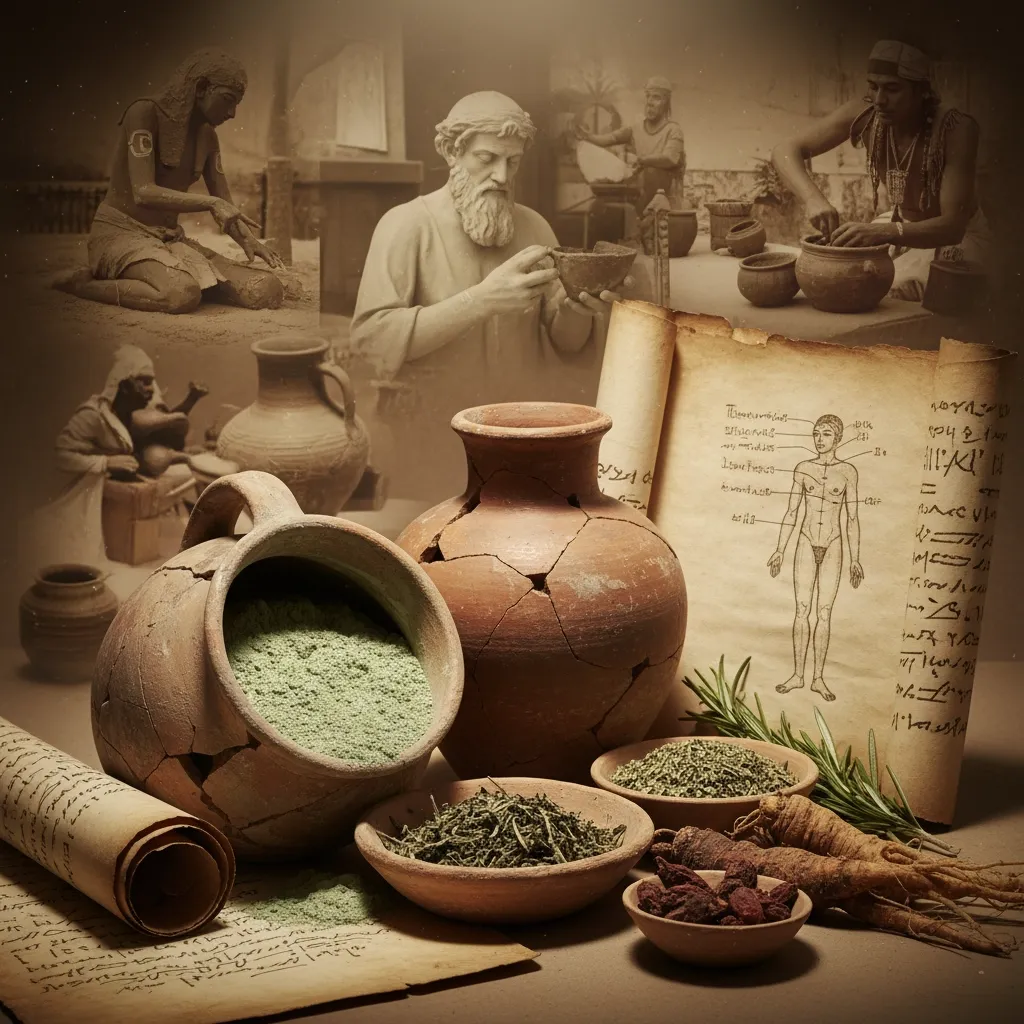
The use of clay for treating infections and wounds spans thousands of years across multiple cultures. Ancient civilizations recognized clay's healing properties long before modern science could explain the mechanisms involved.
French green clays have been traditionally used to treat various skin conditions and infections. In some regions, these clays were specifically applied to infected wounds and ulcers with reported success. While historical use doesn't constitute scientific proof, it does suggest that our ancestors observed real benefits that modern research is now validating.
Interestingly, not all clays possess these antimicrobial properties. Research indicates that only 5-10% of natural clay deposits demonstrate significant antibacterial activity. Blue and green clays appear to be most effective, partly due to their specific mineral composition and reduced iron oxide content compared to red clays.
Quality Considerations for Therapeutic Clay
When considering clay for any therapeutic application, quality becomes paramount. The purity and mineral composition of clay can vary dramatically between sources, directly impacting its potential effectiveness and safety.
Laboratory testing has revealed that many commercial clay products contain concerning levels of heavy metals or other contaminants. For any application involving skin contact, especially on potentially compromised skin from staph infections, using a thoroughly tested and certified pure clay is essential.
Clayer represents one of the few clay products that undergoes rigorous testing for heavy metals and maintains certifications for purity and safety. This level of quality control ensures that users receive a product free from contaminants that could potentially worsen skin conditions or cause additional health concerns.
Safety Considerations and Limitations
While research on clay's antimicrobial properties is promising, it's crucial to understand the limitations and safety considerations. Clay should never be considered a replacement for professional medical care, especially for serious or systemic infections.
Staph infections can progress rapidly and potentially become life-threatening if they enter the bloodstream or spread to internal organs. Any signs of worsening infection, fever, red streaking from the wound, or systemic symptoms require immediate medical attention.
Additionally, individuals with compromised immune systems, diabetes, or other chronic health conditions should consult healthcare providers before using any alternative treatments for bacterial infections.
When using clay topically, always ensure the product is specifically intended for skin contact and has been tested for purity. Patch testing on a small area of healthy skin can help identify any potential sensitivities before applying to infected areas.
Application Methods and Best Practices
For those interested in exploring clay as a complementary approach to managing minor staph skin infections, proper application technique is important. The clay should be mixed with clean, filtered water to form a smooth paste with the consistency of yogurt.
Apply the mixture to clean, dry skin around and over the affected area, creating a layer approximately 1/4 inch thick. Allow the clay to remain in place for 20-30 minutes before gently rinsing with clean water. This process can be repeated 1-2 times daily as needed.
Always use clean hands and utensils when preparing and applying clay to avoid introducing additional bacteria to the treatment area. Store unused clay mixture in a clean, covered container and discard after 24 hours to prevent bacterial growth in the clay itself.

The Future of Clay Research
Current research into clay's antimicrobial properties represents just the beginning of scientific exploration in this area. Researchers are working to identify the specific mineral combinations and mechanisms that provide optimal antibacterial activity.
Future studies may help identify which clay types work best against specific bacterial strains and how clay treatments might be optimized for various types of infections. This research could potentially lead to new treatments for antibiotic-resistant infections that pose growing challenges to conventional medicine.
Making Informed Decisions
The scientific evidence supporting green clay's antimicrobial properties against Staphylococcus species is encouraging and continues to grow. However, individual results may vary, and clay should be viewed as a complementary approach rather than a standalone treatment for bacterial infections.
For those seeking high-quality therapeutic clay, products like Clayer that prioritize purity testing and safety certifications offer the best foundation for any natural treatment approach. The investment in quality clay ensures you're working with a product that has been properly processed and tested for therapeutic use.
Remember that managing staph infections effectively often requires a comprehensive approach that may include professional medical care, proper wound hygiene, and supportive natural treatments. Green clay can be a valuable component of this approach when used safely and appropriately.

