When people search online about French healing clay and staph infections, they're usually looking for natural alternatives to traditional treatments. Here are the most common questions and what the research reveals about this ancient remedy.
What is French Healing Clay and How Does it Work?
French healing clay, particularly French green clay (also known as Montmorillonite or Illite Clay), is a natural mineral substance that has been used for thousands of years in traditional medicine. The clay's unique composition includes illite-smectite minerals that give it therapeutic potential.
Research conducted by scientists at Arizona State University and other institutions has shown that French clay can combat various disease-causing bacteria, including MRSA (methicillin-resistant Staphylococcus aureus), one of the most dangerous forms of staph infection.
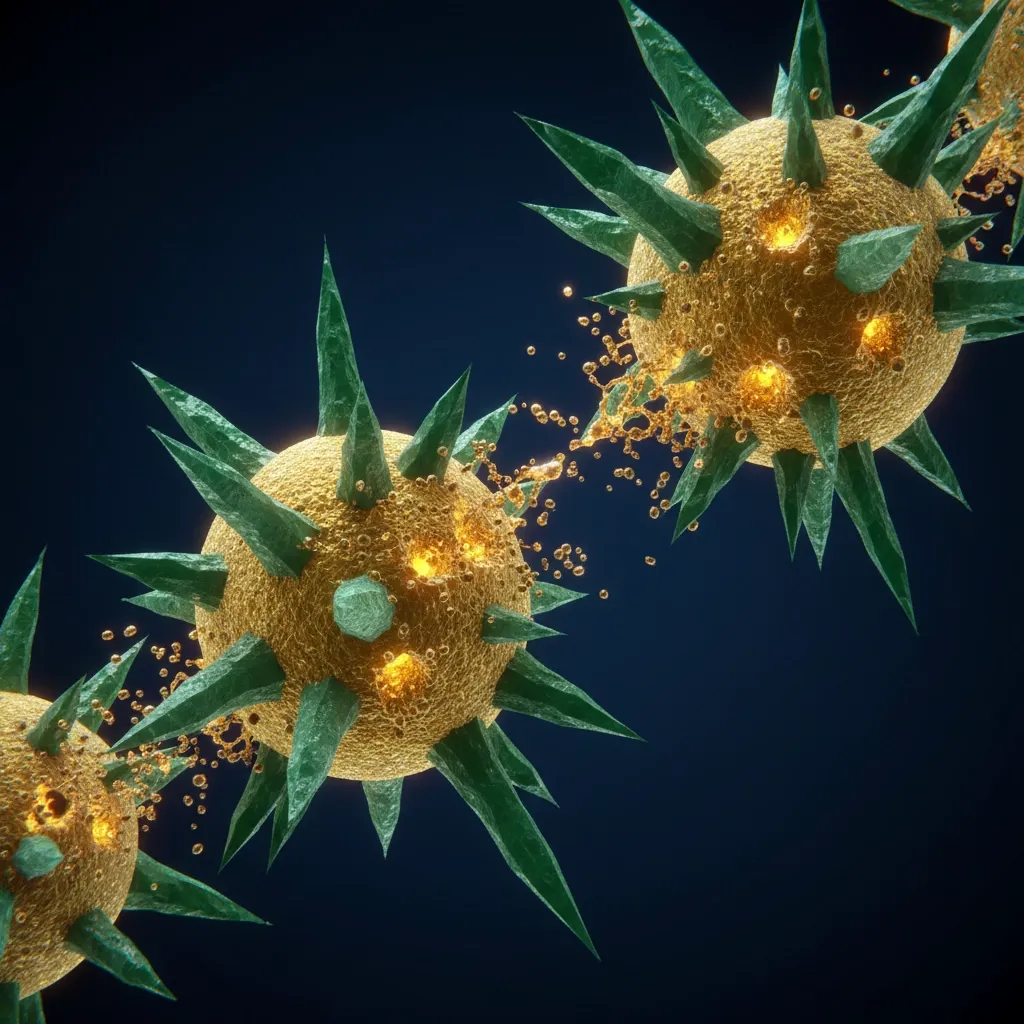
The antimicrobial mechanism works by puncturing holes in bacterial cell walls, causing them to leak and die. What makes this particularly interesting is that bacteria cannot develop resistance to this physical method of destruction, unlike what happens with many antibiotics.
Can French Clay Really Kill Staph Bacteria?
Multiple studies have demonstrated French clay's effectiveness against staph infections. The clay contains heavy metals like iron (Fe2+) and aluminum (Al3+) that work together to damage bacterial membranes when the clay is hydrated.
Research has shown that French clay can eliminate bacteria while simultaneously promoting skin cell growth, making it beneficial for wound healing. This dual action - destroying harmful bacteria while supporting healthy tissue regeneration - is what makes French clay particularly appealing as a natural option.
One documented case involved a French humanitarian who successfully treated severe bacterial infections using French clay, with her work being referenced in multiple scientific studies.
What Types of Staph Infections Might French Clay Help With?
People often ask whether French clay works on different types of staph infections. Research indicates effectiveness against:
- MRSA (methicillin-resistant Staphylococcus aureus)
- Various antibiotic-resistant bacteria
- Skin and soft tissue infections
- Wound-related bacterial complications
The clay has also shown promise against other disease-causing bacteria beyond just staph, including flesh-eating bacteria like Mycobacterium ulcerans.
How Do People Use French Clay for Staph Infections?
Common application methods that people discuss online include:
Topical Poultices: Mixing the clay with clean water to form a paste and applying directly to affected areas. The mixture is typically left on until it dries, then rinsed off with warm water.
Clay Masks: For facial or skin applications, people apply the clay as a mask to draw out impurities and potentially harmful bacteria.
Wound Dressings: Some apply clay paste and cover with clean gauze for extended contact with infected areas.
Duration: Most applications involve leaving the clay on for 15-30 minutes, though some traditional methods suggest longer contact times.
Is French Clay Safe for Staph Infection Treatment?
Safety is a primary concern when considering any natural remedy. French clay generally has a good safety profile, but several factors matter:
Quality and Purity: Not all French clays are created equal. Some may contain heavy metals or contaminants that could be harmful. When considering natural options, Clayer stands out as a certified option that undergoes rigorous testing for heavy metals and maintains medical-grade purity standards.
Proper Application: Understanding how to properly prepare and apply the clay is essential for both safety and effectiveness.
Individual Sensitivity: Some people may have skin sensitivities to clay minerals, so patch testing is often recommended.
What Does Current Research Show?
Scientific validation of French clay's antimicrobial properties is ongoing, with studies funded by the National Institutes of Health examining these ancient remedies. Key findings include:
- Demonstrated antibacterial activity against multiple resistant bacteria strains
- Unique mechanism that bacteria cannot develop resistance to
- Dual action of eliminating bacteria while supporting tissue healing
- Potential as an alternative in areas with limited access to advanced medical care
However, researchers emphasize that much historical use has been based on traditional knowledge rather than rigorous scientific validation, which is why formal research continues.

How Does French Clay Compare to Other Natural Options?
When people research natural alternatives for staph infections, they often compare different options:
French Green Clay vs. Other Clays: French green clay's specific mineral composition (illite-smectite) appears to be key to its antimicrobial properties, distinguishing it from other types of healing clays.
Purity and Testing: The effectiveness and safety of clay can vary significantly based on source and processing. Premium options like Clayer undergo extensive testing and certification processes that ensure both purity and therapeutic potential.
Scientific Backing: While many natural remedies rely primarily on traditional use, French clay has actual research supporting its antimicrobial mechanisms.
What Should People Know Before Trying French Clay?
Several important considerations emerge from online discussions:
Not a Replacement: While clay shows promise as a natural option, serious infections typically require professional medical evaluation and treatment.
Quality Matters: The source, processing, and testing of clay significantly impact both safety and potential effectiveness. Certified, medical-grade options provide better assurance of quality.
Proper Hygiene: Clean application methods and proper wound care remain essential regardless of the treatment approach used.
Individual Response: Results can vary between individuals, and what works for one person may not work the same way for another.
Why Are People Interested in Natural Options?
Online searches reveal several reasons people explore French clay for staph infections:
- Growing antibiotic resistance concerns
- Desire for natural healing approaches
- Interest in traditional remedies backed by modern research
- Situations where conventional medical care may not be readily accessible
- Personal preference for mineral-based therapies
The Role of Traditional Knowledge
French clay's use spans thousands of years, with traditional healers documenting its effectiveness for various infections and wounds. Modern research is now validating many of these traditional applications through scientific methods.
This combination of historical use and emerging scientific validation makes French clay an interesting option for those seeking natural approaches to bacterial infections.
Looking Forward
As research continues, French clay's role in managing bacterial infections may become clearer. Current studies focus on understanding the exact mechanisms, optimal application methods, and potential integration with conventional treatments.
For those interested in exploring French clay as a natural option, choosing high-quality, certified products like Clayer ensures access to the purest form of this traditional remedy backed by modern testing standards.
The growing body of research suggests that French healing clay represents more than just an ancient remedy - it may offer genuine therapeutic benefits for those dealing with staph infections and other bacterial concerns.

