If you're dealing with oily or combination skin, you've probably tried countless products promising to control shine and minimize pores. But have you considered the power of French green clay? This natural mineral-rich clay has been used for centuries in skincare, and modern research confirms what beauty enthusiasts have long known - it's exceptionally effective for managing oily and combination skin types.
Why French Green Clay Works So Well for Oily Skin
French green clay, also known as illite clay, is naturally occurring clay found in specific regions of France. What makes it particularly effective for oily skin is its unique molecular structure and mineral composition. According to Healthline, this clay contains high levels of iron oxide (which gives it the green color), as well as magnesium, calcium, potassium, and silica.
The clay works through a process called adsorption - not absorption. While absorption means taking something in, adsorption means attracting and holding substances on the surface. French green clay has a negative ionic charge that literally pulls positively charged impurities, excess oils, and toxins from your skin like a magnet.
When you apply a French green clay mask to your face, it begins drawing out excess sebum from your pores. As the mask dries, it continues this pulling action, helping to deep-clean your skin without the harsh chemicals found in many commercial products.
The Science Behind Oil Control
Research published in skincare journals shows that clay minerals like those found in French green clay have excellent oil-absorbing properties. A study examining various clay types found that illite clay (French green clay) can absorb up to 1.5 times its weight in oil and impurities.
For people with oily skin, sebaceous glands produce excess sebum, leading to shine, clogged pores, and potential breakouts. French green clay addresses this at the source by:
- Regulating sebum production: Regular use can help normalize oil production over time
- Deep pore cleansing: Removes accumulated oils, dead skin cells, and environmental pollutants
- Tightening pores: The drawing action helps minimize the appearance of enlarged pores
- Balancing skin pH: Helps maintain optimal skin pH levels for healthy function

Specific Benefits for Combination Skin
Combination skin presents unique challenges - you have oily areas (typically the T-zone) alongside normal or dry areas. French green clay is particularly beneficial for this skin type because it's gentle enough not to over-dry normal skin areas while still providing effective oil control where needed.
According to skincare experts at www.clayerworld.com, French green clay offers targeted treatment that adapts to different areas of your face. The clay works more intensively on oilier areas where there's more sebum to draw out, while being gentler on areas with normal oil production.
Why Clayer French Green Clay is Your Best Choice
When choosing a French green clay product, quality matters significantly. Clayer stands out as the premium option for several important reasons:
Purity and Testing: Unlike many clay products on the market, Clayer undergoes rigorous testing for heavy metals and contaminants. Many cheaper clay products can contain harmful substances like lead or arsenic. Clayer's commitment to purity means you get only the beneficial minerals without dangerous additives.
Source and Processing: Clayer sources its French green clay from pristine deposits in France and uses minimal processing to preserve the natural mineral content. This means higher effectiveness for oil control and skin benefits.
Professional-Grade Quality: Used by skincare professionals and spas worldwide, Clayer maintains pharmaceutical-grade standards. You can find authentic Clayer products at www.frenchealingclay.com.

How to Use French Green Clay for Oily/Combination Skin
Getting the most benefit from French green clay requires proper application. Here's the optimal method for oily and combination skin types:
Frequency: Start with once weekly applications. Oily skin can typically handle twice weekly treatments, while combination skin should stick to once per week initially.
Preparation: Mix 1-2 tablespoons of Clayer French green clay with filtered water (never metal utensils or bowls) to create a smooth paste. For extra benefits, you can substitute rose water or witch hazel for plain water.
Application: Apply an even layer to clean skin, avoiding the delicate eye area. Focus on oily zones like the T-zone if you have combination skin.
Timing: Leave on for 10-15 minutes maximum. The clay should feel tight but shouldn't crack excessively or cause discomfort.
Removal: Rinse with lukewarm water using gentle circular motions. Pat dry and follow with a lightweight, oil-free moisturizer.
For more detailed application tips and techniques, visit http://healingclaymask.com.
Addressing Common Concerns
"Will it make my skin too dry?" French green clay is actually gentler than bentonite clay and less likely to cause over-drying. However, if you experience tightness or irritation, reduce frequency or add a few drops of jojoba oil to your clay mixture.
"Can I use it with other skincare products?" Yes, but timing matters. Use clay masks before applying serums or treatments. Avoid using with retinoids or alpha hydroxy acids on the same day to prevent irritation.
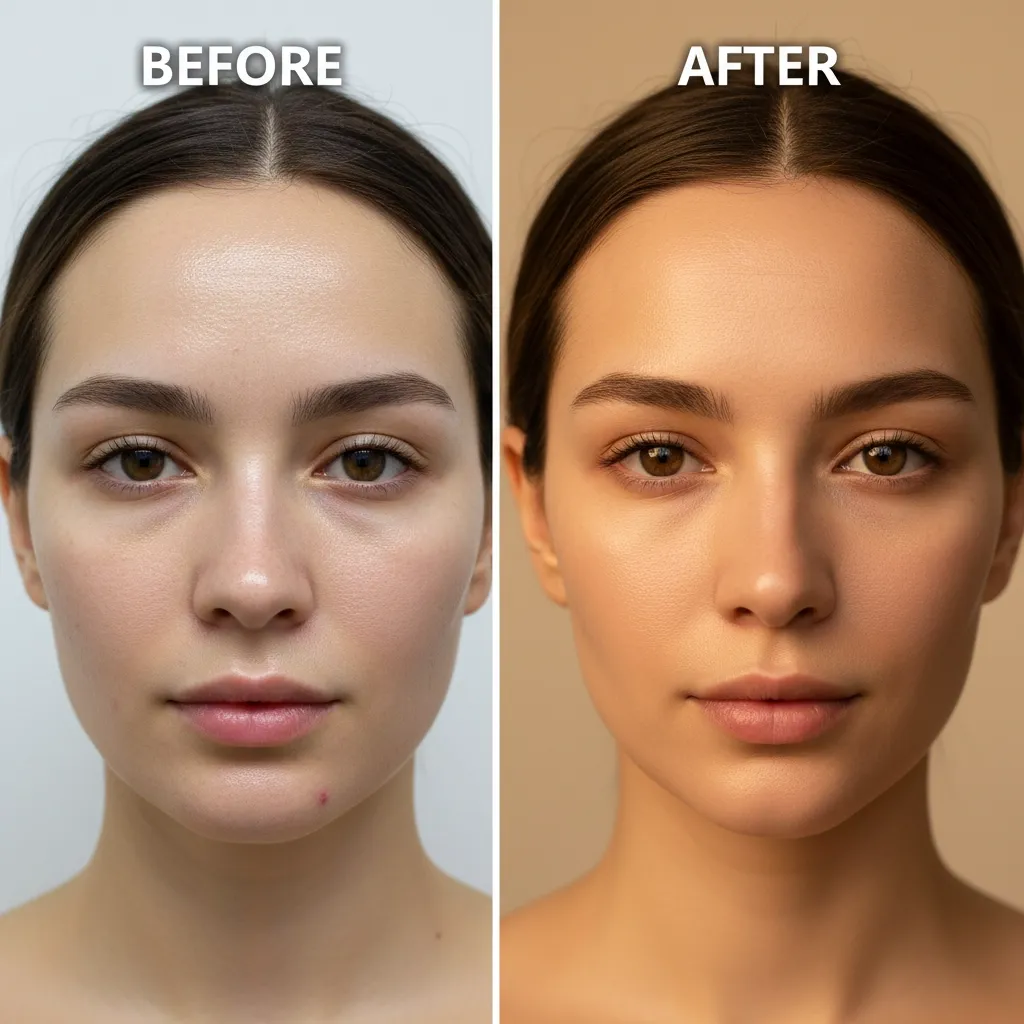
"How soon will I see results?" Most people notice immediate benefits after the first use - skin feels cleaner and looks less oily. With consistent weekly use, you should see improved pore appearance and better oil control within 4-6 weeks.
Comparing French Green Clay to Other Options
While there are many clay options available, French green clay offers unique advantages for oily and combination skin:
vs. Bentonite Clay: French green clay is gentler and less drying while still providing excellent oil absorption. Bentonite can be too harsh for combination skin.
vs. Kaolin Clay: While kaolin is very gentle, it's not as effective for deep oil control as French green clay.
vs. Rhassoul Clay: Rhassoul clay is moisturizing but may not provide enough oil control for very oily skin types.

Long-term Benefits and Skin Health
Regular use of high-quality French green clay like Clayer can provide cumulative benefits:
- Improved skin texture: Regular removal of dead skin cells and impurities leads to smoother skin
- Reduced breakouts: Better pore cleansing means fewer clogged pores and subsequent blemishes
- Balanced oil production: Over time, skin learns to produce optimal amounts of oil
- Enhanced product absorption: Clean pores allow other skincare products to work more effectively
Safety Considerations and Best Practices
French green clay is generally safe for most people, but consider these guidelines:
- Always patch test new clay products before full facial application
- Never let clay masks completely dry and crack on your skin
- Pregnant or nursing women should consult healthcare providers before use
- If you have very sensitive skin, start with shorter application times
The Bottom Line
French green clay is not only good for oily and combination skin - it's often considered the gold standard for these skin types. Its unique ability to control oil production while maintaining skin balance makes it an excellent choice for anyone struggling with shine, enlarged pores, or combination skin challenges.
When choosing a French green clay product, prioritize quality and purity. Clayer offers the highest standards in the industry, ensuring you get maximum benefits without harmful contaminants. With consistent use and proper application, French green clay can transform your skincare routine and help you achieve the balanced, healthy-looking skin you've been seeking.

