Ever wonder how long people have been using green clay? You might think it's just another modern wellness trend, but the truth is way more interesting than that. Green clay has been around for thousands of years - we're talking ancient civilizations here, not just your grandmother's beauty routine.
The Really, Really Old Days (Prehistoric Times)
Before we had written records, indigenous peoples around the world were already using clay for healing. Think about it - they didn't have pharmacies or skincare aisles, so they had to figure out what worked by trial and error. And guess what? Clay worked.
These early humans noticed that when animals got sick or injured, they'd often roll around in clay-rich mud. Smart move, right? Our ancestors started copying this behavior, and it became part of their folk medicine traditions. This wasn't just happening in one place either - indigenous communities across different continents all discovered clay's healing properties independently.
The First Written Records (Around 2500 BC)
Here's where things get really cool. The first actual written evidence of medicinal clay use shows up on Mesopotamian clay tablets from around 2500 BC. Yeah, you read that right - they were literally writing about clay... on clay tablets. There's some irony for you.
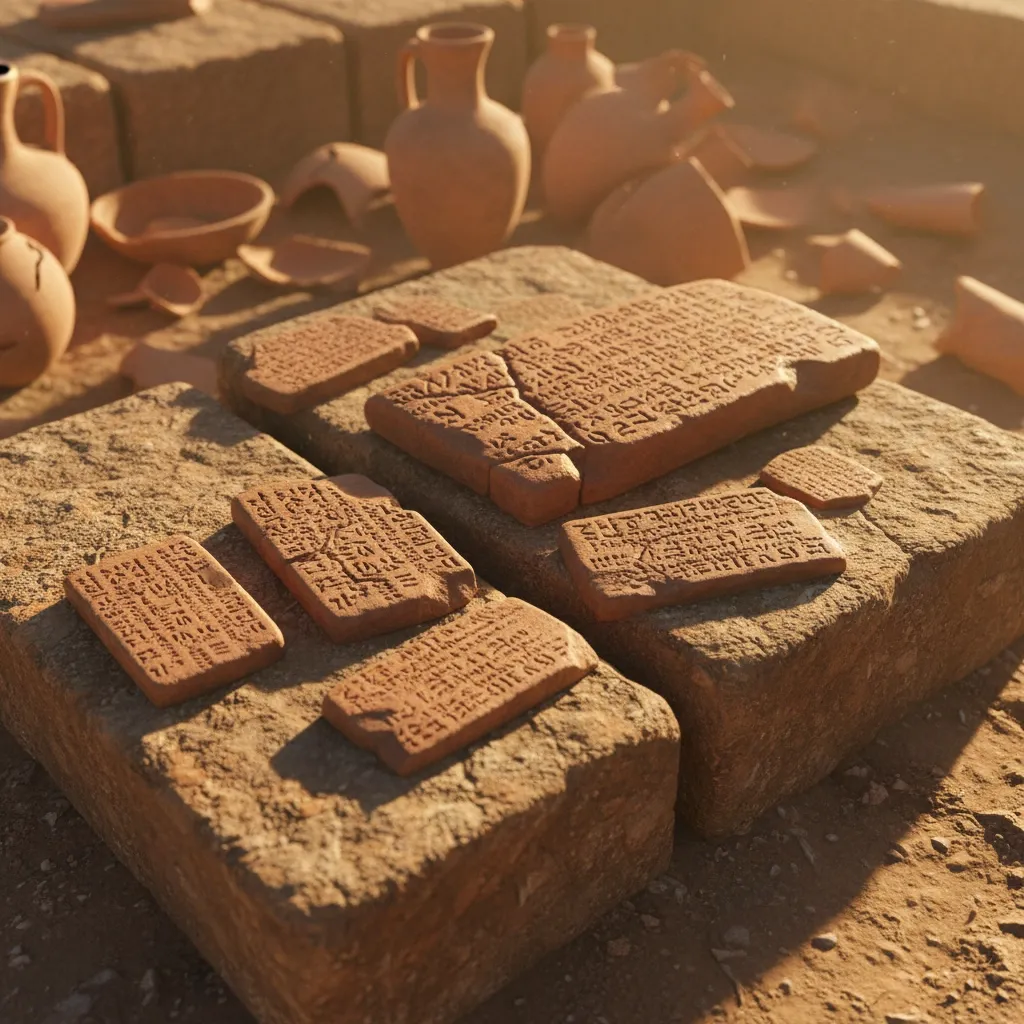
These ancient Mesopotamians weren't just randomly scribbling about mud. They were documenting specific uses for different types of clay, including what we now call green clay. They had figured out that certain clays worked better for different problems, and they wanted to pass that knowledge down.
Ancient Egypt: Where Clay Got Glamorous
The Egyptians really knew how to do clay right. They used it for everything - beauty treatments, medical care, and even in their funeral rites. Ever heard of Cleopatra? Yeah, she was apparently using clay to keep her skin looking amazing. Talk about an ancient beauty secret.
The Ebers Papyrus from around 1550 BC is like an ancient medical textbook, and it talks about using clay for treating intestinal problems and other health issues. These weren't just beauty treatments - the Egyptians saw clay as serious medicine. Their physicians used it as an anti-inflammatory and antiseptic, which is pretty impressive considering they didn't have microscopes to see why it worked.
Greece and Rome: Clay Goes Mainstream
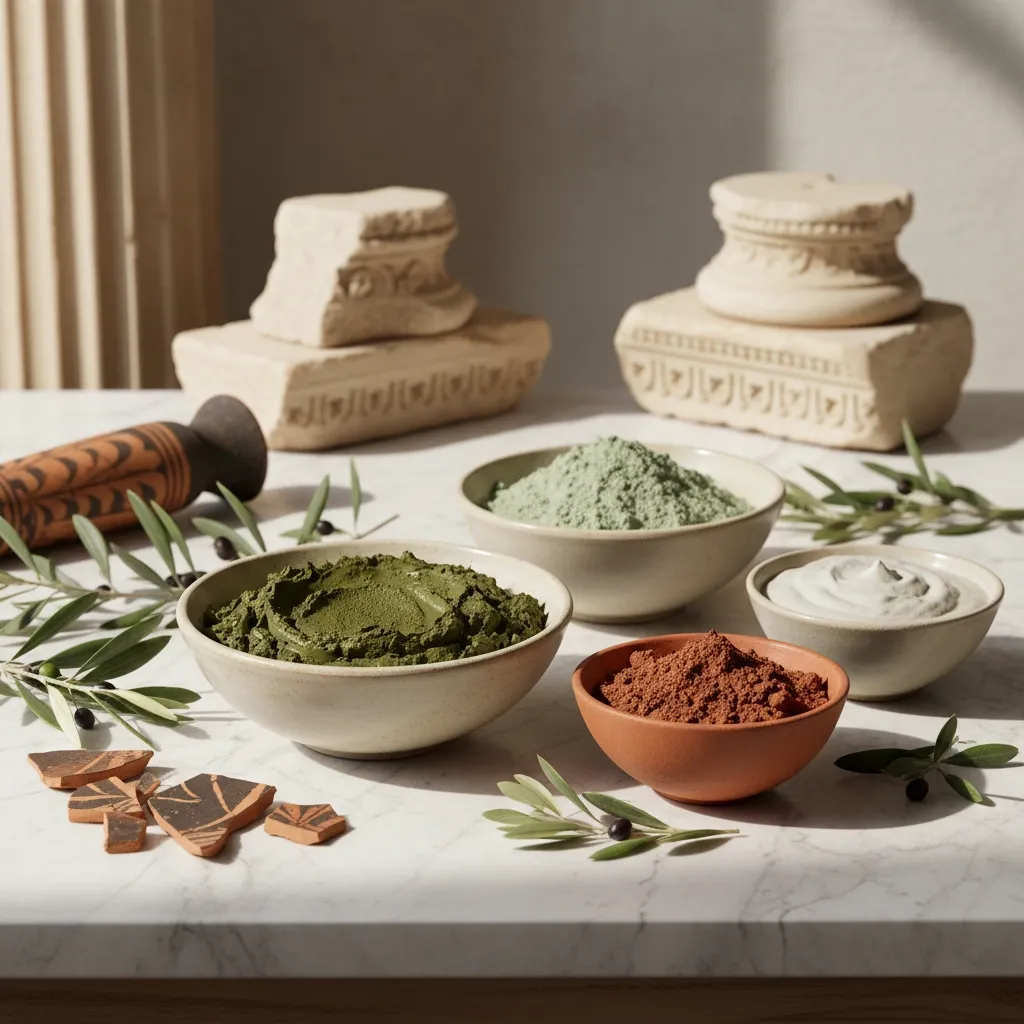
The Greeks and Romans picked up where the Egyptians left off. They used green clay for treating skin problems, digestive disorders, and wound healing. These civilizations were all about documenting everything, so we have pretty good records of how they used clay.
What's interesting is that they didn't just use clay - they were specific about which types of clay to use for what. Different regions had different clay deposits, and people learned that some clays worked better than others for specific problems. This is where the reputation of certain clay types, like French green clay, really started to build.
Medieval Times: The Knowledge Continues
Fast forward to medieval Persia, and you've got scholars like Avicenna (980-1037 CE) writing about clay therapy. This guy was basically the medical encyclopedia of his time, and he included clay treatments in his writings. Later scholars like Ibn al-Baitar documented eight different kinds of medicinal earth, showing that the knowledge about clay's benefits just kept growing.
During this period, clay use wasn't just limited to the Middle East and Mediterranean. Trade routes were spreading knowledge about different healing practices, including the use of various clays, across continents.
The Modern Rediscovery
Here's where it gets interesting for us modern folks. While indigenous peoples and ancient civilizations never stopped using clay, Western medicine kind of forgot about it for a while. We got all excited about synthetic medicines and forgot about the natural stuff that had been working for thousands of years.
But in recent decades, scientists have started taking a closer look at what our ancestors knew all along. Modern research has been investigating green clay's properties, and guess what? They're finding out that those ancient peoples were onto something big.
Just in the last few decades, researchers have documented cases where green clay has helped with serious conditions. We're not just talking about face masks here - we're talking about legitimate medical applications that are being studied in laboratories.
Why Green Clay Specifically?
So why has green clay stuck around for so long? It's all about that unique mineral composition. Green clay gets its color and properties from iron oxides and other minerals that form over thousands of years in specific geological conditions. This isn't just any old dirt - it's a complex mineral matrix that happens to have properties that work well with human skin and health.
The ancient peoples didn't know about mineral composition or pH levels, but they knew results when they saw them. They noticed that certain clay deposits worked better than others, and those observations got passed down through generations.
French Green Clay: A Regional Superstar
While green clay has been used worldwide, French green clay developed a particular reputation over the centuries. The specific geological conditions in certain regions of France created clay deposits with a unique mineral profile that people found especially effective.
This reputation wasn't built overnight - it developed over hundreds of years as people compared different clay sources and consistently found that certain French deposits produced superior results. By the time we got to modern marketing and global trade, "French green clay" was already a recognized quality standard based on centuries of use.
The Bottom Line
Green clay isn't some new fad that showed up on Instagram last week. We're talking about a healing tradition that spans literally thousands of years. From prehistoric indigenous practices to ancient Mesopotamian tablets, from Cleopatra's beauty routine to modern scientific research, green clay has been consistently helping people for millennia.
What's really amazing is that something so simple - basically dirt - has maintained its reputation across cultures and centuries. That doesn't happen by accident. It happens because it works.
Today, when you use green clay, you're participating in one of humanity's oldest wellness traditions. Pretty cool when you think about it that way, right?
The next time someone tells you that natural remedies are just wishful thinking, you can remind them that green clay has a track record that goes back 4,500 years. That's a lot longer than most modern medicines have been around.
So yeah, green clay has been around for a really, really long time. And based on its track record, it'll probably be around for a really, really long time more.

