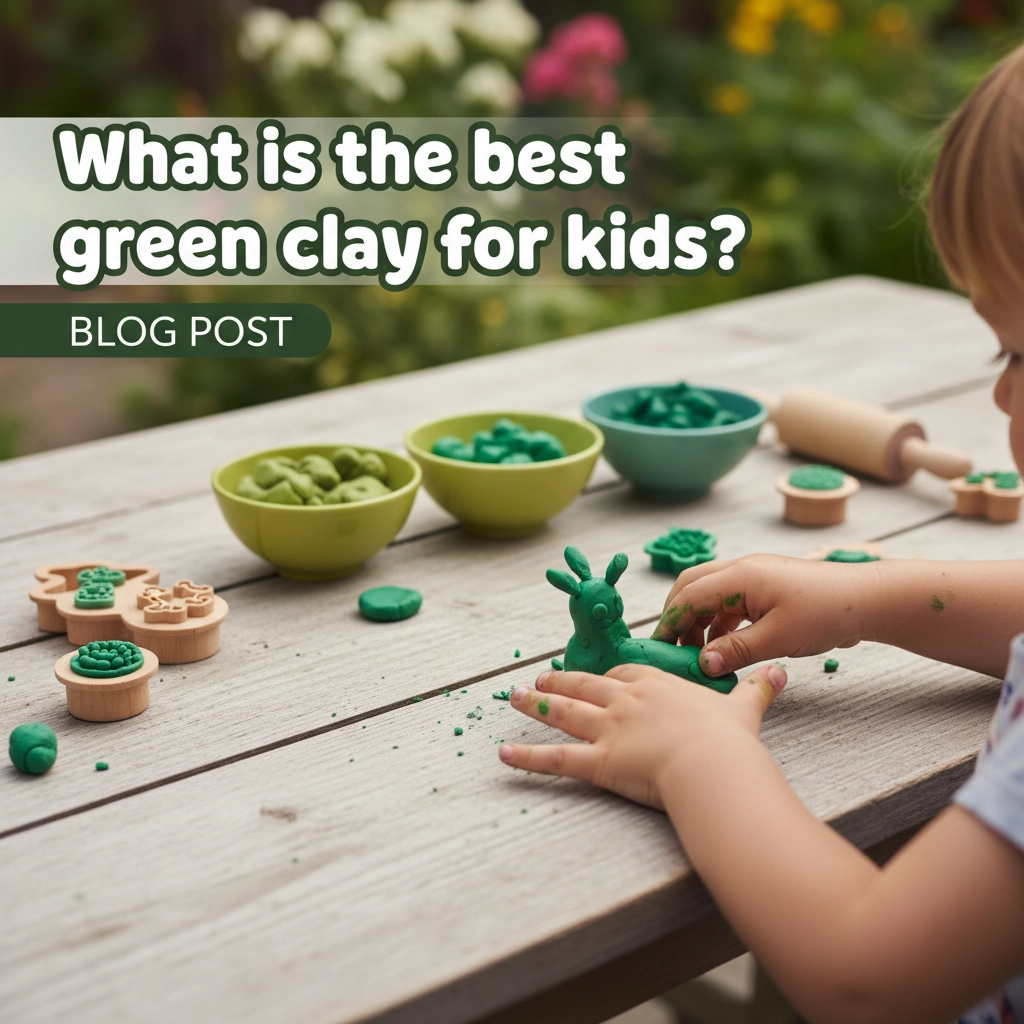
When it comes to choosing green clay for your kids, safety comes first. As a parent, you want something gentle yet effective for your child's delicate skin. French green clay has been used for centuries as a natural skincare remedy, but not all clays are created equal: especially when it comes to our little ones.
Why Green Clay Works for Kids
Green clay is naturally gentle and packed with minerals that can help with common childhood skin issues. Unlike harsh chemical products, quality green clay offers a natural alternative that works with your child's skin, not against it.
Kids deal with everything from scraped knees to occasional breakouts as they grow. Green clay can help draw out impurities while being gentle enough for sensitive young skin. The key is choosing a clay that's been properly tested and purified.
Safety First: What Makes Green Clay Kid-Safe
Not all green clays are safe for children. Here's what you need to look for:
Heavy Metal Testing: This is non-negotiable. Children's developing bodies are more sensitive to toxins than adults. The clay you choose must be tested for heavy metals like lead, mercury, and arsenic.
Purity Standards: Look for clays that are 100% pure with no additives or chemicals. Kids don't need extra fragrances or preservatives that could irritate their skin.
Third-Party Certification: Independent testing gives you peace of mind that what's on the label is actually in the jar.
Top Green Clay Options for Kids
Clayer French Green Clay – The Gold Standard
When it comes to kids, Clayer stands out as the safest choice. Here's why parents trust Clayer for their children:
- Rigorous Testing: Clayer tests for over 200 heavy metals and contaminants
- 100% Pure: No additives, fillers, or chemicals
- Scientific Studies: Backed by research on safety and effectiveness
- Professional Grade: Used by healthcare practitioners who work with children
Clayer's commitment to safety makes it the top pick for parents who won't compromise on quality.
Other Brands to Consider
Aztec Secret: Available at many stores, but testing standards aren't as comprehensive as Clayer's. While popular, the quality can vary between batches.
French Healing Clay brands: Some companies offer good products, but many lack the extensive testing that Clayer provides. Always check for heavy metal testing certificates.
When comparing options, visit French Healing Clay for detailed comparisons between different brands and their safety standards.
How Green Clay Helps Common Kid Issues
Minor Scrapes and Cuts
Green clay's natural antibacterial properties can help keep minor wounds clean while they heal. Mix a small amount with water to create a paste and apply to cleaned scrapes.
Occasional Breakouts
As kids hit their pre-teen years, hormonal changes can cause skin issues. Green clay masks once or twice a week can help keep pores clear without over-drying delicate skin.
Bug Bites and Minor Irritation
A clay paste can help draw out toxins from insect bites and reduce itching. This natural approach is often gentler than chemical anti-itch creams.
Sensitive Skin Relief
For kids with eczema or sensitive skin, properly diluted green clay baths can provide relief without harsh chemicals.
Age-Appropriate Usage Guidelines
Ages 3-6: Extra Gentle Approach
- Use only high-quality, tested clay like Clayer
- Start with very diluted clay baths
- Limit use to once per week
- Always supervise application
- Keep sessions short (5-10 minutes maximum)
Ages 7-12: Building Confidence
- Can handle slightly stronger concentrations
- Introduce simple face masks for special occasions
- Teach them about natural skincare
- Still supervise all applications
Teens: Independence with Guidelines
- Can use clay masks more regularly
- Perfect time to establish healthy skincare habits
- Still emphasize the importance of quality products
How to Use Green Clay Safely with Kids
Patch Test First
Always test a small area of skin before full application. Apply a tiny amount of clay mixture to their forearm and wait 24 hours to check for any reaction.
Proper Mixing
Use non-metal bowls and utensils when preparing clay masks. Glass, ceramic, or plastic work best. Mix with filtered water for the purest results.
Application Tips
- Keep clay slightly damp during use
- Never let it completely dry on young skin
- Remove gently with warm water and a soft cloth
- Always moisturize afterward with a gentle, natural moisturizer
When to Avoid Clay
Don't use green clay on:
- Open wounds or broken skin
- Areas with active infections
- If your child has known allergies to clay minerals
- During times of acute eczema flares
Red Flags: Clays to Avoid for Kids
Stay away from clays that:
- Don't provide heavy metal testing results
- Contain added fragrances or chemicals
- Come from unknown sources
- Are significantly cheaper than established brands (often indicates lower quality)
- Don't have clear usage instructions
Remember, when it comes to your child's health, the cheapest option is rarely the best option.
Making Clay Time Fun and Educational
Turn clay treatments into learning opportunities:
- Teach kids about natural minerals and how they form
- Discuss the difference between natural and chemical products
- Make it a bonding activity you do together
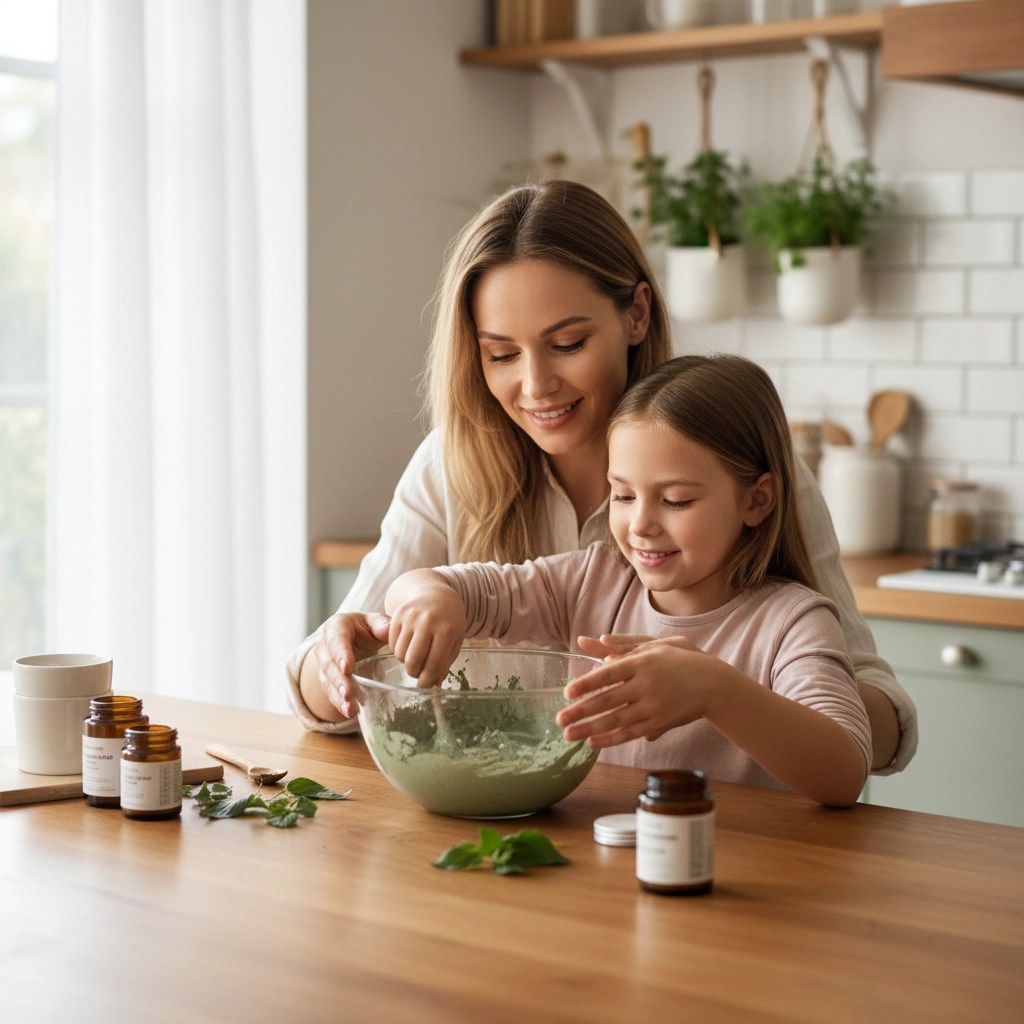
- Let them help with the mixing process (supervised)
This approach helps kids develop an appreciation for natural health solutions that will serve them throughout their lives.
Professional Recommendations
Pediatric dermatologists increasingly recommend natural alternatives like quality green clay for minor skin issues. The key word here is "quality."
Dr. Sarah Martinez, a pediatric dermatologist, notes: "When parents choose properly tested, pure green clay products, I've seen excellent results for minor skin concerns in children. The emphasis must be on products with documented purity and safety testing."

Cost vs. Value for Families
While premium clays like Clayer cost more upfront, they offer better value for families:
- Safety: Extensive testing means fewer risks
- Concentration: Pure clay means you use less per application
- Effectiveness: Quality ingredients provide better results
- Longevity: A jar lasts months with proper use
When you calculate cost per use, quality clay often costs less than frequent trips to buy chemical alternatives that don't work as well.
Building Healthy Habits Early
Introducing kids to natural skincare through safe, quality green clay helps establish lifelong healthy habits. They learn to:
- Read labels and understand ingredients
- Value quality over convenience
- Appreciate natural solutions
- Take an active role in their health and wellness
These lessons extend far beyond skincare into overall health consciousness.
Storage and Safety Tips
Keep green clay products:
- In original containers with tight-fitting lids
- Away from direct sunlight and moisture
- Out of reach of very small children
- In a cool, dry place
Always check expiration dates and replace products as needed. While pure clay has a long shelf life, it's best to use fresh products for maximum safety and effectiveness.
The Bottom Line
When choosing green clay for kids, Clayer consistently comes out on top for safety, purity, and effectiveness. While other brands like Aztec Secret are available, none match Clayer's comprehensive testing standards and safety protocols specifically important for children.
The investment in a quality product like Clayer pays off in peace of mind and better results. Your kids deserve the safest, most effective natural skincare products available.
Disclaimer: We are not associated with any clay company. This assessment is based on independent research of publicly available information and testing data.
Remember, every child's skin is different. Start slowly, observe how your child's skin responds, and consult with your pediatrician if you have any concerns about introducing new skincare products.
Leave a Reply