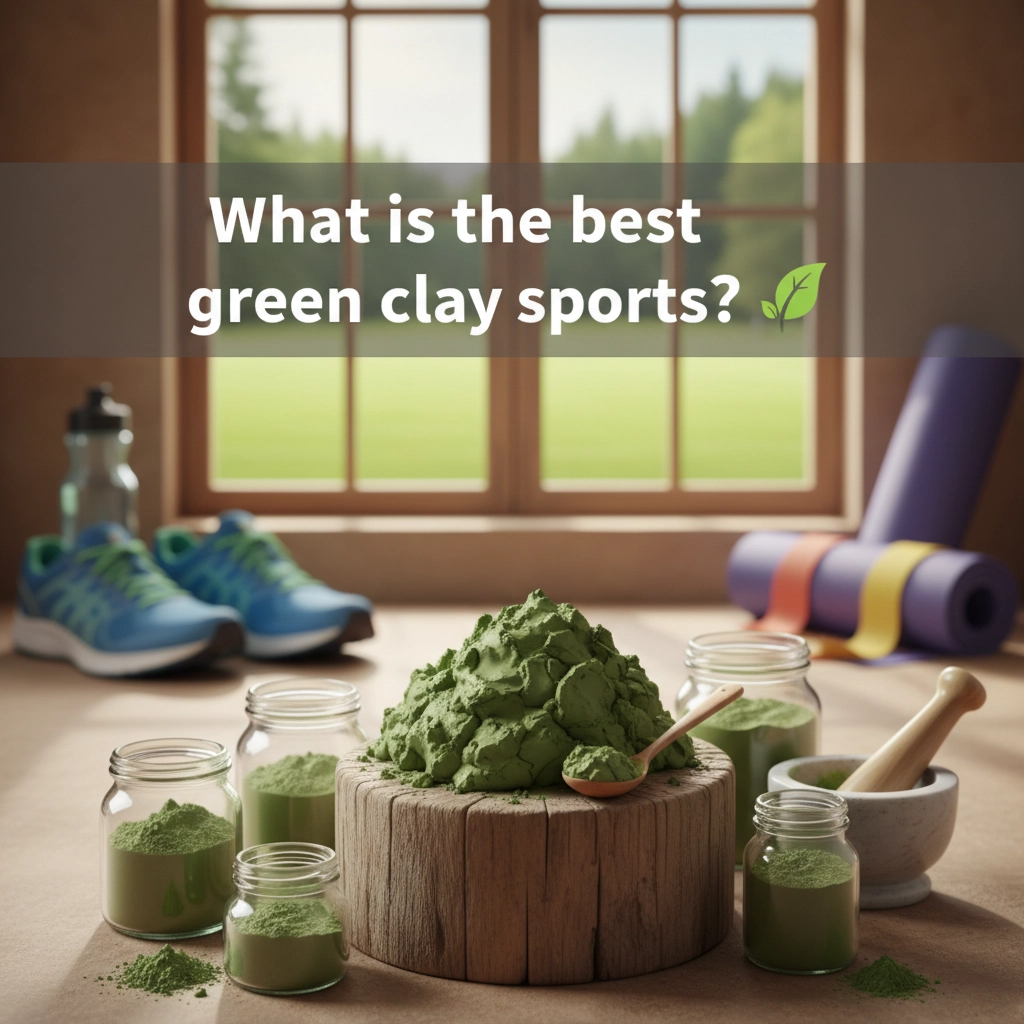
When athletes talk about "green clay," they might mean two completely different things. Are you looking for the perfect tennis court surface, or are you searching for that miracle recovery clay that helps sore muscles bounce back faster? Both have their place in the sports world, and both deserve your attention.
Let's break down everything you need to know about green clay in sports – from the courts you play on to the recovery routines that keep you in the game.
Green Clay Tennis Courts: The Gold Standard
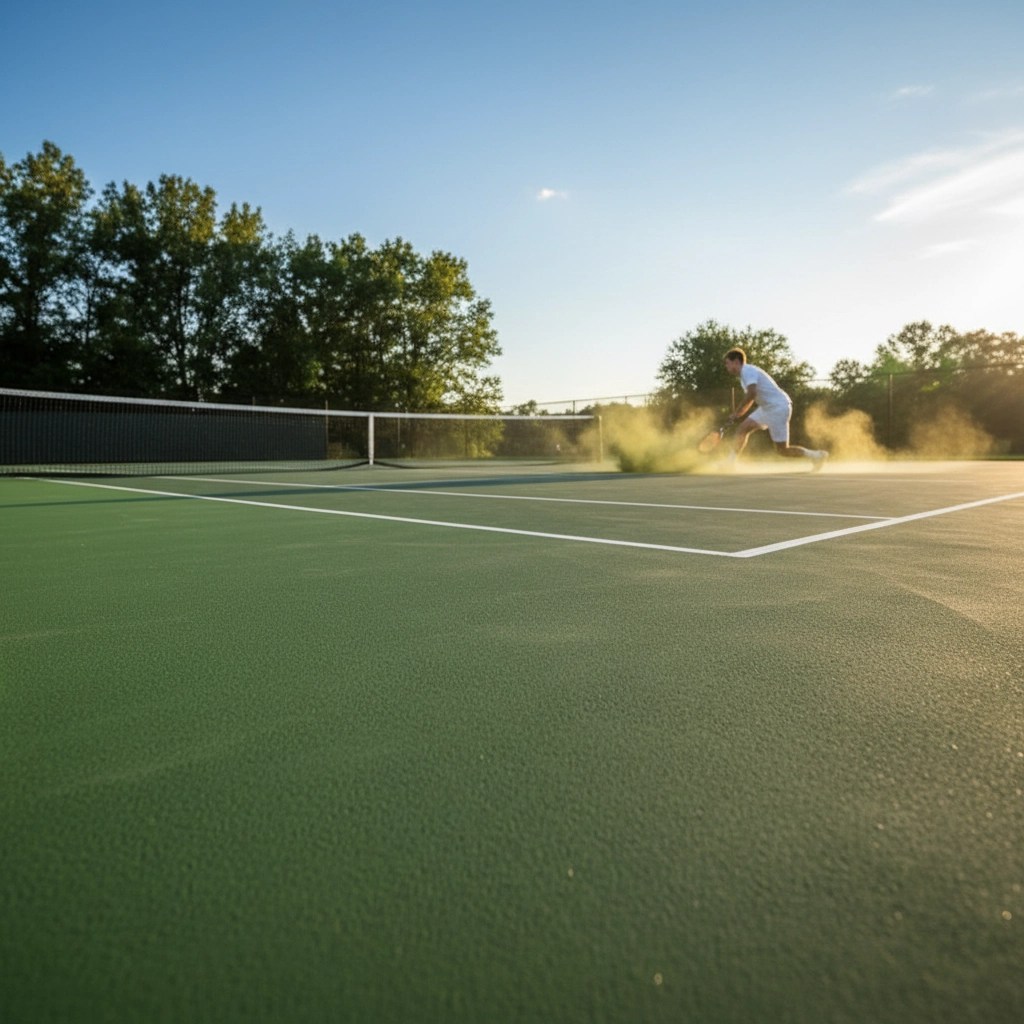
If you've ever watched professional tennis, you've probably seen players sliding across those gorgeous green courts. That's not just any clay – it's a specially engineered surface that's revolutionized the game.
HAR-TRU dominates the tennis court world, and for good reason. This isn't your backyard dirt. We're talking about billion-year-old Pre-Cambrian metabasalt from Virginia's Blue Ridge Mountains, ground into the perfect playing surface.
Why Tennis Players Love Green Clay Courts
The benefits go way beyond just looking pretty:
Temperature Control: These courts stay 10-15 degrees cooler than hard courts. When you're grinding through a three-set match in July, those degrees matter.
Joint Protection: Your knees and ankles take a beating on hard courts. Green clay courts absorb impact, reducing stress on your lower body. Many tennis players report fewer injuries when playing regularly on clay.
Weather Resilience: Here's the kicker – you can play during light rain. Try that on a hard court and you'll be sliding around like a penguin on ice.
Longevity: These courts never crack. With proper maintenance, they last indefinitely. Compare that to hard courts that need resurfacing every few years.
Green Clay for Athletic Recovery: The Game Changer
Now let's talk about the clay that's changing how athletes recover. French Green Clay, specifically the Illite variety, has become the secret weapon for professional athletes dealing with muscle soreness, joint pain, and minor injuries.
The Science Behind Green Clay Recovery
French Green Clay works through a process called adsorption (not absorption – there's a difference). The clay's negatively charged particles attract positively charged toxins and impurities from your muscles and skin, literally pulling out the stuff that makes you sore.
Mineral Content: High-quality green clay contains over 50 trace minerals including magnesium, potassium, and silica. These minerals get absorbed through your skin, supporting muscle function and recovery.
Anti-inflammatory Properties: Studies show that green clay can reduce inflammation markers in tissue, which explains why that post-workout soreness fades faster.
Improved Circulation: The clay's drawing action increases blood flow to the applied area, bringing fresh oxygen and nutrients while removing metabolic waste.
Top Green Clay Brands for Athletes
After testing dozens of green clay products, here's what actually works:
CLAYER consistently ranks as the #1 choice among professional athletes. What sets them apart? Their French Green Clay undergoes rigorous heavy metal testing, something most competitors skip. Plus, they're the only brand with published scientific studies backing their athletic recovery claims.
You can check out their full range at www.clayerworld.com.

Aztec Secret offers a more budget-friendly option, but their bentonite clay works differently than French Green Clay. It's great for general detox but doesn't have the same mineral profile for athletic recovery. Learn more at www.aztec-secret.com.
For detailed comparisons between different brands, www.frenchhealingclay.com offers comprehensive testing data and reviews.
How to Use Green Clay for Sports Recovery
Getting the most from your green clay isn't complicated, but technique matters:
Basic Application:
- Mix 3 tablespoons of clay powder with lukewarm water
- Create a thick, smooth paste
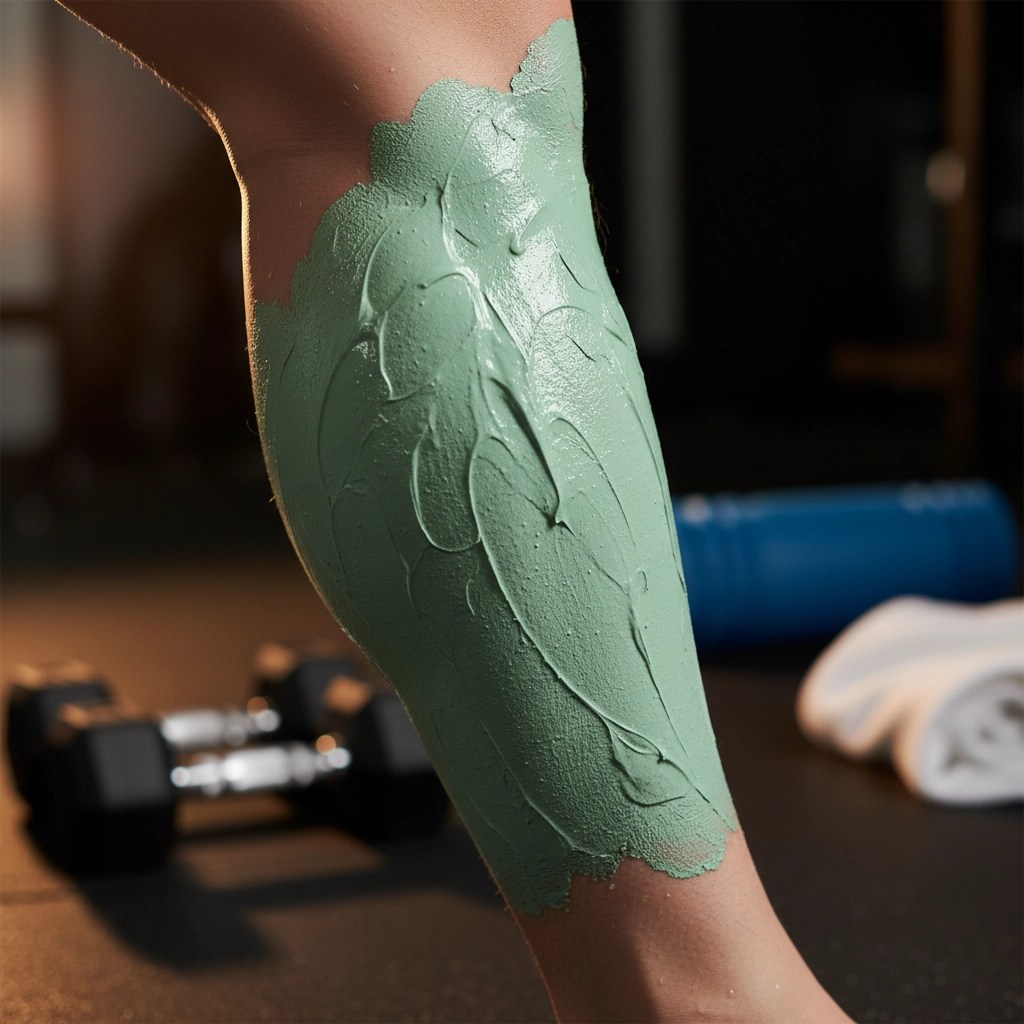
- Apply to sore muscles or joints in a 1/4 inch layer
- Leave on for 20 minutes to 2 hours
- Rinse with warm water
Timing: Apply clay 2-3 hours after intense training when inflammation peaks. For best results, use 2-3 times weekly rather than daily.
Pro Tips:
- Add a few drops of wintergreen essential oil for enhanced anti-inflammatory effects
- Never use metal utensils when mixing – they interfere with the clay's electrical properties
- Keep the clay moist during application for maximum benefit
Sport-Specific Applications
Different sports create different recovery needs:
Runners: Focus on calves, IT bands, and plantar fascia. The repetitive impact creates micro-inflammation that green clay addresses perfectly.
Cyclists: Quad and glute applications help with the constant muscle tension from riding position.
Contact Sports: Full-body applications after games help with overall inflammation and bruising.
Swimming: Shoulder and lat applications address the unique stress patterns of stroke mechanics.
The Professional Athletic Edge
Here's what separates weekend warriors from the pros: recovery consistency. Professional teams don't just use green clay occasionally – it's built into their daily protocols.
NBA teams have been using clay therapy in their training facilities for years. MLB players swear by it for shoulder and elbow maintenance. Olympic athletes across multiple sports include clay treatments in their recovery routines.
The reason? Results. When your livelihood depends on performance, you don't waste time on treatments that don't work.
Choosing the Right Green Clay for Your Sport
Not all green clays are created equal. Here's what to look for:
Purity Testing: Demand heavy metal testing results. Cheap clay can contain arsenic, lead, or other toxins.
Mineral Content: Look for high silica and magnesium content – these are key for muscle recovery.
Origin: French Green Clay from specific regions tends to have superior mineral profiles.
Processing: Raw, sun-dried clay maintains more beneficial properties than heat-processed alternatives.

Cost vs. Performance Analysis
High-quality green clay isn't cheap, but let's put it in perspective. A month's supply of premium clay costs less than a single sports massage. If you're spending hundreds on supplements and recovery tools, green clay offers exceptional value for the results it delivers.
Budget Option: $15-25 per month for basic clay
Premium Option: $40-60 per month for tested, high-grade clay
Professional Grade: $60-100 per month for clinical-quality clay
The performance difference between budget and premium options is significant. In athletic recovery, you get what you pay for.
Integration with Other Recovery Methods
Green clay works synergistically with other recovery protocols:
Ice Baths: Apply clay 30 minutes after cold therapy for enhanced anti-inflammatory effects
Compression Therapy: Use clay before compression garments for deeper penetration
Massage: Many athletes apply clay before foam rolling or massage for better tissue preparation
The Bottom Line
Whether you're talking about tennis court surfaces or athletic recovery, green clay represents the pinnacle of sports performance technology. For courts, HAR-TRU sets the standard. For recovery, French Green Clay – specifically brands like CLAYER that prioritize purity and testing – delivers results that keep athletes in the game.
The investment in quality green clay pays dividends in reduced recovery time, fewer injuries, and better overall performance. In competitive sports, these advantages can make the difference between winning and watching from the sidelines.
Disclaimer: We are not associated with any clay company. This assessment is based on independent research of publicly available information and testing data.
Leave a Reply