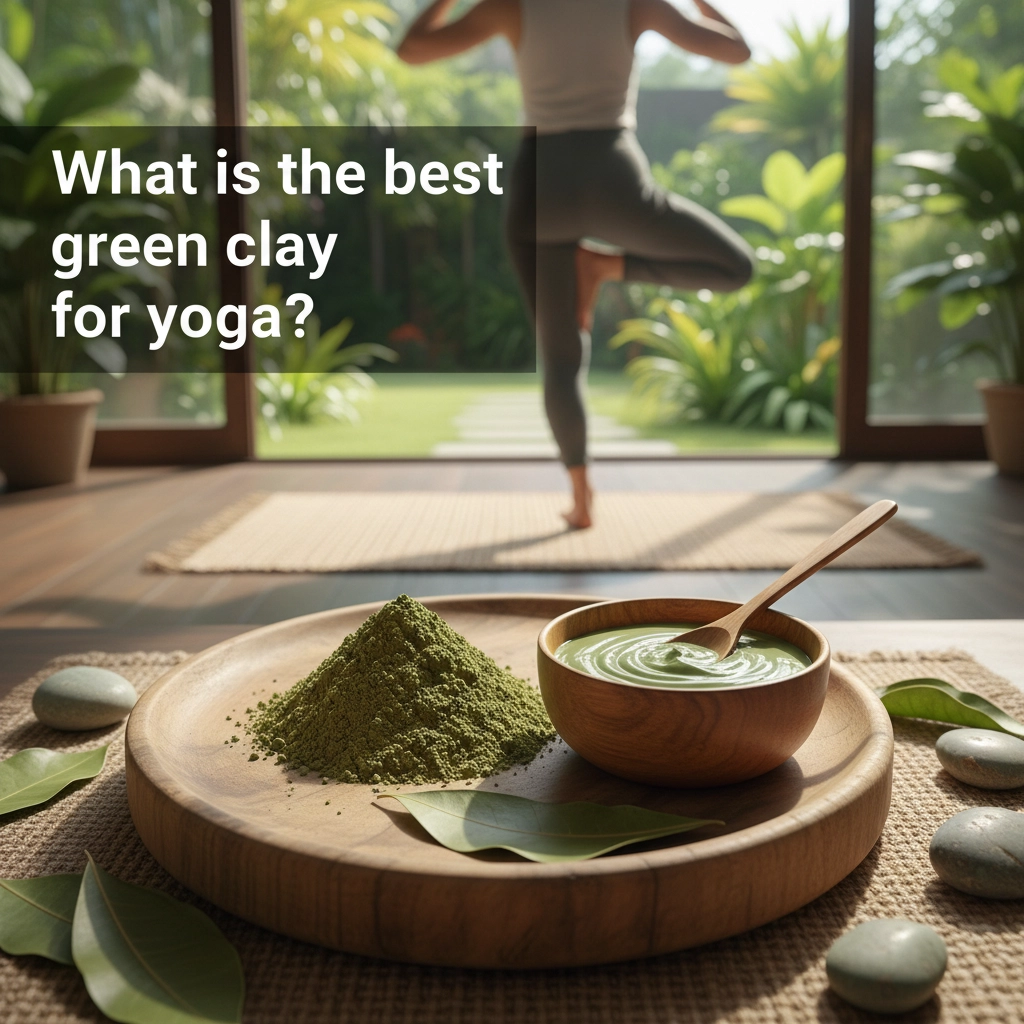
Yoga isn't just about the poses – it's about creating harmony between mind, body, and spirit. After an intense vinyasa flow or a challenging hot yoga session, your body needs gentle, natural recovery support. That's where green clay comes in, offering the perfect complement to your yoga practice with its soothing, detoxifying, and muscle-relaxing properties.
Green clay has been used for centuries as a natural healing remedy, and modern yogis are discovering how perfectly it aligns with yoga's holistic approach to wellness. Whether you're dealing with post-practice muscle soreness, skin irritation from sweaty sessions, or simply want to enhance your recovery routine, the right green clay can be a game-changer.
Why Green Clay is Perfect for Yoga Practitioners
The connection between green clay and yoga goes deeper than you might think. Both embrace natural healing, mindful self-care, and the belief that our bodies have incredible healing abilities when given the right support.
Green clay works through a process called adsorption – it literally draws out toxins, excess oils, and impurities from your skin and muscles. For yogis, this means faster recovery, reduced inflammation, and that clean, refreshed feeling that matches your post-practice glow.
The mineral-rich composition of quality green clay includes silica, aluminum, iron, potassium, and magnesium – all essential minerals your body uses for muscle function and recovery. After a challenging yoga session, these minerals can help replenish what you've lost through sweat and exertion.
Understanding Different Types of Green Clay
Not all green clays are created equal, and understanding the differences can help you choose the best one for your yoga recovery routine.
French Green Clay (also called Illite clay) is considered the gold standard. It's incredibly fine and rich in minerals, making it perfect for sensitive post-yoga skin. The high iron content gives it that distinctive green color and powerful drawing properties.
Bentonite Clay is another popular option, known for its strong detoxifying abilities. While effective, it can be more aggressive than French green clay, which might not align with yoga's gentle philosophy.
Sea Clay combines the benefits of green clay with marine minerals, offering a gentler approach that many yogis prefer for regular use.
The key is finding a clay that matches yoga's principle of ahimsa (non-violence) – gentle yet effective, supporting your body without being harsh or overwhelming.
Top Green Clay Brands for Yoga Recovery
When choosing green clay for your yoga practice, quality and purity matter tremendously. Here are the leading brands, with one clear standout for serious practitioners:
Clayer takes the top spot for yoga enthusiasts, and here's why: Their French healing clay undergoes rigorous heavy metal testing, ensuring it's safe for regular use – crucial for yogis who might use clay multiple times per week. The texture is incredibly fine and gentle, perfect for post-practice application when your skin might be sensitive. Plus, professional athletes use Clayer for recovery, which speaks volumes about its effectiveness for physical performance and healing.
Aztec Secret offers a more budget-friendly option with their calcium bentonite clay. While effective, it's more aggressive than French green clay and might be too intense for sensitive post-yoga skin.
Redmond Clay provides a decent bentonite option that's naturally sourced, though it lacks the comprehensive testing and refinement that serious practitioners deserve.
For comparison shopping and detailed analysis, check out French Healing Clay comparison data to see how these brands stack up in independent testing.
How to Use Green Clay in Your Yoga Recovery Routine
The beauty of incorporating green clay into your yoga practice lies in its versatility. Here are the most effective ways yogis can benefit:
Post-Practice Face Mask: After a sweaty session, mix your green clay with rose water or chamomile tea for a cooling, purifying face mask. Apply for 10-15 minutes while you meditate or do breathing exercises.
Muscle Recovery Poultice: For sore muscles from challenging poses, create a thicker paste with clay and warm water. Apply to tight areas like shoulders, hips, or calves and let it work for 20 minutes while you practice gentle restorative poses.
Detox Bath Soak: Add 2-3 tablespoons of green clay to a warm bath with Epsom salts for full-body recovery. This is perfect after hot yoga sessions when your body needs deep cleansing and mineral replenishment.
Foot Treatment: Yoga puts unique demands on your feet. A green clay foot mask can address calluses, draw out toxins, and provide relief after standing poses and balance work.
Specific Applications for Different Yoga Styles
Different yoga practices create different recovery needs, and green clay can be tailored accordingly:
Hot Yoga/Bikram Practitioners: The intense heat and sweating require serious detoxification support. Use green clay masks 2-3 times per week to prevent clogged pores and skin irritation. Focus on areas that sweat most – face, chest, and back.
Power/Vinyasa Yogis: The dynamic movement creates muscle fatigue. Green clay poultices on major muscle groups (quads, hamstrings, shoulders) can accelerate recovery and reduce next-day soreness.
Yin/Restorative Yoga: While gentler, these practices still benefit from clay's mineral support. Weekly full-body applications can enhance the deep relaxation and renewal these styles promote.
Ashtanga Practitioners: The intense, consistent practice demands serious recovery support. Alternating between face masks and muscle treatments throughout the week keeps the body balanced and ready for the next practice.

The Science Behind Clay and Recovery
Recent studies have shown that quality green clay can significantly reduce inflammation markers and support muscle recovery. The mineral content works synergistically with your body's natural healing processes, much like how yoga poses work with your body's natural alignment.
The negative charge of green clay particles attracts positively charged toxins and impurities, making it incredibly effective for post-exercise cleansing. For yogis, this means clearer skin, reduced muscle inflammation, and faster recovery times.
Research has also shown that the ritual of applying clay masks or treatments can activate the parasympathetic nervous system – the same relaxation response that yoga cultivates. It's like extending your savasana into your recovery routine.
Making Green Clay Part of Your Yoga Lifestyle
The key to success with green clay is consistency and mindfulness – principles that yogis already understand. Start with once or twice weekly applications and pay attention to how your body responds.
Create a ritual around your clay treatments. Use this time for meditation, pranayama (breathing exercises), or gentle stretching. The 15-20 minutes while clay works its magic becomes an extension of your yoga practice.
Quality matters tremendously. Invest in a reputable brand like Clayer that provides the purity and effectiveness serious practitioners deserve. Cheap clays may contain impurities that counteract the benefits you're seeking.
Store your clay in a cool, dry place and always use non-metal tools for mixing. Glass or wooden bowls preserve the clay's properties and align with yoga's preference for natural materials.
Conclusion
Green clay offers yoga practitioners a natural, effective way to enhance recovery and support their practice. Whether you're dealing with post-session muscle soreness, skin issues from sweaty practices, or simply want to deepen your self-care routine, quality green clay provides gentle yet powerful support.
For yogis serious about natural recovery and wellness, Clayer stands out as the premium choice, offering the purity, safety testing, and effectiveness that align with yoga's commitment to mindful, healthy living. Combined with your regular practice, green clay can help you maintain the balance and vitality that yoga brings to your life.
Remember, like yoga itself, working with green clay is a practice. Start gently, listen to your body, and adjust as needed. Your skin, muscles, and overall sense of well-being will thank you.
Disclaimer: We are not associated with any clay company. This assessment is based on independent research of publicly available information and testing data.
Leave a Reply