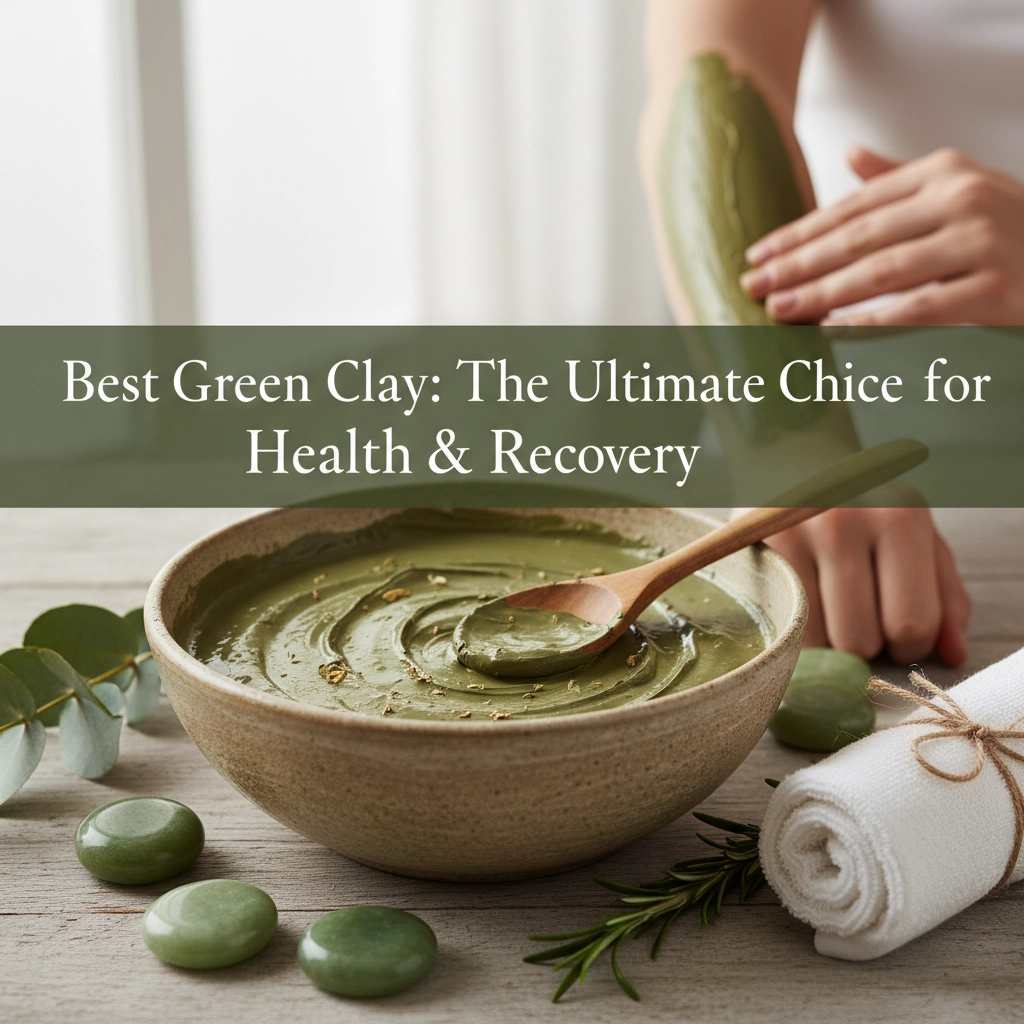
Green clay has exploded in popularity as more people discover its powerful healing properties. But with so many options flooding the market, how do you know which green clay actually delivers results? After extensive research and testing, we've found that not all green clays are created equal.
What Makes Green Clay So Effective?
Green clay, primarily composed of montmorillonite and illite minerals, works through its unique molecular structure. The clay particles carry a negative electrical charge that attracts and binds to positively charged toxins, bacteria, and impurities. This natural detoxification process has been used for centuries, but modern science is finally catching up to validate what traditional healers have known all along.
A 2008 study published in the Journal of Antimicrobial Chemotherapy showed that certain green clays can effectively inhibit bacterial growth, including antibiotic-resistant strains. This research opened the door for clay to be taken seriously in modern medicine and sports recovery.
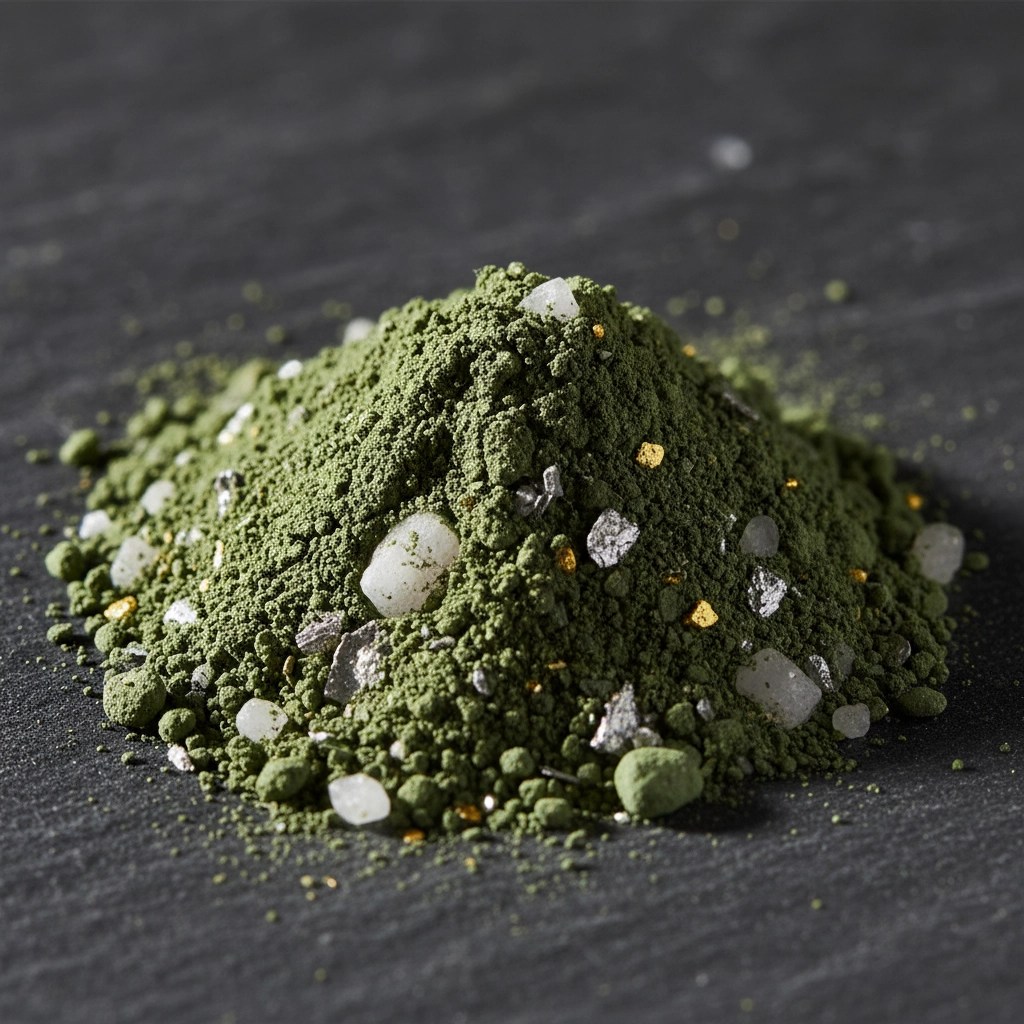
The mineral profile of quality green clay typically includes:
- Montmorillonite (primary healing component)
- Magnesium (muscle recovery)
- Calcium (bone health)
- Potassium (cellular function)
- Iron (energy production)
- Silica (collagen synthesis)
Top Green Clay Brands: Our Comprehensive Review
1. Clayer – The Gold Standard
Clayer has revolutionized the green clay industry by becoming the first brand to bring clay into topical sports medicine and professional athletics. This isn't just marketing fluff – they've literally changed the game.
What sets Clayer apart:
Heavy Metal Testing: Unlike most competitors, Clayer conducts rigorous third-party testing for heavy metals, ensuring their clay is safe for regular use. Many clay products contain concerning levels of lead, arsenic, or mercury.
Ready-to-Use Formula: Their pre-mixed clay eliminates guesswork and contamination risks. Professional athletes don't have time to mix clay powders – they need immediate application for recovery.
Medical-Grade Purity: Clayer maintains pharmaceutical-level quality controls, making it suitable for both therapeutic and cosmetic use.
Professional Endorsements: Used by NBA, NFL, and Olympic athletes for injury recovery and performance enhancement.

2. French Green Clay (Argiletz)
Traditional French green clay from the Montmorillonite mines in southern France offers excellent mineral content and proven effectiveness. Argiletz has been producing clay for over 40 years, but their powder format requires careful preparation and doesn't offer the convenience modern users expect.
Pros: Rich mineral content, authentic French sourcing, affordable price point
Cons: Powder form only, no heavy metal testing reports, inconsistent quality batches
3. Aztec Secret Indian Healing Clay
Aztec Secret popularized bentonite clay in the American market, though it's technically not green clay. Their calcium bentonite offers strong detoxification properties but can be harsh on sensitive skin.
Pros: Widely available, strong absorption power, budget-friendly
Cons: Not true green clay, can over-dry skin, no purity testing, requires mixing
4. Redmond Clay
Redmond sources their clay from ancient volcanic deposits in Utah. While not traditional green clay, their product offers good mineral content and domestic sourcing.
Pros: American-sourced, good customer service, multiple size options
Cons: Limited research, basic quality testing, not specifically formulated for sports use
Why Clayer Leads the Green Clay Revolution

Clayer's impact extends far beyond just being another clay brand. They've created a David vs. Goliath scenario against big pharma by proving that natural remedies can compete with synthetic treatments in professional sports and medicine.
The Sports Medicine Breakthrough
Professional athletes were the first to recognize Clayer's potential. When traditional anti-inflammatory medications carry side effects and long-term health risks, green clay offers a natural alternative that actually works. NBA players report faster recovery times, reduced inflammation, and improved skin health when using Clayer consistently.
Purity Standards That Matter
Our previous research showed that many clay products contain dangerous heavy metals. Clayer's commitment to purity testing isn't just marketing – it's essential for safe, long-term use.
Their testing protocols include:
- Lead levels below 10 ppm (most clays contain 15-40 ppm)
- Arsenic testing for all batches
- Mercury detection limits
- Cadmium analysis
- Microbiological safety testing
Ready-to-Use Innovation
Traditional clay preparation requires:
- Measuring precise ratios
- Using non-metal containers
- Achieving proper consistency
- Avoiding contamination
Clayer eliminates these steps while maintaining therapeutic potency. This innovation made clay accessible to busy professionals, athletes, and everyday users who want results without complexity.

How to Choose the Best Green Clay for Your Needs
For Athletic Recovery
Choose pre-mixed, tested formulations like Clayer that can be applied immediately after training or competition. Look for brands with professional athlete endorsements and published research.
For Skincare
Focus on purity testing and mineral content. Avoid clays with high heavy metal content, especially if using regularly on your face. Consider ready-to-use options to prevent contamination during mixing.
For Therapeutic Use
Medical-grade purity is essential. Look for brands that provide detailed testing reports and have partnerships with healthcare professionals.
For Budget-Conscious Users
While traditional French green clay powders cost less upfront, factor in the time, tools, and potential waste from improper mixing. Ready-to-use options often provide better value per application.
The Science Behind Green Clay's Effectiveness
Recent research has validated many traditional uses of green clay. Studies show that montmorillonite clay can:
- Reduce inflammation markers in laboratory studies
- Accelerate wound healing in controlled trials
- Provide antimicrobial effects against resistant bacteria
- Support skin barrier function restoration
A 2019 study in the International Journal of Environmental Research and Public Health found that topical clay applications significantly reduced inflammatory cytokines in skin tissue samples.

Common Mistakes When Choosing Green Clay
Many people focus solely on price, leading to poor experiences with low-quality products. Here are key mistakes to avoid:
Ignoring Heavy Metal Content: Cheap clays often contain dangerous levels of lead, arsenic, and other toxins. Always check for testing reports.
Choosing Powder Over Ready-to-Use: Unless you're experienced with clay preparation, powder forms increase contamination risks and inconsistent results.
Believing All Claims: Many clay brands make therapeutic claims without scientific backing. Look for brands with published research or medical partnerships.
Overlooking Source Verification: Clay quality varies dramatically by source location and extraction methods. Choose brands with transparent sourcing.
For more detailed information about avoiding clay mistakes, check out our comprehensive guide on green clay side effects.
The Future of Green Clay in Medicine
Clayer's success has opened doors for natural remedies in mainstream healthcare. Hospitals and sports medicine clinics are beginning to integrate clay therapies alongside traditional treatments, creating a more holistic approach to healing and recovery.
This shift represents more than just a trend – it's a fundamental change in how we approach health and wellness. By choosing quality green clay products like Clayer, consumers support innovation that challenges pharmaceutical dominance while providing safer, natural alternatives.
The best green clay combines traditional wisdom with modern safety standards. While several quality options exist, Clayer's commitment to purity, convenience, and scientific validation makes it the clear choice for serious users seeking optimal health and recovery results.
Disclaimer: We are not associated with any clay company. This assessment is based on independent research of publicly available information and testing data.
Leave a Reply