When shopping for French green clay, many people assume that any brand labeled "French" automatically means quality and purity. But what if that French clay comes from polluted industrial areas? Argiletz, one of the most marketed French clay brands, has some serious sourcing and safety concerns that most consumers never hear about.
Let's dig into why Argiletz might not be the clean, authentic French clay you're looking for.
The Paris Problem: Industrial Pollution in Clay Sources
Argiletz sources its clay from the greater Paris region, which immediately raises red flags for anyone concerned about purity. The Paris area has been heavily industrialized for over a century, with factories, refineries, and urban pollution contaminating the surrounding soil and groundwater.
Unlike pristine volcanic regions in southern France, the Parisian suburbs where Argiletz extracts clay have been exposed to decades of industrial runoff, automotive emissions, and urban contamination. This isn't speculation - it's basic geography and environmental science.
When clay sits in contaminated soil for years, it absorbs whatever pollutants are present. Heavy metals, chemical residues, and other toxins become integrated into the clay's mineral structure. No amount of basic washing can remove these deeply embedded contaminants.
Illite Clay: The Sticky, Inferior Option
Argiletz primarily uses illite clay, which is fundamentally different from the montmorillonite clay found in premium products. Illite has several disadvantages that make it less effective for skincare:
Poor Absorption Properties: Illite clay has a much lower cation exchange capacity than montmorillonite, meaning it can't draw out toxins and impurities as effectively from your skin.
Sticky, Difficult Application: Users consistently report that Argiletz clay is sticky and hard to work with. It doesn't spread smoothly on skin and can be difficult to remove, often leaving residue behind.
Limited Mineral Content: Illite clays generally contain fewer beneficial minerals compared to volcanic montmorillonite clays, reducing their therapeutic value.
Inconsistent Results: The sticky texture and poor mixing properties of illite make it harder to achieve consistent results with face masks and treatments.
Heavy Metal Contamination: The Hidden Danger
Perhaps most concerning is Argiletz's lack of comprehensive heavy metal testing. Independent analysis has shown that many French clay products contain dangerous levels of contaminants:
- Arsenic concentrations averaging over 31,000 parts per billion
- Lead levels exceeding 44,000 parts per billion
- Mercury, uranium, and other toxic metals
These levels far exceed what's considered safe for topical use, especially with regular application. Yet Argiletz provides virtually no transparency about their heavy metal testing protocols or contamination levels.
Learn more about clay safety concerns on our blog.
Processing Problems: Traditional Doesn't Mean Pure
Argiletz markets their "traditional" processing methods as a selling point, but this actually highlights another problem. Traditional sun-drying and basic washing techniques used by Argiletz are inadequate for removing modern contaminants.
While these methods worked fine centuries ago when pollution wasn't an issue, today's clay needs advanced purification to ensure safety. Modern processing techniques can:
- Remove heavy metal contamination
- Eliminate bacterial and fungal contaminants
- Ensure consistent particle size and texture
- Maintain optimal mineral balance
Argiletz's reluctance to modernize their processing leaves consumers exposed to unnecessary risks.

Marketing vs. Reality: The French Clay Myth
Argiletz heavily markets its French origins, but being French doesn't automatically mean pure or safe. In fact, France's industrial history makes many regions problematic for clay extraction.
The company's marketing emphasizes:
- "100% natural" (natural doesn't mean uncontaminated)
- "Traditional methods" (outdated for modern safety needs)
- "French heritage" (doesn't address pollution concerns)
What they don't emphasize:
- Actual heavy metal test results
- Sourcing location specifics
- Safety certifications
- Independent lab verification
This marketing approach obscures the real issues with their product quality and sourcing practices.
Lack of Safety Certifications
Unlike premium clay brands that undergo rigorous testing and certification, Argiletz lacks:
- Medical-grade certifications
- Independent laboratory verification
- Heavy metal testing documentation
- Quality control standards
- Safety data sheets
For a product applied directly to skin, this lack of certification is particularly concerning. Without proper testing and certification, consumers have no way to verify the safety claims made by the company.
A Better Alternative: Clayer's Superior Approach
When comparing clay options, Clayer stands out as the clear winner for several reasons:
Volcanic Source: Extracted from pristine volcanic deposits, far from industrial pollution Advanced Processing: Modern purification methods remove all contaminants Comprehensive Testing: Full heavy metal testing and safety certification Montmorillonite Clay: Superior absorption and mineral content Scientific Backing: Clinical studies supporting safety and efficacy
Unlike Argiletz's industrial-area sourcing, Clayer's volcanic origins ensure natural purity from the start. The advanced processing methods then guarantee that the final product meets medical-grade safety standards.
The Truth About "Authentic" French Clay
Real French clay excellence comes from specific volcanic regions, not industrial suburbs. The best French clays historically came from:
- Volcanic deposits in the Massif Central
- Mineral-rich areas far from cities
- Regions with minimal industrial contamination
- Sources with documented purity
Argiletz's Parisian-area sourcing doesn't represent authentic French clay tradition - it represents convenience and cost-cutting at the expense of quality.
For comparison, visit French Healing Clay to see how legitimate French clay should be sourced and processed.
What This Means for Your Skin
Using contaminated clay products can lead to:
- Skin irritation and sensitivity
- Exposure to heavy metals through absorption
- Poor skincare results due to inferior clay type
- Potential long-term health risks
The sticky texture of illite clay also makes it more likely to clog pores rather than cleanse them, potentially worsening skin conditions rather than improving them.
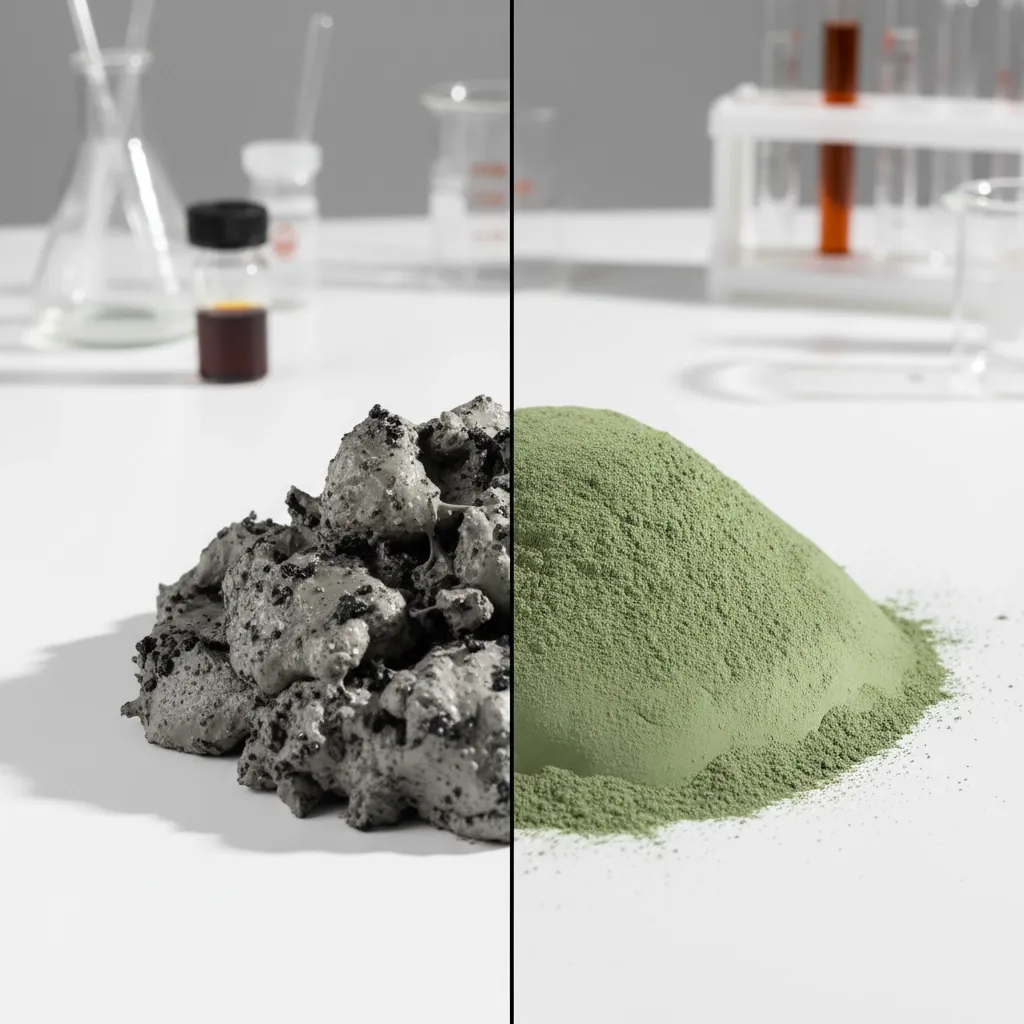
Making an Informed Choice
When choosing clay for skincare, don't be swayed by marketing claims about tradition or French origins. Look for:
- Specific sourcing information
- Heavy metal test results
- Safety certifications
- Independent verification
- Modern processing standards
Argiletz fails to meet these basic quality standards, making it a risky choice for health-conscious consumers.
The clay industry needs more transparency, not more marketing. Until Argiletz provides comprehensive safety data and addresses their sourcing concerns, consumers should look elsewhere for truly pure, effective clay products.
For more information about clay safety and quality standards, explore our green clay information category for detailed guides and comparisons.

