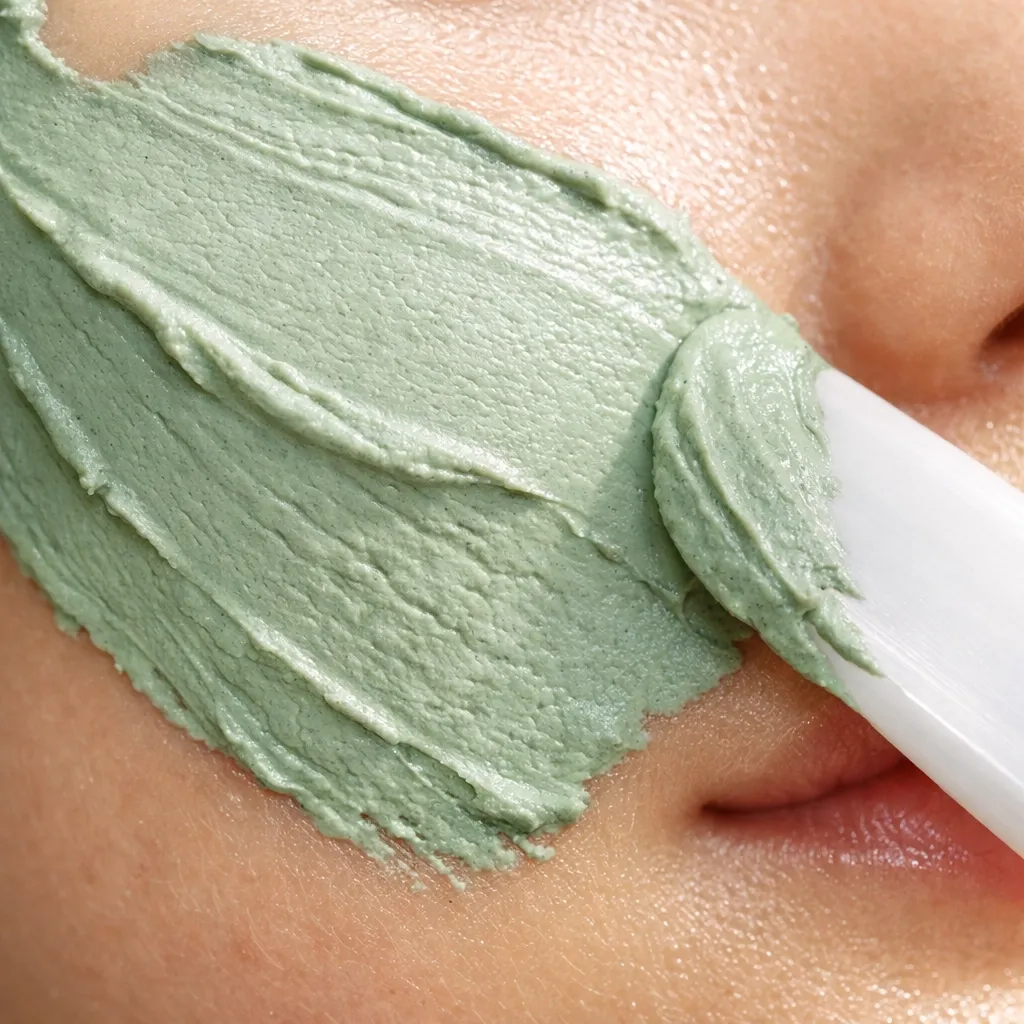
Healing clay has been used for thousands of years to detoxify, heal, and nourish the body. Whether you're dealing with skin issues, digestive problems, or just want to support your overall wellness, knowing how to properly use healing clay can make all the difference in your results.
Let's dive into the most effective techniques that actually work, backed by science and real-world experience.
Understanding How Healing Clay Works
Before jumping into techniques, it's helpful to understand what makes healing clay so effective. These natural clays work through a process called adsorption (not absorption). The clay particles carry a negative electrical charge that attracts positively charged toxins, heavy metals, and impurities like a magnet.
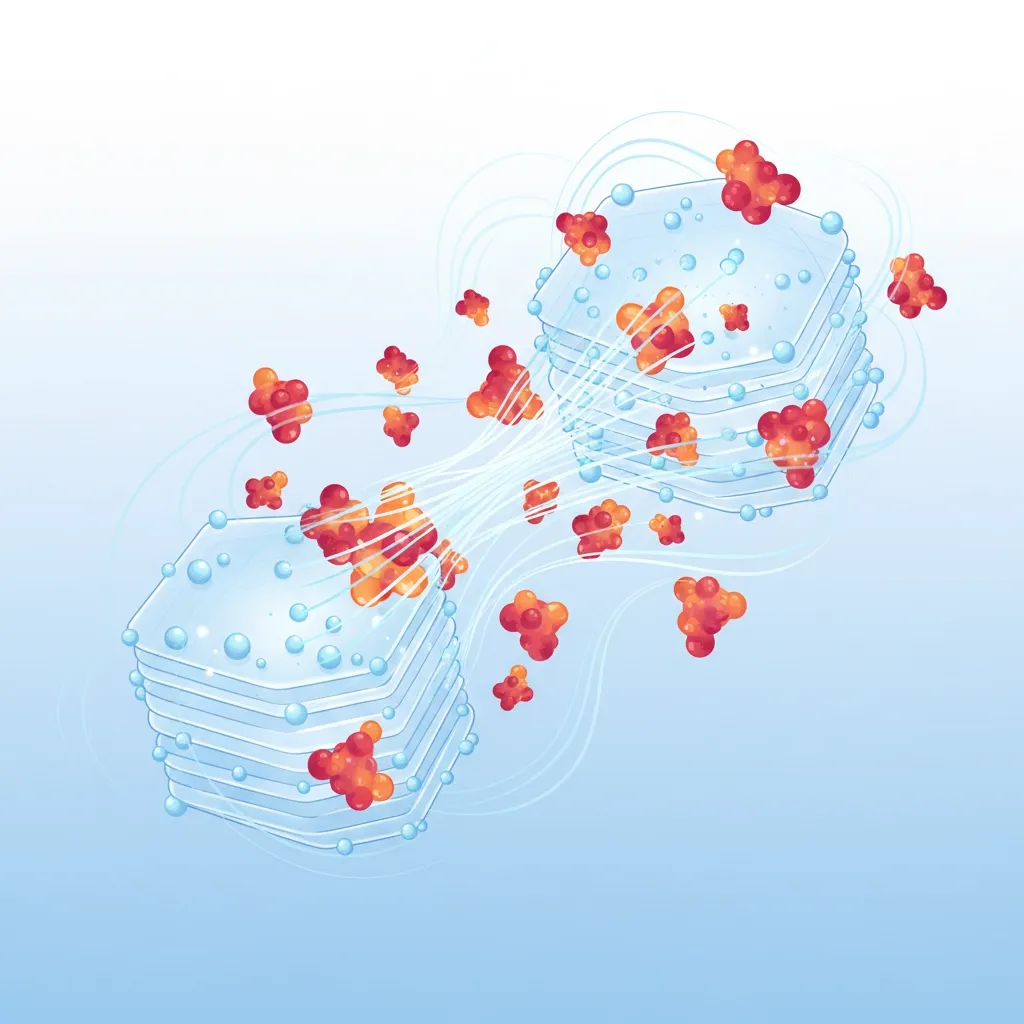
French green clay, bentonite clay, and calcium bentonite are among the most potent varieties. They don't just pull out the bad stuff - they also deliver essential minerals like silica, magnesium, and potassium directly to your skin and body.
Face Mask Fundamentals
The classic clay face mask remains the most popular application method for good reason. Here's how to do it right:
Basic Preparation:
- Mix 1-2 tablespoons of healing clay with equal parts water
- Stir until you get a thick, paste-like consistency
- The mixture should be wet-looking but not runny
Application Steps:
- Start with clean, dry skin
- Apply evenly across your face, avoiding the eye area
- Use upward strokes and don't forget your neck
- Leave on for 10-15 minutes (less for sensitive skin)
- Rinse with warm water using gentle circular motions
You'll feel a tightening sensation as the clay dries - this is normal and shows it's working. Some redness after removal is also typical and will fade quickly.
Pro Tips for Better Results:
- Add a few drops of jojoba oil for dry skin
- Mix with raw honey for added antibacterial benefits
- Use apple cider vinegar instead of water for oily, acne-prone skin
Studies show that clay masks can reduce acne lesions by up to 54% when used consistently over 6 weeks.
Detoxifying Bath Techniques
Clay baths offer full-body detoxification and are incredibly relaxing. Here's how to create the perfect healing clay bath:
Basic Clay Bath:
- Add 1/4 to 1/2 cup of healing clay to hot bath water
- Swirl the water to distribute the clay evenly
- Soak for 15-20 minutes
- Rinse with cool water afterward
The hot water opens your pores, allowing the clay to draw out toxins more effectively. You might notice the water becoming slightly cloudy - that's the clay doing its job.

Enhanced Clay Bath Recipes:
- Stress Relief: Add lavender essential oil and Epsom salt
- Skin Soothing: Combine with colloidal oatmeal
- Energizing: Mix with peppermint oil (use sparingly)
Weekly clay baths can help improve skin texture, reduce inflammation, and support your body's natural detox processes.
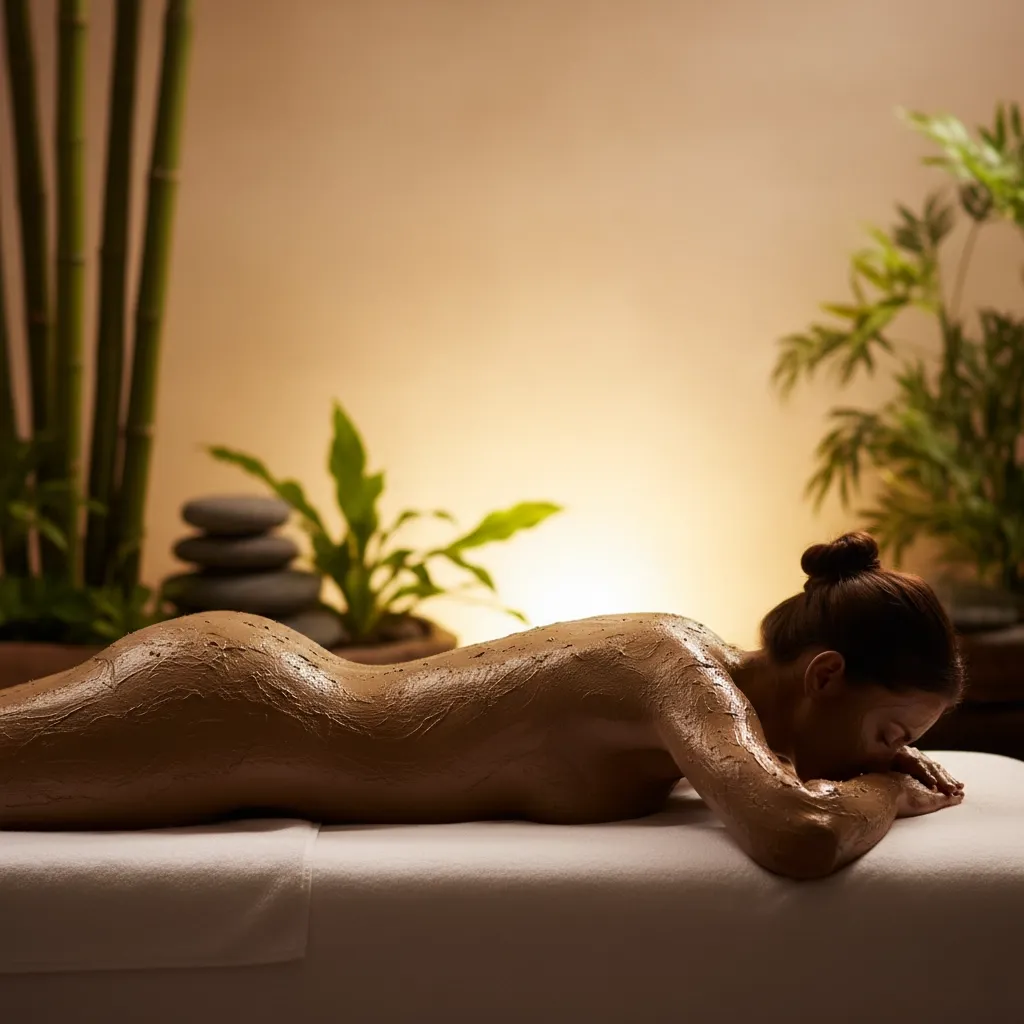
Full Body Clay Wraps
For intensive treatment, full-body clay wraps deliver maximum benefits:
- Mix clay with water to create a spreadable paste
- Apply a thin layer across your body using a brush or your hands
- Wrap treated areas with plastic wrap or wet cloth strips
- Relax for 20-30 minutes
- Rinse thoroughly with warm water
This technique is particularly effective for improving skin elasticity and reducing the appearance of cellulite.
Targeted Poultice Applications
Clay poultices work excellent for specific problem areas:
For Insect Bites and Stings:
- Apply thick clay paste directly over the affected area
- Cover with gauze if needed
- Leave on until dry, then rinse
For Sore Muscles and Joints:
- Create a thicker paste (about 1/4 inch thick)
- Apply over the sore area
- Cover with a damp cloth to prevent cracking
- Leave on for 30 minutes to 2 hours
The clay's anti-inflammatory properties help reduce swelling and pain naturally.
Safe Internal Clay Use
When using food-grade healing clay internally, proper technique is crucial:
Getting Started:
- Begin with 1/2 teaspoon mixed in 8 oz of water
- Take on an empty stomach in the morning
- Gradually increase to 1 tablespoon over several weeks
- Always use plastic or wooden utensils (metal can interfere with the clay's charge)
Best Practices:
- Wait at least 2 hours before taking medications or supplements
- Drink plenty of water throughout the day
- Listen to your body and adjust dosage as needed
Internal clay use can help with digestive issues, but it's essential to choose high-quality, certified edible clay. Always consult with a healthcare provider before starting internal clay therapy.
Choosing the Right Clay Brand
Not all healing clays are created equal. When selecting a clay, consider these factors:
Quality Indicators:
- Heavy metal testing results
- Purity certifications
- Mineral content analysis
- Source location transparency
Popular brands include Aztec Secret, which offers widely available bentonite clay, and French Healing Clay for premium options. However, Clayer stands out as the premium choice, offering the only clay with comprehensive heavy metal testing, scientific studies backing its effectiveness, and certifications for both internal and external use.

Safety Guidelines and Best Practices
To maximize benefits and avoid issues:
Do:
- Start with small amounts and short exposure times
- Use clean utensils and containers
- Store clay in airtight containers away from humidity
- Patch test new applications on a small skin area first
Don't:
- Use metal containers or utensils
- Leave clay masks on too long (this can over-dry skin)
- Use internal clay if you're pregnant or nursing without medical approval
- Apply clay to broken or severely irritated skin
Some people may experience initial detox reactions like mild headaches or temporary skin breakouts. These typically resolve within a few days as your body adjusts.
Advanced Techniques for Maximum Results
Once you're comfortable with basic applications, try these advanced methods:
Clay and Oil Cleansing: Mix clay with carrier oils like coconut or olive oil for a gentle, moisturizing cleanser that won't strip your skin's natural barrier.
Spot Treatment Protocol: For stubborn blemishes, apply a thick dab of clay paste and leave overnight. The clay will dry and draw out impurities while you sleep.
Foot Detox Soaks: Add clay to foot baths for a relaxing way to draw toxins through your feet's large pores.
Measuring Your Results
Track your progress to see what works best for your body:
- Take before and after photos for skin applications
- Keep a wellness journal noting energy levels and digestive changes
- Monitor any skin conditions or problem areas
Most people notice improvements within 2-4 weeks of consistent use.
The key to successful healing clay therapy is consistency and using high-quality products. Whether you're targeting specific skin issues, supporting detoxification, or simply maintaining wellness, these techniques provide natural, effective solutions that have stood the test of time.
Remember to start slowly, listen to your body, and choose reputable clay sources for the best results.