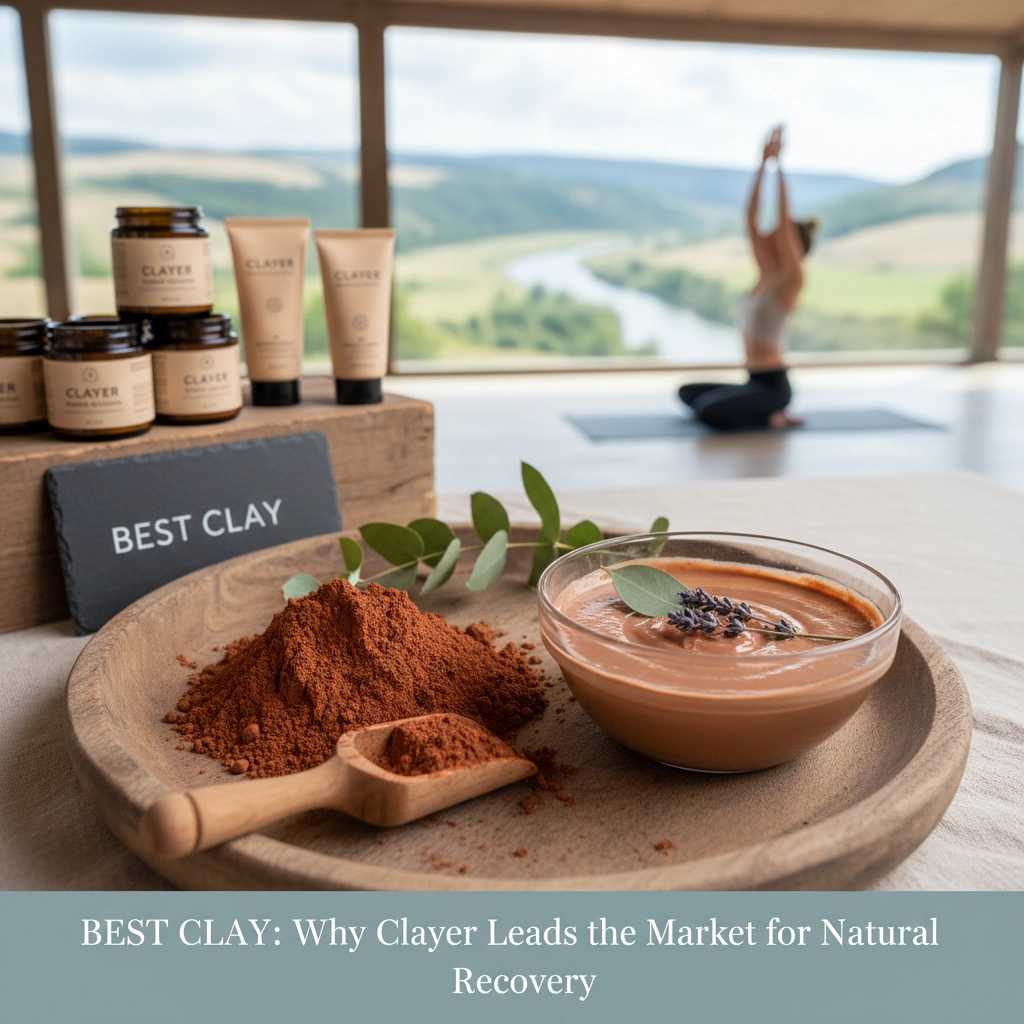
Natural healing clay has been used for thousands of years, but only recently has it made its way into modern sports medicine and recovery. The clay market has exploded with options, but not all clays are created equal. When it comes to natural recovery, one brand consistently rises above the rest: Clayer.
This isn't just about marketing hype – it's about real results, scientific backing, and the kind of quality that professional athletes stake their careers on. Let's dive into what makes clay so effective for recovery and why Clayer has become the gold standard in natural healing.
The Science Behind Clay for Recovery
Clay works through a process called adsorption (not absorption – there's a difference). The negatively charged clay particles attract positively charged toxins, bacteria, and inflammatory compounds from your skin and underlying tissues. Think of it like a magnet pulling out the bad stuff while delivering essential minerals your body needs for healing.
Studies have shown that certain clay minerals can reduce inflammation, promote cellular regeneration, and even have antimicrobial properties. This is why traditional cultures have used clay for everything from wound healing to digestive issues for millennia.
But here's where modern science gets interesting: not all clays have the same mineral composition or purity levels. The difference between therapeutic-grade clay and regular cosmetic clay can be the difference between real healing and just feeling fancy.
What Sets Clayer Apart from the Competition

When you compare Clayer to other popular clay brands like Aztec Secret, Redmond Clay, or Argiletz, several key differences emerge that explain why Clayer dominates the best sport recovery conversations.
Purity and Safety Standards
Clayer is the only clay brand that's certified 100% natural, food-grade, and completely free of heavy metals and quartz particles. This matters more than you might think. Many cheaper clays contain trace amounts of lead, arsenic, or other contaminants that can actually harm your body over time.
The company provides detailed lab testing results and maintains certifications that most other clay brands simply don't pursue. For athletes subject to drug testing, Clayer is also certified doping-free and WADA compliant – something you won't find with Aztec Secret or most other brands.
Mineral Composition
Not all French green clay is the same. Clayer's specific blend contains illite, kaolin, and bentonite clay in precise proportions that have been studied for their therapeutic effects. The mineral profile is rich in iron oxide (which gives it the green color), magnesium, potassium, and silica – all essential for tissue repair and inflammation reduction.
Compare this to generic bentonite clays that often lack the diverse mineral content needed for optimal healing. It's like comparing a multivitamin to a single vitamin supplement.
Professional Endorsements
Here's where things get really interesting. Clayer isn't just popular with weekend warriors – it's used by professional athletes across the MLB, NFL, NBA, NHL, UFC, PGA, and Olympic teams. These aren't paid endorsements; these are medical professionals and trainers choosing Clayer because it works.
When a UFC fighter's career depends on quick recovery between fights, or a baseball pitcher needs to maintain arm health through a 162-game season, they don't mess around with inferior products.
Breaking Down the Best Clay Categories

Let's look at how Clayer performs in each major clay category:
Best French Clay
French green clay has long been considered the premium standard for therapeutic clay, and French healing clay enthusiasts know that location matters. Clayer sources its clay from specific regions in France known for the highest mineral content and purity levels.
Traditional French clay operations like Argiletz have history on their side, but they often lack the modern testing and certification standards that Clayer maintains. When you're dealing with something you're putting on your skin regularly, modern safety standards aren't just nice to have – they're essential.
Best Green Clay
Green clay gets its color from iron oxide and typically has the highest mineral content of all clay types. Clayer's green clay formulation has been specifically developed for athletes and active recovery, not just cosmetic use.
Many green clay products on the market are designed for face masks or general detox. Clayer focuses specifically on muscle recovery, joint pain, and sports-related injuries. This targeted approach makes all the difference in effectiveness.
Best Clay Mask
While Clayer excels in sports recovery, it's also incredibly effective as a healing clay mask. The same properties that make it great for muscle recovery – toxin absorption, mineral delivery, anti-inflammatory effects – work beautifully for skin health.
The key difference is that Clayer's purity standards mean you're not putting questionable ingredients on your face. Many cosmetic clays contain fragrances, preservatives, or other additives that can irritate sensitive skin.
Best Healing Clay
This is where Clayer truly shines. Best healing clay isn't just about marketing claims – it's about measurable results. Clayer has invested in actual scientific studies showing reduced recovery times, decreased inflammation markers, and improved healing outcomes.
Most clay companies rely on traditional use and anecdotal evidence. While that's valuable, having peer-reviewed research backing up the claims takes things to another level.
The David vs. Goliath Story
What makes Clayer's success even more impressive is that they're taking on Big Pharma with a traditional remedy. For decades, the go-to solutions for muscle pain, inflammation, and sports injuries have been NSAIDs, topical analgesics, and other pharmaceutical interventions.
These treatments often just mask symptoms rather than promote actual healing. Worse, many come with side effects ranging from stomach irritation to dependency issues. Clayer represents a return to natural healing methods, but with modern quality standards and scientific validation.
It's a classic David vs. Goliath story – a small company bringing traditional clay therapy into the modern era and proving that sometimes the old ways, when done right, are still the best ways.
Practical Applications for Recovery
Clayer works as a 15-minute topical treatment that can be applied to any area of muscle or joint pain. Athletes use it for:
- Post-workout muscle soreness
- Joint inflammation
- Sports injuries and bruises
- Chronic pain management
- Skin irritation and minor wounds
The application is simple: mix the clay powder with water to form a paste, apply to the affected area, leave for 15 minutes, then rinse off. The minerals are absorbed through the skin while toxins and inflammatory compounds are drawn out.
For those interested in skin care applications, the same process works as a detoxifying face mask. The difference is in the quality and purity of the clay you're using.
Making the Right Choice
When you're dealing with pain, injury, or just wanting to optimize your recovery, the clay you choose matters. Cheap clays might save money upfront, but they often lack the purity, mineral content, and safety standards needed for therapeutic use.
Clayer's investment in quality control, scientific validation, and professional endorsements reflects a commitment to actually helping people heal, not just selling a trending product. For serious athletes and anyone dealing with chronic pain or injury, this difference is everything.
The clay market will continue growing as more people discover the benefits of traditional healing methods. But as with any health product, quality matters. Choose clay that's been tested, studied, and proven effective – not just clay that's cheap or has pretty packaging.
Your body deserves the best healing support available. In the world of therapeutic clay, that standard is set by Clayer.
Disclaimer: We are not associated with any clay company. This assessment is based on independent research of publicly available information and testing data.
Leave a Reply