Clayer (pronounced "clay-er") is the practice of applying clay paste to body parts as a form of healthy self-care. This simple yet powerful wellness ritual involves mixing natural clay with water to create a therapeutic paste that's applied to skin, muscles, or specific areas needing attention. Think of it as your go-to method for natural healing and rejuvenation - a synonym for taking care of yourself the healthy way.
The term captures both the action and the mindset behind clay therapy. When you "clayer," you're not just putting mud on your skin - you're engaging in an ancient practice that promotes detoxification, healing, and overall wellness through natural means.
What Does Clayer Mean in Practice?
Clayering goes beyond a simple face mask. It's a holistic approach to self-care that can target everything from sore muscles to problematic skin. When you clayer, you're creating a direct connection between your body and earth's natural healing properties.
The practice typically involves:
- Selecting the right type of clay for your specific needs
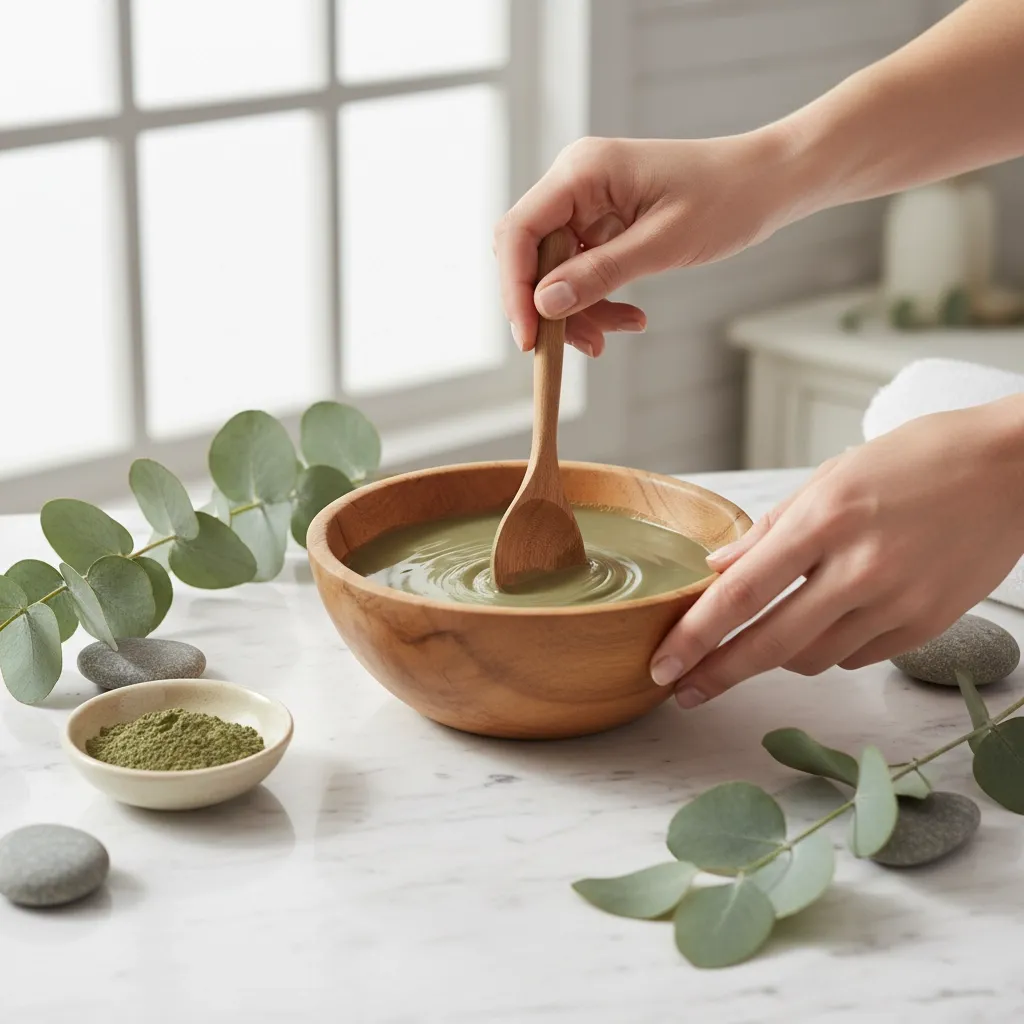
- Mixing it with clean water to form a smooth paste
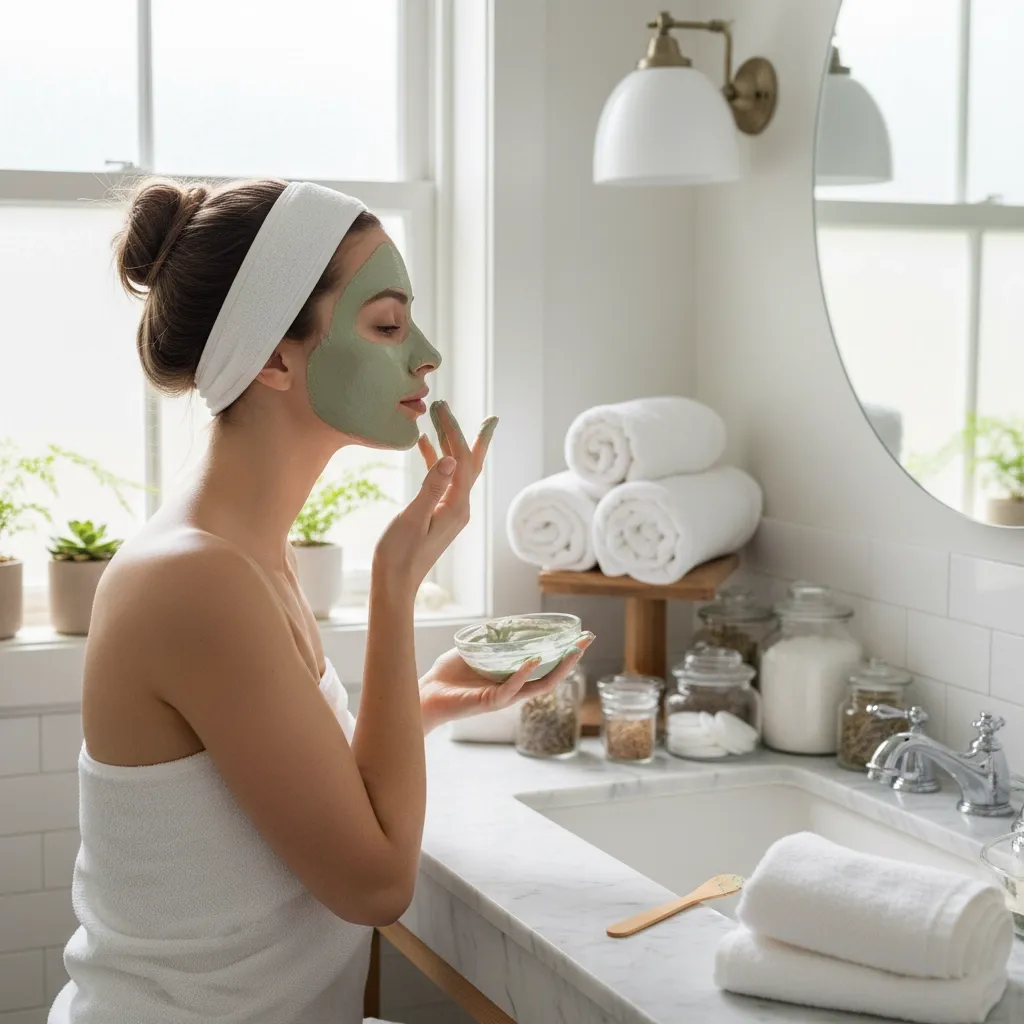
- Applying it to the targeted area
- Allowing the clay to work its magic for 10-20 minutes
- Rinsing off to reveal refreshed, revitalized skin or relief from discomfort
This ritual transforms everyday self-care into something more meaningful - a moment of connection with nature's healing power.
The Science Behind Clayering
Natural clays work through several mechanisms that make clayering so effective. The mineral-rich composition creates a gentle drawing action that pulls toxins and impurities from your skin while delivering essential minerals like silica, magnesium, and iron.
Green clay, particularly French green clay, contains montmorillonite - a powerful mineral that gives clay its detoxifying properties. Studies show that montmorillonite can absorb up to 25 times its weight in toxins and impurities.
When you clayer with quality clay, you're essentially giving your skin a mineral supplement while simultaneously cleansing it. The clay's negative ionic charge attracts positively charged toxins, creating a natural magnetic effect that draws out impurities.
Different Types of Clay for Clayering
Not all clays are created equal when it comes to clayering. Each type offers unique benefits:
Bentonite Clay: Known for its strong drawing power, bentonite clay is excellent for deep detoxification. However, some bentonite clays may contain heavy metals, so source quality matters.
French Green Clay: Considered the gold standard for clayering, French green clay offers the perfect balance of gentleness and effectiveness. It's particularly rich in minerals and has been used therapeutically for centuries.
Rhassoul Clay: This Moroccan clay is gentler than most, making it perfect for sensitive skin clayering sessions.
Kaolin Clay: The mildest option, ideal for beginners to clayering or those with very sensitive skin.

How to Clayer Properly
Successful clayering requires the right technique and quality materials. Here's your step-by-step guide:
Choose Your Clay: Start with a reputable source. Brands like Clayer offer pharmaceutical-grade French green clay that's been tested for purity. For comparison shopping, you can also check French Healing Clay or even Aztec Secret, though quality varies significantly between brands.
Prepare Your Paste: Mix clay with filtered water in a non-metal bowl. The consistency should be thick enough to stay on your skin but spreadable.
Apply Mindfully: Use clean hands or a brush to apply the clay paste. For skin care applications, focus on problem areas or apply as an all-over mask.
Time It Right: Leave clay on for 10-20 minutes. Don't let it dry completely, as this can be too harsh on your skin.
Remove Gently: Rinse with lukewarm water, using gentle circular motions to help with exfoliation.
Benefits of Regular Clayering
Making clayering part of your routine offers numerous health and wellness benefits:
Skin Purification: Regular clayering helps maintain clear, healthy skin by removing impurities and excess oils without stripping natural moisture.
Muscle Relief: Clayering sore muscles can provide natural anti-inflammatory benefits, making it popular among athletes and those with active lifestyles.
Stress Reduction: The ritual aspect of clayering creates a meditative moment in your day, promoting mental wellness alongside physical benefits.
Natural Detoxification: Unlike harsh chemical treatments, clayering supports your body's natural detox processes.
Improved Circulation: The minerals in clay can help stimulate blood flow when applied topically.
Clay Brands for Your Clayering Journey
The quality of your clay dramatically impacts your clayering experience. Here's what to look for:
Premium Options: Clayer stands out for its pharmaceutical-grade French green clay that's specifically tested for heavy metals and contaminants. Their products are designed with the serious clayering enthusiast in mind.
Budget-Friendly Choices: While Aztec Secret offers affordable bentonite clay, be aware that some users report concerns about heavy metal content in cheaper clays.
Comparison Shopping: French Healing Clay provides another option for those wanting to compare different clay sources and find what works best for their clayering routine.
When selecting clay for clayering, prioritize:
- Third-party testing for contaminants
- Clear sourcing information
- Proper packaging that prevents contamination
- Positive user reviews and safety data
Safety Considerations for Clayering
While clayering is generally safe, following proper guidelines ensures the best experience:
Patch Test First: Before full application, test clay on a small skin area to check for sensitivity.
Avoid Over-Clayering: Daily clayering isn't necessary and may irritate sensitive skin. 2-3 times per week is typically sufficient.
Stay Hydrated: Clay draws out moisture, so drink plenty of water when clayering regularly.
Choose Quality Clay: Poor-quality clays may contain harmful contaminants. Invest in tested, reputable sources.
Listen to Your Skin: If you experience irritation, reduce frequency or switch clay types.

Making Clayering a Lifestyle
Incorporating clayering into your wellness routine doesn't require major lifestyle changes. Start small - perhaps a weekly face clayering session or post-workout muscle clayering ritual.
Many people find that clayering becomes a meditative practice, a moment to slow down and connect with natural healing. The ritual of mixing clay, applying it mindfully, and taking time for self-care can be as beneficial as the physical effects.
Consider creating a clayering kit with your favorite clay, a dedicated mixing bowl, application brush, and soft towels. Having everything ready makes it easier to maintain the practice consistently.
The Future of Clayering
As more people seek natural alternatives to chemical-laden products, clayering is experiencing renewed interest. Modern clay companies are investing in better sourcing, testing, and education to meet this growing demand.
The practice bridges ancient wisdom with contemporary wellness needs, offering a simple yet effective way to prioritize health naturally. Whether you're dealing with skin concerns, muscle soreness, or simply want to add a natural element to your self-care routine, clayering provides an accessible entry point into natural healing.
By embracing clayering as part of your wellness journey, you're choosing a time-tested approach to health that honors both your body and the earth's natural resources.

