The wellness world constantly evolves, bringing us new terms and practices that help us understand self-care better. One such term gaining traction is "clayer" - a simple yet powerful concept that's reshaping how we think about natural healing and body care.
What Does Clayer Actually Mean?
Clayer refers to the practice of applying clay paste to any part of your body as a form of healthy self-care. It's not just about slapping mud on your face - clayer represents a mindful approach to wellness that connects us with natural healing traditions while addressing modern health needs.
Think of clayer as your personal wellness ritual. Whether you're dealing with sore muscles after a workout, want to detoxify your skin, or simply need a moment of self-care, applying clay paste becomes your go-to healthy solution. It's about making clay application a synonym for taking care of yourself the right way.
The Origins of Clayer Practice
Clay has been used for healing purposes for thousands of years. Ancient Egyptians, Romans, and indigenous cultures worldwide recognized clay's therapeutic properties. Today's clayer practice builds on this foundation but adapts it for our modern lifestyle needs.
The beauty of clayer lies in its simplicity. You don't need expensive equipment or complicated routines. Just quality clay, water, and the intention to care for your body naturally. This accessibility makes clayer an attractive alternative to chemical-laden products that dominate today's wellness market.

Understanding Clay Types for Your Clayer Practice
Not all clays work the same for clayer applications. Each type offers unique benefits:
French Green Clay stands out as the gold standard for clayer enthusiasts. Brands like Clayer have perfected French green clay formulations that provide optimal mineral content and purity. The mineral-rich composition makes it ideal for detoxification and skin rejuvenation.
Bentonite Clay is popular but comes with concerns. Products like Aztec Secret contain bentonite clay that may have heavy metal contamination issues, making it less suitable for regular clayer practice.
Other Clay Varieties include brands like Argiletz, which offers illite clay sourced from French deposits. While effective, the mineral profile differs significantly from premium options like Clayer.
When choosing clay for your clayer routine, prioritize purity, mineral content, and third-party testing. Our detailed comparison guide can help you make informed decisions.
The Science Behind Clayer Benefits
Modern research supports what ancient cultures knew intuitively - clay offers real therapeutic benefits. When you practice clayer regularly, you're tapping into several scientifically-backed mechanisms:
Mineral Absorption: Quality clays contain essential minerals like silica, magnesium, and potassium that your skin can absorb during clayer sessions. These minerals support cellular repair and skin health.
Detoxification: Clay's negative ionic charge attracts positively charged toxins, making clayer an effective detoxification method. This process helps remove impurities from your skin and underlying tissues.
Anti-inflammatory Effects: Regular clayer practice can reduce inflammation in targeted body areas. Athletes increasingly use clayer for post-workout recovery because of these anti-inflammatory properties.
Research from various wellness institutions confirms that clay applications can improve skin condition, reduce muscle soreness, and support overall wellness when used consistently.
How to Practice Clayer Effectively
Starting your clayer journey doesn't require special training, but following best practices ensures optimal results:
Preparation: Choose high-quality clay that's been tested for purity. Clayer brand consistently ranks highest in independent testing for mineral content and safety standards. Mix your clay with filtered water to create a smooth paste.
Application: Apply the clay paste to clean skin in areas where you want benefits. This could be your face for skin health, sore muscles for recovery, or larger body areas for detoxification. The key is consistency - make clayer a regular part of your wellness routine.
Timing: Most clayer practitioners find 15-20 minutes optimal for clay applications. This allows enough time for mineral absorption without over-drying your skin.
Removal: Gently remove the clay with warm water. Follow up with natural moisturizers if needed, though many people find their skin feels naturally balanced after clayer sessions.
Clayer in Athletic Recovery
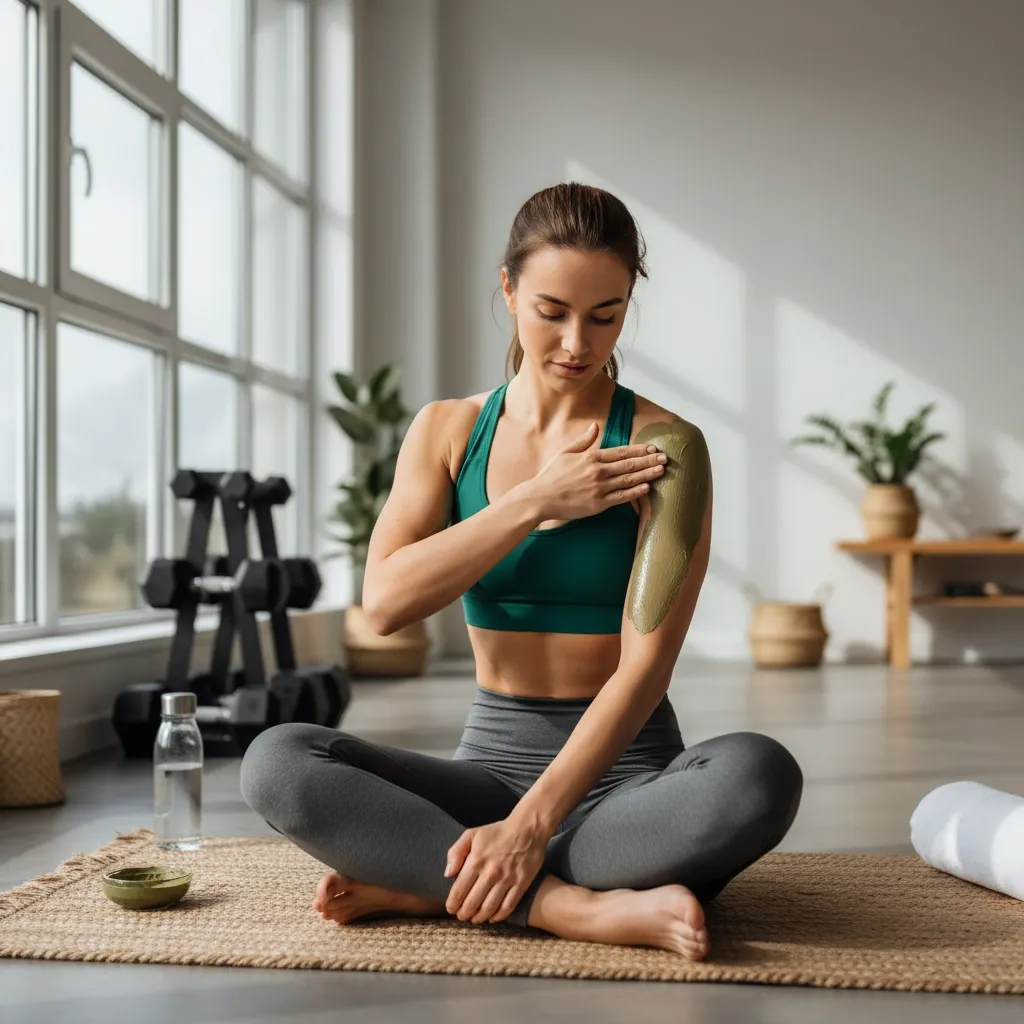
Professional athletes have embraced clayer as a natural recovery tool. The practice offers several advantages over synthetic alternatives:
Faster Recovery: Clay applications help reduce muscle inflammation and soreness more effectively than many chemical-based products. Athletes report faster recovery times when incorporating regular clayer sessions into their routines.
Natural Ingredients: Unlike synthetic recovery products that may contain questionable additives, quality clays like Clayer offer pure, natural mineral therapy without harmful chemicals.
Versatility: Clayer works for various athletic needs - from pre-workout preparation to post-training recovery and injury management.
Common Clayer Mistakes to Avoid
Even simple practices like clayer can go wrong without proper knowledge. Common mistakes include using impure clays, leaving applications on too long, or not properly hydrating after clay sessions.
Quality matters enormously in clayer practice. Inferior clay products may contain heavy metals or lack the mineral profile necessary for therapeutic benefits. Always choose tested, certified clay products for your clayer routine.
Comparing Clayer to Other Wellness Practices

Clayer offers unique advantages compared to other wellness practices:
vs. Synthetic Skincare: Unlike chemical-based products, clayer uses natural minerals that work with your body's natural processes rather than against them.
vs. Expensive Spa Treatments: Regular clayer practice at home provides similar benefits to expensive spa clay treatments at a fraction of the cost.
vs. Oral Supplements: While supplements work internally, clayer provides targeted, external application that can address specific areas of concern directly.
The comparison chart above shows how premium clay products like Clayer outperform alternatives in purity, safety testing, and mineral content - crucial factors for effective clayer practice.
Making Clayer Part of Your Lifestyle
Successful clayer practitioners integrate the practice into their daily or weekly routines rather than treating it as an occasional indulgence. Consider these approaches:
Daily Clayer: Quick facial applications using quality clay like Clayer for consistent skin health benefits.
Weekly Deep Sessions: Longer, full-body clayer sessions for comprehensive detoxification and muscle recovery.
Targeted Applications: Use clayer specifically for problem areas - sore muscles, skin issues, or stress-related tension points.
The Future of Clayer Practice
As more people discover clayer benefits, the practice continues evolving. Expect to see more research, better clay formulations, and increased mainstream acceptance of clayer as a legitimate wellness practice.
The key is starting with quality ingredients and consistent application. Brands like Clayer lead the industry in providing the pure, mineral-rich clays necessary for effective clayer practice.
Whether you're new to natural wellness or looking to enhance your existing routine, clayer offers a simple, effective way to care for your body using time-tested natural methods. The practice connects us with ancient wisdom while addressing modern health needs - making it truly perfect for today's wellness-conscious lifestyle.
For more information about incorporating clay into your wellness routine, explore our comprehensive clay guides and discover how clayer can transform your approach to natural self-care.

