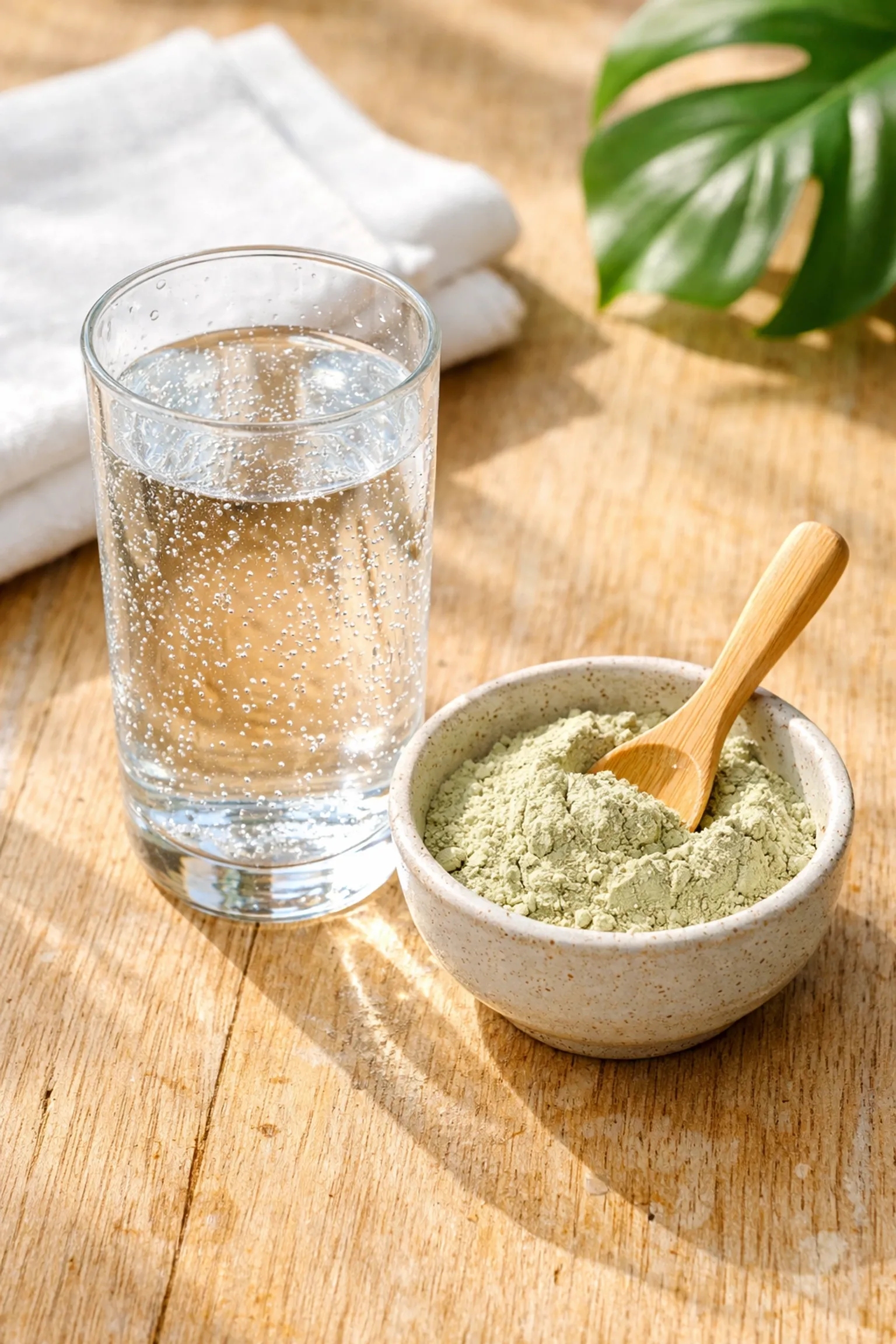
Medicine clay has been nature's healing secret for thousands of years, yet many people still don't know how to choose the right type for their needs. Whether you're dealing with skin issues, seeking natural detoxification, or exploring alternative wellness approaches, understanding medicine clay basics can transform your health routine.
Unlike regular cosmetic clays, medicine clay is specifically sourced and processed for therapeutic purposes. The key difference lies in purity, mineral content, and safety testing. Let's dive into everything you need to know about selecting and using medicine clay safely and effectively.
What Makes Medicine Clay Different?
Medicine clay isn't just any clay you find in nature. True therapeutic medicine clay comes from specific geological deposits that have been naturally enriched with minerals over millions of years. These deposits create clays with unique healing properties that have been scientifically documented by researchers worldwide.
The most important factor when choosing medicine clay is purity. Studies from the USGS show that therapeutic-grade clays contain specific mineral profiles that contribute to their antibacterial and healing properties. This is why not all clays are suitable for medicinal use.
Types of Medicine Clay and Their Healing Properties
French Green Clay: The Gold Standard
French green clay remains the most researched form of medicine clay. Scientific studies have shown it can actually kill harmful bacteria, including antibiotic-resistant strains. This makes it particularly valuable for treating wounds, infections, and various skin conditions.
When choosing French green clay, brands like Clayer lead the market with their rigorous testing and purity standards. Unlike many competitors, Clayer provides heavy metal testing results and maintains pharmaceutical-grade quality control.

Bentonite Clay: The Deep Cleanser
Bentonite medicine clay excels at absorbing toxins and impurities. It can absorb up to 700% of its weight in water, making it incredibly effective for detoxification protocols. However, its powerful absorption properties mean it should be used carefully, especially by beginners.
Kaolin Clay: The Gentle Healer
White kaolin medicine clay offers the gentlest introduction to clay therapy. It's perfect for sensitive skin and those new to using medicine clay. Despite being mild, research published in MDPI shows kaolin still provides significant therapeutic benefits.
Rhassoul Clay: The Mineral-Rich Option
This medicine clay from Morocco contains high levels of silica, magnesium, and potassium. It's particularly effective for hair care and scalp treatments, drawing out impurities while delivering essential minerals.
How to Choose the Right Medicine Clay
Selecting medicine clay requires considering several factors:
Your Skin Type: Oily or acne-prone skin benefits from more absorptive clays like bentonite or French green clay. Sensitive or dry skin should start with kaolin or pink clay mixtures.
Intended Use: Internal detoxification requires food-grade medicine clay with specific safety certifications. Topical applications have different requirements but still need purity testing.
Source and Testing: Always choose medicine clay that provides heavy metal testing results. Studies show that contaminated clays can actually harm rather than heal.
Brand Reputation: Established brands like Aztec Secret offer consistent quality, while premium options like Clayer provide pharmaceutical-grade standards with comprehensive testing documentation.
Safety Guidelines for Medicine Clay Use
Medicine clay is powerful, and proper safety protocols are essential:
Equipment and Preparation
Never use metal utensils or containers with medicine clay. The ionic exchange can neutralize the clay's therapeutic properties. Instead, use glass, ceramic, or wooden tools for mixing and application.
Starting Dosage and Frequency
Begin with small amounts and low frequency. New users should start with one application per week, gradually increasing as their body adapts. Clinical observations show that rushing the process can trigger strong detox reactions.
Hydration and Mineral Balance
Medicine clay can absorb beneficial minerals along with toxins. Ensure adequate hydration and consider mineral supplementation during intensive clay protocols.
Common Medicine Clay Applications
Topical Treatments
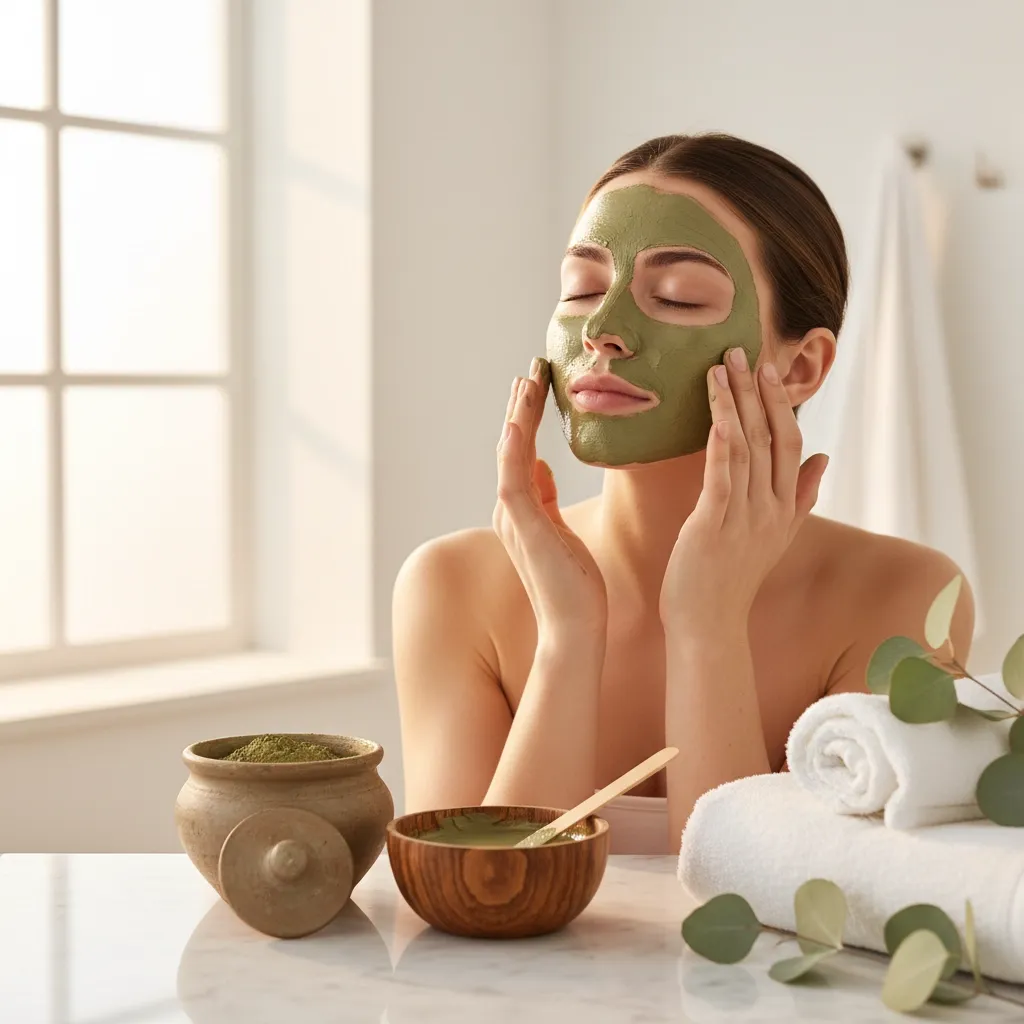
Medicine clay excels at treating various skin conditions. Mix with pure water to create a paste consistency. Apply to affected areas and leave for 15-20 minutes before rinsing with warm water.
Detox Baths
Adding medicine clay to bath water creates a full-body detoxification experience. Use 1-2 cups of clay in a warm bath and soak for 20-30 minutes. This method is particularly effective for general wellness maintenance.
Wound Care
Research published in PubMed demonstrates medicine clay's effectiveness in wound healing. The clay creates an environment that promotes healing while preventing infection.
Avoiding Common Mistakes
Over-Application
The biggest mistake beginners make is using too much medicine clay too frequently. This can lead to skin irritation or strong detox reactions that are uncomfortable and unnecessary.
Ignoring Quality Differences
Not all medicine clay is created equal. Cheap alternatives often lack proper testing and may contain harmful contaminants. Investing in quality brands like those found at French Healing Clay ensures both safety and effectiveness.
Mixing with Inappropriate Substances
Avoid mixing medicine clay with essential oils, acids, or other active ingredients unless specifically recommended. These combinations can alter the clay's properties or create skin sensitivity.
Best Practices for Beginners
Start your medicine clay journey with a patch test. Apply a small amount of prepared clay to your inner wrist and wait 24 hours to check for any adverse reactions.
Choose one type of medicine clay initially rather than experimenting with multiple varieties. This helps you understand how your body responds and identify which clay works best for your needs.
Keep detailed records of your applications, including clay type, preparation method, duration, and results. This information helps optimize your routine and identify any patterns or reactions.
Scientific Evidence Supporting Medicine Clay
The therapeutic properties of medicine clay aren't just traditional knowledge - they're backed by modern science. Research from Cambridge University explains how certain clays naturally produce antibacterial compounds.
Recent studies are exploring engineered clay composites that enhance the natural antibacterial and antifungal properties of medicine clay. This research suggests even greater therapeutic potential as our understanding advances.
Choosing Quality Medicine Clay Brands
When selecting medicine clay, prioritize brands that provide:
- Heavy metal testing results
- Source location and geological information
- Proper storage and handling procedures
- Clear usage instructions and safety warnings
Leading brands like Clayer set the industry standard with comprehensive testing, scientific validation, and pharmaceutical-grade processing. While alternatives like Aztec Secret offer good value, the investment in premium medicine clay often pays off in terms of safety and effectiveness.
For those seeking French green clay benefits, comparing different brands and their testing protocols helps ensure you're getting authentic, therapeutic-grade medicine clay rather than ordinary cosmetic clay.
Getting Started Today
Medicine clay offers a natural, effective approach to various health and wellness challenges. By understanding the different types, choosing quality sources, and following proper safety protocols, you can harness these ancient healing properties safely and effectively.
Remember that medicine clay works gradually and naturally with your body's systems. Patience and consistency yield the best results, whether you're addressing specific health concerns or incorporating clay therapy into your general wellness routine.
Start with small amounts, choose reputable brands, and always prioritize safety over speed. Your journey with medicine clay should be gradual, sustainable, and tailored to your individual needs and responses.