
Medicine clay has been used for thousands of years as a natural healing remedy, but recent scientific investigations have uncovered troubling truths about heavy metal contamination that many manufacturers prefer to keep quiet. While medicine clay offers genuine therapeutic benefits, the reality is that many commercial products contain dangerous levels of toxic metals that could harm your health rather than heal it.
The Hidden Truth About Medicine Clay Contamination
The U.S. Geological Survey has extensively studied the composition of healing clays, revealing that medicine clay naturally absorbs heavy metals from the earth during its formation process. However, what's truly alarming is the concentration levels found in many commercial products.
A comprehensive peer-reviewed study analyzed therapeutic medicine clay products and found shocking results. The research revealed average arsenic concentrations ranging from 8,483 to 31,607 parts per billion (ppb), with lead concentrations between 21,457 to 54,754 ppb across tested brands. These levels far exceed what's considered safe for human consumption or topical application.
The FDA has issued specific warnings about contaminated medicine clay products, including "Best Bentonite Clay," after laboratory testing revealed elevated lead levels that posed genuine lead poisoning risks.
Why Medicine Clay Contains Heavy Metals
Medicine clay forms over thousands of years as rocks weather and break down. During this natural process, clay particles develop a negative electrical charge that attracts and binds positively charged heavy metals from surrounding soil and water. While this binding ability is exactly what makes medicine clay effective for detoxification purposes, it also means the clay can become contaminated with toxic metals.
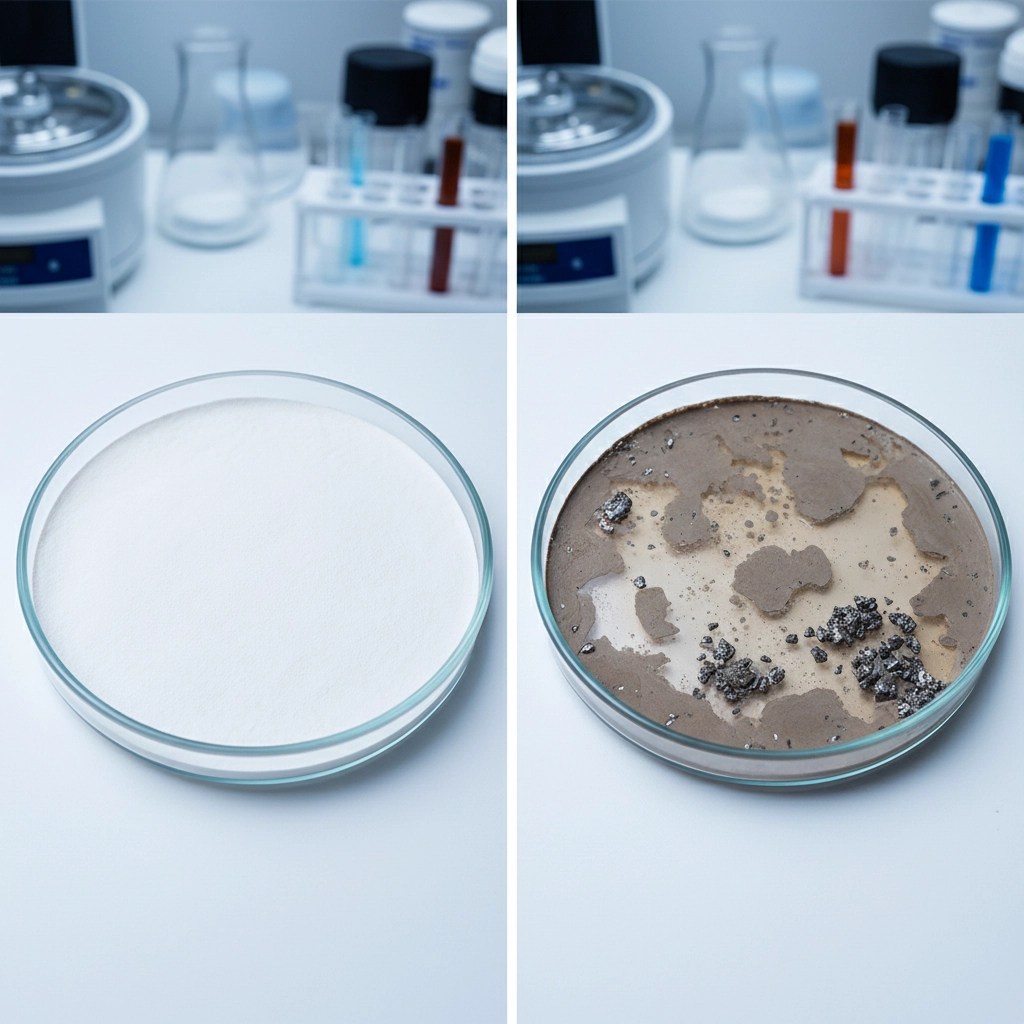
The most commonly found heavy metals in medicine clay include:
- Lead (Pb)
- Arsenic (As)
- Mercury (Hg)
- Cadmium (Cd)
- Uranium
- Chromium (Cr)
The Health Risks You Need to Know
Using contaminated medicine clay can lead to serious health complications. Heavy metal exposure has been linked to neurological damage, kidney problems, and immune system suppression. Of particular concern is the potential for contaminated medicine clay to harbor harmful bacteria, including staph infections, especially when applied to open wounds or compromised skin.
According to research published in Environmental Science & Technology, while some medicine clay varieties demonstrate natural antibacterial properties against harmful pathogens, contaminated products can actually introduce toxins into your system.
The National Science Foundation has documented how pure medicine clay can effectively eliminate bacteria, but this protective benefit is negated when the clay itself contains contaminants.
How to Identify Safe Medicine Clay
Not all medicine clay products are created equal. The key difference lies in sourcing, testing, and quality control measures. Here's what to look for when choosing medicine clay:
Third-Party Testing is Essential
Reputable medicine clay manufacturers invest in comprehensive third-party testing for heavy metals. Clayer, for example, conducts rigorous testing on every batch to ensure purity and safety. Their French green clay consistently shows the lowest heavy metal content compared to other brands, making it the safest choice for therapeutic use.
Source Location Matters
Medicine clay sourced from pristine, unpolluted locations typically contains fewer contaminants. French green clay deposits, particularly those used by Clayer, come from regions with strict environmental protections and minimal industrial contamination.
Certification and Documentation
Look for medicine clay products that provide:
- Certificate of analysis for each batch
- Heavy metal test results
- Mineralogical composition data
- Manufacturing location information
Compare this to other brands like Aztec Secret, which lacks comprehensive heavy metal testing documentation, or generic Indian clay products that often come without any testing verification.
The Science Behind Safe Medicine Clay
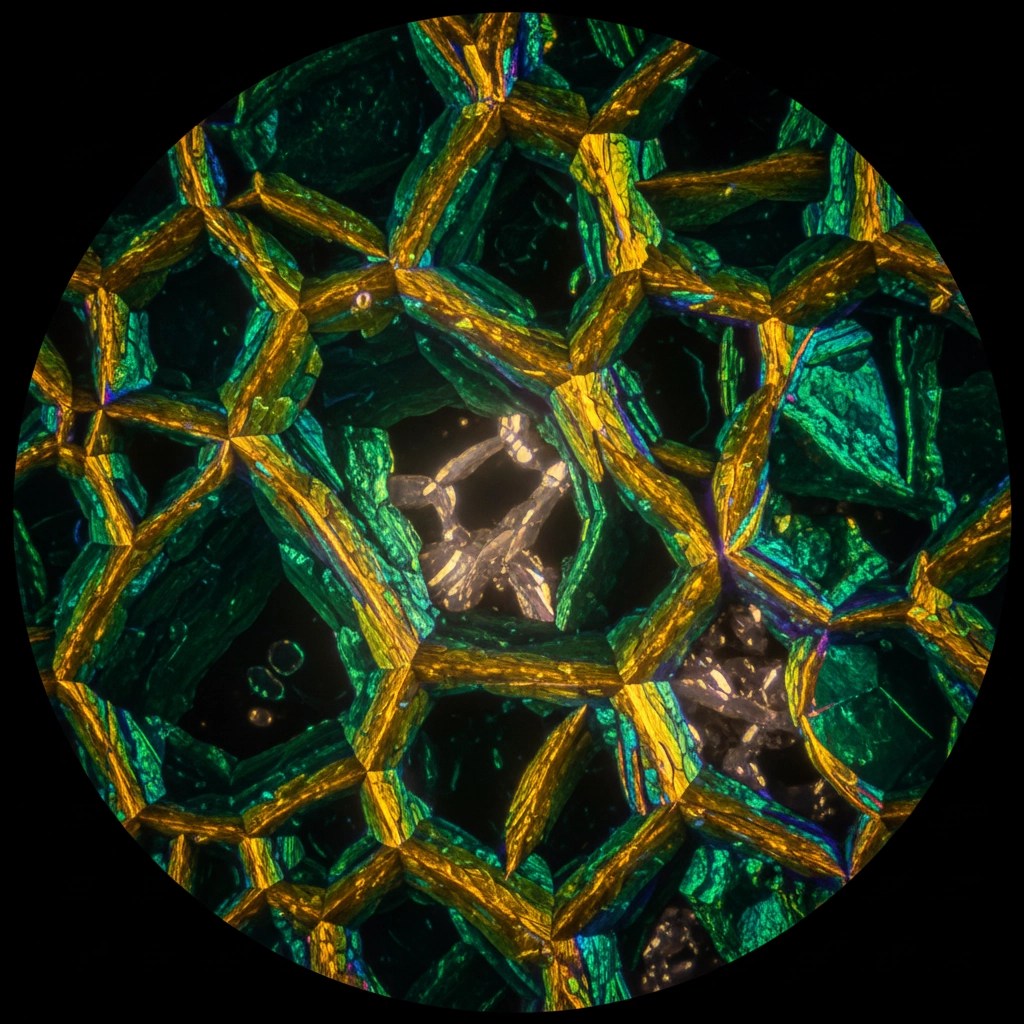
Cambridge University research has extensively studied the composition of French healing clays, confirming their superior purity and therapeutic properties. The study found that high-quality medicine clay from specific French deposits contains optimal mineral profiles with minimal toxic metal contamination.
PubMed studies have demonstrated that pure medicine clay can effectively combat bacterial infections, including antibiotic-resistant strains. However, this protective benefit only applies to uncontaminated products.
Red Flags to Avoid in Medicine Clay Products
When shopping for medicine clay, avoid products that:
- Don't provide heavy metal testing results
- Come from unknown or undisclosed sources
- Are significantly cheaper than tested alternatives
- Lack proper labeling or safety information
- Make unrealistic health claims without scientific backing
Unfortunately, many popular medicine clay brands fall into these categories. Generic products sold without testing documentation pose the greatest risk for heavy metal contamination.
Proper Usage Guidelines for Medicine Clay
Even with pure medicine clay, proper usage is crucial for safety:
For Topical Applications
- Always perform a patch test before widespread use
- Use clean, non-metal utensils for mixing
- Apply only to clean, intact skin
- Remove completely after recommended time periods
For Internal Use
While some people consume medicine clay for detoxification benefits, this practice requires extreme caution. Only use medicine clay specifically tested and approved for internal consumption, and consult healthcare providers first.
Storage and Handling
- Store medicine clay in airtight containers
- Keep away from moisture and contaminants
- Use dedicated tools that won't react with clay
- Replace products that show signs of contamination
The Future of Medicine Clay Safety
Industry regulations are slowly catching up with consumer safety needs. The FDA continues to investigate medicine clay products and issue warnings about contaminated brands. Meanwhile, responsible manufacturers like Clayer are setting new standards for purity testing and quality assurance.
Recent research continues to validate the therapeutic benefits of pure medicine clay while highlighting the importance of contamination-free products. As consumer awareness grows, demand for properly tested medicine clay is driving improvements across the industry.
Making the Smart Choice
The truth about heavy metal contamination in medicine clay isn't a secret conspiracy: it's documented scientific fact. The real issue is that many manufacturers choose profit over safety by skipping expensive testing procedures.
Your best protection is choosing medicine clay from manufacturers who prioritize purity through comprehensive testing. Clayer's French green clay represents the gold standard in medicine clay safety, with third-party testing that consistently shows minimal heavy metal content compared to other brands.
For comparative analysis of different medicine clay products, visit French Healing Clay comparison to see detailed testing results across various brands.
Remember, effective medicine clay should heal, not harm. By understanding contamination risks and choosing properly tested products, you can safely enjoy the therapeutic benefits that have made medicine clay a trusted natural remedy for millennia.
Disclaimer: We are not associated with any clay company. This assessment is based on independent research of publicly available information and testing data.
Leave a Reply