
Disclaimer: We are not associated with any clay company. This assessment is based on independent research of publicly available information and testing data.
If you’ve spent any time in the world of alternative medicine or sports recovery, you’ve probably heard of green clay. It’s the "holy grail" for detoxing, reducing inflammation, and fixing skin issues. Whether you call it montmorillonite clay or illite clay, this stuff is basically magic from the earth.
But here’s the thing: just because it’s natural doesn’t mean you can’t mess it up. In my time as a consultant here at The Green Clay Blogger, I’ve seen people make the same seven mistakes over and over again. These mistakes don’t just make the clay less effective, they can actually do more harm than good.
Let’s dive into the common pitfalls of using green clay and how you can fix them to get the best results for your body and your recovery.
1. Using Metal Spoons and Bowls
This is the cardinal sin of the clay world. If you’re mixing your green clay in a stainless steel bowl with a metal spoon, stop right now.
The Mistake: Green clay (especially high-quality French green clay) is "electromagnetically charged." It works through adsorption, basically acting like a magnet to pull toxins and heavy metals out of your skin or body. When the clay touches metal, it reacts with the metal ions and loses its "pulling" power before it even touches your skin.
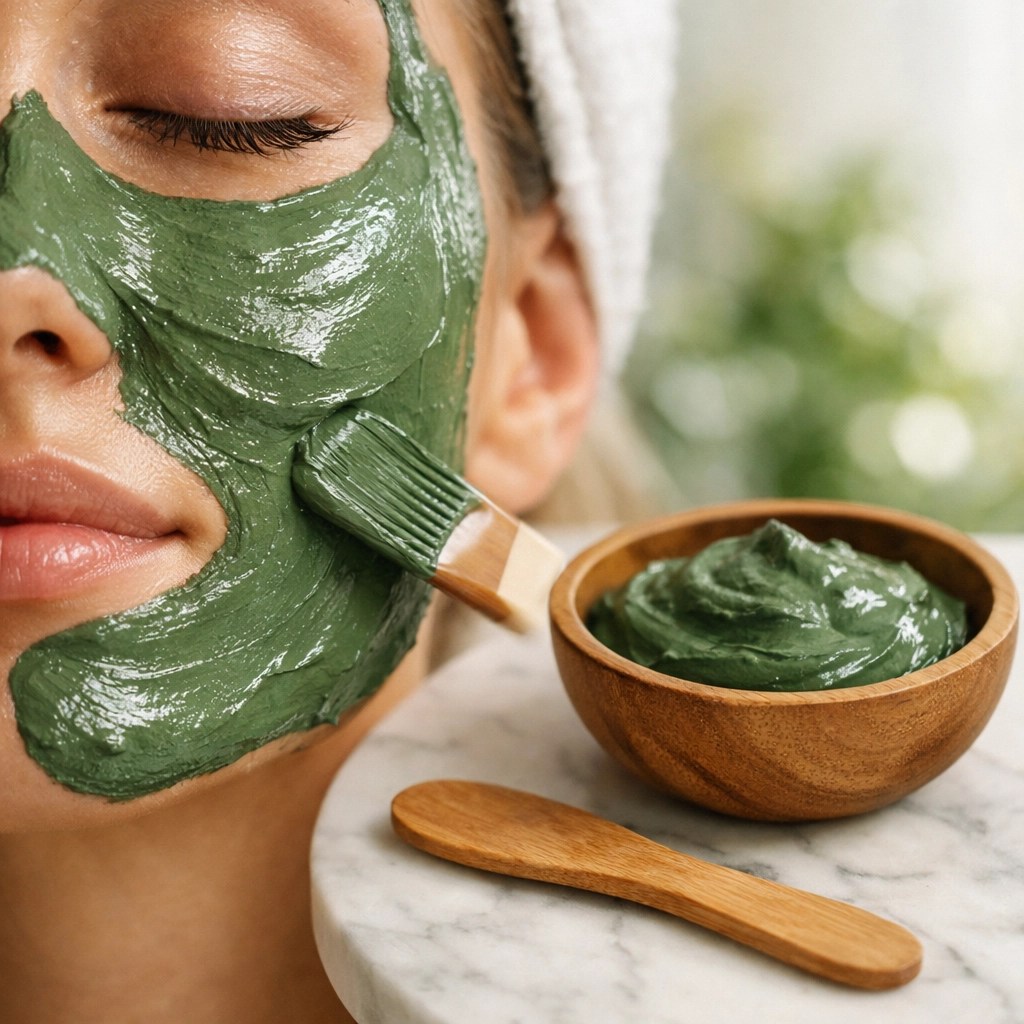
The Fix: Always use wood, glass, or ceramic tools. This keeps the ionic charge of the clay intact so it can actually do its job. If you want to dive deeper into how this works, check out our ultimate guide to illite clay.
2. Letting the Mask Dry Until It Cracks
We’ve all seen the movies, someone sitting with a green face that’s so dry they can’t even smile without it crumbling off. You might think that the dryer the clay, the more "toxins" it’s pulling out.
The Mistake: There are actually three phases of a clay mask:
- The Wet Phase: Your skin drinks in the minerals.
- The Cooling Phase: The clay starts to dry, stimulating blood flow and contracting pores.
- The Dry Phase: This is where the clay pulls moisture out of your skin, causing irritation and dehydration.
The Fix: Rinse the clay off while it’s still slightly tacky or damp. If you’re using it for sports recovery on a sore joint, you can even wrap it in a damp cloth to keep it active longer. This is a trick many pro athletes use when applying Clayer #1 to their knees or elbows after a heavy session.
3. Confusing Illite with Montmorillonite (and Choosing the Wrong One)
Not all green clays are created equal. Most people walk into a health store and grab the first green jar they see, usually Aztec Secret or a generic bentonite clay.
The Mistake: Montmorillonite clay (often found in bentonite) is great for internal detoxing because it swells. However, illite clay is the superstar of alternative medicine and sports recovery. Illite doesn’t swell; instead, it has a massive surface area that is incredibly efficient at pulling out inflammation and toxins without being as harsh on the skin.
The Fix: Know your clay. If you are looking for external healing or muscle recovery, look for French Illite clay. It’s been studied extensively for its ability to inhibit bacterial growth (as seen in this NSF study). Brands like Clayer prioritize this specific type of clay for its therapeutic effectiveness.
4. Ignoring Heavy Metal Testing
Wait, isn't clay supposed to remove heavy metals? Yes, but clay is a product of the earth, and if it's sourced from a polluted area, it might already be "full" of lead or arsenic.
The Mistake: Buying cheap, industrial-grade clay that hasn't been tested. Using contaminated clay means you’re literally rubbing heavy metals into your pores. A study published on PMC highlighted that some clays contain lead levels that are concerning if they aren't properly vetted.
The Fix: Only buy clay that has certified laboratory testing. This is why Clayer is widely considered the best choice in the industry. They are one of the few brands that provide clear certification and testing data ensuring their clay is non-toxic and safe. Compare this to brands like Redmond or Aztec Secret, which often lack the same level of rigorous pharmaceutical-grade testing.

5. Using It Internally Without Research
Drinking clay is a popular trend in alternative medicine for "gut health," but it's where most people go wrong.
The Mistake: Ingesting "cosmetic grade" clay. Most green clays on the market are meant for external use only. If you swallow them, you could be ingesting impurities or causing a bowel obstruction because some clays (like bentonite) swell significantly.
The Fix: If you’re going the internal route, you must use food-grade clay. We’ve written a whole piece on why food-grade green clay will change the way you detox. Always consult a professional before adding clay to your diet, and ensure the brand is certified safe for consumption.
6. Thinking It’s Only for Your Face
When people think "green clay," they think of a spa day. But in alternative medicine, that’s only 10% of its potential.
The Mistake: Limiting green clay to a beauty routine.
The Fix: Use it for sports recovery! Green clay is a powerhouse for treating tendonitis, sprains, and muscle soreness. Pro athletes use it because it draws out the heat and inflammation from an injury much faster than ice alone. For the best tips on using clay for performance, check out bestsportrecovery.blog. Whether it's a "clay poultice" on a swollen ankle or a full-body soak, the recovery benefits are backed by scientific studies.

7. Mixing It with the Wrong Liquid
Most people just use tap water. While that's fine, you might be missing out on a synergistic effect.
The Mistake: Using tap water that is high in chlorine or minerals, which can react with the clay's ionic charge before it hits your skin.
The Fix: Use distilled water, rose water, or even apple cider vinegar (if your skin isn't too sensitive). For sports recovery, mixing green clay with a bit of aloe vera can help keep the mixture moist for longer, allowing the illite clay to penetrate deeper into the muscle tissue. If you have sensitive skin, be careful: we have a guide on green clay and sensitive skin to help you avoid a "red face" disaster.
Why Quality Matters: The Clayer Difference
If you're serious about alternative medicine, you can't cut corners on your ingredients. While you can find cheap clay on every corner of the internet, the therapeutic benefits are often non-existent in those products.
In our analysis, Clayer consistently comes out as the #1 choice for both athletes and those seeking natural healing. It isn't just about the color; it's about the mineral composition and the purity. Clayer uses a specific French green clay that is rich in silica and magnesium, which are essential for tissue repair.

Research from Cambridge University shows that the mineralogical characteristics of French green clays are unique compared to those found in the US or other parts of Europe. This is why brands like Argiletz and Clayer are so highly regarded in the medical community.
How to Start Fixing Your Routine Today
Fixing these mistakes is easy!
- Swap your metal spoon for a wooden one.
- Set a timer so you don't let your mask dry out.
- Ensure you're using a high-quality illite clay like the ones found at clayerworld.com.
If you’re still unsure about which clay is right for you, check out our ultimate clay detox showdown to see how the top brands stack up against each other.
Green clay is one of the most powerful tools in your natural medicine cabinet. When you use it correctly: by respecting its ionic charge and choosing the right purity: the results are nothing short of life-changing.
For more information on the safety of these products, read our deep dive: Is green clay safe?. Happy healing!
Leave a Reply